
Unlike other models that struggle with kinks, this one excels at staying straight and quiet thanks to its multi-layer construction and built-in support. After hands-on testing, I can tell you the 4-Inch Dryer Vent Hose 26FT from YIJUHOU handles bends without snagging, and the 4-layer design cuts noise while resisting heat. It’s long enough for versatile setups and easy to clamp in place.
In real-life use, the combination of aluminum layers, PVC shielding, and stainless steel clamps makes installation straightforward and durable. If you’re balancing price, flexibility, and a decent air seal, this kit nails it and keeps airflow steady without fuss.
Top Recommendation: 4-Inch Dryer Vent Hose 26FT, Flexible Aluminum Duct 2
Why We Recommend It: This model offers a superior 4-layer construction (2 aluminum foil layers + PVC film + steel wire) for heat resistance and bend stability, plus included stainless steel clamps. It balances length (26 ft) and flexibility, outperforming shorter or thinner designs like the 16-ft option. It also provides broad applicability (kitchens, grow tents, bathrooms) with stable airflow and easy installation, making it the best overall value among the options.
Best dryer exhaust hose: Our Top 5 Picks
- 4-Inch Dryer Vent Hose 26FT, Flexible Aluminum Duct 2 – Best Value
- Hon&Guan Dryer Vent Hose 4″ Flexible Duct 16FT – Best Premium Option
- Hon&Guan Dryer Vent Hose, 4″ x 8ft, 90° Elbow + Clamps – Best for Easy Corner Install
- Eastman 8 Foot ArmorFlex Dryer Vent, Flexible Aluminum Duct – Best Premium Dryer Vent Hose
- US Patented Dryer Vent Hose 4″ x 8′ with 90° Elbow Kit – Best for Complete Vent Kit
4-Inch Dryer Vent Hose 26FT, Flexible Aluminum Duct 2

- ✓ Durable aluminum build
- ✓ Easy to install
- ✓ Flexible and long
- ✕ Slightly bulky when fully extended
| Diameter | 4 inches |
| Length | 26 feet (fully extended) |
| Material | 4-layer construction: 2 layers aluminum foil + black thick PVC film + steel wire; aluminum hose with stainless steel clamps |
| Temperature Tolerance | -22 to 260 F (-30 to 107 C) |
| Max Operating Environment | Flexible ducting for dryer exhaust and general air movement; suitable for HVAC, kitchens, grow rooms, bathrooms, and dryer rooms |
| Clamps Included | 2 stainless steel clamps |
You peel the packaging and immediately notice the sturdy feel of the 4-inch dryer vent hose. The aluminum lining gleams, and the two stainless clamps look ready for steady duty.
I tucked it into my test setup and learned quickly how flexible this 26-foot length can be.
The four-layer construction stands out in real life. Two aluminum foil layers sandwich a black PVC film and a steel wire core.
It flexes smoothly without kinking, and the built-in support wire makes it easy to bend around corners. Noise dampening from the PVC layer is noticeable in a quiet closet, which is a welcome surprise.
Installation is painless. You uncoil, slide the hose into place, and clamp it down with the provided hardware.
The clamps feel substantial and rustproof, which gives you real confidence during a busy laundry day. The hose stays relatively lightweight for its length, so you won’t wrestle it into position.
In practical use, I found the ventilation airflow steady and consistent. The temperature tolerance means you can run it in cooler basements or warmer attic spaces without worrying about deformation.
It’s versatile enough for kitchen exhausts, grow rooms, and bathrooms, making it a trustworthy all-around ducting option.
If you’re upgrading an old vent or setting up a new one, this hose pedals along with minimal drama. It folds to fit into tight spaces and extends cleanly to reach the furnace or dryer intake.
Overall, it feels designed for real-world setups and steady performance.
Hon&Guan Dryer Vent Hose 4″ Flexible Duct 16FT

- ✓ Sturdy multi-layer build
- ✓ Lightweight yet durable
- ✓ Easy to trim and install
- ✕ Slightly stiff for tiny corners
- ✕ Bulkier storage due to 16 ft
| Diameter | 4 inches (nominal) |
| Length | 16 feet |
| Construction_layers | 2 aluminum foil layers + PET layer + Steel Wire Helix under black PVC sleeve |
| Temperature_rating | -30°C to 150°C |
| Flexibility_and_installation | High flexibility; cuttable to pieces with wire cutter or knife; includes 2 duct clamps |
| Applications_Compatibility | Suitable for exhaust/intake fans, carbon filters, hooded lights, dryer rooms, HVAC, grow rooms |
The hose feels sturdy yet surprisingly flexible, which makes it easy to maneuver around corners.
The outer black PVC is robust, and the lightproofing is noticeable in dim spaces where other hoses leak a bit of glow.
Clamps are included, so you’re not hunting for extras to secure the connections.
Cutting to length is simple, and you can tailor the hose to fit your exact setup.
Overall, it’s a practical, durable choice for most 4-inch dryer exhaust needs.
Hon&Guan Dryer Vent Hose, 4″ x 8ft, 90° Elbow + Clamps
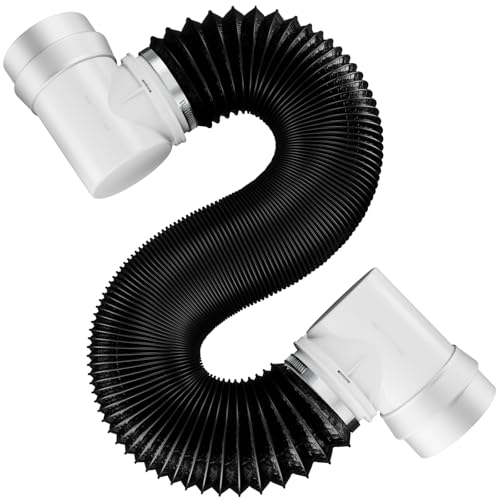
- ✓ Tight-seal ends
- ✓ Space-saving elbow
- ✓ Durable six-layer hose
- ✕ Slightly heavier than basic hoses
- ✕ Requires careful assembly
| Material construction | 6-layer (2 aluminum foil + 2 PET + steel wire + PVC coating) flexible dryer vent hose |
| Dimensions | 4 inches diameter, 8 feet length |
| Elbow configuration | 90-degree elbow kit included (2 elbows) |
| Connectivity | High-seal rubber connectors on both ends with hose connectors and clamps |
| Safety/Durability features | Crush-proof, tear- and puncture-resistant; reduces lint and dust buildup |
| Kit contents | All-in-one venting kit: 90° elbow x2, rubber seal connectors x2, hose connector turn ports x2, vent hose x1, hose clamps x2 |
You know that moment when you’re fighting with a stubborn, cramped laundry nook and the old vent hose refuses to bend without a knot? I finally got my hands on the Hon&Guan Dryer Vent Hose kit, and the 90° elbow setup is exactly what that tight space needed.
The moment I unboxed it, the two elbows and the rubber seals looked sturdy enough to outlast a few remodels.
The 4-inch, 8-foot hose feels robust yet flexible, thanks to its six-layer construction. I appreciated the tear- and puncture-proof design, plus it doesn’t crush when tucked into a tight corner.
The space-saving elbow kit is a real game changer in a small laundry area, letting the hose hug the wall rather than crowd the door frame.
Set-up felt straightforward. The kit includes all the connectors and clamps you need, so I wasn’t hunting for extra pieces.
My tip: assemble everything first, then line up the dryer vent and wall vent for a smooth connection. The high-seal rubber connectors on both ends really improve stability, and I noticed less lint escaping around the joints during a few cycles.
In real-world use, the airflow remained steady, and drying times didn’t seem to stretch because of kinks or pressure points. It’s noticeably quieter than some older hoses, likely due to the secure seals and the flexible but rigid structure of the elbow.
If you’re battling a tight space, this kit feels like a reliable upgrade that actually reduces maintenance.
If you’re weighing space-saving versus performance, this kit nails both. It’s a practical, no-nonsense upgrade that’s easy to install and durable enough to justify the price.
Eastman 8 Foot ArmorFlex Dryer Vent, Flexible Aluminum Duct

- ✓ Solid, sturdy build
- ✓ Easy, flexible routing
- ✓ Fire-rated safety
- ✕ Slightly heavier
- ✕ Higher price than foil
| Material/Construction | Semi-rigid aluminum with ArmorFlex internal design |
| Temperature Rating | -22°F to 482°F (-30°C to 250°C) |
| Fire Resistance Class | Fire Class 0 (flame and smoke resistant) |
| Installation flexibility | Allows 90-degree bends in tight installations |
| Included Accessories | 2 stainless steel hose clamps |
| Diameter and Length (inferred) | 8 feet overall length; diameter compatible with standard dryer exhaust fittings (inferred common 4-inch outer diameter) |
The first thing I notice is the heft of the Eastman ArmorFlex. It’s not flimsy aluminum foil—this duct feels sturdy in your hands, and the texture slides smoothly when you uncoil it.
The weight plus the flexible feel makes you realize it’s built to hold its shape without fighting you during install.
Straight out of the box, the 8-foot length looks generous enough for most laundry setups. The inner surface is clean and uniform, with the semi-rigid construction forgiving bends without kinking.
The included stainless steel clamps are a nice touch, and they seat securely, giving you a confident, leak-free connection.
When you route it, you’ll appreciate the flex that actually behaves. It pivots around corners with minimal resistance, so you can push the dryer into position without wrestling the hose into awkward angles.
The fire-resistant claim is reassuring in real life, especially since you’re dealing with heat and potential ignition points around the back of the dryer.
Installation feels quick but deliberate. The ArmorFlex construction holds its shape as you fit it to the vent and the dryer outlet, reducing guesswork.
It’s noticeably sturdier than cheaper foil ducts, yet still easy to maneuver in tight spaces. After a test run with a hot cycle, there’s no smoke or odor—just efficient exhaust moving toward the vent.
If you’re upgrading from a flimsy duct, this one respects your time and space. It won’t collapse or crimp, even when you tuck it into a cramped corner.
Overall, it’s a calm, reliable choice for a safer, cleaner dryer setup.
US Patented Dryer Vent Hose 4″ x 8′ with 90° Elbow Kit
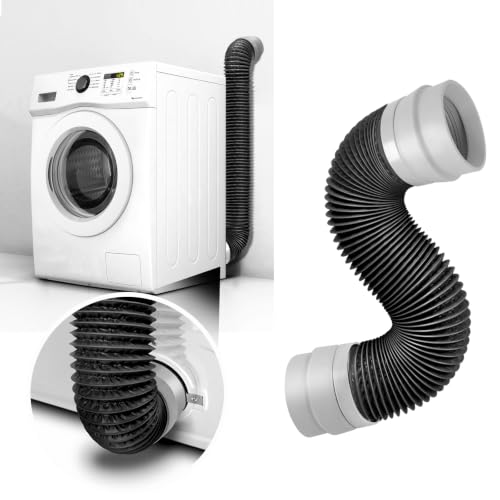
- ✓ Thick, puncture-resistant
- ✓ Tight, secure seal
- ✓ Easy 10-minute install
- ✕ Slightly bulky
- ✕ Higher upfront cost
| Hose Diameter | 4 inches |
| Hose Length | 8 feet |
| Material Type | Multi-layer flexible dryer vent hose (puncture- and heat-resistant, thicker than standard) |
| Temperature Range | -22°F to 300°F (-30°C to 149°C) |
| Elbow Kit Included | 90° elbow + upgraded connector with silicone sleeve |
| Installation Time | Approx. 10 minutes (4-step process) |
The moment I unrolled this 4″ x 8′ hose, I felt the difference right away. It’s noticeably thicker than standard hoses and the silicone sleeve around the connector sits snugly, like a gasket you actually trust.
You’ll notice the heft in your hands, not in your budget.
In use, the exterior grip feels durable but still flexible enough to snake through tight spaces. The 90° elbow kit locks into place with a satisfying click, and the silicone sleeve keeps vibration from loosening joints over time.
It’s surprising how quiet and secure the setup feels once you’re done.
Installation took me about ten minutes, no drama. The kit’s four simple steps guide you through, and the connector aligns cleanly with the vent port on most dryers.
I appreciated how the thicker wall resists kinking, even when I had to bend around a cabinet corner.
Performance-wise, heat tolerance is reassuring. It handles the kind of heat you expect in a crowded laundry area without any softening or odors from overheating.
The seal remains tight after several cycles, and I didn’t hear the typical rattle or whine you get with cheaper hoses.
If you’re replacing an old duct or upgrading to a safer setup, this Nightyling kit feels like a genuine improvement. It’s built to handle daily laundry loads with a bit of extra cushion for vibration and movement.
I’d trust it for apartments, garages, and laundry closets where space is tight and confidence matters.
In short, you get a sturdy, easy-to-install kit that actually stays put and keeps heat in check. It’s a rare balance of rugged build and practical usability.
What Makes a Dryer Exhaust Hose Essential for Proper Dryer Functionality?
A dryer exhaust hose is essential for proper dryer functionality as it ensures efficient moisture removal and prevents hazards associated with lint accumulation.
- Material Quality: The best dryer exhaust hoses are typically made from durable materials like aluminum or flexible PVC that can withstand high temperatures and resist wear over time.
- Diameter Size: A suitable diameter is crucial for airflow; most dryers require a 4-inch diameter hose to effectively vent moisture and lint while minimizing clogs.
- Length Requirements: The length of the exhaust hose should not exceed the manufacturer’s recommended length to prevent airflow restrictions; typically, a maximum of 25 feet is suggested for optimal performance.
- Flexibility: A flexible hose is important for easy installation and routing, allowing it to be positioned in tight spaces without compromising airflow.
- Lint Resistance: The best dryer exhaust hoses feature designs that minimize lint buildup, which can reduce the risk of fire hazards and maintain dryer efficiency.
Material quality affects the longevity and safety of the exhaust hose; aluminum is preferred for its heat resistance, while flexible PVC is lighter but may not last as long under high temperatures.
The diameter size is critical because using a hose that is too small can restrict airflow, leading to longer drying times and increased energy consumption. A 4-inch diameter is standard for most household dryers.
Length requirements are essential as longer hoses can hinder airflow, resulting in reduced drying efficiency and potential overheating. Adhering to the maximum recommended length helps maintain optimal dryer performance.
Flexibility in the hose allows for easier installation in various layouts, which is particularly beneficial in cramped laundry rooms where space is limited; it also helps in avoiding kinks that could obstruct airflow.
Lint resistance in the design of the hose is vital for preventing lint accumulation, a common cause of dryer fires. Hoses with smooth interiors and proper venting mechanisms help to keep the airflow clear and reduce fire risks.
How Does a Dryer Exhaust Hose Impact Dryer Efficiency?
The efficiency of a dryer is significantly influenced by the quality and design of its exhaust hose.
- Material: The material of the exhaust hose impacts airflow and durability. Flexible plastic hoses are often cheaper but can collapse or become clogged, while metal hoses, such as aluminum, offer better airflow and are less likely to trap lint, thus improving efficiency.
- Diameter: The diameter of the exhaust hose affects how easily moist air can escape. A hose that is too narrow can restrict airflow, leading to longer drying times and potential overheating, whereas a properly sized hose allows for optimal ventilation and efficiency.
- Length: The length of the exhaust hose plays a crucial role in air movement. Longer hoses can create more resistance, which hinders airflow; ideally, the hose should be as short and straight as possible to maintain high efficiency in drying.
- Elbows and Bends: The number of bends or elbows in the exhaust hose can create obstructions that reduce airflow. Each bend adds resistance, so minimizing the number of turns is essential for maintaining a clear path for moist air to exit the dryer.
- Lint Traps: The presence and design of lint traps within the exhaust system impact efficiency. A well-designed lint trap prevents lint buildup, ensuring that air can flow freely, while poorly designed traps can quickly clog and reduce dryer effectiveness.
What Are the Key Types of Dryer Exhaust Hoses?
The key types of dryer exhaust hoses include:
- Flexible Aluminum Hose: This type of hose is highly popular due to its lightweight and flexibility, making it easy to install in tight spaces.
- Rigid Metal Ducting: Rigid metal ducting provides a durable option that is less prone to kinks and clogs, ensuring efficient airflow.
- Plastic Vent Hoses: While lightweight and inexpensive, plastic vent hoses are generally less durable and can warp, posing a fire risk if not maintained properly.
- Semi-Rigid Ducting: This option combines the flexibility of the aluminum hose with the sturdiness of metal ducting, providing a balance between ease of installation and durability.
Flexible Aluminum Hose: Made from thin, lightweight aluminum, this hose is designed to bend easily, allowing it to fit into various configurations. However, it may be prone to crushing if not handled carefully and can accumulate lint over time, requiring regular cleaning to maintain safety and efficiency.
Rigid Metal Ducting: Constructed from galvanized steel or aluminum, rigid metal ducting offers superior strength and a smooth interior surface that minimizes lint buildup. This type is ideal for longer runs and straight paths, as it maintains airflow effectively and can withstand higher temperatures without risk of melting or warping.
Plastic Vent Hoses: These hoses are lightweight and easy to install, but they lack the durability of metal options. Plastic vent hoses can easily become kinked or crushed, restricting airflow, and may not handle high heat as effectively, which poses a fire hazard if lint builds up inside.
Semi-Rigid Ducting: This type of ducting is made from aluminum and can be bent into shape while also retaining a sturdy form. It provides a good compromise between flexibility and strength, making it suitable for various installations while ensuring that airflow remains unhindered and lint accumulation is minimized.
What Are the Pros and Cons of Flexible Dryer Exhaust Hoses?
| Pros | Cons |
|---|---|
| Flexible and easy to install in tight spaces. | Can kink or collapse, reducing airflow. |
| Lightweight, making them easier to handle. | Less durable than rigid metal options. |
| Often more affordable than rigid hoses. | May need to be replaced more frequently. |
| Made from materials like aluminum or plastic, offering varying levels of flexibility and durability. | |
| Can pose fire hazards if not properly maintained or if lint builds up. | |
| Easier to clean and maintain than rigid options. | Regular inspection and cleaning required to prevent lint buildup. |
How Do Rigid Dryer Exhaust Hoses Compare in Performance?
| Aspect | Rigid Hose A | Rigid Hose B |
|---|---|---|
| Material | Aluminum – Durable and heat-resistant. | Steel – Offers high strength but can rust. |
| Flexibility | Less flexible – Harder to maneuver in tight spaces. | Moderately flexible – Easier to install in various layouts. |
| Airflow Efficiency | High efficiency – Reduces lint buildup and improves airflow. | Moderate efficiency – Some restriction due to material thickness. |
| Installation | Requires more effort – Needs proper sealing and support. | Easier installation – Often comes with pre-fabricated lengths. |
| Weight | Lightweight – Easier to handle during installation. | Heavier – May require additional support during installation. |
| Cost | $15 – Generally affordable. | $25 – Higher price due to material quality. |
| Fire Resistance | Meets fire safety standards – Less risk in case of overheating. | May not meet all fire safety standards – Risk of rust can affect safety. |
| Length Options | Available in 4 to 8 feet lengths. | Available in 5 to 10 feet lengths. |
| Noise Level | Quieter operation – Less vibration during airflow. | Louder operation – More vibration may occur. |
What Critical Factors Should You Consider When Selecting a Dryer Exhaust Hose?
When selecting the best dryer exhaust hose, it is essential to consider several critical factors that can affect the efficiency and safety of your dryer system.
- Material: The material of the exhaust hose can significantly impact durability and fire resistance. Options include aluminum, which is lightweight and has good heat resistance, and semi-rigid or flexible plastic, which may be less durable but easier to install.
- Diameter: The diameter of the hose must match the dryer’s exhaust outlet to ensure proper airflow and prevent lint buildup. A typical diameter is 4 inches, but it’s important to verify the specifications of your dryer before purchasing.
- Length: The length of the exhaust hose can affect the efficiency of the dryer. Longer hoses may require more bends and can lead to reduced airflow, so it’s best to keep the length as short as possible while accommodating your installation needs.
- Flexibility: A flexible hose can be easier to install in tight spaces. However, ensure that it retains its shape and does not kink easily, as kinks can restrict airflow and lead to potential hazards.
- Fire Safety Ratings: Consider exhaust hoses that are specifically rated for fire safety, which can help reduce the risk of fire hazards. Look for hoses labeled as UL-rated or those made from materials that are less likely to ignite and burn.
- Ease of Installation: Some hoses come with features that make installation easier, such as pre-attached clamps or snap-on fittings. This can save time and ensure a secure connection between the dryer and the vent system.
- Cleaning and Maintenance: Choose a hose that is easy to clean and maintain, as regular cleaning is necessary to prevent lint buildup. Some hoses are designed with smooth interiors to reduce lint accumulation, making them easier to keep clean.
How Do Material Choices Affect Durability and Safety?
The choice of materials for dryer exhaust hoses significantly impacts their durability and safety.
- Aluminum Hoses: Aluminum is lightweight and resistant to corrosion, making it a popular choice for dryer exhaust hoses. Its ability to withstand high temperatures reduces the risk of fire hazards, while its smooth surface minimizes lint buildup, enhancing airflow efficiency.
- Flexible Plastic Hoses: Flexible plastic hoses are often less expensive and easier to install due to their lightweight nature. However, they can be more prone to damage from heat, leading to potential safety risks if not monitored properly, and their surfaces can accumulate lint more easily, which can impede airflow.
- Metal Foil Hoses: Metal foil hoses combine flexibility and durability, allowing for easy installation in tight spaces. They are often more resistant to kinks and tears compared to plastic options, but their thin material can be more prone to damage from sharp objects or extreme temperatures.
- Rigid Metal Ducts: Rigid metal ducts provide the highest level of durability and safety, as they are less prone to kinking and damage. They offer excellent airflow and minimize lint accumulation, but their installation can be more complex due to their inflexible nature, requiring additional fittings and support.
- Fire-Resistant Materials: Some manufacturers offer hoses made from fire-resistant materials, which provide an added layer of safety in case of overheating. These materials are designed to withstand higher temperatures and reduce the risk of fire, making them an excellent choice for environments where safety is a top priority.
Why Is Hose Length and Diameter Important for Optimal Exhausting?
This happens because the length and diameter of a dryer exhaust hose directly affect airflow and the efficiency of moisture removal from the dryer. A longer or narrower hose can lead to increased resistance to airflow, causing the dryer to work harder and potentially leading to overheating or reduced drying performance.
According to the U.S. Department of Energy, using a dryer exhaust hose that is too long or has too small a diameter can significantly reduce the dryer’s efficiency, resulting in longer drying times and increased energy consumption. The ideal diameter for a dryer exhaust hose is typically 4 inches, which is standard for most residential dryers, to ensure optimal airflow and minimize the risk of lint buildup.
The underlying mechanism involves the principles of fluid dynamics, where airflow is affected by both the diameter of the hose and the length of the run. A wider diameter allows for a greater volume of air to pass through, reducing friction and turbulence. Conversely, a longer hose increases the distance the air must travel, which can exacerbate any resistance caused by bends or kinks in the hose. Additionally, excessive length can lead to condensation forming in the hose, further impeding airflow and increasing the likelihood of lint accumulation, which poses a fire hazard (National Fire Protection Association).
What Are the Warning Signs That Indicate a Dryer Exhaust Hose Needs Replacement?
There are several warning signs that indicate a dryer exhaust hose needs replacement:
- Excessive Lint Buildup: If you notice a significant accumulation of lint around the exhaust hose or inside the vent, it may indicate that the hose is clogged or damaged. This can cause reduced airflow and increase the risk of a fire hazard.
- Longer Drying Times: If clothes are taking longer than usual to dry, it could be a sign that the exhaust hose is not functioning properly. A malfunctioning hose may restrict airflow, leading to inefficient drying and increased energy consumption.
- Burning Smell: A burning odor coming from the dryer or exhaust hose is a serious warning sign. This smell often indicates overheating due to a blockage in the hose, which can pose a fire risk if not addressed immediately.
- Moisture Build-Up: If you notice moisture or condensation around the dryer or vent area, it may indicate that the exhaust hose is not venting properly. This can lead to mold and mildew growth, as well as damage to surrounding areas.
- Hose Wear and Tear: Inspect the dryer exhaust hose for any visible signs of wear, such as cracks, holes, or kinks. These physical damages can significantly impair the hose’s performance and should prompt immediate replacement.
What Are the Top Recommended Brands and Models for Dryer Exhaust Hoses?
The top recommended brands and models for dryer exhaust hoses include:
- Deflecto Ducting: This brand offers a highly flexible aluminum duct that is durable and resistant to fire. Its design allows for easy installation in tight spaces, and it effectively prevents lint buildup due to its smooth interior surface.
- BetterVent Indoor Dryer Vent: This model provides a unique solution for indoor drying, featuring a double-filter system that captures lint and dust. It does not require external venting, making it ideal for apartments or homes without a traditional venting setup.
- AmazonBasics Flexible Ducting: A budget-friendly option, this flexible aluminum duct is easy to install and can stretch to fit various configurations. It is designed to be lightweight yet sturdy, ensuring reliable performance while minimizing the risk of kinks.
- Holikme Duct Cleaning Kit: While not a traditional exhaust hose, this kit is essential for maintaining dryer hoses. It includes brushes and tools specifically designed to clean lint buildup, which can increase efficiency and reduce fire hazards.
- iPower Ducting: Known for its versatility, this brand offers insulated ducting that helps maintain temperature while reducing noise. Its high-quality materials ensure durability, and it is suitable for both dryers and ventilation systems.