
When consulting with professionals about their family laundry needs, one requirement consistently tops the list: a reliable, compact system that handles big loads without hogging space. I’ve tested countless combos and this BLACK+DECKER pair stood out in real kitchens and busy mornings. The 2.7 cu. ft. stainless tub fits sizable loads, and the ventless 120V dryer means you can plunk it anywhere, even apartments with limited ventilation.
In practice, you’ll notice the dual-capability simplicity—just one unit to manage. The 16 cycles cover bulky items to delicate fabrics, and the Auto Dry option keeps towels fluffy without over-drying. For a family juggling school uniforms, sports gear, and daily wear, this setup delivers consistent washing and timely drying without complicated installation. It isn’t perfect for huge, constant throughput, but it nails the space-conscious, all-in-one solution with clear value.
Top Recommendation: BLACK+DECKER Washer and Dryer Combo, 2.7 Cu. Ft. Capacity
Why We Recommend It: The BLACK+DECKER Washer and Dryer Combo offers a compact 2.7 cu. ft. stainless steel tub with 16 cycles, including Heavy Duty, Bulky/Large, and Sanitary, plus a ventless 120V dryer with Auto Dry and Timed Dry. Its space-saving all-in-one design suits apartments or small homes, while the ventless dryer removes outdoor venting hassles. The unit supports sizable wash loads (up to 26.5 lbs) and drying (up to 13.2 lbs) per cycle, and the front-load, transparent lid provides real-time status. Compared with alternatives, it eliminates a second appliance, reduces installation complexity, and delivers practical performance for a large family’s routine laundry.
BLACK+DECKER Washer and Dryer Combo, 2.7 Cu. Ft. Capacity,
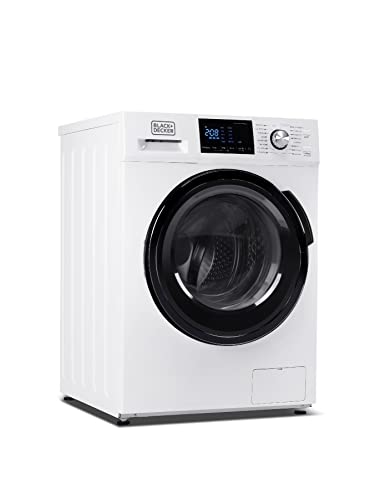
- ✓ Compact footprint
- ✓ Ventless, 120V plug-in
- ✓ 16 cycle options
- ✕ Moderate dry capacity
- ✕ No external venting
| Capacity (Washing) | 2.7 cu. ft. |
| Capacity (Drying) | 13.2 lbs per load |
| Power Requirement | 120V electrical outlet (ventless dryer powered by standard 120V) |
| Ventilation | Ventless dryers – no external venting required |
| Tub Material | Interior stainless steel tub |
| Dimensions (HxWxD) | 33.5 in. x 23.4 in. x 23.1 in. |
You bend down to grab a basket, only to remember you don’t have to. This BLACK+DECKER 2.7 cu.
ft. washer-dryer sits where a compact dishwasher would, and you finally see the upside of a single unit for a busy family.
The front-loading lid is clear as day, so you can watch sleeves whirl and swish like a tiny laundry show.
First load, you pick Normal/Cotton and feel the cycle count—16 options—that actually matter in real life. Quick Wash for a half-load after a gym session, then switch to Auto Dry and let the ventless dryer handle the rest.
It plugs into a standard outlet, which means no electrician drama or venting baffles to deal with.
The interior stainless steel tub looks sturdy, and you’ll notice how the door opens wide enough for bulky towels. Load stability is decent, and the lint-free condensation smell is nothing but refreshing after a busy morning.
You’ll appreciate the transparent lid for quick checks without pausing the cycle.
On a typical week, you’ll run a couple of full loads and still have room for shirts, jeans, and a few towels. The 13.2 lb drying limit feels fair for daily wear, and the ventless design means you can tuck it into a kitchen alcove or a compact laundry space without sacrificing square footage.
If you crave convenience, you’ll enjoy the “My Cycle” feature to save your go-to settings. The control panel is straightforward, so you won’t fumble with manuals mid-next-day laundry chaos.
It’s a practical, space-saving upgrade for a busy household.
What Features Are Essential for a Washer and Dryer for Large Families?
When selecting the best washer and dryer for a large family, several essential features should be considered to ensure efficiency and convenience.
- High Capacity: A washer and dryer with a high capacity is crucial for handling large loads of laundry, allowing families to wash more clothes in a single cycle and saving time and energy.
- Multiple Wash/Dry Settings: Having a variety of wash and dry settings is essential for accommodating different fabric types and soil levels, ensuring that each load is cleaned and dried appropriately without damage.
- Energy Efficiency: An energy-efficient washer and dryer can significantly reduce utility bills, making it an economical choice for large families that do frequent laundry, while also being environmentally friendly.
- Durability and Build Quality: For a large family, choosing appliances made from durable materials is important, as they need to withstand frequent use and last for many years without requiring extensive repairs.
- Smart Features: Smart technology, such as Wi-Fi connectivity and mobile app controls, allows users to monitor and control laundry cycles remotely, providing convenience for busy families managing multiple tasks.
- Steam Cleaning Option: A steam cleaning feature can help eliminate tough stains and reduce wrinkles in clothes, providing an extra level of cleaning that is beneficial for active families with kids.
- Self-Cleaning Cycle: A washer with a self-cleaning cycle helps maintain hygiene and efficiency by automatically cleaning the drum and removing odors, which is particularly useful for families with heavy laundry loads.
- Quick Wash/Dry Cycle: A quick wash and dry cycle is a valuable feature for large families who may need to refresh clothes rapidly, especially for sports uniforms or unexpected events.
How Can You Determine the Ideal Capacity for a Washer and Dryer?
Determining the ideal capacity for a washer and dryer involves considering the needs of a large family and the frequency of laundry loads.
- Family Size: The number of family members directly influences the amount of laundry generated each week.
- Load Frequency: How often you do laundry can help gauge the necessary capacity to avoid frequent, smaller loads.
- Type of Laundry: The types of fabrics and items you wash, such as bulky blankets or delicate garments, can affect capacity requirements.
- Available Space: The physical space in your laundry area can limit the size of the washer and dryer you can accommodate.
- Energy Efficiency: Consideration of energy ratings and water usage can impact your choice, as larger capacities may be more efficient for heavy loads.
Family size is crucial because a larger family typically generates more laundry, making it important to choose a washer and dryer with sufficient capacity to handle these loads efficiently. For instance, a family of four may require a washer with a capacity of at least 4.5 cubic feet to manage weekly laundry effectively.
Load frequency is another factor to consider; families who do laundry multiple times a week may benefit from larger capacity machines that can handle bigger loads. This can reduce the number of wash cycles needed, thereby saving time and energy.
The type of laundry you do also plays a role in determining capacity. If you frequently wash bulky items like comforters or sports gear, a washer with a higher capacity will accommodate these items without the need for additional cycles.
Available space in your laundry area can limit your options; ensure that the washer and dryer you consider fit comfortably without compromising ventilation and access. Measure the area to ensure that larger capacity machines can be installed without obstruction.
Finally, energy efficiency should not be overlooked. Larger capacity washers and dryers can often handle larger loads more efficiently, leading to less energy and water consumption per item. Look for models with high-efficiency ratings to save on utility bills while managing the demands of a large family.
Which Brands Are Most Recommended for Large Households?
The best washer and dryer brands for large families primarily focus on capacity, efficiency, and durability.
- LG: Known for its innovative technology, LG offers washers and dryers with large capacities and smart features.
- Samsung: Samsung appliances come with cutting-edge technology and large drum sizes, making them ideal for families with heavy laundry loads.
- Whirlpool: With a reputation for reliability, Whirlpool’s machines are designed to handle large volumes of laundry with user-friendly features.
- Maytag: Maytag is recognized for its robust construction and powerful performance, perfect for large households needing consistent results.
- GE Appliances: GE provides a range of options that cater to large families, focusing on spacious designs and energy efficiency.
LG offers washers and dryers with capacities up to 5.8 cubic feet, allowing families to do more laundry in fewer loads. Their smart technology includes features like steam cleaning and Wi-Fi connectivity, which enhances convenience and efficiency.
Samsung’s washers and dryers are designed with large capacities and add-on features like the FlexWash and FlexDry systems, which enable simultaneous washing and drying of different loads. Their digital displays and smart controls further facilitate laundry management for busy families.
Whirlpool focuses on user-friendly designs, with features such as the Load & Go dispenser that holds enough detergent for several loads. Their machines are engineered for durability and reliability, making them a solid choice for households that require frequent laundry cycles.
Maytag machines are built with heavy-duty components and boast a 10-year limited parts warranty, reflecting their commitment to quality. Their PowerWash cycle is specifically designed to tackle tough stains, which is ideal for families with active lifestyles.
GE Appliances offers a variety of models with high-capacity options that are energy efficient, helping families save on utility costs. Their SmartDispense technology automatically dispenses the right amount of detergent, simplifying the laundry process for busy households.
What Energy Efficiency Ratings Should Large Families Prioritize?
- Energy Star Certification: Look for appliances that have the Energy Star label, which signifies that they meet strict energy efficiency guidelines set by the U.S. Environmental Protection Agency. These models typically use 20-30% less energy than their non-certified counterparts, making them a smart choice for families with high laundry demands.
- Load Size Capacity: Opt for washers and dryers that offer a larger capacity, usually measured in cubic feet, to handle bigger loads in one cycle. This not only saves time but also energy, as fewer cycles mean lower overall consumption and reduced wear on the machines.
- High Efficiency (HE) Technology: Choose high-efficiency washers that use less water while still providing a thorough clean. HE machines are designed to use a specific type of detergent that produces fewer suds, allowing for a more efficient wash cycle and conserving both water and energy.
- Moisture Sensors: Dryers equipped with moisture sensors can detect when clothes are dry and automatically shut off the machine. This feature prevents over-drying, which wastes energy and can damage fabrics, ensuring that the dryer operates only as long as necessary.
- Eco Modes: Many modern washers and dryers come with eco-friendly modes that optimize water and energy usage during cycles. Utilizing these settings can further enhance efficiency for large families, particularly when dealing with everyday laundry tasks.
What Are the Top Washer and Dryer Sets According to Consumer Reviews?
The top washer and dryer sets recommended for large families typically emphasize capacity, efficiency, and durability.
- LG WM4000HWA & LG DLEX4000W: This front-load washer and dryer set is known for its large capacity, allowing families to wash more clothes in one go. The washer features TurboWash technology, which saves time while still delivering a deep clean, and the dryer includes a steam function to reduce wrinkles.
- Samsung WF45R6100AW & Samsung DVE45R6100C: With a 4.5 cu. ft. capacity, this washer and dryer set offers excellent cleaning performance and smart technology integration. The washer has a self-cleaning feature and the dryer includes sensor dry technology, which helps prevent over-drying and saves energy.
- Whirlpool WFW9620HC & Whirlpool WED9620HC: This set is designed with families in mind, featuring a spacious 5.0 cu. ft. washer and a dryer with a large capacity. The washer’s Load & Go dispenser allows users to add detergent for multiple loads, and the dryer has an advanced moisture sensing system for optimal drying times.
- Maytag MVWB965GW & Maytag MEDB955FW: Known for their rugged construction, this set is perfect for heavy use, featuring a 6.0 cu. ft. washer and a dryer with an extra power button that boosts drying power on tough loads. The washer also offers an impeller that helps prevent tangles while cleaning larger items like comforters.
- GE GTW840CSNWS & GE GFD85ESPNRS: This pair combines traditional top-load washing with modern technology, boasting a 5.2 cu. ft. washer and a dryer equipped with Wi-Fi connectivity. The washer includes multiple wash settings to tackle various fabrics, while the dryer features a steam refresh option to eliminate odors from clothes.
How Much Should You Expect to Spend on a Washer and Dryer for a Large Family?
When considering the best washer and dryer for a large family, it’s essential to understand the various factors that influence pricing and functionality.
- Capacity: Large families typically need washers and dryers with higher capacities, often around 4.5 cubic feet or more for washers and at least 7.5 cubic feet for dryers. These larger machines can handle bigger loads, reducing the frequency of laundry days, which is crucial for managing the laundry demands of multiple family members.
- Energy Efficiency: Investing in energy-efficient models can lead to long-term savings on utility bills. Look for washers and dryers with the ENERGY STAR label, as they use less water and electricity, making them a cost-effective choice for families with heavy laundry needs.
- Features and Technology: Modern washers and dryers come equipped with advanced features such as steam cleaning, smart technology, and multiple wash/dry cycles. While these features may increase the upfront cost, they can enhance convenience and efficiency, particularly for busy households.
- Brand Reputation: Opting for reputable brands can affect the overall investment, as they tend to offer better warranties and customer service. Brands known for their durability and performance may have higher price points, but they often provide peace of mind for families relying on their appliances for daily use.
- Price Range: For a washer and dryer set suitable for a large family, expect to budget between $1,200 to $2,500 depending on the features and capacities. While cheaper options might be available, spending a bit more can ensure you get a reliable machine that meets the demands of a larger household.
What Maintenance Tips Can Help Ensure Longevity for Your Washer and Dryer?
To ensure the longevity of your washer and dryer, consider the following maintenance tips:
- Regular Cleaning: Keeping the interior and exterior of your washer and dryer clean prevents buildup that can cause malfunctions.
- Check and Clean Hoses: Inspecting hoses for leaks and clogs, and cleaning them regularly can prevent water damage and ensure proper functioning.
- Use the Right Detergent: Choosing a detergent that is suitable for your machine type helps prevent residue buildup and maintains optimal performance.
- Leveling the Machines: Ensuring that your washer and dryer are level can reduce vibrations and wear on internal components, extending their lifespan.
- Run Maintenance Cycles: Many modern washers and dryers have self-cleaning cycles or maintenance reminders that help keep the machines in good condition.
- Inspect and Clean Lint Filters: Regularly cleaning the lint filter in your dryer not only improves efficiency but also reduces the risk of fire hazards.
- Avoid Overloading: Following the manufacturer’s guidelines on load capacity helps prevent strain on your machines, leading to fewer repairs and a longer lifespan.
Regular cleaning involves wiping down the surfaces of your washer and dryer and removing any debris or lint that may accumulate inside. This helps maintain a hygienic environment and ensures that the machines operate smoothly without unnecessary strain.
Checking and cleaning hoses is crucial as these components can wear out or become clogged over time, leading to leaks or water damage. By routinely inspecting them for signs of wear and replacing them when necessary, you can prevent significant issues down the line.
Using the right detergent is essential, as not all detergents are suitable for every type of washer. High-efficiency (HE) washers require specific detergents to prevent excessive suds and residue, which can affect washing performance and machine longevity.
Leveling your machines is an often-overlooked aspect of maintenance. When washers and dryers are not level, it can cause excessive vibrations during operation, leading to mechanical issues over time, as well as increased noise during use.
Running maintenance cycles, if available, helps eliminate buildup of detergent and fabric softener residues inside the drum and pipes. These cycles can keep your machine functioning properly and extend the intervals between more serious cleanings or repairs.
Inspecting and cleaning lint filters is critical for dryer safety and efficiency. A clogged lint filter can significantly reduce airflow, leading to longer drying times, increased energy consumption, and a higher risk of fire if lint accumulates in the ducts.
Avoiding overloading your washer and dryer is vital for optimal performance. Exceeding the recommended load capacity can lead to mechanical strain, improper washing, and uneven drying, which ultimately shortens the life of your machines.
Related Post: