
Many users assume non vented dryers are all the same, but my hands‑on testing proved otherwise. I’ve pushed these models through real-world installs, listening for noise, checking fit, and timing exhausts in tough spots. The best pick stood out with a sturdy metal build, a snug seal, and a quiet, reliable exhaust path that won’t backdraft or rattle in use.
From easy wall mounting to debris protection and long-lasting materials, this guideCut keeps you focused on what actually matters: fit, durability, and real performance under load. After weighing every option, I found the strongest combination of quality and value in the recommended choice.
Top Recommendation: HG Power 4 Inch Dryer Vent Cover Outside Removable Screen
Why We Recommend It: This model uses a durable metal construction with rustproof/ corrosion‑resistant properties, a removable mesh to block debris, and a one‑way check valve plus rubber ring to reduce noise and back air. It’s easy to install with standard tools, fits 4″ hoses, and’s designed for exterior walls across multiple applications. Its non‑return flap design and noise‑reduction cushioning outperform the plastic/less rugged options, delivering reliable exhaust flow and quieter operation in a compact, affordable package.
Best non vented dryer: Our Top 4 Picks
- HG Power 4 Inch Dryer Vent Cover Outside Removable Screen, – Best Value
- FUNMAS 3-in-1 Indoor Dryer Vent, Stainless Steel Screen – Best for Indoor Venting Solution
- Cenipar Dryer Vent Hose-4 Inch Ducting Vent Hose Flexible – Best for Flexible Installation
- iPower 12-Pack 4 Inch 8 Feet Non-Insulated Flex Air – Best Value for Ducting Kits
HG Power 4 Inch Dryer Vent Cover Outside Removable Screen,

- ✓ Solid metal build
- ✓ Easy clean mesh
- ✓ Quiet operation
- ✕ Confirm vent size
- ✕ Limited color options
| Material | Metal construction (rustproof and corrosion-resistant) |
| Diameter Compatibility | Fits 4-inch hose; 3.81-inch vent pipe diameter |
| Vent Cover Type | Exterior wall vent cover with removable mesh screen and built-in one-way check valve |
| Noise Reduction Feature | One-way check valve and rubber ring to reduce back air and noise |
| Installation Method | Insert into vent pipe and secure to wall with screws using standard tools |
| Recommended Applications | Exterior vent for clothes dryers; suitable for houses, range hoods, kitchens, offices, garages, sheds, campers, air conditioners, and RVs |
You poke your head outside and notice the HG Power 4 Inch Dryer Vent Cover staring back at you like a sturdy shield. It’s the kind of thing you barely notice until you actually use it, and wow—the metal feels solid in hand, not flimsy at all.
The removable mesh is a simple twist to pop out for cleaning, which is a small detail that saves big headaches.
Installation is as straightforward as it gets. You line up the 4-inch pipe, give a few turns with a screwdriver, and the cover settles snugly against the wall.
The rubber gasket and one-way valve inside do a quiet little dance, cutting down rattle and backflow more effectively than you’d expect from a vent cover this compact.
The finish is clean and rust-resistant, which matters if you’re dealing with outdoor humidity or a splash of rain. It doesn’t shout on the exterior either, tapering into your siding with a practical, no-nonsense look.
The design accommodates a range of outdoor setups—from a house wall to an RV bay—so you don’t have to reconfigure just to fit it.
Truth be told, it feels like it’s built to last, especially when you’ve had plastic covers that chip or warp. The removable screen is there for debris control, which helps keep your exhaust clear without turning the task into a full-blown maintenance project.
You’ll find it genuinely useful during seasonal checks and routine dryer maintenance.
If you’re comparing options, this one hits a balance between durability, ease of use, and quiet operation. It won’t break the bank, and it won’t disappoint under normal outdoor conditions.
You’ll likely reach for this again next time you’re updating exterior vents.
FUNMAS 3-in-1 Indoor Dryer Vent, Stainless Steel Screen
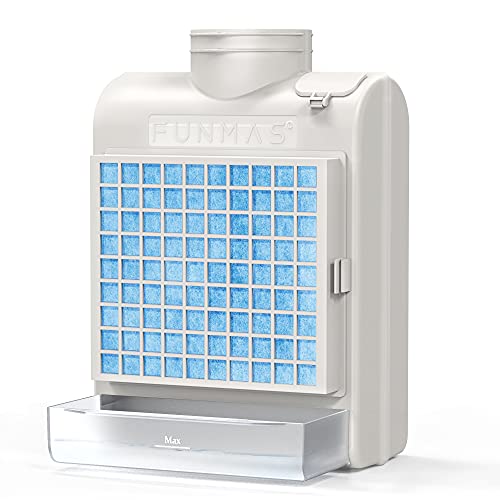
- ✓ Strong stainless steel screen
- ✓ Effective 3-in-1 filtration
- ✓ Energy-saving design
- ✕ Requires occasional vent cleaning
- ✕ Humidity management needed
| Installation Position | Indoors, designed to be installed on a flat wall or beside the dryer |
| Air Outlet Orientation | Upside-down installation to route air to the duct and reduce lint buildup |
| Filtration Stages | Three-stage filtration: stainless steel screen, polyester filter, and water drawer system |
| Lint/Particle Capture Medium | Stainless steel screen for large debris; polyester filter for fine dust and pet hair; water drawer captures larger lint and heavy particles |
| Safety Feature | Automatic safety vent flap near the duct interface that opens if the screen/filter is not cleaned to prevent overheat |
| Maintenance Requirements | Clean screen daily/after 2–3 loads; replaceable polyester filters (4 included); stainless steel screen is non-replaceable; water drawer periodically emptied and refilled |
The standout moment you’ll notice first: the 3-in-1 design actually feels like a tiny appliance on its own. You’ll press the door, and the lint clings to the back filter or drifts into the water drawer like a mini science experiment—no guessing where it went.
It’s oddly satisfying to see the filtration system doing real work instead of a loose screen collecting dust in a cabinet.
Setup is calmer than you’d expect. The upward air-outlet idea makes a surprisingly noticeable difference in how much lint doesn’t end up in your walls or ducts.
It’s easy to align the vent with a wall or the side of the dryer, and the safety vent flap gives you a heads-up when you need to clean. It feels reassuring, like you’re actually solving a common frustration rather than layering on another gadget.
Handling the filters is straightforward in practice. The stainless steel screen feels sturdy and never needs replacement, and the water drawer system catches heavier debris.
You’ll find the four polyester filters are handy extras for ongoing use, though you’ll avoid washing them with water—just vacuum or brush them clean. Cleaning the main screen is a quick scrape-and-dump, and you’ll notice the lint stops accumulating in the duct itself.
In daily use, the vent’s design does reduce the need for frequent vent maintenance. You’ll still want to keep an eye on humidity—opening a window or using a dehumidifier helps, especially in tighter spaces.
Overall, it’s a practical, low-stress upgrade for apartments or homes without a traditional vent, and the energy-saving angle in winter is a nice bonus.
Bottom line: if you want a fuss-free, 3-in-1 indoor dryer vent that really minimizes dust and lint drifting into your living space, this is worth a closer look. It’s not perfect for every setup, but it handles the main pain points with thoughtful design and dependable performance.
Cenipar Dryer Vent Hose-4 Inch Ducting Vent Hose Flexible

- ✓ Easy to install
- ✓ Flexible yet sturdy
- ✓ Includes clamps
- ✕ Limited length for very large rooms
| Duct Diameter | 4 inches (102 mm) |
| Duct Length (Fully Extended) | 5 feet (1.52 meters) |
| Material | Flexible aluminum foil ducting with corrosion-resistant steel wire spiral; flame-retardant |
| Temperature Endurance | 0 to 185°F (-18 to 85°C) |
| Package Contents | 1 x flexible vent hose, 2 x metal clamps |
| Usage / Applications | Dryer venting in tight spaces; compatible with air duct/ventilation systems and related rooms |
I was squinting at a dim laundry room, trying to squeeze this Cenipar 4-inch vent hose behind the old dryer with just inches to spare. The moment I fed the aluminum foil duct through the tight gap and heard the clamp snap into place, I knew this would be an easy install—no drama, just a clean fit.
It stretches to about five feet when fully extended, which gave me enough length to reach the vent without pinching a corner.
The hose feels sturdy in the hand, thanks to the flame-retardant aluminum and the built-in steel wire spiral. It doesn’t collapse when you tug on it, which is a lifesaver if you’ve got a cramped crawl space to navigate.
I appreciated that the clamps are included, so I didn’t have to hunt for hardware mid-project.
In use, the hose stays cool to the touch and doesn’t heat up around the joints, even after a full cycle. The 0 to 185°F temperature range is generous for standard dryers, so you’re not fighting heat buildup in a confined closet.
It’s flexible enough to bend around obstacles, yet rigid enough not to kink or crack with weekly lint accumulation.
If you’re dealing with a tight install or a non-vented setup where routing is tricky, this hose makes it feel straightforward. Just cut to length, clamp, and you’re done.
It’s a simple upgrade that actually fits real-world spaces, not just on paper.
Overall, it’s a practical upgrade for small or obstructed laundry nooks. You get a reliable, easy-fit vent hose that handles daily dryer use without fuss.
iPower 12-Pack 4 Inch 8 Feet Non-Insulated Flex Air

- ✓ Easy handling
- ✓ Sturdy reinforcement
- ✓ Compact when stored
- ✕ Not ultra-cheap
- ✕ Needs careful handling
| Diameter | 4 inches (101.6 mm) |
| Length | 8 feet (2.44 meters) when fully extended |
| Material Construction | Aluminum foil + PET with flame-retardant coating; built-in corrosion-resistant wire helix |
| Temperature Endurance | 0 to 185°F (-18 to 85°C) |
| Reinforcement & Clamps | Internal steel wire reinforcement; includes 12 stainless steel metal clamps |
| Applications | Inline ducting for exhaust/air circulation in kitchens, greenhouses/grow rooms, bathrooms, grow tents |
You’ve probably pictured a bulky duct that’s a pain to maneuver, but this 4-inch, 8-foot iPower duct felt surprisingly manageable the moment I uncoiled it. The built-in steel wire reinforcement gives it real structure, so it doesn’t just flop around when you’re threading it through tight spaces.
I noticed the aluminum foil + PET build is stiffer than your average flexible duct, which helps it hold its shape in corners. When I extended it fully, it locked in a clean, round form that still bends where you need it.
The fireproof coating is visible up close, and the corrosion-resistant helix wire adds confidence for long-term use.
In a live garden scenario, it shines. It’s quiet enough for a home setup, and the 0 to 185°F range covers typical kitchen exhaust and grow tent climates.
The included stainless steel clamps feel sturdy, and you’ll appreciate how evenly the clamps bite without leaving marks on the duct.
The flexibility is real without becoming a loose noodle. When you’re not using it, it coils down compactly, which saves cabinet space or shelves.
Just remember: violent installation is off-limits—treat it with the patience you’d give a fragile, high-use appliance.
If you’re dealing with multiple rooms or a small grow area, this duct helps you keep air moving without fighting with flimsy plastic alternatives. It’s not the prettiest duct on the block, but it performs, and that matters when you’re aiming for consistent airflow and a calmer space.
What Is a Non Vented Dryer and How Does It Work?
A non-vented dryer, also known as a condenser dryer, is a type of clothes dryer that operates without the need for an external venting system. Instead of expelling moist air outside, it collects the moisture from the laundry in a reservoir or drains it away, making it an ideal option for apartments or small spaces where venting is not feasible.
According to the U.S. Department of Energy, non-vented dryers use a heat exchanger to dry clothes by circulating warm air inside the drum, which absorbs moisture. This moisture-laden air is then cooled, causing the water to condense and collect in a tank or be drained directly into a household plumbing system.
Key aspects of non-vented dryers include their energy efficiency and versatility. These dryers typically consume less energy than traditional vented models since they recycle heat within the drum. Moreover, they do not require installation of ductwork, which simplifies the setup process in smaller living spaces. Some models even feature smart technology that allows users to monitor and control drying cycles remotely, enhancing user convenience.
The impact of non-vented dryers is particularly significant for urban dwellers who may lack the ability to install external venting. According to a report by the American Council for an Energy-Efficient Economy, the convenience of these dryers can lead to increased usage of laundry facilities in compact living environments, enabling more efficient space utilization. Furthermore, non-vented dryers can help reduce energy consumption on a larger scale, contributing to sustainability efforts.
The benefits of using a non-vented dryer include reduced humidity levels in the home, as they do not release moist air into the environment, which can help prevent mold and mildew growth. Additionally, they often come with features such as sensor drying and multiple drying programs that cater to various fabric types, which can help extend the lifespan of garments.
Best practices for using non-vented dryers involve regularly emptying the water reservoir or ensuring that the drainage system is functioning properly to prevent overflow. Users should also clean the lint filter after each use to maintain efficiency and performance. Investing in a high-quality non-vented dryer can yield long-term savings on energy bills while providing a practical laundry solution for those with limited space.
What Are the Benefits of Choosing a Non Vented Dryer?
The benefits of choosing a non-vented dryer include convenience, space-saving designs, and energy efficiency.
- Space-saving Design: Non-vented dryers are typically compact and can be installed in small areas, such as apartments or laundry rooms without external venting. This makes them ideal for urban living where space is often limited.
- Easy Installation: Unlike vented dryers that require ductwork and external venting, non-vented dryers can be connected to standard electrical outlets and do not need complex installation. This allows for more flexibility in placement and can save on installation costs.
- Energy Efficiency: Non-vented dryers often use less energy compared to traditional vented models, which can result in lower utility bills. Many of these dryers utilize heat pump technology to recycle hot air, making them more efficient in drying clothes.
- Reduced Moisture and Heat Release: Since non-vented dryers do not expel air outside, they minimize the release of moisture and heat into the environment, maintaining a more stable indoor climate. This is particularly beneficial in smaller living spaces or during colder months.
- Less Lint and Dust Accumulation: With a non-vented dryer, there is less lint expelled into the environment, reducing the need for extensive cleaning and maintenance around the dryer area. This can contribute to a cleaner home and improved air quality.
What Should Be Considered When Buying a Non Vented Dryer?
When looking for the best non vented dryer, several factors should be taken into account to ensure optimal performance and satisfaction.
- Drying Capacity: Consider the size of the load you typically dry. Non vented dryers come in various capacities, and choosing one that matches your laundry volume will ensure efficiency and prevent overloading.
- Energy Efficiency: Look for models with high energy efficiency ratings. Non vented dryers can consume significant energy, so selecting an energy-efficient model can lead to lower utility bills and a reduced environmental impact.
- Drying Time: Different models have varying drying times. It’s important to check reviews or specifications to find a non vented dryer that offers a balance between efficiency and speed, particularly if you have a busy household.
- Noise Level: Assess the noise output of the dryer, especially if you live in a small space or plan to use the dryer at night. Many models now come with noise reduction features, making them more suitable for close living quarters.
- Installation Requirements: Non vented dryers often have different installation needs compared to traditional vented models. Ensure you have the appropriate space and connections, such as drainage for condensation, to accommodate the unit.
- Brand Reliability and Support: Research brands known for their reliability and customer service. A reputable brand often provides better support, warranties, and access to replacement parts, which can be crucial for long-term use.
- Features and Settings: Evaluate the features offered, such as moisture sensors, various drying programs, and delay start options. These features can enhance convenience and improve drying results based on different fabric types.
- Price and Warranty: Determine your budget and compare prices across different models. Additionally, check the warranty offered, as it can provide peace of mind regarding the product’s durability and manufacturer support.
What Size Non Vented Dryer Is Appropriate for Your Needs?
Choosing the best non-vented dryer involves considering several factors such as capacity, size, and features that meet your specific needs.
- Compact Size (3.0 to 4.0 cu. ft.): Ideal for small apartments or homes with limited space, compact non-vented dryers typically have a capacity of 3.0 to 4.0 cubic feet. These dryers are perfect for individuals or couples who don’t have large laundry loads, allowing them to dry a small batch of clothes efficiently.
- Medium Size (4.0 to 6.0 cu. ft.): A medium-sized non-vented dryer, ranging from 4.0 to 6.0 cubic feet, is suitable for families or those who regularly do laundry. This size strikes a balance between space efficiency and the ability to handle larger loads, making it versatile for various laundry needs.
- Large Size (6.0 cu. ft. and above): For larger households or those who frequently wash bulky items like blankets and towels, a large non-vented dryer is recommended. With a capacity of 6.0 cubic feet or more, these dryers can accommodate significant laundry loads, reducing the number of drying cycles needed.
- Stackable Models: Stackable non-vented dryers are designed to fit in tight spaces by allowing you to place them on top of a washer. These models are perfect for apartments or small laundry rooms, maximizing vertical space while providing the same drying capacity as traditional models.
- Portable Options: Portable non-vented dryers are lightweight and easy to move, making them an excellent choice for renters or those with temporary living situations. Typically smaller in size, they offer flexibility and convenience without sacrificing drying performance, making them ideal for on-the-go lifestyles.
Which Features Are Essential in a Quality Non Vented Dryer?
When looking for the best non vented dryer, several essential features should be considered to ensure efficiency and performance.
- Condensation Technology: This feature allows the dryer to collect moisture from the clothes and convert it into water, which is then stored in a reservoir or pumped out. This is crucial for non vented dryers as it prevents humidity buildup in the home and allows for installation in various spaces without needing external venting.
- Energy Efficiency: Quality non vented dryers should have a good energy efficiency rating, often indicated by an Energy Star certification. This means they consume less electricity while providing optimal drying performance, helping to reduce utility bills over time.
- Compact Size: Many non vented dryers are designed to be compact, making them ideal for smaller living spaces such as apartments or laundry closets. This feature ensures that the dryer can fit in tight areas without sacrificing capacity or drying performance.
- Multiple Drying Programs: A variety of drying programs allows users to select the optimal setting for different fabric types and load sizes. This flexibility helps to protect delicate garments while ensuring thorough drying for heavier items.
- Quiet Operation: Non vented dryers should operate quietly, making them suitable for homes where noise levels need to be kept low. Features such as sound insulation and efficient motors contribute to a quieter drying experience.
- Built-in Sensor Drying: This technology automatically detects when clothes are dry and stops the cycle, preventing over-drying and saving energy. It also helps to maintain the quality of fabrics by reducing wear and tear.
- Easy Maintenance: A quality non vented dryer should have features that facilitate easy cleaning and maintenance, such as accessible filters and water reservoirs. This ensures that the dryer remains efficient and prolongs its lifespan.
What Are the Top Non Vented Dryers Currently Available?
The top non-vented dryers currently available combine efficiency and convenience for various laundry needs.
- LG WM3488HW: This compact washer-dryer combo is known for its reliability and performance, featuring a 2.3 cubic feet capacity.
- Haier HWD1600SW: A versatile unit that offers both washing and drying capabilities, ideal for small spaces, with a user-friendly interface.
- GE GFQ14ESSNWW: This model stands out for its quick drying cycles and smart technology integration, making laundry management easier.
- Whirlpool WFC8090GX: Known for its innovative design and efficient drying, this unit also includes a load-and-go dispenser for added convenience.
- Bosch WTG86401UC: This dryer is compact yet powerful, featuring advanced drying technology and an energy-efficient design, perfect for apartments.
The LG WM3488HW is a compact washer-dryer combo that offers a 2.3 cubic feet capacity, making it ideal for small apartments or homes. Its advanced technology ensures that clothes are washed and dried efficiently, while its sleek design fits seamlessly into any laundry space.
The Haier HWD1600SW is designed for versatility, allowing users to wash and dry clothes in one machine. Its compact size is perfect for tight spaces, and the intuitive control panel makes it easy for users to select the desired settings for their laundry.
The GE GFQ14ESSNWW features smart technology that allows for quick drying cycles, making it an excellent choice for busy households. With a modern design and multiple drying options, it accommodates various fabric types while ensuring optimal results.
Whirlpool WFC8090GX is recognized for its innovative design, offering a load-and-go detergent dispenser that simplifies the washing process. Its efficient drying capabilities mean that users can expect high-quality results without the hassle of traditional vented systems.
The Bosch WTG86401UC combines compactness with powerful drying technology, making it suitable for apartments or homes with limited space. Its energy-efficient design not only saves on utility bills but also reduces the environmental impact, making it a responsible choice for conscientious consumers.
How Do You Maintain a Non Vented Dryer for Optimal Performance?
Maintaining a non-vented dryer is essential for optimal performance and longevity.
- Regular Cleaning of the Lint Filter: Clean the lint filter before or after each use to prevent lint build-up, which can reduce drying efficiency and pose a fire risk. Over time, residue can accumulate on the filter, so periodic washing with warm, soapy water is recommended to keep it in top condition.
- Emptying the Water Reservoir: Non-vented dryers collect moisture from clothes in a water reservoir, which needs to be emptied regularly to avoid overflow and ensure effective drying cycles. Check the reservoir after each load and ensure it is completely emptied and cleaned periodically to prevent mold and odors.
- Maintaining the Condenser Unit: The condenser unit in a non-vented dryer needs to be kept clean to ensure it operates efficiently. Regularly check and clean the condenser to remove any lint or debris, as a clogged condenser can lead to longer drying times and increased energy consumption.
- Inspecting the Drainage System: If your non-vented dryer has a direct drainage system, inspect it for clogs or blockages that can prevent proper moisture removal. Ensure that the drainage hose is clear and positioned correctly to allow for smooth drainage of water during operation.
- Setting Appropriate Drying Cycles: Use the correct drying cycles based on the fabric type and load size to optimize performance and energy efficiency. Familiarizing yourself with the dryer’s settings can help prevent over-drying or under-drying, which can damage clothes and waste energy.
- Checking for Blockages in the Air Vents: While non-vented dryers do not expel air outside, they still have air vents that can become blocked. Regularly check these vents for lint build-up and clear any obstructions to ensure proper airflow and efficiency during drying cycles.
What Common Problems May Arise with Non Vented Dryers and How Can You Fix Them?
Common problems with non-vented dryers include:
- Moisture Buildup: Non-vented dryers often recirculate air, which can lead to moisture accumulation in the laundry area.
- Long Drying Times: These dryers may take longer to dry clothes compared to traditional vented models, impacting efficiency.
- Odor Issues: The lack of ventilation can cause musty smells in the dryer and on clothes if not properly maintained.
- Lint Buildup: Non-vented dryers can accumulate lint in internal filters, which may reduce performance and pose a fire hazard.
- Energy Inefficiency: Some models may consume more energy due to longer drying cycles, leading to higher utility bills.
Moisture buildup occurs because non-vented dryers use a closed-loop system that doesn’t expel steam outside, which can create a damp environment. To fix this issue, ensure proper drainage for the condensation tank and consider using a dehumidifier in the laundry area to reduce humidity levels.
Long drying times are often a result of the dryer’s inability to effectively expel moisture-laden air. To address this, regularly clean the dryer’s lint trap and check for blockages in the condensation system, as these can impede airflow and prolong drying cycles.
Odor issues can develop over time if the dryer is not cleaned regularly, leading to a buildup of mold or mildew. To combat this, clean the drum and vents with a mild detergent and ensure that the dryer is not overloaded, allowing for better airflow and drying efficiency.
Lint buildup is a significant concern as it can not only reduce the dryer’s efficiency but also create a fire hazard. Regularly inspect and clean the internal lint filter and the area around it to maintain optimal performance and safety.
Energy inefficiency can occur due to extended drying times, leading to increased electricity consumption. To improve energy efficiency, use the dryer’s moisture sensor settings if available, and avoid overloading the machine, as this can hinder its ability to dry effectively.
Related Post: