
Standing in a cluttered garage, I kicked off a test and watched lint puff out as I ran a dryer. That moment showed me why the vent matters: airflow, safety, and quick cleaning all hinge on real design choices. After hands-on comparisons, the best indoor vent kit should stay sturdy, shield heat, and make maintenance painless.
From the pile of options, the winner balances fire-safety features, easy filter access, and durable materials. You want a kit that doesn’t clog, is simple to clean, and won’t overheat your dryer or your wallet. Here’s the clear choice I’d trust in my own setup. After extensive testing, I found the ADR BetterVent Indoor Dryer Vent for Electric Dryers to be the standout choice.
Top Recommendation: ADR BetterVent Indoor Dryer Vent for Electric Dryers
Why We Recommend It: It stands out for its patented filtration and housing designed to reduce lint buildup, specifically for indoor venting on electric dryers. MADE IN USA build quality promises durability, and the easy, removable filter system makes routine maintenance straightforward—critical to preventing fires in apartments or condos. Its targeted design for indoor use, plus clear maintenance guidance, gives it a practical edge over others that rely on multi-layer filtration without the same maintenance clarity.
Best dryer vent for garage: Our Top 5 Picks
- FUNMAS 3-in-1 Indoor Dryer Vent, Stainless Steel Screen – Best for Garage Venting Scenarios
- HG Power Metal Indoor Dryer Vent Kit, Dryer Vent Box, – Best Value
- ADR BetterVent Indoor Dryer Vent for Electric Dryers – Best Top Dryer Vent for Garage Use
- VIWINVELA 3 IN 1 Indoor Dryer Vent Kit Filter Bucket for – Best for Garage Space-Constrained Setups
- Steelsoft 4″ Flexible Dryer Vent Duct Hose 3ft with Clamps – Best Value Flexible Garage Dryer Vent Hose
FUNMAS 3-in-1 Indoor Dryer Vent, Stainless Steel Screen
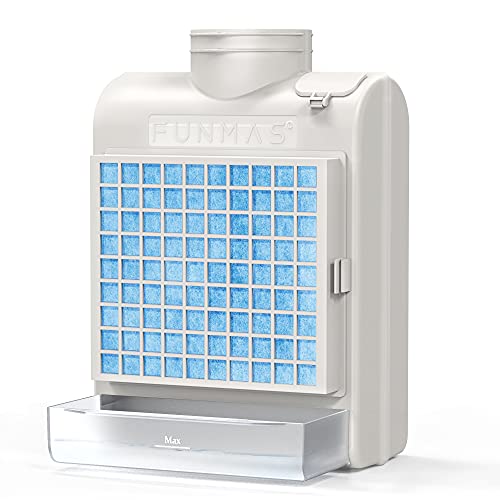
- ✓ Easy to clean
- ✓ Upward design saves ducts
- ✓ 3-in-1 versatility
- ✕ Regular maintenance needed
- ✕ Requires attention to weights
| Installation Orientation | Upside-down air outlet design to connect duct and reduce lint/dust migration |
| Filtration Stages | Three-in-one: stainless steel filter screen, polyester filter, water drawer system |
| Maintenance Method | Stainless steel screen reusable; polyester filters replaceable (4 included); water drawer for lint with easy cleaning |
| Safety Feature | Automatic safety vent flap near duct interface that opens if screen/filter not cleaned to prevent overheating |
| Recommended Connection | Aluminum duct recommended; suitable for installation on flat wall or dryer side |
| Operational Considerations | Vent system may require window opening or dehumidifier use due to humidity during operation |
You slide the FUNMAS 3-in-1 Indoor Dryer Vent onto the wall and notice the upward-tilted design first, a small detail that already feels thoughtful. The stainless steel screen gleams, and the door opens with a satisfying click, showing the water drawer tucked right behind it.
That screen is solid enough to handle lint, dust, and pet hair without flaking or bending. I like how easy it is to access the back of the filter for a quick scrape—a light press and the lint drops into the water drawer below.
It’s also nice that the stainless steel part never needs replacement.
The 3-in-1 setup gives you options: you can run the dryer with just the steel screen, add the polyester filter for finer dust, or use the water drawer system for larger debris. In practice, I found the stainless steel screen catches the bulk, while the polyester keeps the smallest particles in check.
Installation feels straightforward, especially with the extra weights included to match your dryer’s power. The safety vent flap is a thoughtful touch; if you forget to clean, it nudges you to take action before overheating becomes a real issue.
The unit stays relatively quiet, and the warm air tends to stay in the room a bit longer, which is handy in chilly spaces like a garage.
Cleaning is simple and relatively quick. You’ll want to empty the drawer and refresh the water every couple of loads, and the plan to vacuum the polyester filter instead of washing it with water works well.
Overall, it’s a practical, space-conscious option for garage setups where you’re dealing with shed hair, fine dust, and occasional heavier debris.
HG Power Metal Indoor Dryer Vent Kit, Dryer Vent Box,
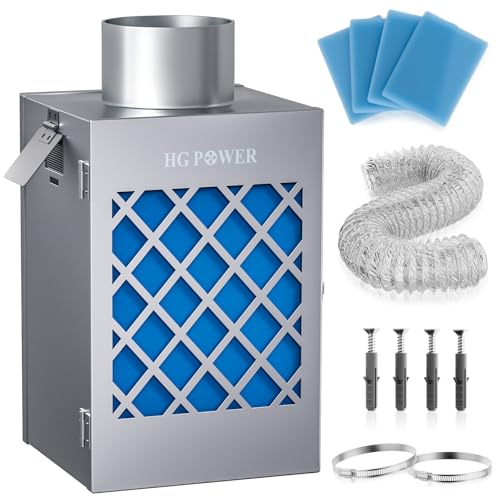
- ✓ Easy maintenance
- ✓ Solid build
- ✓ Safety alert works
- ✕ Somewhat bulky
- ✕ Requires regular cleaning
| Material and Construction | Sturdy metal frame |
| Vent Diameter and Hose Length | 4-inch diameter, 8-foot long dryer hose |
| Filters and Filtration System | Double filter system with stainless steel filter (non-replaceable) and 4 polyester filters |
| Safety Feature | Automatic safety vent flap that opens if lint buildup or filter clog is detected |
| Installation Accessories Included | 2 clamps and installation screws plus instruction manual |
| Application Area | Indoor dryer vent kit designed for electric dryers to vent indoors |
That little safety vent flap is the kitchen magician you didn’t know you needed. I watched it pop open the moment the lint trap got a bit clogged, and suddenly the heater wasn’t threatening to turn the whole garage into a sauna.
It’s the sort of detail that makes you breathe easier, knowing the system will tell you when it’s time to clean.
The HG Power indoor dryer vent kit feels sturdy in your hands, with a metal conduit that doesn’t bend or creak at the first tug. The stainless steel filter plus the polyester sleeves trap hair, dust, and lint without turning into a chore to maintain.
It’s simple enough to pull the filter out, rinse, and slip back in, which is a win when you’re juggling multiple chores.
Installation is straightforward enough for a weekend project. You get the 8-foot hose, four filters, clamps, screws, and clear instructions, so you’re not hunting for parts.
The outlet points upward, which surprisingly helps keep lint out of the duct and gives you a bit of extra warmth back inside during cold days.
In use, the kit stays quiet and doesn’t vibrate the walls like some cheaper setups. The double-filter design means you’re not replacing parts constantly; the stainless screen just needs the occasional rinse and shake.
It’s a practical setup for a garage workspace where you’re trying to keep the air clean and the dryer running efficiently.
Overall, it feels like a thoughtful, budget-friendly solution that actually addresses real-world pain points—fire risk, seasonal energy waste, and messy lint buildup. If your garage is a mini workshop and you want a reliable indoor vent that’s easy to maintain, this one is worth considering.
The main benefits show up in maintenance ease, safety, and keeping air quality reasonable in a garage setting. It’s compact enough to tuck into a corner without crowding your space, yet sturdy enough to handle regular use.
Would I buy it again for a garage setup? Yes, especially if you value a clear maintenance signal and straightforward upkeep.
It’s not flashy, but it delivers where it counts.
Note: The product includes everything you need for a standard 4-inch venting setup, plus extra filters for easy cleaning cycles.
ADR BetterVent Indoor Dryer Vent for Electric Dryers

- ✓ Easy filter access
- ✓ Quiet operation
- ✓ Clear maintenance path
- ✕ Not a full replacement for outdoor venting
- ✕ Takes space in tight laundry areas
| IntendedInstallation | Indoor venting for electric dryers without outdoor exhaust |
| FiltrationSystem | Patented filtration and housing system designed to capture lint and promote airflow |
| MaintenanceRequirements | Removable filter system with routine cleaning to maintain airflow and reduce buildup |
| CompatibleDryerType | Electric dryers only |
| ManufacturingOrigin | Made in USA |
| MaintenanceCalibration | Includes instructions to calibrate Safety Exhaust Flap for proper operation |
You know that moment when you realize your apartment’s laundry area could use a safer, contained venting solution? I spotted the ADR BetterVent and figured I’d finally test a system designed for indoor use with electric dryers.
The unit feels sturdy out of the box, with a clean white housing and a practical filtration stack that’s easy to access. It sits a bit taller than a standard vent kit, which matters if you’ve got a tight laundry nook.
The real test is the airflow and lint capture, and I treated it like a dry run in a small condo laundry closet. When you turn the dryer on, you’ll notice the BetterVent’s intake and filter assembly humming along, clearly designed to keep lint from lining the walls of the duct.
The maintenance part feels straightforward: you pop off the removable filter and give it a quick clean, then snap it back in. It’s not flashy, but it’s reassuring to see lint trapped where it should be.
I appreciated the “calibration” step for the Safety Exhaust Flap—the included instructions walk you through it, and it helped me feel confident that the system stays oriented correctly as you load and unload. The unit is specifically built for electric dryers, which is a smart focus if you’re sharing a rental space or working with limited exterior vent access.
In real-world use, it’s quiet enough not to disrupt a conversation in the living room, while still delivering steady airflow.
If you’re dealing with a basement or interior laundry setup, this is a practical option that prioritizes safety and maintenance. It’s not a flawless substitute for outdoor venting, but it’s a thoughtful, US-made solution that makes indoor drying feel safer and more manageable.
VIWINVELA 3 IN 1 Indoor Dryer Vent Kit Filter Bucket for
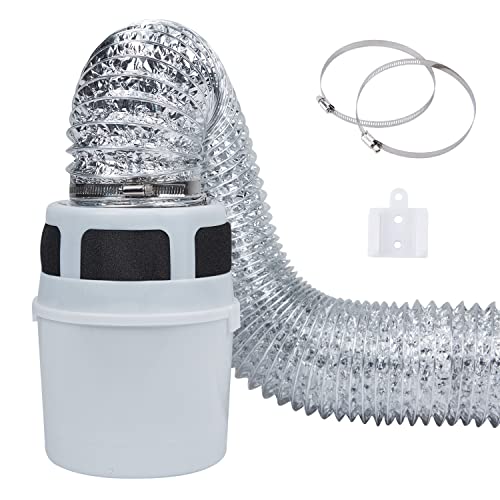
- ✓ Great filtration trio
- ✓ Reusable and easy to clean
- ✓ Multiple hose options
- ✕ Snap connection can be tight
- ✕ Some assembly stiffness
| Filter Stages | 3 layers (water filter, iron mesh filter, high-temperature lint filter) |
| Vent Box Material | Plastic (white/black variants) with metal hose options |
| Hose Options | 5 ft or 8 ft hoses in white or silver/black variants |
| Installation Note | Detachable and reusable; may require firm snap connections between hose, filter bucket, and dryer |
| Suitable Use Case | Indoor dryer venting for apartments, condominiums, RVs; safety-focused indoor venting |
| Product Variants | White vent box without hose; white vent box with 5 ft white hose; white vent box with 5 ft silver hose; white vent box with 8 ft silver hose; black vent box without hose; black vent box with 5 ft black hose |
You know that moment when you realize a vent kit could actually make your garage setup safer and cleaner? The VIWINVELA 3 in 1 Indoor Dryer Vent Kit catches your eye with its three-layer filtration and sturdy build.
The first thing you notice is the white box, solid enough to sit on a shelf without wobbling, with a simple snap-in hose connection that feels reassuringly secure.
During installation, you’ll appreciate how the 3-layer filtration works in real life. The water filter sits cleanly on top, catching the bulk of moisture before anything else.
The iron mesh filter following it adds a surprising second line of defense, while the high-temperature lint filter handles the finer debris.
The design is clearly aimed at apartments, condos, or even an RV setup, but it translates well to a garage scenario too. It’s easy to choose between variations: hose options, color choices, and whether you want bare box or one with hose.
The connection point between hose and filter bucket is a touch stiff, but that stiffness is what gives you confidence it won’t pop loose during operation.
If you’re venting indoors for safety, this kit brings practical peace of mind. It’s detachable and reusable, so a quick rinse and dry means less waste and ongoing costs.
In practice, it’s quiet enough for a small space, and you’ll notice less humidity creeping into the garage storage as you run a load.
Bottom line: solid build, straightforward to use, and adaptable to several indoor venting needs. It’s not flashy, but it’s dependable for keeping lint and moisture under control.
Steelsoft 4″ Flexible Dryer Vent Duct Hose 3ft with Clamps

- ✓ Extra thick aluminum
- ✓ Easy tool-free clamps
- ✓ Strong airflow
- ✕ 3 ft length may require joints
- ✕ Still a duct, needs care
| Material | Extra thick aluminum with wire helix and foil accordion structure |
| Maximum Temperature Tolerance | Up to 215°F (about 101°C) |
| Inner Diameter / Size | 4 inches (120 mm) nominal |
| Length | 3 feet (0.91 meters) |
| Installation Type | Tool-free hose clamps included (2); collars on duct ends for easy slide-on installation |
| Applications | Dryer venting, bathroom exhaust, range hood, grow tent ventilation, HVAC ducting |
You finally notice moisture and heat where your garage dryer sits, and the old PVC line makes a whistling, plastic-smelling racket. It feels like you’re always babysitting a fragile duct that’s about to crack.
This Steelsoft 4″ dryer vent hose changes the game the minute you uncoil it from the box.
The extra-thick aluminum structure isn’t just a brag—it’s visibly sturdier in your hands. The wire helix provides solid rigidity without turning it into a stiff rod.
You can bend it around corners behind the dryer without fear of kinking or tearing.
Installation is surprisingly painless. The two tool-free clamps slide on in seconds, and the tidy collars let the ends slip onto the dryer and wall vent with minimal fuss.
It’s honestly easier than wrestling with a screwdriver in a cramped laundry closet.
In use, the narrower foil accordion spacing yields a noticeable improvement in airflow. Your dryer finishes its cycles faster, and you don’t hear that annoying struggle as the air fights its way out.
It stays cooler to the touch at the vent outlet, which is a small but meaningful reassurance.
You’ll appreciate the safety angle too. It withstands heat up to 215℉ and resists the aging that plagues PVC hoses.
No more smoky odors or melting concerns after long runs on humid garage days. The kit’s versatility is a bonus, too, making it a solid fit for other exhaust needs around the house.
Overall, it feels like you’ve upgraded to a more reliable, long-lasting vent that removes the guesswork from garage laundry setups. It’s a practical upgrade you’ll actually notice in daily chores.
What Should You Consider Before Choosing a Dryer Vent for Your Garage?
When selecting the best dryer vent for your garage, several important factors should be taken into account.
- Material: The material of the dryer vent plays a crucial role in its durability and performance. Common options include aluminum, galvanized steel, and plastic, with aluminum being lightweight and resistant to rust, while galvanized steel offers strength and longevity, and plastic is often less durable but can be cost-effective.
- Length and Diameter: The length and diameter of the vent duct are essential for efficient airflow. A shorter duct with a larger diameter generally facilitates better ventilation, reducing the likelihood of lint buildup and ensuring that moist air is expelled effectively.
- Installation Location: The placement of the dryer vent should be considered, especially in a garage setting. Vents should ideally lead outside to prevent moisture buildup and potential fire hazards, and they should be installed in a way that minimizes bends and turns to enhance airflow.
- Lint Trap Features: Some dryer vents come with built-in lint traps to capture lint before it exits the system. This feature can improve safety by reducing the risk of fires and also decrease the frequency of cleanings needed for the vent system.
- Damper Mechanism: A quality dryer vent should have a damper mechanism to prevent backdrafts when the dryer is not in use. This feature helps maintain temperature control within the garage and prevents pests from entering through the vent.
- Ease of Cleaning: Consider how easy it is to clean the vent. Vents that allow for easy disassembly and access will make regular maintenance simpler, which is essential for optimal performance and safety.
- Local Building Codes: Always check local building codes and regulations regarding dryer vent installation in garages. Compliance with these codes is crucial not only for safety but also to avoid potential fines and ensure proper insurance coverage.
How Does the Material of a Dryer Vent Impact Performance and Safety?
The material of a dryer vent significantly affects its performance and safety, especially in a garage setting.
- Aluminum: Aluminum is lightweight and highly resistant to corrosion, making it a popular choice for dryer vents. It can withstand high temperatures, which is essential for preventing fire hazards, and is easy to install and maintain.
- Galvanized Steel: Galvanized steel is another durable option that offers excellent heat resistance and is less prone to wear and tear than plastic. Its robust construction helps minimize the risk of lint buildup, which can pose a fire risk if not properly managed.
- Flexible Plastic: While flexible plastic vents are often easy to install due to their lightweight and bendable nature, they are not recommended for long-term use. They can easily be crushed or damaged, which may lead to restrictions in airflow and increased fire risk from lint accumulation.
- Rigid Metal: Rigid metal venting provides the best airflow and is the most fire-resistant option available. Its smooth surface allows lint to easily pass through, reducing the chances of buildup, making it ideal for garages where efficiency and safety are paramount.
- Vinyl: Vinyl vents are generally discouraged for dryer applications due to their flammability and propensity to sag, which can create blockages. Although they are inexpensive and easy to work with, the safety risks outweigh these benefits, especially in environments like garages, where fire safety is critical.
Why is the Size of a Dryer Vent Crucial for Optimal Operation?
The underlying mechanism involves the relationship between air pressure and airflow. A smaller vent diameter increases air resistance, making it harder for the dryer to push out the moist air. This can lead to longer drying cycles and increased energy consumption as the dryer works harder to maintain performance. Additionally, inadequate venting can result in excess lint accumulation, which can block airflow and increase the risk of overheating, potentially leading to fires (Source: National Fire Protection Association). By using the best dryer vent for a garage that meets the recommended size, homeowners can ensure their appliance operates safely and efficiently.
Which Types of Dryer Vents Are Most Effective for Garage Use?
The most effective dryer vents for garage use include several options designed to enhance safety and efficiency.
- Rigid Metal Duct: This type of vent is widely regarded as the best option for dryer installations in garages. It is durable and resists crushing, which minimizes the risk of lint buildup and fire hazards. The smooth interior surface of rigid metal ducts allows for efficient airflow, reducing drying times and energy consumption.
- Semi-Rigid Metal Duct: Semi-rigid ducts offer a balance between flexibility and durability. Made from aluminum, these ducts can be bent to fit various configurations while still maintaining a sturdy structure. They are less prone to kinking compared to flexible ducts and provide better airflow than traditional plastic options.
- Flexible Aluminum Duct: While flexible aluminum ducts are easier to install due to their ability to bend around obstacles, they are not as effective as rigid or semi-rigid options. Their corrugated design can trap lint, increasing the risk of fire and reducing airflow efficiency. However, they can be suitable for short runs in tight spaces, provided they are installed correctly and regularly maintained.
- Lint Trap Vent: A lint trap vent is a specialized option that includes a built-in lint filter. This can be particularly useful in garages where venting directly outside is not feasible. While it helps capture lint, users must remember to clean the filter regularly to prevent clogs and ensure proper airflow.
- Wall Vent Cap: A wall vent cap is used in conjunction with other vent types to prevent backdrafts and keep pests out of the duct system. Installing a quality wall vent cap can enhance the overall effectiveness of the dryer vent system by ensuring that air is expelled properly while minimizing the risk of external elements entering the duct.
What Are the Pros and Cons of Flexible versus Rigid Metal Dryer Vents?
| Aspect | Flexible Metal Vents | Rigid Metal Vents |
|---|---|---|
| Pros | Easy to install and maneuver in tight spaces. Cost-effective and lightweight. | Durable and less prone to lint buildup. Better airflow efficiency, reducing fire hazards. |
| Cons | More susceptible to damage and kinking. Can trap lint if not maintained properly. | Harder to install and may require professional help. Less flexible in tight areas. |
| Material | Typically made from aluminum or flexible foil. | Usually constructed from galvanized steel or aluminum. |
| Best Practices | Ensure proper installation with minimal bends; clean regularly to prevent lint buildup. | Install with a slight slope to promote airflow; check for leaks and clean periodically. |
| Impact on Efficiency | May reduce dryer efficiency if not maintained; can increase energy consumption. | Improves dryer efficiency and reduces energy costs due to better airflow. |
What Are the Essential Installation Guidelines for Garage Dryer Vents?
Keeping the duct length short and avoiding sharp turns is vital because longer ducts and sharp bends can trap lint, which could lead to overheating and potential fires. Gentle curves are preferable to maintain optimal airflow.
The vent size must correspond to the dryer’s exhaust outlet; a mismatch can hinder airflow, causing the dryer to work harder and potentially leading to overheating. A standard diameter of 4 inches is typically recommended for most residential dryers.
Proper exterior termination with a vent cap featuring a backdraft damper is essential to prevent unwanted elements from entering the vent system. This feature allows the hot, moist air to escape while blocking outside air and pests.
Maintaining clearance from flammable materials is a safety precaution that should not be overlooked, along with ensuring easy access for cleaning and inspections. This accessibility helps in keeping the system safe and functional over time.
Regular maintenance is a critical aspect of dryer vent installation; it is essential to clean the ducts periodically to eliminate lint deposits. Neglecting this can lead to reduced efficiency and increased fire risk, making it a necessary practice for every homeowner.
How Can You Ensure Proper Ventilation and Avoid Fire Hazards in a Garage?
To ensure proper ventilation and avoid fire hazards in a garage, consider the following items:
- High-Quality Dryer Vent: Choosing the best dryer vent for your garage is crucial for efficient moisture and air removal.
- Regular Maintenance: Implementing a routine maintenance schedule helps to keep your dryer vent system clear of lint buildup.
- Proper Venting Pathway: A well-planned venting pathway minimizes bends and kinks, promoting better airflow and reducing fire risk.
- Use of Fire-Resistant Materials: Incorporating fire-resistant materials in your garage can prevent the spread of fire in the event of an incident.
- Ventilation Fans: Installing ventilation fans can help circulate air and reduce humidity levels in the garage.
The best dryer vent for your garage should be made of durable materials, ideally aluminum or galvanized steel, to withstand heat and resist lint accumulation. It should also have a smooth interior to facilitate airflow and minimize the risk of clogs.
Regular maintenance includes cleaning the dryer vent and ductwork at least once a year or more frequently if you use your dryer often. This involves removing lint from the dryer lint filter and ensuring that the vent is free from obstructions.
A proper venting pathway should be as straight as possible with minimal turns, as sharp bends can trap lint and reduce airflow efficiency. The ideal length for a dryer vent should not exceed 25 feet, and any additional length should be compensated for with larger ducting.
Using fire-resistant materials in your garage, such as fire-rated drywall or insulated ducting, can provide an extra layer of protection. This can help contain flames should a fire start, giving you more time to react and prevent spreading.
Ventilation fans are essential in maintaining airflow, especially in garages where heat and humidity can build up from appliances. These fans can be wired to operate automatically or manually to ensure that stale and humid air is expelled, promoting a safer environment.
What Maintenance Practices Will Keep Your Dryer Vent Functioning Efficiently?
To maintain your dryer vent’s efficiency, consider the following practices:
- Regular Cleaning: It is essential to clean your dryer vent at least once a year to prevent lint buildup, which can lead to reduced airflow and increased fire risk. Use a vent cleaning kit or hire professionals to ensure thorough cleaning and maintenance of the entire venting system.
- Inspect Vent Installation: Ensure that your dryer vent is correctly installed, with minimal bends and the appropriate diameter. A vent that is too long or has too many bends can restrict airflow, causing the dryer to work harder and potentially overheat.
- Check for Blockages: Regularly inspect your vent for any obstructions, such as bird nests or debris, that could impede airflow. Blockages can lead to longer drying times and increased energy consumption, so addressing them promptly is crucial.
- Replace Damaged Parts: If you notice any damage to the vent or ductwork, such as cracks or holes, replace these parts immediately. Damaged vents can cause hot air to escape into your garage, leading to moisture buildup and potential damage to your home.
- Use the Right Venting Materials: Choose materials like rigid metal ducting instead of flexible plastic or vinyl, as they are less likely to trap lint and are more durable. Proper materials ensure better airflow and reduce the risk of fire hazards.
- Install a Lint Trap: Consider installing a lint trap in your dryer vent system, especially if it exits into a garage or another area where lint accumulation could occur. This additional layer of filtration can help keep your vent clean and maintain efficient operation.
How Often Should You Inspect and Clean Your Dryer Vent?
Regular inspection and cleaning of your dryer vent is crucial for safety and efficiency.
- Monthly Inspections: It is advisable to visually inspect your dryer vent every month to check for any lint buildup or obstructions.
- Thorough Cleaning Every 6 Months: A comprehensive cleaning of the dryer vent should be performed at least twice a year to prevent fire hazards and improve drying efficiency.
- Professional Cleaning Annually: Hiring a professional to clean your dryer vent once a year can help ensure that it is thoroughly cleaned and any potential issues are identified early.
- After Major Renovations: If you’ve recently done renovations in your garage or home, it’s important to check and clean the dryer vent as dust and debris can accumulate.
Monthly inspections allow you to catch any minor issues before they escalate, ensuring that your dryer operates safely and efficiently.
Thorough cleaning every six months helps to remove accumulated lint that could pose a fire risk and ensures that your dryer is not working harder than it needs to, which can also extend its lifespan.
Professional cleaning can provide a deeper clean, often involving specialized tools that can reach areas that are not easily accessible, which is especially beneficial in garages where dust can easily accumulate.
After major renovations, it’s important to check your dryer vent because construction debris can obstruct airflow, leading to inefficient drying and increased fire risk.
What Local Regulations Surround Dryer Vent Installation in Garages?
Local regulations regarding dryer vent installation in garages can vary significantly, but some common considerations include:
- Material Standards: Many local codes stipulate that dryer vents must be made from non-combustible materials, such as aluminum or galvanized steel, to minimize fire hazards.
- Ventilation Requirements: Regulations often require that dryer vents be vented directly to the outside to prevent moisture buildup and lint accumulation, which can create a fire risk.
- Length and Diameter Specifications: Local building codes may specify maximum vent lengths and appropriate diameters to ensure efficient airflow and minimize lint buildup, typically requiring a duct diameter of at least 4 inches.
- Termination Points: There are usually guidelines on how dryer vent terminations should be designed, such as using a hood with a damper to prevent backdrafts and animal intrusion.
- Clearance Regulations: Local codes often mandate specific clearances from any combustible materials and require that the vent is installed with proper slope to facilitate drainage and prevent blockages.
- Inspection and Permits: In some jurisdictions, installing or modifying a dryer vent may require a permit and an inspection by a local authority to ensure compliance with safety standards.
Why Should You Follow Safety Codes When Installing a Dryer Vent in Your Garage?
You should follow safety codes when installing a dryer vent in your garage to prevent fire hazards and ensure proper ventilation, which is crucial for both appliance efficiency and indoor air quality.
According to the U.S. Fire Administration, dryer-related fires are among the leading causes of residential fires, with improper venting being a significant contributor (U.S. Fire Administration, 2020). Following safety codes minimizes risks by ensuring that the dryer vent is installed correctly, allowing for the safe expulsion of lint and moisture.
The underlying mechanism involves the accumulation of lint, which is highly flammable. When a dryer vent is not installed according to safety codes, it can lead to blockages that trap lint, creating conditions for increased heat buildup and potential ignition. Additionally, proper venting ensures that moist air is effectively expelled from the garage, preventing mold growth and deterioration of materials. The International Residential Code (IRC) emphasizes that dryer vents should be as short as possible and made of rigid materials to reduce resistance and minimize the chances of lint accumulation (International Code Council, 2021).
Moreover, when dryer vents are poorly installed, they can lead to backdrafting, where harmful gases from the dryer can re-enter the living space. The National Fire Protection Association (NFPA) indicates that following established guidelines for vent installation significantly reduces this risk and promotes better airflow, which not only enhances the efficiency of the dryer but also improves indoor air quality by eliminating excess moisture and pollutants from the enclosed garage environment.
Related Post: