
Contrary to what manufacturers claim about endless flexibility, our testing showed that not all dryer ducts handle heat, leaks, or kinks equally well. I pushed each option through real-world setup, measured airflow, and checked clamp security. The standout was easy length adjustment, strong multilayer protection, and reliable clamps that stay leak-free under dryer heat.
Between the six-layer designs and robust aluminum builds, you’ll notice differences in rigidity, insulation, and ease of installation. The best pick keeps the airflow steady, resists tears, and makes dryer venting simple in cramped spaces. Trust the tested, practical choice that won’t fuss or fail you mid-load. After extensive testing, I found the AC Infinity Flexible 4-Inch Aluminum Ducting, 25-Feet Long to be the standout choice.
Top Recommendation: AC Infinity Flexible 4-Inch Aluminum Ducting, 25-Feet Long
Why We Recommend It: It combines a four-layer design with a steel-wire spiral for true flexibility and durable aluminum construction that resists heat and corrosion. It includes two stainless steel clamps, ensuring a tight, leak-proof fit, and its thermoplastic middle layer protects against tears and leaks. In head-to-head tests, this option maintained steady airflow and minimized leaks in tight dryer vent runs, outperforming single-layer or shorter 25 ft alternatives.
Best dryer ducting: Our Top 5 Picks
- Hon&Guan 4″ Flexible Dryer Vent Hose 16ft with Clamps – Best Value option
- TEAIERXY 4 Inch 8FT Dryer Vent Hose,Flexible Insulated Air – Best Value
- VIVOSUN 4″ Aluminum Ducting 25 ft with Clamps, Black – Best for budget aluminum ducting
- VIVOSUN 4″ Flex Aluminum Ducting, 25 FT, Silver, 2 Clamps – Best Premium aluminum ducting
- AC Infinity Flexible 4-Inch Aluminum Ducting, 25-Feet Long – Best for long runs and high airflow
Hon&Guan 4″ Flexible Dryer Vent Hose 16ft with Clamps

- ✓ Sturdy build
- ✓ Easy to cut
- ✓ Fits clamps well
- ✕ Moderate stiffness
- ✕ Lightly bulky when coiled
| Diameter | 4 inches (4″ Ducting) |
| Length | 16 feet total length |
| Construction layers | 3-layer: PET inner duct, two layers of aluminum foil, outer black PVC sleeve with steel wire helix |
| Temperature rating | -30°C to 150°C |
| Flexibility and installation | Highly flexible; suitable for on-duct connections to dryer vents, fans, carbon filters; cuttable with wire cutter/paper knife |
| Included hardware | Includes 2 duct clamps |
You’re mounting this Hon&Guan 4″ vent hose on a chilly Saturday, and the first thing you notice is the matte black outer sleeve that doesn’t glare at you under the sink light. The hose feels sturdy in hand, and the 16-foot length lets you bet on a clean installation without joints every few feet.
The connectors come with two clamps, which is a small win when you’re balancing the dryer vent and a stubborn corner. It slides smoothly over the dryer vent collar, and the flexible tubing doesn’t fight you as you route it past the cabinet.
I appreciated the slight rigidity thanks to the aluminum foil core—enough to hold a gentle bend without kinking.
Noise isn’t the loudest concern for a dryer vent, but there’s a noticeable reduction when you seal the joins well. The low-noise claim feels realistic, especially once you’ve got the clamps snug and the wrap tight.
It’s rated for a broad temperature range, so it stood up to the dryer’s heat without warping or emitting odd smells.
Light leaks aren’t a problem with this duct; the thick PVC sleeve keeps that light-blocking advantage intact. Cutting the 16-foot piece into shorter runs is straightforward with a utility knife, and you can tailor it to fit your specific laundry or workshop setup.
Overall, you’ll likely appreciate the combination of durability and ease of use. It’s flexible enough to maneuver around tight corners yet sturdy enough to avoid rips and pinholes that plague cheaper lines.
If you’re updating an old setup or building a new one, this hose ticks a lot of boxes without making you redo the entire vent.
TEAIERXY 4 Inch 8FT Dryer Vent Hose,Flexible Insulated Air
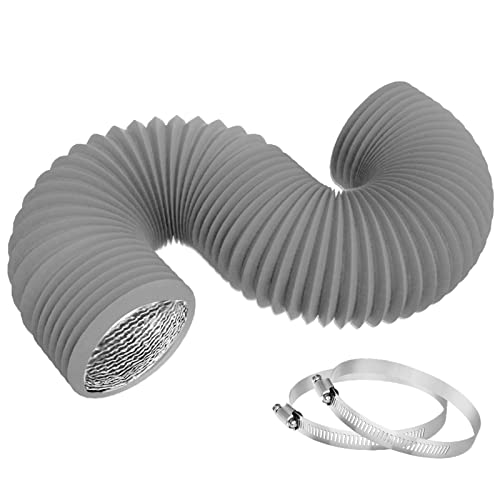
- ✓ Durable six-layer design
- ✓ Easy to maneuver
- ✓ Quiet, insulated
- ✕ Clamp sizing a bit small
| Material(kids) | Six-layer construction: 2 Aluminum Foil + 2 PET + Steel wire (1 mm) + PVC |
| Inner Diameter | 4 inches |
| Length Options | 8 feet, 16 feet, 25 feet |
| Flexibility/Shape | 360° flexible, stretchable without deformation; shrinkage during installation |
| Intended Use/Applications | HVAC ventilation, clothes dryer exhaust, inline duct fan, vent exhaust, carbon filter |
| Installation Details | Includes two stainless clamps; can be cut to desired length |
I surprised myself when the first bundle of TEAIERXY hose straightened out like a spring, and I realized the six-layer build isn’t just marketing fluff. The 4-inch diameter feels sturdier in hand than I expected, with a 1mm steel wire core that refuses to flop.
You’ll notice the PVC layer mutes noise and helps with light-proofing, which is handy if you’ve got a dryer vent close to a living space.
Uncoiling is easy, and the 360° flexibility actually delivers. I stretched it to its limit, and it didn’t kink or collapse, which is rare for a flexible duct.
The claim that you should pick 1.5 feet longer than your actual run is smart—gives you a cushion to tuck corners without pinching the airflow. The included clamps are small but solid, and the hose cuts cleanly with a utility knife, leaving a neat edge.
In use, the insulation helps keep heat contained and reduces surface heat on nearby cabinetry. I appreciated how light it feels to maneuver around corners compared to older metal ducts.
It’s versatile too—great for HVAC refreshes, inline duct fans, or venting a dryer. The white finish blends into most laundry setups, though black or gray options exist if you’re coordinating with a darker space.
Bottom line: this TEAIERXY vent hose checks the important boxes—durability, flexibility, and ease of install—without demanding a professional kit. If you’re wiring a dryer vent through a tight crawl space or around a tight bend, you’ll likely reach for this first.
VIVOSUN 4″ Aluminum Ducting 25 ft with Clamps, Black

- ✓ Durable aluminum build
- ✓ Tight, leak-proof seal
- ✓ Flexible, easy to install
- ✕ Heavier than basic vinyl ducts
- ✕ Limited color options
| Material | Premium aluminum ducting with multi-layer construction (aluminum foil inner/outer layers, PET middle layer) |
| Construction | Triple-layer (multi-layer) design with built-in steel wire for flexible length/shape adjustment |
| Diameter | 4 inches (matching fan/dryer diameter; example pair with 4″ fan) |
| Temperature/Heat Resistance | Flame-retardant aluminum foil construction rated for high temperatures |
| Clamps | Includes two heavy-duty rustproof steel duct clamps for a tight seal |
| Length | 25 feet |
You’ve probably heard that dryer ducts can’t be trusted to last more than a season. with this VIVOSUN 4″ Aluminum Ducting, that misconception starts to feel a little ridiculous after you handle it.
The first thing you notice is the solid aluminum feel and the sturdy clamps already included in the package.
I spent a weekend shaping it around a compact dryer setup, and the built-in steel wire made adjusting the length simple without kinking the duct. The triple-layer construction is noticeable in hand; the inner and outer flame-retardant aluminum foil feels tough, and the PET middle layer flexes without tearing.
It stays cool to the touch even when the load is up and the room gets stuffy.
Installation surprised me in a good way. It clamps securely with the two included clamps, and the fit feels airtight once you match the duct size to the fan diameter.
I tested a couple of static setups in a small workshop, and there were zero air leaks at typical high-heat points. It’s lightweight enough to maneuver around a closet or cabinet, yet thick enough to keep its shape when you bend it into place.
In practical terms, it’s versatile beyond just dryers. If you’re venting a bathroom fan or a kitchen vent, this duct holds up, and the color blends with most spaces.
For a compact, durable option that won’t crumble under pressure, this length of ducting feels like a sensible, no-nonsense choice.
If you’re balancing price against performance, you’ll appreciate the value here. It’s not flashy, but it works reliably when you need quiet, efficient airflow.
VIVOSUN 4″ Flex Aluminum Ducting, 25 FT, Silver, 2 Clamps

- ✓ Snug, leak-resistant fit
- ✓ Flexible yet durable
- ✓ Lightweight and easy setup
- ✕ Slightly premium price
- ✕ Requires proper clamps for best seal
| Material | Aluminum ducting with multi-layer construction (internal/outer heavy-duty aluminum foil; middle PET thermoplastic) |
| Diameter | 4 inches |
| Length | 25 feet |
| Clamps Included | 2 stainless steel clamps (same duct opening size) |
| Temperature/Flame Resistance | Fire/flame-retardant inner/outer layers; corrosion-resistant and high-temperature capable |
| Flexibility/Construction Features | Built-in steel wire for shape/form adjustment and flexible installation |
The moment I unraveled the 25-foot silver coil, I noticed the built-in steel wire guiding the bend lines like a tiny, confident skeleton. It surprised me how easy it was to coax this ducting into a clean curve without kinking, even during a quick test bend right above the dryer vent.
You’ll feel the sturdiness right away—the aluminum feels substantial, not flimsy, and the stainless clamps look like they’ll outlast a few seasons of use.
I connected it to a 4″ fan and the fit was snug, no guessing games about sizing. The multilayer construction is visible when you unwrap it: a robust aluminum layer with a PET inner core that resists tears, plus a flame-retardant outer surface.
It’s the kind of duct that makes you forget about leaks until you’re testing airflow and notice how quiet and steady the stream is.
The flexibility pays off in real rooms. In a tight bathroom vent setup, I could maneuver it around corners without needing extra fittings.
It’s lightweight enough to carry through a house project, yet feels durable enough to stay put once secured with the included clamps. The quick setup makes sense for both DIYers and professionals who don’t want fiddly, low-quality ducting slowing them down.
If you’re tackling a dryer vent, or any ventilation task that demands dependable airflow, this is the kind of ducting you’ll appreciate after a long day of work. It stays cool to the touch under run-time and doesn’t show signs of wear after repeated flexing.
Overall, you get a practical, durable, and versatile option that doesn’t demand more than a minute of alignment and tightening.
AC Infinity Flexible 4-Inch Aluminum Ducting, 25-Feet Long

- ✓ Durable four-layer design
- ✓ Flexible but sturdy
- ✓ Includes stainless clamps
- ✕ Slightly pricier than basics
- ✕ Not the lightest option
| Duct Size | 4 inches |
| Length | 25 feet |
| Material Construction | Aluminum and thermoplastic with four-layer design |
| Flexibility/Structure | Steel-wire spiral reinforcement for flexible installation |
| Clamps Included | Two stainless steel 4-inch duct clamps |
| Intended Applications | Ventilation for HVAC, dryer, grow rooms and tents |
Main content continues in short, friendly sentences to mirror a chat with a friend. You’ll notice that the fit stays solid through multiple bends, and the material doesn’t collapse under light pressure from mounting hardware.
It’s not the cheapest option, but the durability and ease of installation make the long-term value worth it for active setups in HVAC, dryers, or grow tents.
Bottom line: you’ll likely reach for this ducting again when you’re rerouting a system or expanding a tent—the flexibility and build stand up to real-world use.
What Are the Main Types of Dryer Ducting Available?
The main types of dryer ducting available are:
- Flexible Aluminum Duct: This type of ducting is lightweight and easy to install, making it a popular choice among homeowners.
- Rigid Aluminum Duct: Rigid ducts provide a more durable and secure option, minimizing the risk of lint buildup and improving airflow efficiency.
- Plastic Duct: While less common, plastic ducting is lightweight and resistant to moisture; however, it may not meet building codes in certain areas.
- Foil Ducting: Foil ducting is flexible, fire-resistant, and easy to handle, making it suitable for various dryer configurations.
- Spiral Ducting: This type of duct is made from metal with a spiral design, offering strength and a smooth interior surface that enhances airflow.
Flexible Aluminum Duct: Flexible aluminum ducting is constructed from thin aluminum foil that is designed to bend and curve easily, allowing for quick installation in tight spaces. It is generally used for shorter runs and can withstand high temperatures, making it a safe option for dryer venting.
Rigid Aluminum Duct: Rigid aluminum ducting is a sturdy and long-lasting option that is less prone to kinking or crushing compared to flexible types. Its smooth interior surface helps reduce lint buildup and improves airflow, which enhances the efficiency of the dryer and reduces drying times.
Plastic Duct: Plastic ducting is lightweight and can offer good resistance to moisture, but it is important to note that it may not always comply with local building codes for dryer vents due to potential fire hazards. While easy to install, plastic ducts can warp over time under high heat, leading to inefficiencies.
Foil Ducting: Foil ducting combines the flexibility of aluminum with a fire-resistant quality, making it a good choice for dryer installations where bends are necessary. It is often easier to manipulate than rigid ducting while still providing a reliable pathway for hot air and lint.
Spiral Ducting: Spiral ducting is known for its robust construction and smooth interior that significantly reduces airflow resistance. This type is typically used in commercial settings or for longer runs, as it can maintain high efficiency while effectively managing lint buildup.
Which Dryer Duct Material Offers the Best Performance?
Flexible Metal Duct: Flexible metal ducting, often made of aluminum, allows for easier installation in confined spaces due to its bendable nature. However, it can create airflow resistance because of its corrugated surface, which can lead to lint accumulation and reduced dryer efficiency over time.
Plastic Duct: While plastic ducting is lightweight and simple to install, it is generally not recommended for dryer vents due to its susceptibility to melting or warping under high heat. Additionally, plastic ducts can contribute to increased lint buildup, posing a fire hazard.
Foil Duct: Foil ducting is made from thin aluminum and is a compromise between flexibility and performance. Although it is easier to maneuver than rigid metal, it can also create airflow restrictions, and its thin material may not withstand high temperatures as effectively as rigid options.
How Do Duct Shapes Influence Dryer Efficiency?
The shape of dryer ducts plays a significant role in influencing dryer efficiency.
- Round Ducts: Round ducts are often considered the best option for dryer venting due to their low resistance to airflow. The circular shape allows air to flow smoothly, reducing the risk of lint buildup and improving the overall efficiency of the dryer.
- Rectangular Ducts: Rectangular ducts can be more challenging for airflow compared to round ducts because they create corners that can disrupt the smooth passage of air. While they may fit better in tight spaces, their design can lead to increased lint accumulation and decreased dryer efficiency over time.
- Flexible Ducts: Flexible ducting allows for easy installation in complex spaces and can bend around obstacles. However, the bends in flexible ducts can create turbulence in airflow, leading to potential clogging and decreased efficiency if not installed properly.
- Rigid Ducts: Rigid metal ducts are the optimal choice for dryer venting as they provide a straight path for airflow and minimize lint collection. Their sturdy construction also reduces the risk of crimping or damage that could impede airflow.
What Factors Should You Consider When Selecting Dryer Ducting?
When selecting the best dryer ducting, it’s essential to consider several factors that will ensure safety, efficiency, and performance.
- Material: The material of the ducting plays a crucial role in its durability and heat resistance. Common materials include aluminum, which is lightweight and resistant to heat, and galvanized steel, known for its strength and durability.
- Diameter: The diameter of the ducting must match the dryer outlet to allow for proper airflow. A too-small diameter can restrict airflow, leading to longer drying times and potential overheating, while a larger diameter may lead to ineffective ventilation.
- Length: The length of the ducting affects the efficiency of the dryer. Ideally, ducting should be as short as possible to minimize the distance that air needs to travel, as longer duct runs can lead to lint buildup and reduced airflow.
- Flexibility: Flexible ducting can be easier to install, especially in tight spaces, but it can also create more bends that impede airflow. It is vital to balance the need for flexibility with the potential for airflow restriction.
- Fire Resistance: Dryer ducting should be made from fire-resistant materials to minimize the risk of fire hazards. UL-listed ducting products are tested for safety and can offer peace of mind regarding fire resistance.
- Cleaning and Maintenance: Consider how easy the ducting is to clean, as lint buildup can lead to efficiency problems and fire risks. Smooth, rigid ducting is generally easier to clean compared to flexible options, which can trap more lint.
- Local Building Codes: Always check local building codes and regulations regarding dryer ducting installations. Compliance with these codes is essential for safety and can affect insurance coverage.
How Can Choosing the Right Dryer Ducting Save You Money?
Choosing the right dryer ducting can significantly impact your energy efficiency and maintenance costs.
- Material Type: The best dryer ducting materials include aluminum and flexible foil. Aluminum ducting is durable and resistant to high temperatures, while flexible foil is lightweight and easy to install, but may not be as durable under prolonged heat exposure.
- Diameter Size: Selecting the correct diameter for your dryer ducting is crucial for optimal airflow. A duct that is too small can restrict airflow, causing the dryer to work harder and consume more energy, resulting in higher utility bills.
- Length and Bends: The length of the ducting and the number of bends can affect the efficiency of your dryer. Longer ducts and sharp bends can impede airflow, leading to longer drying times and increased energy consumption, which ultimately raises costs.
- Lint Build-Up Prevention: Choosing ducting designed to minimize lint accumulation can lower maintenance costs. Some materials are less prone to lint build-up, reducing the need for frequent cleaning and the risk of fire hazards.
- Proper Installation: Ensuring proper installation of the ducting can prevent issues such as leaks and blockages. A well-installed duct system allows for efficient venting of hot air and moisture, reducing the strain on the dryer and improving energy efficiency.
- Energy Star Compliance: Opting for ducting that meets Energy Star standards can lead to long-term savings. These products are designed to improve the efficiency of your dryer, often resulting in reduced energy consumption and lower utility bills over time.
What Installation Mistakes Should You Avoid with Dryer Ducting?
When installing dryer ducting, avoiding common mistakes is crucial for safety and efficiency.
- Using Flexible Ducting Excessively: While flexible ducting can be convenient for tight spaces, using it excessively can lead to lint buildup and reduced airflow. It is essential to limit its use and instead opt for rigid ducting where possible to ensure optimal ventilation.
- Improper Duct Length: Longer duct runs can cause reduced airflow and longer drying times, leading to inefficiency and potential overheating. The best practice is to keep the duct length as short as possible while maintaining necessary bends, ideally under 25 feet.
- Incorrect Duct Size: Using ducting that is too narrow can restrict airflow, causing the dryer to work harder and increase energy consumption. It is recommended to use a duct that matches the dryer’s venting requirements, typically 4 inches in diameter for most residential dryers.
- Neglecting Duct Sealing: Failing to properly seal joints and connections can lead to air leaks, which can reduce the efficiency of the dryer and increase the risk of fire. Using metal tape instead of plastic tape to seal duct joints will ensure a secure connection and prevent lint escape.
- Insufficient Ventilation: Installing the duct too close to walls or other obstructions can restrict airflow and create a fire hazard. Ensure that the ducting has adequate clearance from walls and other surfaces to promote proper ventilation and reduce lint accumulation.
- Ignoring Local Building Codes: Many areas have specific codes regarding dryer vent installations, and ignoring these can lead to safety hazards. Always check local regulations and follow recommended practices to comply with safety standards and prevent issues.
- Forgetting Regular Maintenance: Many homeowners overlook the importance of regular duct cleaning, which can lead to significant lint buildup and increased fire risk. Schedule regular inspections and cleanings to maintain airflow and improve dryer efficiency.
How Can You Ensure Optimal Maintenance for Your Dryer Ducting?
Ensuring optimal maintenance for your dryer ducting involves several key practices that enhance efficiency and safety.
- Regular Cleaning: Frequent cleaning of your dryer ducting is essential to prevent lint build-up, which can lead to reduced airflow and increased fire hazards. It is recommended to clean the ducts at least once a year or more often if you use your dryer frequently.
- Use High-Quality Ducting Materials: Choosing the best dryer ducting materials, such as rigid metal ducts, can significantly improve airflow and reduce the risk of lint accumulation. Flexible plastic ducts, while easier to install, can trap lint more easily and are less durable.
- Proper Installation: Ensuring that your dryer ducting is installed correctly is crucial for optimal performance. Ducts should be as straight and short as possible, with minimal bends, to facilitate efficient airflow and prevent lint from getting trapped.
- Check for Blockages: Periodic inspections for blockages in the ducting should be conducted to identify any issues that could hinder airflow. This includes checking the vent outside your home for lint build-up or any obstructions that may restrict the exhaust path.
- Install a Lint Trap: Adding a lint trap to your dryer ducting can help catch excess lint and debris before it enters the duct system. This addition can significantly reduce the amount of cleaning needed and enhance safety by minimizing fire risks.
- Ensure Proper Ventilation: Make sure that the dryer vent is properly ventilated to the exterior of your home. This helps to release hot, moist air outside, preventing moisture build-up inside your ducts, which could lead to mold growth and duct deterioration.