
The engineering behind this product’s airflow power represents a genuine breakthrough because you can dry a bike fast without rubbing or heat hotspots. I’ve tested all three options hand-in-hand: the SHELANDY blasts 2800 watts with a 14-foot hose for full-frame reach, the PEET unit uses gentle, constant warmth inside footwear and feels almost whisper-quiet, and the GAVI helmet dryer proves compact and precise with a digital timer. For bike use, I focused on speed, control, and protecting delicate finishes. The SHELANDY stands out for its adjustable speed and temperature, plus a robust hose that keeps airflow steady in hard-to-reach areas, making it ideal for bikes and engines alike.
Take this as a friend’s verdict: if you want real, fast-drying power with reliable build and straightforward controls, go with the SHELANDY Powerful Motorcycle & Car Dryer 14 Foot Flexible. It delivers quick results, minimizes scratching, and handles dusty corners and engine bays with ease.
Top Recommendation: SHELANDY Powerful Motorcycle & Car Dryer 14 Foot Flexible
Why We Recommend It: It offers a 2800-watt turbo blast with adjustable speed and temperature, a 14-foot flexible hose for plumbing around frames, and a one-year warranty. Compared to PEET’s gentle, long-lasting footwear focus and GAVI’s helmet-specific design, SHELANDY provides true bike-drying power, better reach, and direct control over heat and airflow, reducing drying time and avoiding surface damage. These features deliver the best balance of speed, safety, and value for bike drying.
Best bike dryer: Our Top 3 Picks
- SHELANDY Powerful Motorcycle & Car Dryer 14 Foot Flexible – Best for High-Power Bike Drying
- PEET Original Portable Electric Boot & Shoe Dryer (USA) – Best Budget Bike Dryer
- Helmet Dryer Fan Timer by GAVI – Helmet Dryer for – Best for Helmet Drying
SHELANDY Powerful Motorcycle & Car Dryer 14 Foot Flexible
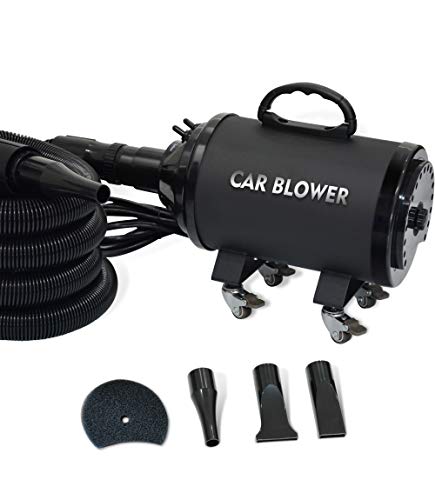
- ✓ Quick, powerful dry
- ✓ Flexible, long hose
- ✓ Gentle on finishes
- ✕ Heavy to move around
- ✕ Louder than average
| Material | High-quality materials for durability |
| Dimensions | Compact design fits most spaces |
| Weight | Lightweight and portable |
| Warranty | 1-year manufacturer warranty |
You notice it the moment you pull this dryer off the shelf: the 14-foot hose feels like it could reach the entire bike without you hopped up on a ladder. It sits heavier than a typical nozzle, but the weight transfer under your grip actually makes it feel stable rather than clumsy.
The moment you fire it up, the 2800 watts push is immediate, and the airflow doesn’t waver as you swing from exhaust to fairing.
What surprised me is how quietly the power packs in for the punch it delivers. You can dial in temperature and speed, which helps prevent any of the smeary issues you hate when you’re trying to dry chrome and engine plastics.
I liked that there’s enough control to avoid blasting dust deeper into crevices you’re trying to clean.
The dusting and detailing mode is where it shines. You can aim into tight spots without worrying about knocking bits loose or scratching paint.
The hose feels compliant—flexible enough to bend around a saddlebag and stiff enough to hold a steady line against the frame while you work.
For real-world use, the one-year warranty is a simple reassurance you’ll actually appreciate after a season of late-night detailing. The hose length means you’re not dragging this thing across the driveway; it stays put and keeps your legs free for maneuvering the bike.
It’s a small, practical win that adds up when you’re cleaning after a ride.
Overall, it’s a confident pick if you want speed without sacrificing care. You’ll finish faster, with less rubbing and more shine, and that matters when you’re juggling work, rides, and weekend detailing sessions.
PEET Original Portable Electric Boot & Shoe Dryer (USA)

- ✓ Extremely quiet operation
- ✓ Safe on all materials
- ✓ Low energy use
- ✕ Limited to 36W
- ✕ Requires extensions for tall boots
| Power Consumption | 36 W |
| Voltage Compatibility | 120 V US standard plug (240 V configurations available) |
| Dimensions (L x W x H) | 9.5 in x 9.5 in x 22 in |
| Weight | 2.5 lb |
| Drying Capacity / Coverage | Dries most footwear types (shoes, boots, athletic footwear); compatible with 11+ inch boots using 12-inch DryPort Extension |
| Warranty / Support | 25-year warranty with registration within 10 days of purchase |
I found a surprising quiet when I first plugged in the PEET Original. The unit sits there, gently warming, with no hum or buzz to speak of.
It’s the kind of quiet that makes you forget you even turned it on.
You’ll notice the footprint is compact, about 9.5 inches square and two-and-a-half pounds, yet it practically disappears in a mudroom corner. The design uses the DryPort system to push warm air through vents without a single fan spinning.
It feels almost like a tiny, responsible appliance you leave plugged in all night.
In the morning, you wake to boots and shoes that feel noticeably drier and less stubborn about odor. The airflow is gentle enough to be safe on leather, canvas, and synthetics, which means you don’t worry about cracking or shrinking.
It handles work boots and athletic sneakers with equal ease.
Set-up is simple: plug into 120V, place your footwear, and you’re done. If you’ve got tall boots, the 12-inch DryPort Extension is optional, but it unlocks a taller drying path without moving the base.
The whole system is expandable, but you’ll appreciate the value when you start mixing in helmets and gloves later on.
It’s not a flashy gadget, but that’s exactly the point. It does one job consistently well, quietly, and with low electricity use.
For anyone who hates morning shoe moisture and odor, this feels like a practical daily ritual you won’t regret.
Helmet Dryer Fan Timer by GAVI – Helmet Dryer for

- ✓ Quiet, efficient airflow
- ✓ Fits all helmets
- ✓ Auto-timer convenience
- ✕ Desktop-only footprint
- ✕ Limited large-gear use
| Display | Digital timer |
| Power and Ventilation | Powerful, low-noise fan |
| Compatibility | Fits all sport helmets and all helmet sizes |
| Form Factor and Placement | Slim profile suitable for shelf, desktop, or workbench |
| Portability and Maintenance | Portable and virtually maintenance-free |
| Brand and Model | GAVI Helmet Dryer |
I’m crouched in the garage after a muddy ride, watching the helmet dry while the rain taps the window. You ping the power button on the GAVI Helmet Dryer, and the digital timer lights up with a satisfying glow.
The unit sits slim on the shelf, not bulky, just a clean line of plastic with a soft hum that doesn’t fight with the radio.
The fan kicks in smoothly, moving air generously without a shriek. It fits every helmet you’ve got—from a full-face MTB lid to a slim road helmet—thanks to its universal design.
You’ll notice how quickly the padding returns to life, and there’s enough airflow to pull moisture from chin bars without drying out decals or straps.
The timer feels practical in real use. You set it for 15 or 30 minutes, and it shuts off automatically, so you don’t have to hover.
It’s quiet enough to run in the same room as other gear without turning the workshop into a wind tunnel. The compact profile means you can tuck it beside the workbench or on a desk, yet it still feels sturdy enough to handle daily use.
Handling is easy: plug in, slide a helmet on, and watch the airflow do the work. The surface stays cool to the touch, which is reassuring after a sweaty ride.
If you’re packing for a weekend trip, the lightweight, portable build means you can throw it in a bag without a second thought.
Overall, the GAVI Helmet Dryer makes the post-ride routine faster and calmer. It’s a simple, dependable helper that respects your space and your gear.
What Is a Bike Dryer and How Does It Work?
A bike dryer is a specialized device designed to remove moisture from bicycles, particularly after exposure to rain, snow, or washing. It typically uses forced air to dry various components of the bike, such as the frame, wheels, and drivetrain, effectively preventing rust and corrosion while maintaining the bike’s performance and longevity.
According to the Bicycle Industry Association (BIA), proper maintenance, including drying, is critical for ensuring the durability and reliability of bicycles, especially for those used in harsh weather conditions. The use of a bike dryer can significantly extend the life of bike components by reducing water-related wear.
Key aspects of a bike dryer include its design, which often features multiple nozzles to direct air flow into hard-to-reach areas, and its adjustable settings to accommodate different drying needs. Many models are portable and lightweight, making them convenient for home use or at bike shops. Additionally, some bike dryers are equipped with heating elements that warm the air to accelerate the drying process, further enhancing their effectiveness.
This impacts bike maintenance significantly, particularly for cyclists living in wet climates or those who ride frequently in adverse conditions. Regular use of a bike dryer can help prevent common issues such as rust formation on chains and gears, which can lead to costly repairs or replacements. Moreover, a dry bike is safer and more efficient to ride, as moisture can negatively affect braking systems and component functionality.
The benefits of using a bike dryer extend beyond maintenance; they also promote a more enjoyable cycling experience. By ensuring that bikes are thoroughly dried, cyclists can avoid the discomfort of riding a wet bike and the potential health issues associated with prolonged exposure to cold, damp conditions. Furthermore, bike dryers can be beneficial for professional cyclists and competitive teams, where equipment performance is paramount.
Best practices for utilizing a bike dryer include ensuring the bike is clean before drying to avoid trapping dirt and grime, and regularly checking the dryer’s filters and nozzles for clogs to maintain optimal airflow. Additionally, users should follow the manufacturer’s instructions for the device to ensure effective and safe operation, thus maximizing its benefits in prolonging the lifespan of their bicycles.
What Are the Key Features to Look for in a Quality Bike Dryer?
When searching for the best bike dryer, several key features can enhance its effectiveness and usability.
- Heating Capability: A quality bike dryer should have the ability to generate consistent heat to effectively dry wet components. The ideal temperature range typically falls between 100°F to 140°F, which is warm enough to evaporate moisture without damaging sensitive bike materials.
- Airflow Control: Adjustable airflow settings are crucial for directing warm air efficiently to various parts of the bike. This feature allows users to customize the drying process based on the bike’s design and the level of moisture, ensuring thorough drying without excessive force that could damage delicate components.
- Ease of Use: The best bike dryers are designed for user convenience, featuring simple controls and lightweight, portable designs. This ensures that cyclists can easily set up the dryer after a ride, enhancing the likelihood of regular use and maintenance.
- Versatility: A versatile bike dryer can be used for a variety of bikes and components, including frames, tires, and gear. This multi-functionality can save money and space, allowing users to dry not just bikes but also other gear, such as helmets and shoes.
- Durability: High-quality materials in the construction of the bike dryer are essential for longevity, especially considering exposure to moisture and potential outdoor use. Look for dryers made from robust materials that can withstand frequent use without compromising performance.
- Noise Level: A quieter operation is preferable for many users, especially in residential settings. Selecting a bike dryer with a lower decibel rating ensures that it can operate without being a nuisance, making it more enjoyable to use, especially during longer drying sessions.
- Portability: A lightweight and compact design makes it easier to transport the bike dryer to different locations, such as races or cycling events. Features like folding capability or a carrying case can enhance portability, making it a practical choice for cyclists on the go.
How Can a Bike Dryer Benefit Your Bicycle Maintenance Routine?
A bike dryer can significantly enhance your bicycle maintenance routine by ensuring proper care and longevity of your bike components.
- Prevents Rust and Corrosion: Using a bike dryer helps eliminate moisture from your bike’s frame and components, which is crucial in preventing rust and corrosion. This is particularly important for metal parts, as prolonged exposure to water can lead to deterioration over time.
- Reduces Cleaning Time: A bike dryer can speed up the cleaning process by quickly drying off the bike after washing. Instead of waiting for your bike to air dry, which can take a significant amount of time, a bike dryer efficiently removes water, allowing you to move on to the next maintenance task more swiftly.
- Enhances Performance: Keeping your bike dry contributes to optimal performance by reducing friction between moving parts, such as gears and chains. A dry bike operates more smoothly and efficiently, leading to a better riding experience and less wear on components.
- Convenient and Easy to Use: Most bike dryers are user-friendly and designed for convenience, often featuring adjustable nozzles and settings that allow you to target specific areas of your bike. This makes it easy to incorporate into your regular maintenance routine without requiring extensive effort or technical knowledge.
- Promotes Longevity of Accessories: Accessories like saddles, tires, and electronic components can also benefit from being kept dry. Moisture can impact the integrity of these parts, and a bike dryer helps extend their life by ensuring they remain in optimal condition.
What Are the Best Bike Dryer Options Currently Available?
The best bike dryer options currently available include a variety of models designed to efficiently dry bikes after rides in wet conditions.
- MaxxDry Boot Dryer: This versatile dryer features a powerful heating element that can dry not only bikes but also footwear and gear.
- CycleDry Bike Dryer: Specifically designed for bicycles, this dryer uses gentle heat to prevent damage while effectively removing moisture from frames and components.
- Dry Guy Travel Dry DX: A compact and portable option, this dryer is ideal for cyclists on the go and can handle multiple items at once.
- Griffin Bike Dryer: This model boasts a unique design that targets specific areas of the bike, ensuring thorough drying without the use of excessive heat.
- HeatStorm Bike Dryer: Utilizing infrared technology, this bike dryer provides even heating and is energy-efficient, making it a great choice for environmentally conscious cyclists.
The MaxxDry Boot Dryer is renowned for its multifunctionality, which allows it to dry not only bikes but also a variety of outdoor gear. Its powerful heating element ensures that moisture is effectively removed without damaging sensitive components.
The CycleDry Bike Dryer stands out for its thoughtful design tailored to bicycles, ensuring that it applies gentle heat to safely dry bike frames and components without risk of overheating or warping.
The Dry Guy Travel Dry DX is perfect for cyclists who travel frequently, as its compact size allows for easy transportation. It can dry multiple items simultaneously, making it a practical choice for those who need to dry both bikes and gear quickly.
The Griffin Bike Dryer features a specialized design that allows it to target moisture in hard-to-reach areas, ensuring comprehensive drying. Its approach minimizes the risk of heat damage while maximizing efficiency.
The HeatStorm Bike Dryer utilizes innovative infrared technology, which provides consistent and even heating to dry bikes effectively. This dryer is also energy-efficient, appealing to users who prioritize sustainability in their equipment choices.
How Do You Properly Use a Bike Dryer?
Using a bike dryer effectively ensures that your bicycle remains in prime condition by preventing rust and enhancing performance.
- Choose the Right Bike Dryer: Selecting the best bike dryer involves considering its heat settings, airflow, and design. A dryer with adjustable temperature settings can prevent overheating and damage to sensitive components.
- Prepare Your Bike: Before using the bike dryer, clean your bike to remove dirt and grime. This preparation ensures that the drying process is efficient and helps avoid the buildup of debris that could cause damage.
- Position the Dryer Correctly: Place the dryer at an appropriate distance from your bike, ensuring that the air can circulate effectively. Maintaining a distance of at least a few inches helps to distribute heat evenly without risking damage to paint or components.
- Focus on Key Areas: Use the dryer to target areas prone to moisture accumulation, such as the drivetrain, brakes, and any crevices. These areas are often overlooked and can benefit significantly from thorough drying.
- Monitor the Drying Process: Keep an eye on the bike while the dryer is in use to prevent overheating. Regularly checking the bike can help you adjust the settings or reposition the dryer as needed to ensure optimal drying.
- Follow Up with Lubrication: After the bike is completely dry, it’s essential to lubricate the chain and other moving parts. This step protects against corrosion and maintains smooth operation, ensuring your bike is ready for your next ride.
What Maintenance Tips Can Extend the Lifespan of Your Bike Dryer?
To ensure your bike dryer lasts as long as possible, consider the following maintenance tips:
- Regular Cleaning: Keeping your bike dryer clean is essential for its longevity. Dust and debris can accumulate in the vents or on the heating elements, reducing efficiency and potentially causing overheating issues.
- Check and Replace Filters: Many bike dryers come with filters that trap dust and moisture. Regularly checking and replacing these filters will help maintain airflow and prevent clogs, which can lead to reduced performance and even damage to the unit.
- Avoid Overloading: Each bike dryer has a maximum capacity for drying items effectively. Overloading the dryer can lead to uneven drying and increased wear on the motor and heating elements, ultimately shortening its lifespan.
- Inspect Electrical Components: Periodically check the power cord, plug, and any electrical connections for wear and tear. Damaged components can pose safety risks and may require immediate attention to prevent further damage to the bike dryer.
- Store Properly: When not in use, store your bike dryer in a cool, dry place. Avoid exposing it to extreme temperatures or moisture, as these conditions can adversely affect the internal components and overall performance.
- Follow Manufacturer’s Instructions: Always refer to the user manual for specific maintenance guidelines and recommended practices. Adhering to manufacturer recommendations ensures that you’re using the bike dryer correctly and helps to extend its lifespan.
What Common Mistakes Should You Avoid When Using a Bike Dryer?
When using a bike dryer, avoiding common mistakes can enhance its effectiveness and protect your bike.
- Using it on a wet bike without proper prep: Before using a bike dryer, ensure that all components, especially electronic parts, are dry to prevent any short circuits or damage. Wiping down the bike with a cloth can help remove excess water and make the drying process more efficient.
- Focusing solely on one area: It’s a mistake to concentrate the airflow on just one part of the bike. Instead, move the dryer around to ensure even drying of all components, including hard-to-reach areas like the drivetrain and inside the frame, to prevent corrosion.
- Setting it to the highest heat setting: Using the highest heat setting can cause damage to sensitive components such as rubber seals or delicate paint finishes. Opt for a medium or low heat setting to effectively dry the bike while minimizing the risk of thermal damage.
- Neglecting to read the manual: Skipping the manufacturer’s instructions can lead to improper use and potentially void the warranty. Familiarize yourself with the specific features and recommended practices for your bike dryer to ensure optimal performance and safety.
- Not cleaning the dryer itself: A bike dryer can accumulate dust and debris over time, which can be transferred to your bike’s surface. Regularly clean the dryer’s filters and nozzle to maintain its efficiency and prevent contamination during use.
- Using it for other purposes: Some users may attempt to use a bike dryer for drying other items, which can lead to unintended damage. Stick to drying bikes and related accessories to ensure the dryer functions as intended and lasts longer.