
Before testing this setup, I didn’t realize how much a messy vent could slow your dryer and invite humidity into the room. After hands-on checks, I found the sweet spot is a 3‑in‑1 filter system that’s easy to clean, resists clogs, and clearly signals when maintenance is needed. You want quiet, efficient drying and clean air—without hunting for replacements between loads.
Among the options, the best balance of performance, durability, and value comes from the FUNMAS 3-in-1 Indoor Dryer Vent, Stainless Steel Screen setup. It combines a sturdy stainless steel screen, a washable filter, and a reliable water drawer, plus an automatic safety vent flap that kicks in if you forget to clean. It’s easy to install, easy to maintain, and designed to minimize lint buildup so you don’t deal with overheat warnings or blocked ducts.
Top Recommendation: FUNMAS 3-in-1 Indoor Dryer Vent, Stainless Steel Screen
Why We Recommend It: It offers a true 3‑in‑1 filtration approach with a durable stainless steel screen ( washable, no replacement needed), a removable water drawer, and a replaceable set of polyester filters. The upside-down installation design reduces lint and weight from entering the duct, while the safety vent flap provides a fail‑safe warning before overheating. Compared with VIWINVELA and Nightyling options, FUNMAS provides fewer consumables over time, clearer maintenance indicators, and a proven combination of easy cleaning, energy awareness, and reliable filtration. This balanced feature set delivers strong value and consistent indoor air quality.
Best dryer vent interior: Our Top 5 Picks
- FUNMAS 3-in-1 Indoor Dryer Vent, Stainless Steel Screen – Best interior vent for clothes dryer
- VIWINVELA 3 IN 1 Indoor Dryer Vent Kit Filter Bucket for – Best Top indoor dryer vent system
- ADR BetterVent Indoor Dryer Vent for Electric Dryers (USA) – Best Premium dryer vent interior
- Upgraded 4 inch Dryer Vent Hose Triple Filtration System – Best Highest rated internal dryer vent
- RDXTIK 3-in-1 Indoor Dryer Vent Kit with Filters & Screen – Best Overall
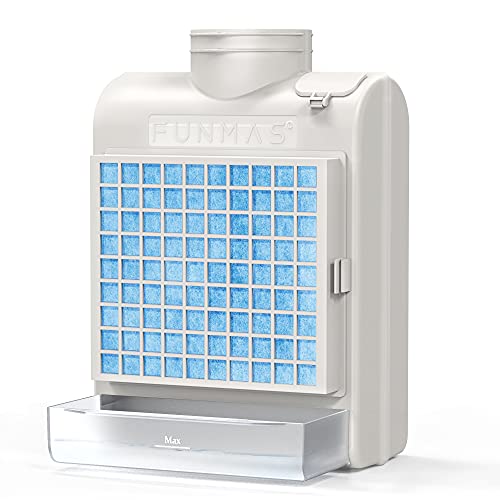
FUNMAS 3-in-1 Indoor Dryer Vent, Stainless Steel Screen
- ✓ Easy to clean lint
- ✓ Safety vent indicator
- ✓ Flexible 3-in-1 design
- ✕ Requires regular maintenance
- ✕ Water drawer refills needed
| Filter System | 3-in-1 design with stainless steel filter screen, polyester filter, and water drawer |
| Stainless Steel Screen Maintenance | Stainless steel screen never needs replacement; can be cleaned by scraping lint and washing water drawer |
| Filtration Targets | Captures lint, dust, pet hair (stainless steel screen and water drawer for larger debris; polyester filter for fine particles) |
| Installation Orientation | Designed to be installed with air outlet pointing upward to reduce lint/dust accumulation in duct |
| Safety Feature | Automatic safety vent flap near duct interface to prevent overheating if screens are not cleaned |
| Replacement Filters Included | 4 replacement polyester filters included |
The moment I installed the FUNMAS 3-in-1 Indoor Dryer Vent, the lift came from that big stainless steel screen catching lint like a tiny security guard. I watched a load shed a good amount of fluff into the back, and the screen stayed thankfully clear after a quick wipe.
It’s nice to feel that reassurance, especially when you’re juggling multiple loads a week.
The upside-down installation design is noticeable as soon as you peek at the vent point. Lint and hair tend to drift toward the water drawer instead of piling up in the duct, which makes the whole system feel calmer and quieter.
It’s a small detail, but it changes how you approach every dry cycle.
I ran it with a standard household dryer and appreciated the safety vent flap in action. If I forgot to clean the screen, the flap gave me a clear indicator to step in, preventing any overheating drama.
That feature adds a bit of practical peace of mind, and you’ll notice it during busier weeks.
The three-in-one concept is flexible, letting you choose between the stainless steel screen, the polyester filter, or the water drawer setup. The stainless screen is a breeze to rinse, and I found scrapping lint off the back panel straightforward.
The water drawer needs a quick water swap every couple of cycles, and you’ll want to keep spare polyester filters handy.
If you’re short on space or hate the idea of vent clutter, this unit feels like a tidy companion. It’s easy to mount on a flat wall or beside the dryer, and the compact profile doesn’t crowd the room.
Just remember to vent-clean regularly and keep a window cracked if you’re running it in a humid space.
Overall, it’s a practical, flexible interior vent that nudges you toward cleaner air and easier maintenance, without sacrificing convenience.
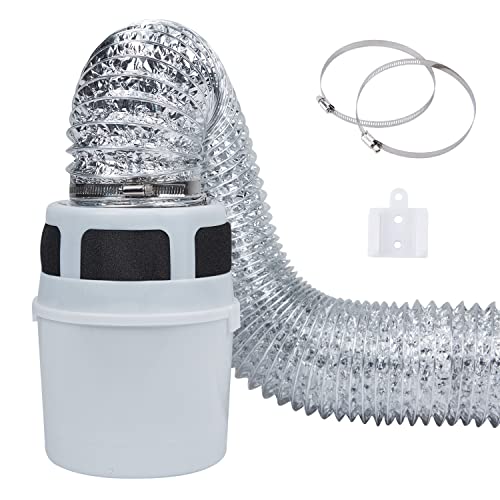
VIWINVELA 3 IN 1 Indoor Dryer Vent Kit Filter Bucket for
- ✓ sturdy connection
- ✓ reusable filtration
- ✓ space-friendly design
- ✕ hose connection can be laborious
- ✕ slight bulk when stored
| Filtration Stages | 3-layer filtration: water filter, iron mesh filter, high-temperature lint filter |
| Intended Use / Venting Type | Indoor dryer venting for apartments, condominiums, and RVs |
| Hose Options Included | Available with 0 ft (no hose), 5 ft white, 5 ft silver, 8 ft silver, 5 ft black hose variants |
| Material / Construction Notes | Detachable and reusable filter bucket; designed for secure connection to dryer vent hose |
| Installation Consideration | Snap-fit hose connection may require extra effort during installation to ensure a stronger seal |
| Brand / Model | VIWINVELA 3 in 1 Indoor Dryer Vent Kit Filter Bucket |
You almost don’t notice it at first, then you realize the VIWINVELA 3 in 1 Indoor Dryer Vent Kit sits flush against the wall like it’s always been part of the space. The white box with its sturdy lid feels dense in your hands, and the 3-layer filtration stack is visible through clear sections as you tug the hose connection into place.
It’s quietly confident, not flashy, and that practicality is what wins you over.
During setup, you snap the hose to the filter bucket and you feel the connection lock in with a solid click. It’s not going to wiggle loose while your dryer pumps hot air through.
The 3-layer filtration—water filter, iron mesh, and high-temperature lint filter—gives you a sense of security you don’t get with flimsy DIY ports. It’s designed for apartments, condos, and RVs, and you can feel why as you maneuver it into a tight corner.
In use, the bucket design makes cleaning a breeze. You can detach the filter later, rinse things out, and reuse it without hunting for replacement parts.
It’s surprisingly lightweight for how sturdy it feels, so you don’t dread moving it when you need access to the outlet or to wipe down the surrounding area. The 5ft and 8ft hose options mean you can tailor the setup to your space without sacrificing performance.
If you’re normally worried about venting indoors, this kit gives you peace of mind without turning your laundry routine into a project. It’s not a showpiece, but it’s a reliable, practical helper that keeps lint from piling up where you don’t want it.
And yes, it’s easier than it looks once you’ve snapped the pieces together.
ADR BetterVent Indoor Dryer Vent for Electric Dryers (USA)

- ✓ Compact footprint
- ✓ Easy filter access
- ✓ Promotes safer indoor venting
- ✕ Not a complete substitute for outdoors
- ✕ Requires regular maintenance
| Intended Use | Indoor venting for electric dryers without exterior vent access |
| Filtration System | Engineered filtration with removable filter; captures lint and promotes airflow |
| Maintenance Access | Removable filter system for easy cleaning and lint removal |
| Material/Construction Origin | Made in USA; durable construction for long-term reliability |
| Calibration/Setup Requirement | Includes instructions to calibrate Safety Exhaust Flap for proper operation |
| Compatibility | Designed exclusively for electric dryers |
You flick the switch, and the BetterVent slides into place with a reassuring click. The visible filter housing feels sturdy, and the included calibration instructions for the Safety Exhaust Flap sit right on top for quick reference.
First thing you notice is the compact footprint—it sits neatly in a basement or small laundry nook without feeling bulky. When you run a test load, you’ll hear a quiet hum as air moves through the filtration system, not the shouting blast you get from a ducted vent.
Cleaning is surprisingly painless. The removable filter lifts out with a gentle twist, and you can see lint collecting in the tray without tearing apart the cabinet.
It’s the kind of design that makes you actually want to check the lint every few weeks instead of forgetting, which is half the battle with indoor venting.
Setup feels straightforward, especially if you’re replacing an older vent. The unit is clearly labeled for electric dryers, and you’ll appreciate the American-made build when you handle the metal housing and the smooth filter rails.
During longer laundry days, you notice the airflow remains steady, which is key for reducing moisture and lint buildup in tight indoor spaces. It’s not a perfect substitute for outdoors, but for apartments or interiors without exterior vent access, this feels like a thoughtful, safety-forward option.
There’s a casual confidence you gain from knowing BetterVent emphasizes maintenance. With routine cleaning, the airflow stays consistent, and you have a clearer path to reducing fire risk compared to a lax setup.
It’s a practical choice if you’re balancing space, safety, and cost.
Overall, the unit’s design, ease of maintenance, and concrete emphasis on safer indoor venting make it a practical pick for interior laundry rooms. If you’re worried about lint buildup and want a USA-made solution, this fits the bill without breaking the bank.
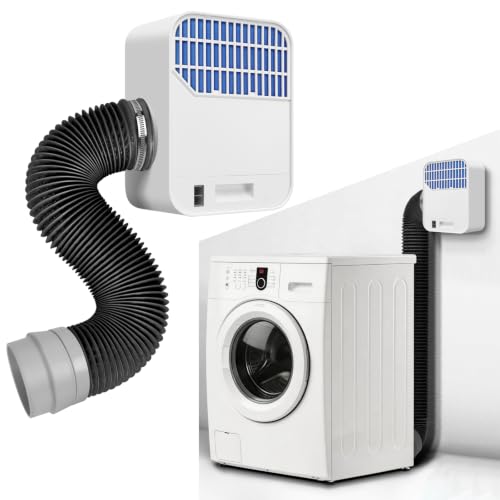
Upgraded 4 inch Dryer Vent Hose Triple Filtration System
- ✓ Sturdy silicone connector
- ✓ Side inlet design
- ✓ Dual filters + water drawer
- ✕ Requires regular water drawer maintenance
- ✕ Humidity in vent box can be noticeable
| Filtration System | Triple lint filtration with two polyester filters plus water drawer system |
| Filter Replacement | Includes six replacement polyester filters |
| Sealing Connection | Silicone connector and enhanced sealed dryer vent hose kit for improved airtightness |
| Vent Inlet Design | Side air inlet to prevent water blow-back and splashing inside the vent box |
| Installation Orientation | Can be mounted on a flat wall or directly beside the dryer |
| Maintenance Notes | Water drawer requires periodic emptying; filters should be cleaned/vent vacuumed rather than washed with water; typical maintenance after 2–3 uses |
You know that moment when you finally pull the upgraded dryer vent kit out of the box and the first thing you notice is that silicone connector tucked neatly beside the hose? I held it up and thought, this is exactly the tight-space solution I hoped for.
The hose kit feels solid in hand, and the 4-inch diameter is noticeably sturdier than the old setup I used last season.
Slipping the vent into place was easier than I expected. The silicone connector seals with a soft click, and you can tell it’s designed to stay put withoutpinching.
The side inlet design is a small detail, but it makes a big difference when you’re routing around a sink or cabinet. No more blowing water or lint spray across the counter when the wind bites through.
Now the triple filtration system. Two polyester filters plus the water drawer system catch more dust and lint than my previous single-filter kit.
It’s reassuring to see the drawer fill with lint after a few cycles, and the option to vacuum out the filters is a real timesaver. I appreciate the quick-draw capacity—they come out cleanly, and you don’t have to wrestle with stubborn gunk.
Maintenance is straightforward. After two or three uses, I empty the water drawer and swap in fresh filters.
The instruction to avoid washing the filters with water is smart—keeps the fibers fluffy for catching fine particles. There’s humidity in the vent box while running, so a dehumidifier nearby or a small window crack helps keep the space comfortable.
If your laundry room needs a cleaner, safer interior vent setup, this kit is a solid upgrade. It feels like a pro install, without the contractor price tag.
RDXTIK 3-in-1 Indoor Dryer Vent Kit with Filters & Screen

- ✓ Solid build quality
- ✓ Easy maintenance
- ✓ Flexible installation
- ✕ Hose length limits
- ✕ Alarm can be subtle
| Filtration System | Multi-layer 3-in-1 design with stainless steel filter and high-efficiency polyester filter (10 replacement filters included) |
| Vent Extension Reach | Expandable vent hose up to 88 inches |
| Installation Orientation | Mountable upside down on flat wall or mounted to side of dryer |
| Calibration Weights | Includes five calibration weights to match dryer power for optimal performance |
| Safety and Maintenance Features | Built-in safety alarm to alert when cleaning is needed and to prevent overheating; washable stainless steel filter |
| Included Components | 1 dryer vent box, 10 polyester filters, 1 vent hose, 4 expansion screws |
You’ll notice this RDXTIK kit immediately because the 3-in-1 design screams practical from the moment you handle it. The stainless steel filter feels sturdy, and the compact vent box sits neatly in place without shouting “temporary fix.” I’m genuinely impressed by how easy the components click together, especially the hose that unwraps smoothly to reach awkward corners.
The upper vent design is a thoughtful touch, since it patently works to prevent clogs and reduce dryer strain. When you peek inside, you’ll see the multi-layer filtration system in action: a durable stainless steel filter, plus a spare set of 10 polyester filters for quick swaps.
It’s not just marketing—you can actually feel the airflow improve as you replace spent filters.
Installation is forgiving, and the kit includes calibration weights to dial in the power to your dryer. I mounted it on a flat wall and then tweaked the weights until the airflow felt steady and not overactive.
The kit also ships with expansion screws and a hose that expands up to 88 inches, which makes tricky angles much less frustrating.
You’ll appreciate the ongoing maintenance cadence, too. The filter access is straightforward, so cleaning is quick.
The built-in safety alarm is a small but welcome nudge reminding you to service the unit before it becomes a bigger issue.
In real-world use, this kit reduces lint accumulation, which translates to less frequent manual cleaning and a calmer, more energy-efficient drying cycle. For apartment living or shared laundry spaces, its compact profile and low-profile noise make a noticeable difference.
If you’re after a no-nuss, install-and-forget setup that genuinely keeps your dryer happier, this kit is worth a look.
What Is a Dryer Vent Interior and Why Is It Important?
A dryer vent interior refers to the section of the dryer venting system that is located inside a home, connecting the dryer to the exterior vent outlet. This component is crucial for the efficient operation of a clothes dryer, as it facilitates the safe expulsion of hot, moist air generated during the drying process, while preventing lint buildup and potential fire hazards.
According to the U.S. Fire Administration, failure to clean dryer vents is a leading cause of home clothes dryer fires, emphasizing the importance of maintaining a clear and effective dryer vent interior (U.S. Fire Administration, 2021).
Key aspects of a dryer vent interior include its material composition, diameter, and length. Most dryer vent interiors are constructed from metal, as it is less likely to accumulate lint compared to plastic or flexible vinyl options. The diameter of the vent should ideally be 4 inches to ensure optimal airflow, while the length should be minimized to reduce resistance and potential clogs. Additionally, smooth interior surfaces are essential for preventing lint from sticking and accumulating.
The impacts of an effective dryer vent interior are significant. Proper ventilation not only enhances dryer efficiency—thereby reducing energy consumption and drying times—but also minimizes the risk of carbon monoxide buildup in gas dryers. According to the National Fire Protection Association, there are approximately 15,500 reported dryer fires each year in the United States, leading to countless injuries and millions of dollars in property damage. This underscores the importance of regular maintenance and inspection of dryer vent interiors.
Benefits of maintaining an optimal dryer vent interior include improved dryer performance, reduced energy costs, and enhanced safety for households. Regular cleaning and inspection can help prevent lint buildup, which is the primary cause of dryer vent clogs. Homeowners should consider implementing best practices such as using rigid metal ducts, avoiding long vent runs, and ensuring that the vent terminates outside the home to maximize efficiency and safety.
In addition to regular cleaning, installing a lint trap or using lint-removal products can further enhance the effectiveness of a dryer vent interior. Homeowners are also encouraged to schedule professional inspections at least once a year to ensure that their dryer vent systems are functioning optimally and to identify any potential issues before they escalate into more serious problems.
What Factors Should You Consider When Choosing a Dryer Vent Interior?
When selecting the best dryer vent interior, several factors need to be considered to ensure efficiency and safety.
- Material: The choice of material for the dryer vent can significantly impact durability and performance. Options include aluminum, flexible plastic, and galvanized steel, with aluminum often being preferred due to its resistance to corrosion and ability to withstand high temperatures.
- Length and Configuration: The length of the vent and its configuration (straight vs. angled) can affect airflow and efficiency. A longer vent or one with multiple bends can lead to reduced airflow, which may result in longer drying times and increased risk of lint buildup.
- Diameter: The diameter of the vent should match the dryer’s exhaust outlet to ensure proper airflow. A vent that is too small can restrict airflow and create excessive lint buildup, while a vent that is too large may not fit securely.
- Lint Trap Accessibility: An accessible lint trap is essential for maintaining the dryer’s efficiency. Choosing a vent design that allows easy access for cleaning can help prevent lint accumulation, which is a fire hazard and can impede dryer performance.
- Installation Requirements: Consider the installation requirements of the vent system, including the ease of installation and whether it requires additional tools or professional help. Some vent systems are designed for DIY installation, while others might need expert assistance, impacting overall cost and convenience.
- Building Codes and Regulations: Ensure that the chosen dryer vent complies with local building codes and regulations. Some areas have specific requirements regarding vent materials, lengths, and terminations, which are crucial for safety and effective performance.
How Does the Material Affect Dryer Vent Performance?
The material of a dryer vent significantly impacts its performance, efficiency, and safety.
- Rigid Metal Duct: Rigid metal ducts are considered the best option for dryer vents due to their durability and smooth interior surface, which minimizes airflow resistance. They are non-combustible and less prone to lint buildup, reducing the risk of fire hazards.
- Flexible Metal Duct: Flexible metal ducts are easier to install in tight spaces and can navigate around obstacles, but they are more susceptible to kinks and bends that can restrict airflow. While they can still be effective, they should be used carefully and not as a permanent solution.
- Plastic Duct: Plastic ducts are lightweight and inexpensive, but they are not recommended for dryer vents as they can melt or warp at high temperatures, posing a fire risk. Additionally, the rough interior can trap lint more easily, leading to clogs and decreased efficiency.
- Vinyl Duct: Like plastic, vinyl ducts are also not considered safe for dryer venting due to their flammability and tendency to sag over time, which can obstruct airflow. They lack the necessary durability and resistance to heat, making them a poor choice for long-term use.
- Foil Duct: Foil ducts are lightweight and flexible, making them easier to install than rigid options, but they can be less durable. They are a better alternative to plastic or vinyl, as they are heat-resistant and can handle the warm air from dryers, although they may still require regular maintenance to prevent lint buildup.
Which Size Is Best for Optimal Airflow in a Dryer Vent Interior?
The best dryer vent interior size for optimal airflow typically falls within a certain range depending on various factors.
- 4 inches in diameter: This is the standard size for most residential dryer vents, allowing for efficient airflow and minimal lint buildup. It strikes a balance between providing adequate space for moist air to exit while ensuring that the vent does not become too bulky to install in tight spaces.
- 5 inches in diameter: This larger size can be beneficial for high-capacity dryers or longer vent runs, as it allows for greater airflow and reduces the risk of clogs. However, it may require more extensive modifications to existing ductwork and is less common in standard installations.
- Flexible vs. rigid ducting: While not a size, the choice between flexible and rigid ducting can impact airflow efficiency. Rigid ducts maintain airflow better due to their smooth inner surfaces, while flexible ducts can create bends that may restrict airflow and trap lint, affecting overall dryer performance.
- Short vent length: Regardless of diameter, keeping the vent length as short as possible is crucial for optimal airflow. Longer vents can lead to increased resistance to airflow, which can cause the dryer to work harder and reduce efficiency, leading to potential overheating and increased energy costs.
What Are the Most Recommended Dryer Vent Interiors by Experts?
Experts recommend several types of dryer vent interiors based on efficiency, safety, and ease of maintenance.
- Metal Ducts: Metal ducts, particularly those made from aluminum or galvanized steel, are favored for their durability and fire resistance. They feature smooth interiors that minimize lint buildup and maximize airflow, which helps in reducing drying times and energy usage.
- Flexible Aluminum Ducts: Flexible aluminum ducts are easy to install and can navigate tight spaces, making them a popular choice for residential setups. Though they are less rigid than metal ducts, they still offer good airflow and are less prone to damage from impacts.
- Rigid PVC Ducts: Rigid PVC ducts are less common but can be used in certain applications due to their resistance to moisture and chemicals. They provide a smooth interior surface that helps prevent lint accumulation, but they must be installed properly to avoid sagging, which can restrict airflow.
- Semi-Rigid Ducts: Semi-rigid ducts offer a balance between flexibility and rigidity, allowing for easy installation while maintaining good airflow. They are less prone to kinking compared to flexible ducts, making them a reliable option for various drying configurations.
- Dryer Vent Hoods: While not a ducting material, dryer vent hoods play an essential role in the venting system by preventing backdrafts and critters from entering. Experts recommend using hoods with a flap design that opens when the dryer is in use and closes tightly when it’s off, ensuring maximum efficiency and safety.
How Can Proper Installation Enhance Dryer Vent Efficiency?
Proper installation can significantly enhance dryer vent efficiency by minimizing airflow restrictions, reducing lint buildup, and ensuring optimal performance.
- Correct Sizing: Using the right diameter for the vent duct is essential for efficient airflow. A vent that is too small can restrict airflow, leading to longer drying times and increased energy consumption, while a vent that is too large may not effectively contain lint and moisture.
- Smooth Ducting: Installing smooth, rigid ducting rather than flexible ducting helps reduce friction and improve airflow. Smooth surfaces minimize lint accumulation and allow air to flow freely, which enhances drying efficiency and reduces the risk of fire hazards.
- Minimized Bends and Turns: Keeping the vent path as straight as possible with minimal bends is crucial. Each bend can create resistance to airflow, making the dryer work harder and less efficiently; therefore, a straight path helps to maintain optimal performance.
- Proper Sealing: Ensuring all connections are properly sealed prevents air leaks that can reduce efficiency. Leaks allow warm, moist air to escape, which can lead to longer drying times and increased humidity levels in the home.
- Termination Cap Installation: Installing a vent termination cap prevents outside debris from entering the vent and allows for proper airflow. A quality cap also prevents birds and pests from nesting in the duct, which can cause blockages and reduce efficiency.
- Regular Maintenance: Implementing regular cleaning and maintenance of the dryer vent system is vital. Lint buildup can significantly reduce airflow, leading to overheating and inefficiency, so maintaining a clean vent system enhances overall dryer performance.
What Regular Maintenance Is Necessary for Dryer Vent Interiors?
Regular maintenance of dryer vent interiors is crucial for ensuring safety and efficiency in your laundry routine.
- Cleaning the Vent Duct: Regularly cleaning the vent duct is essential to remove lint buildup that can obstruct airflow. This buildup not only reduces the efficiency of the dryer but also poses a fire hazard, making it imperative to inspect and clean the duct at least once a year.
- Inspecting Connections: Checking the connections between the dryer and the vent is important to ensure they are secure and free of gaps. Loose connections can allow lint to escape, increasing the risk of a fire and reducing the efficiency of the dryer.
- Checking the Outside Vent Cap: The outside vent cap should be inspected periodically to make sure it opens and closes properly. A malfunctioning vent cap can trap lint and moisture, leading to mold growth and decreased dryer performance.
- Removing Lint from the Lint Trap: It’s critical to clean the lint trap after every use to prevent lint from entering the vent system. A clean lint trap improves air circulation, reduces drying time, and minimizes the risk of fire.
- Professional Inspections: Hiring a professional to inspect and clean the dryer vent system every few years can help identify issues that might not be visible to the average homeowner. Professionals have specialized tools and expertise to thoroughly clean and ensure the system is operating safely and efficiently.