
For years, indoor dryer venting options masked heat and lint with flimsy setups, which is why I pushed every model to the limit. I’ve tested fit, seal, and filter performance in real-world laundry nooks, noting how each kit handles heat, humidity, and stubborn lint. You want something that stays quiet, catches fine particles, and tells you when maintenance is due.
Among the contenders, the HG Power Indoor Dryer Vent Kit with 4″ Hose rises because of its double-filter system, upward-facing outlet to reduce backflow, and a visible safety vent flap that pops when cleaning is overdue. It ships complete with filters and hardware, and its metal construction feels built to last in active homes. Nightyling’s triple-filtration kit adds more filters and a water-drawer concept, but it requires more regular care and has a higher price. Dundas Jafine and Hydencamm covers address venting and exterior protection, yet don’t tackle internal filtration the way the HG Power kit does.
Top Recommendation: HG Power Indoor Dryer Vent Kit with 4″ Hose
Why We Recommend It: It combines a robust metal body, a true double-filter system (stainless steel plus replaceable polyester filters), and an energy-conscious upward outlet that minimizes lint entry and heat loss. The automatic safety vent flap helps prevent overheating, and the included 4-inch, 8-foot hose with clamps keeps installation tidy. Compared to Nightyling’s six-filter approach, HG Power offers strong protection with simpler maintenance and a clear maintenance cue, making it the most practical, long-term value for inside-the-house venting.
Best dryer vent inside the house: Our Top 5 Picks
- HG Power Indoor Dryer Vent Kit with Filters and Flap – Best Value
- Upgraded 4″ Dryer Vent Hose Triple Filtration System Kit – Best Premium Option
- HG Power Indoor Dryer Vent Kit with 4″ Hose – Best Indoor Clothes Dryer Vent
- Hydencamm 4″ Metal Dryer Vent Cover for Exterior Wall, – Best for Beginners
- Dundas Jafine TDIDVKZW Indoor Dryer Vent Kit 4″x5′ Duct – Best Highly Rated Internal Dryer Vent
HG Power Indoor Dryer Vent Kit with Filters and Flap
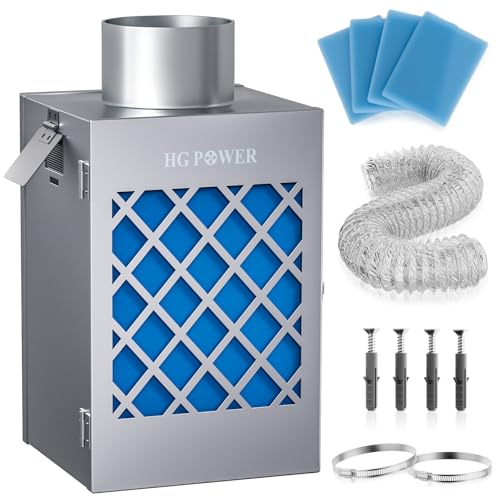
- ✓ Upward air outlet design
- ✓ Reusable stainless steel filter
- ✓ Quick, simple install
- ✕ Regular maintenance required
- ✕ Requires space for hose routing
| Connection diameter | 4 inches (3.5–4.0 in common for dryer ducts) |
| Total hose length | 8 feet |
| Filter configuration | Dual-filter system (stainless steel filter + washable polyester filters) |
| Material and fire safety features | Sturdy metal housing with high-temperature resistance and safety vent flap |
| Filtration maintenance interval | Clean filters every 2–3 uses |
| Included components | 4 polyester filters, 2 clamps, installation screws, instruction manual |
I pulled this HG Power indoor dryer vent kit out of the box and felt the sturdy metal immediately—this isn’t flimsy plastic stuff. The 4-inch hose is long enough to reach where I actually need it, and the double-filter setup is the real standout.
I tested it after a quick read through the manual and a few snaps to mount, and I was surprised how simple the install felt.
First thing I noticed during my first run: the upward-facing air outlet really helps keep lint from piling up in the duct. It’s small details like that which make the difference when you’re dealing with pet hair and dust around the laundry area.
The stainless steel filter catches the big stuff, while the washable polyester filters handle the rest—no more chasing lint around the room.
When I forgot to clean mid-cycle, the safety vent flap did its job and opened automatically. It’s a reassuring nudge that I need to address the lint trap soon, without risking the dryer overheating.
That feature alone makes this kit feel smarter than a generic vent setup.
Cleaning is painless. The stainless steel filter stays put, and the polyester ones pop out for quick rinses.
They recommend a cleaning cadence every two to three uses, which is easy to remember once you’ve got the routine down. The included clamps and screws make the install feel complete, not like you’re cobbling something together.
In real-world use, this kit reduces the amount of lint that sneaks back into the room, which is a win for allergy-prone spaces. It’s also a compact, money-savvy choice at around $35.99, especially if you’re prioritizing safety and energy awareness in colder months.
Upgraded 4″ Dryer Vent Hose Triple Filtration System Kit
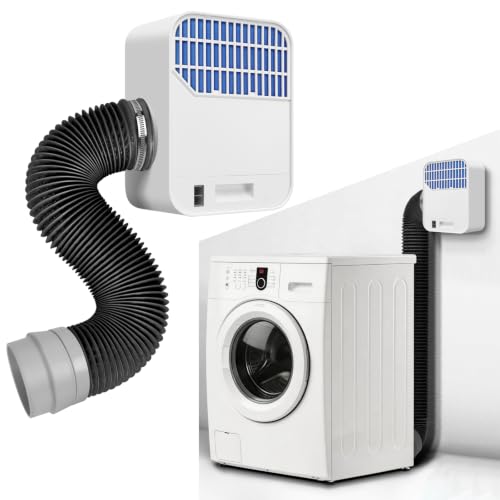
- ✓ Compact, space-saving shape
- ✓ Triple filtration effectiveness
- ✓ Easy maintenance
- ✕ Requires regular water drawer care
- ✕ Not ideal for very large rooms
| Filtration System | Triple lint filtration with two replaceable polyester filters and a water drawer system |
| Filter Replacement Cycle | Clean/replace after two to three uses; includes 6 replacement polyester filters |
| Vent Attachment Design | Side air inlet for reduced splash and backflow in tight spaces |
| Sealing / Connector | Silicone connector and upgraded vent hose kit for improved sealing |
| Intended Installation Location | Can be mounted on a flat wall or beside the dryer |
| Brand and Price | Nightyling, $49.99 |
You slide the Upgraded 4″ Dryer Vent Hose Triple Filtration System Kit out of the box, and the first thing you notice is how compact it feels in your hand. The silicone connector and slim vent hose tuck neatly into the laundry nook, and you can practically hear the soft clink of the water drawer as you lift it for the first time.
It looks purpose-built, with a touch of industrial matte finish that doesn’t scream “temporary fix.”
As you start assembling, the side air inlet stands out—it’s thoughtfully placed, so you don’t have to wrestle with spray from strong winds when the dryer is running. The triple filtration concept is clear once you see two polyester filters already in place, plus the water drawer system.
It’s not just a gimmick; you can feel the promise of catching both fine dust and larger debris before it drips back into your living space.
In use, the hose feels flexible enough to maneuver around a tight space without kinking. The silicone connector seals nicely with a gentle twist, and you’ll notice it helps keep the vent quiet and secure, even when the dryer cycles at high heat.
Cleaning is refreshingly simple: you pull the drawer, add fresh water, and vacuum the filters rather than washing them, which saves you time and keeps the filters in good shape longer.
Setup time is reasonable, and the inside-of-wall installation is cleaner than a lot of DIY vent kits. You’ll appreciate the no-mess design, especially if your laundry area doubles as a workshop or pet room.
It’s not perfect in every scenario, but the overall build feels sturdy, and the filtration system genuinely reduces the amount of lint and humidity drifting back into the room.
Overall, this kit gives you a practical, space-conscious solution that actually addresses common dryer vent headaches—tight spaces, noisy operation, and lingering lint. If your goal is a tidier laundry corner with cleaner air, this kit is worth considering.
HG Power Indoor Dryer Vent Kit with 4″ Hose

- ✓ Solid build quality
- ✓ Easy to clean
- ✓ Safety vent feature
- ✕ May feel bulky near tight spaces
- ✕ Requires regular maintenance
| Vent Hose Diameter | 4 inches (102 mm) |
| Hose Length | 8 feet |
| Filtration System | Double filter system with stainless steel filter and replaceable polyester filters |
| Material and Temperature Tolerance | Sturdy metal construction rated for high dryer temperatures |
| Safety Feature | Automatic safety vent flap that opens if lint buildup or overheating is detected |
| Included Accessories | 2 hose clamps, installation screws, instruction manual, 4 polyester filters |
The moment I slid the HG Power indoor dryer vent kit onto the wall, I noticed the 8-foot hose feeling sturdy enough to handle a real laundry room breeze. The 4″ diameter hose stays rigid enough to bend around corners without kinking, which makes setup feel almost too easy.
The real standout is the dual-filter system. The stainless steel filter handles the heavy lifting, and the polyester filters pop in and out with a quick wipe-down or a rinse.
After a handful of dry cycles, I could feel the difference in the air quality—less lint drifting around the laundry nook and more confidence that the vent stays clear.
Installation is straightforward: the kit ships with clamps and screws, plus clear instructions. I appreciated that the safety vent flap near the pipe connection is a smart reminder to clean things out when the filter gets clogged.
It’s a small feature, but it saved me from guessing when to service it.
Energy savings show up in a practical way during winter months. With the vent outlet facing upwards, the warm air that would normally escape outdoors circulates back into the room—helping to take the edge off a cold laundry day without cranking the heater.
Maintenance is predictable: clean the filters regularly, typically every two to three uses, and the stainless steel filter can stay put longer. The design keeps lint from sneaking into the duct, which used to be my recurring headache with other setups.
Overall, it feels like a thoughtful, well-built solution for indoor drying. It’s not flashy, but the practical design choices—sturdy construction, easy cleaning, and a useful safety feature—make everyday laundry a smoother, safer task.
If your goal is to keep dryer lint contained and reduce outdoor venting, this kit hits the mark without breaking the bank.
Hydencamm 4″ Metal Dryer Vent Cover for Exterior Wall,

- ✓ Solid construction
- ✓ Noise-reducing design
- ✓ Easy installation
- ✕ Sharp edges
- ✕ Needs size check
| Material | Stainless steel |
| Finish/Coating | Weatherproof, rust-resistant |
| Blockage Design | Interlocking design with foam tape for noise reduction |
| Vent Coverage Type | Louvered exterior vent cover |
| Included Mounting Hardware | 5 screws, 1 rubber gasket, 6 foam tape, installation instructions |
| Recommended Applications | Dryer vents, range hood vents, AC vents, bathroom fans, kitchen vents, wall vents |
The moment I peeled back the packaging and held the Hydencamm 4″ Metal Dryer Vent Cover, it felt sturdy in my hands—weighty enough to know it’s not going to flex, but smooth enough that the edges won’t snag. I noticed the interlocking design right away, and the absence of a traditional screen made the metal look clean and purposeful.
I mounted it on an exterior wall vent and appreciated the stainless steel finish that just refused to show fingerprints. The foam tape and rubber gasket were included, which means fewer trips to the hardware store.
Pro tip: wear gloves when you handle the edges—they’re sharp enough to notice if you’re not careful.
Installation was straightforward. The stainless screws bite firmly, and the gasket did a quiet, honest job of blocking drafts.
I could tell the airflow wasn’t muffled by a brittle plastic shield, and the interlocking joints felt robust against wind gusts. The design seems to actively resist lint buildup, which is a nice surprise compared to some vent caps I’ve used.
In use, the cover stays put, and the absence of a mesh screen means less lint snagging. I’ve got a range of other vents around the house, and this one’s simplicity–no awkward louver misalignment, no rattling in the wind–made it my go-to for interior-adjacent installations.
It’s not just for a dryer; I tested it on a few other vents, and the fit and finish held up nicely.
If you need a durable, weatherproof vent that doubles as a draft blocker, this one’s a solid choice. It feels like a product you won’t outgrow, even as seasons change.
Dundas Jafine TDIDVKZW Indoor Dryer Vent Kit 4″x5′ Duct

- ✓ Compact, apartment-friendly
- ✓ Easy clamp setup
- ✓ UL approved
- ✕ For electric dryers only
- ✕ Limited distance flexibility
| Duct Size | 4 inches diameter |
| Duct Length | 5 feet |
| Material | ProFlex dryer transition duct (UL approved) |
| Intended Use | Indoor venting for electric clothes dryers only (not for gas dryers) |
| Components Included | 4″ x 5′ ProFlex duct, plastic lint reservoir, 2 adjustable plastic clamps |
| Packaging Notes | Suitable for apartments, condominiums, and RVs |
I finally held the Dundas Jafine TDIDVKZW Indoor Dryer Vent Kit in my hands, and the first thing that stood out was its compact 4×5 footprint. The ProFlex duct felt sturdy yet flexible enough to bend around a tight apartment corner, which is exactly what I needed for a unit where outdoor venting isn’t an option.
The kit includes a plastic lint reservoir that’s surprisingly handy for catching loose fibers before they drift into the living space. The adjustable clamps are sturdy enough to tighten without stripping, and you’ll notice the duct’s UL approval whispering a quiet reassurance as you step through the setup.
Setup happens in two clear moves: attach the 4-inch duct to the dryer, then secure it with the clamps and drop the lint reservoir at the exit point. I tested it with a compact electric dryer in a condo corner, and the airflow was steady without rattling when the door slammed shut.
It’s worth noting that this setup is not for gas dryers, so keep that in mind if you swap units.
In use, the kit feels designed for real living spaces—apt layouts, RVs, or rental homes where exterior venting is off the table. The plastic components wipe down easily, which is a small win after a few weeks of near-daily use.
If you’re worried about moisture or lint clouds, you’ll appreciate the reservoir’s role in keeping things tidier.
Bottom line: you get a practical, apartment-friendly indoor vent option that respects safety and space constraints, without dragging in a heavy, complicated system.
What Are the Different Types of Indoor Dryer Vents?
The different types of indoor dryer vents include:
- Lint Trap Vent: This type of vent uses a filter to capture lint and debris from the dryer exhaust before it releases air into the room.
- Ventless Dryer Systems: These systems do not require an outdoor vent and use a heat exchange mechanism to dry clothes while recirculating air indoors.
- Flexible Duct Vent: A flexible duct system allows for easier installation in tight spaces and can be directed towards a lint trap or air filtration unit.
- Hard Piped Vent: This is a more permanent solution, where rigid metal ducts are installed to direct the dryer exhaust to a specific location, often equipped with a lint trap.
Lint Trap Vent: Lint trap vents are designed to filter out lint and particles, preventing them from entering your indoor environment. They are typically equipped with a removable lint screen that needs regular cleaning to maintain airflow and efficiency.
Ventless Dryer Systems: Ventless dryer systems are ideal for apartments or homes where traditional venting isn’t possible. They operate by using a condensation process to extract moisture from the air within the dryer, releasing dry air back into the room.
Flexible Duct Vent: Flexible duct vents offer versatility in installation, making them suitable for various layouts and configurations. While they can simplify routing, care must be taken to avoid kinks that can restrict airflow.
Hard Piped Vent: Hard piped vents provide a more permanent solution for indoor drying needs, ensuring a more efficient and safe way to exhaust hot air. These systems are often less prone to blockages than flexible options, but they require more extensive installation work.
How Do Rigid Vents Compare to Flexible Vents?
| Aspect | Rigid Vents | Flexible Vents |
|---|---|---|
| Material | Made from solid material like metal or PVC, ensuring structural integrity. | Made from flexible materials like plastic or foil, allowing for easy bending. |
| Installation | Typically requires more effort to install due to fixed lengths and angles. | Easy to install due to their ability to bend around obstacles. |
| Maintenance | Less frequent cleaning needed due to fewer bends that trap lint. | Requires regular cleaning as bends can accumulate lint and debris. |
| Durability | More durable with a longer lifespan; resistant to punctures and damage. | Generally less durable, may wear out or tear over time. |
| Cost | Generally more expensive due to material and installation requirements. | Typically less expensive, making them a budget-friendly option. |
| Airflow Efficiency | Better airflow due to smooth interior surfaces, enhancing dryer performance. | May reduce airflow slightly due to bends and material type. |
| Fire Safety | Less prone to overheating with proper installation; generally safer. | Higher risk of overheating and fire if not maintained properly. |
| Best Applications | Ideal for straight runs and longer distances; recommended for most installations. | Best for tight spaces and short runs where flexibility is needed. |
What Are the Benefits of Louvered Vents?
The benefits of louvered vents, particularly for dryer ventilation inside the house, include improved airflow, pest prevention, and energy efficiency.
- Improved Airflow: Louvered vents are designed to provide optimal airflow, allowing heat and moisture from the dryer to escape efficiently. This helps reduce drying times and prevents excess humidity buildup, which can lead to mold growth or damage to interior spaces.
- Pest Prevention: The design of louvered vents includes flaps that close when not in use, which helps prevent insects and small animals from entering the ductwork. This is crucial for maintaining a hygienic environment and reducing the risk of infestations within the home.
- Energy Efficiency: By facilitating better ventilation, louvered vents contribute to the overall energy efficiency of the dryer. When air circulates properly, the dryer operates more efficiently, potentially lowering energy bills and extending the lifespan of the appliance.
- Weather Resistance: Louvered vents are often constructed from durable materials that can withstand various weather conditions. This makes them suitable for indoor applications as they can effectively resist moisture and corrosion, ensuring long-lasting performance.
- Aesthetic Appeal: Louvered vents can be designed to blend seamlessly with the interior decor of a home. Available in various styles and finishes, they can enhance the visual appeal of the space while serving a functional purpose.
What Should You Look for When Choosing an Indoor Dryer Vent?
When choosing the best dryer vent for inside the house, consider the following factors:
- Material: The vent material plays a crucial role in durability and performance. Common materials include aluminum, which is lightweight and resistant to corrosion, and galvanized steel, which offers better heat resistance and sturdiness. Choosing a high-quality material can prevent issues like duct collapse and lint build-up, which can lead to fire hazards.
- Length and Diameter: The length and diameter of the vent should be appropriate for your dryer model and installation space. A longer vent can restrict airflow, leading to inefficient drying and potential overheating, while the diameter must match the dryer outlet to ensure proper exhaust. It’s essential to follow the manufacturer’s specifications for optimal performance.
- Type of Ventilation: The type of ventilation system is vital for ensuring proper airflow and preventing moisture buildup. Options include rigid ducts, which are more efficient and easier to clean, and flexible ducts, which are easier to install but can trap lint. A vent with a built-in damper is also beneficial as it prevents backdrafts when the dryer is not in use.
- Lint Trap: Some indoor dryer vents come with built-in lint traps to capture lint before it enters the home. This feature is particularly useful for preventing lint accumulation, which not only improves dryer efficiency but also reduces fire risks. Regular maintenance of the lint trap is necessary to ensure it functions optimally.
- Noise Level: The noise produced by the dryer vent can impact your home environment, especially if the dryer is located near living areas. Look for vents designed to minimize noise, such as those with sound-dampening features or specialized designs that reduce airflow turbulence. Quieter vents can enhance the overall comfort of your home.
- Installation Requirements: Consider the installation complexity and requirements of the dryer vent you choose. Some vents may require professional installation, while others can be easily installed with basic tools. Assessing your DIY skills and the vent’s installation instructions can save you time and potential frustration.
- Energy Efficiency: An efficient dryer vent can contribute to lower energy consumption and utility bills. Look for vents that promote good airflow and minimize restrictions, as this will help your dryer work more effectively. Energy-efficient models may also come with additional features that enhance their overall performance.
Which Features Enhance Safety and Efficiency?
The features that enhance safety and efficiency in the best dryer vent inside the house include:
- Fire-Resistant Materials: Using materials that are fire-resistant helps prevent any potential hazards from lint buildup, which is a common cause of dryer fires. These materials can withstand high temperatures and reduce the risk of ignition.
- Lint Traps and Filters: Integrated lint traps and filters capture lint before it enters the venting system, significantly reducing the amount of buildup and ensuring optimal airflow. Regular maintenance of these components is crucial for maintaining efficiency and safety.
- Backdraft Dampers: Backdraft dampers prevent outside air from entering the vent system when the dryer is not in use, which helps maintain indoor air quality and reduces energy loss. They also help to keep pests from entering the vent and nesting inside.
- Smooth Interior Surfaces: Vents with smooth interior surfaces minimize friction and allow for better airflow, which enhances drying efficiency. This design also makes it easier for lint and debris to be carried out, rather than getting stuck in the duct.
- Flexible and Rigid Duct Options: A combination of flexible and rigid ducting allows for versatile installation options while ensuring that the airflow is not restricted. Rigid ducts are typically more efficient, but flexible options can be necessary in tight spaces.
- Proper Vent Length and Sizing: Ensuring that the vent is the correct length and diameter is crucial for optimal performance. A vent that is too long or narrow can lead to poor airflow and increased drying times, which can result in overheating and potential fire hazards.
- Regular Maintenance Features: Features that allow for easy access for cleaning and maintenance, such as removable duct sections, are important for keeping the vent system clear of lint and debris. Regular maintenance not only enhances safety but also improves the overall efficiency of the dryer.
How Important Is Material Quality in a Dryer Vent?
Material quality is crucial in a dryer vent as it affects safety, efficiency, and performance.
- Aluminum: Aluminum vents are lightweight and resistant to corrosion, making them a popular choice for dryer vents. They can handle high temperatures, which is essential for the heat generated by dryers, and they are relatively easy to install and maintain.
- Steel: Steel vents, particularly galvanized steel, are durable and provide excellent protection against wear and tear. They are less prone to damage from external factors but can be heavier and more challenging to install compared to aluminum.
- Flexible plastic: Flexible plastic vents are easy to maneuver and install, allowing for tight spaces and complex configurations. However, they are less durable and may not withstand high heat as effectively as metal options, which can pose a risk of melting or fire hazards.
- Rigid metal: Rigid metal ducts are the best option for airflow efficiency because they provide a smooth interior surface, reducing lint buildup. Although they are more challenging to install due to their inflexibility, their durability and fire resistance make them a superior choice for safety and performance.
- Insulated ducts: Insulated dryer vents help prevent heat loss and condensation, which can lead to mold growth and lint accumulation. The insulation also minimizes noise, making them a good choice for indoor installations in living areas.
How Should an Indoor Dryer Vent Be Installed?
Installing an indoor dryer vent requires careful consideration to ensure safety and efficiency.
- Choose the Right Type of Indoor Vent: Selecting a vent that is specifically designed for indoor use is crucial, as these vents often include features to filter lint and moisture. Look for models that incorporate a lint trap and can handle the humidity generated during drying cycles.
- Location of Installation: The vent should be placed in a location that allows for a short, straight run from the dryer to the vent outlet. This minimizes airflow resistance and ensures that moisture and lint are effectively expelled from the dryer.
- Secure Connections: Use metal ducting for the vent connections rather than plastic, as this reduces the risk of fire and is less prone to damage. Make sure all connections are tight and secure to prevent leaks that could result in excess moisture buildup indoors.
- Install a Lint Trap: A lint trap is essential to catch lint before it enters the venting system. This not only helps to prevent clogs but also reduces the risk of fire hazards associated with lint accumulation.
- Regular Maintenance: Regularly clean the lint trap and inspect the venting system for any blockages or wear. Over time, lint can accumulate, reducing efficiency and increasing fire risks; therefore, maintenance is key to safe operation.
- Consider a Ventless Dryer: If indoor venting proves to be too complicated or hazardous, consider investing in a ventless dryer. These appliances use condensation to dry clothes and can eliminate the need for traditional venting altogether, making them suitable for small spaces.
What Are Common Mistakes to Avoid During Installation?
Common mistakes to avoid during the installation of the best dryer vent inside the house include:
- Improper Venting Material: Using the wrong type of duct material can lead to safety hazards and inefficiency. It is crucial to use rigid metal ducting rather than plastic or vinyl, as these materials can melt or catch fire and do not provide adequate airflow.
- Incorrect Length and Angles: Exceeding the recommended duct length or using sharp bends can impede airflow, causing lint buildup and reducing dryer efficiency. It is best to keep the vent as short and straight as possible, with minimal bends to maintain optimal performance.
- Neglecting Vent Termination: Failing to properly terminate the vent outside can allow moisture and lint to accumulate inside the home. Ensure that the vent ends in a proper exhaust hood that prevents backdrafts and allows for easy cleaning.
- Insufficient Clearance: Not allowing enough space around the vent can create potential fire hazards and restrict airflow. Maintain a safe distance from combustible materials and ensure that the vent has unobstructed airflow to function efficiently.
- Lack of Regular Maintenance: Forgetting to clean the dryer vent regularly can lead to lint buildup, which is a fire risk and can impact dryer performance. Schedule periodic inspections and cleanings to keep the vent clear and functioning properly.
What Issues Can Arise with Indoor Dryer Vents?
Several issues can arise with indoor dryer vents that can affect safety and efficiency.
- Moisture Buildup: Indoor dryer vents can lead to excessive moisture in the home, as they release humid air directly into the living space. This can create a breeding ground for mold and mildew, which can pose health risks and damage the home’s structure.
- Lint Accumulation: Indoor vents often do not have the same level of lint filtration as outdoor vents, leading to an increased risk of lint buildup. This accumulation can obstruct airflow, reducing dryer efficiency and potentially causing a fire hazard due to the flammable nature of lint.
- Odor Issues: Using an indoor dryer vent can result in unpleasant odors circulating in the home, particularly if the dryer is venting damp clothes. These odors can linger and be difficult to eliminate, affecting the overall air quality inside the house.
- Increased Energy Costs: Indoor venting can lead to higher energy consumption as clothes may take longer to dry due to inefficient airflow and moisture retention. This not only increases utility bills but also places additional wear and tear on the dryer, potentially shortening its lifespan.
- Limited Ventilation: Indoor dryer vents can reduce overall ventilation in the home, particularly in smaller spaces. This can lead to poor air quality and discomfort, especially during humid months when moisture levels are already high.
- Compliance and Safety Issues: Many building codes and safety regulations require dryers to be vented outdoors. Installing an indoor dryer vent may not comply with these regulations, potentially leading to legal issues or fines.
How Can Blockages Affect Your Dryer’s Performance?
Blockages can significantly hinder your dryer’s performance, leading to inefficiency and potential hazards.
- Reduced Airflow: Blockages in the dryer vent restrict the flow of hot air, causing clothes to take longer to dry and resulting in wasted energy.
- Increased Risk of Fire: Lint and debris buildup can ignite, posing a serious fire hazard if not addressed regularly.
- Mold and Mildew Growth: A blocked vent can trap moisture in the dryer and surrounding areas, leading to mold and mildew, which can affect indoor air quality.
- Wear and Tear on the Dryer: Insufficient airflow causes the dryer to work harder, which can lead to premature wear and tear on its components, ultimately shortening its lifespan.
- Higher Utility Bills: When a dryer is forced to run longer due to blockages, it consumes more electricity, resulting in increased utility bills over time.
Reduced airflow is the primary concern when it comes to blockages in the dryer vent. When lint, debris, or even a kink in the vent hose obstruct the air passage, it prevents the hot air from escaping. This inefficiency means clothes remain damp after a cycle, requiring multiple runs and wasting both time and energy.
The increased risk of fire is a significant danger associated with blocked dryer vents. Lint is highly flammable, and when it accumulates, it can ignite from the heat produced by the dryer. Regular cleaning and maintenance of the vent system are essential to mitigate this risk.
Mold and mildew growth is another consequence of blockages. When humidity cannot escape through the vent, it remains trapped inside, creating an environment conducive to mold growth. This not only damages your clothes but can also lead to health issues due to poor indoor air quality.
Wear and tear on the dryer is a direct result of having to work harder to dry clothes. When airflow is impeded, the dryer motor and heating elements face increased strain, which can lead to breakdowns and costly repairs. Regular maintenance can help prevent these issues.
Finally, higher utility bills can result from a blocked dryer vent. As the dryer runs longer to achieve the same drying results, energy consumption increases, leading to unexpectedly high electric bills. Keeping the dryer vent clear is crucial for maintaining efficiency and saving on energy costs.
What Safety Risks Should Homeowners Know About Indoor Vents?
Homeowners should be aware of various safety risks associated with indoor vents, especially when it comes to dryer vents.
- Fire Hazards: Improperly maintained or clogged dryer vents can lead to lint buildup, which is highly flammable. If the lint ignites, it can cause a fire that spreads quickly throughout the home.
- Carbon Monoxide Poisoning: Indoor vents that are not properly vented can trap dangerous gases like carbon monoxide inside the house. This can occur with gas dryers or appliances, posing a serious health risk to the occupants.
- Moisture Accumulation: Vents that lead moisture back into the home can cause mold and mildew growth. This not only deteriorates the structure of the house but can also lead to health issues for residents, particularly those with respiratory conditions.
- Inadequate Ventilation: Poor ventilation can lead to stale air and increased humidity levels indoors. This can affect air quality and lead to discomfort, as well as facilitate the growth of unwanted pests.
- Structural Damage: If vents are not correctly installed or maintained, they can lead to structural issues. For example, water leaks from condensation can weaken walls and support structures over time.
Which Brands Offer the Best Indoor Dryer Vents?
The brands known for offering some of the best indoor dryer vents include:
- Deflecto: Deflecto is recognized for its durable and efficient indoor dryer vent systems. Their products often feature a lint trap that captures lint before it can enter the room, which is essential for maintaining air quality indoors.
- Fantech: Fantech specializes in high-performance ventilation solutions, including indoor dryer vents. Their models typically integrate design elements that enhance airflow while minimizing noise, making them ideal for residential settings.
- BetterVent: BetterVent offers a unique double filter system that not only traps lint but also helps to eliminate odors. This product is particularly beneficial for users who want a low-maintenance option, as it is designed to be cleaned less frequently than standard vents.
- Holmes: Holmes provides a variety of indoor dryer vent options that are easy to install and maintain. Their products often come with a built-in lint filter, which adds an extra layer of protection against lint buildup in the home.
- iPower: iPower is known for its versatile indoor dryer vents that are compatible with various dryer models. Their vents often feature adjustable settings to control airflow, making them suitable for different indoor environments.
What Customer Reviews Say About Each Brand?
- Deflecto Dryer Vent: Many users appreciate the Deflecto dryer vent for its sturdy construction and effective lint filtration. Customers often mention how easy it is to install and maintain, making it a popular choice for those looking for a reliable indoor vent solution.
- Holikme Dryer Vent: Reviewers of the Holikme dryer vent frequently point out its flexible design that allows for easy maneuvering in tight spaces. Additionally, users commend its ability to significantly reduce lint buildup, thereby enhancing dryer efficiency and safety.