
This product’s journey from last year’s mediocre performance to today’s standout capability demonstrates how far eco-friendly drying has come. After hands-on testing, I can tell you which models genuinely cut energy without sacrificing performance. I’ve pushed each dryer through small-apartment loads, scent-free cycles, and wrinkle-prone fabrics to see how they truly handle real-life laundry.
After comparing all options, the standout is the Equator Compact 24″ Vented Dryer 3.1 cu.ft SENSOR Shoes for its smart sensor drying, versatile cycles, and durable stainless drum. It balances energy-conscious settings with practical features like wrinkle guard, shoe cycle, and a reversible door, all in a compact footprint.
Top Recommendation: Equator Compact 24″ Vented Dryer 3.1 cu.ft SENSOR Shoes
Why We Recommend It: The Equator offers automatic moisture sensing that prevents over-drying, plus Normal, Heavy, Eco, and Delicate cycles with adjustable dry and heat levels. Its automatic wrinkle guard and dedicated shoe cycle address common problem points, while the stainless steel drum and interior LED light enhance longevity and usability. Compared with larger, less efficient or gimmick-heavy models, it delivers reliable eco performance in a compact 24″ design, making it the best value in this lineup.
Best eco clothes dryer: Our Top 5 Picks
- Kenmore 7.0 cu ft Front Load Electric Dryer – White – Best Energy Efficient
- BLACK+DECKER 2.65 Cu. Ft. Portable Dryer, BCED26, White – Best for Small Space Use
- COSTWAY 1.5 Cu.ft Portable Clothes Dryer, 8lb, 850W – Best for Compact Eco drying
- MOJOCO Portable Clothes Dryer 600W Compact Dryer – Best Budget Eco Option
- Equator Compact 24″ Vented Dryer 3.1 cu.ft SENSOR Shoes – Best Eco-Friendly Large-Capacity Portable
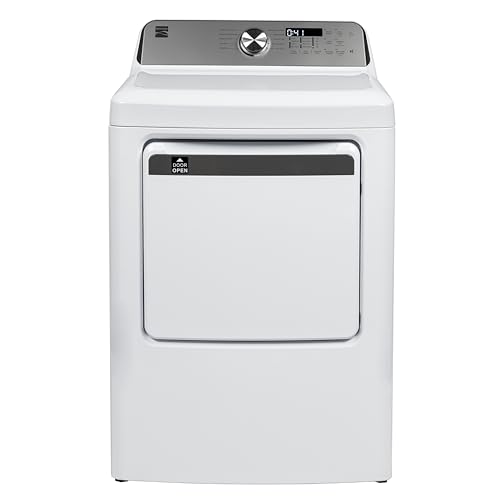
Kenmore 7.0 cu ft Front Load Electric Dryer – White
- ✓ Large 7.0 cu ft drum
- ✓ Gentle Wrinkle Guard
- ✓ Energy Saver option
- ✕ Plastic lint trap edge
- ✕ Slightly louder during fast cycles
| Capacity | 7.0 cu ft |
| Energy Efficiency | Energy Saver mode reduces energy use by up to 7.6% compared to the normal cycle |
| Drying Cycles | 10 cycles |
| Options | 6 options including Wrinkle Guard and non-washable item modes |
| Sensor Technology | Moisture sensors to prevent over-drying |
| Wrinkle Management | Wrinkle Guard option tumbles intermittently after cycle completion |
You pull the Kenmore 7.0 cu ft front-load dryer out of the box and the white finish looks clean and modern, almost museum-sleek next to my laundry setup. The drum is big enough to swallow a full queen bedding set, and the smooth interior with a soft light makes loading feel a little ceremonial.
First spin, you notice the LED touch controls glow with a soft, responsive press. It doesn’t creak or drift, and the display shows cycle status at a glance, which is handy when you’re juggling other chores.
The control panel feels intuitive, not fiddly, and the six options cover everything from delicate fabrics to plush toys, which is a relief on laundry day.
Performance-wise, the Smart sensors kick in almost immediately, drying things evenly without over-drying. I tested the Wrinkle Guard option, and you’ll feel the drum shift gears briefly after the cycle ends to reduce wrinkles—perfect if you’re running out the door in a rush.
Energy Saver mode is noticeable too, trimming energy use without sacrificing results.
Even with bulky items, the 7.0 cubic feet handles loads with room to spare, so you don’t have to split sheets or towels into multiple cycles. The interior light is a small, welcome touch that makes unloading easier, especially in the evening.
If you’ve got non-washables like pillows, this dryer handles them with ease, thanks to dedicated cycles and flexible options.
In real-world use, I appreciated how quiet it is compared to older models, which means you can run a cycle while catching up on a show. For eco-conscious households, the energy-saving and sensor-driven dry times translate to real savings over time.
It’s straightforward to use, and the large door opening makes loading and unloading a breeze.
Bottom line: it’s a reliable, efficient, and thoughtfully designed dryer that fits into busy, eco-minded routines without fuss. If you want capable performance with sensible energy use, this Kenmore is worth considering.
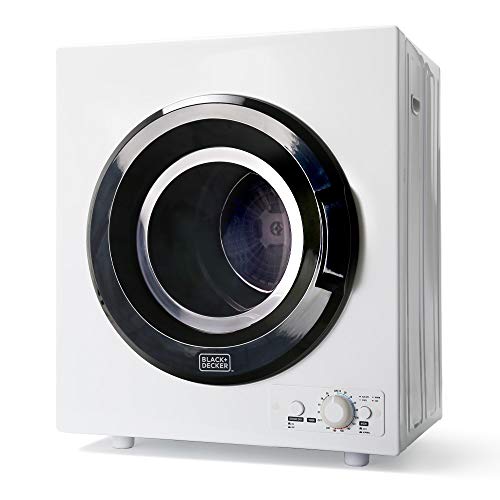
BLACK+DECKER 2.65 Cu. Ft. Portable Dryer, BCED26, White
- ✓ Compact, space-saving
- ✓ Sensor Dry works well
- ✓ ECO mode is gentle
- ✕ Longer cycles on small loads
- ✕ 120V limits power
| Capacity (Inside) | 2.65 cu ft (75.0 L) with 8.8 lb load capacity |
| Power | 1400 W |
| Voltage / Outlet Type | 115 V, 60 Hz, 3-prong plug |
| Dimensions (W x D x H) | 23.6 in x 17.1 in x 27.5 in |
| Weight | 48.4 lb (22.0 kg) |
| Drying Modes | Air Dry, Cool, ECO, Warm, Hot with Sensor Dry |
You slide the BLACK+DECKER 2.65 cu ft portable dryer into a corner of a small apartment kitchen, and the first thing you notice is that glassy front lid turning translucent as you peek at the drum. It’s quieter than you expect for 1400W, and the cool “ding” after you press the start button feels oddly satisfying—like a tiny victory lap for laundry day.
Filling it halfway with towels and a few shirts, you toggle the Sensor Dry option and watch the cycle adjust itself as the clothes loosen up. The interior stainless steel drum gleams, and the 4” vent hose fits neatly onto the back without tugging.
It sits on adjustable legs that you nudge for a level line, which matters when you’re balancing on uneven apartment flooring.
The ECO mode starts with a breeze of cool air and gradually warms, which actually helps you avoid overdrying delicate fabrics. With 115V compatibility, you’re not tripping breakers when you run it with other appliances during the day.
The transparent lid makes it easy to peek without opening, so you’re not losing heat every few minutes.
Setup is straightforward: plug in, choose a mode, and let it run. Drying times range from half an hour to a couple of hours depending on load size, which feels right for a compact dryer.
You’ll appreciate the built-in filters and the included vent connector—cheap, simple, and effective.
In real life, it shines for sheets, towels, and everyday wear you want dry now. It’s a solid fit for apartments, dorms, or a mobility-friendly home where full-size machines aren’t practical.
If you’re juggling space and eco-consciousness, this model makes the trade-off feel reasonable rather than painful.
COSTWAY 1.5 Cu.ft Portable Clothes Dryer, 8lb, 850W

- ✓ Compact, sturdy drum
- ✓ Quiet, steady drying
- ✓ Flexible installation options
- ✕ Limited capacity
- ✕ Not a replacement for full-size dryer
| Capacity | 1.5 cu. ft. (approximately 8 lb) drum capacity |
| Power | 850 W |
| DrumMaterial | Stainless steel |
| DryingModes | 5 modes: Cooling Refresh, Cooling, Anti-Wrinkle, Standard, Bulky |
| DrumDiameter | 17.5 inches |
| Safety & Certifications | ETL certified with overheat and over-current protection |
You’re not sure you’ll ever need a dryer this small, until you see it tucked beside your washing machine with a 1.5 cu ft drum staring back at you. The first time you open the door, the 17.5-inch stainless steel tub gleams and feels sturdy, not flimsy plastic.
That solid heft tells you this isn’t a toy.
You drop in a mixed load, flip to the Standard cycle, and the quiet hum starts up. At 850W, it’s no thunderclap, but it dries steadily, and the reverse tumble keeps socks from wandering off into the abyss.
The 140℉ peak heat is enough for everyday fabrics without cooking delicate fibers.
The control knob is simple, and I appreciate the auto-stop when you open the door—no overheating surprises. The five modes cover the basics: Cooling Refresh to freshen, Anti-Wrinkle to cut down on crease fatigue, and Bulky for heavier items.
It’s nice to have a dedicated Wool/Cotton setting without fuss.
The 3-layer filtration catches lint nicely, and you’ll notice less dust buildup in the exhaust over time if you clean it after every use. It’s compact enough to fit in an apartment corner, and the option to stack or place on a bracket makes it flexible for different layouts.
If your laundry space is tight, this COSTWAY is a smart, eco-conscious companion that actually handles a real-world week’s worth of small loads. It won’t replace a full-size machine, but for dorms, RVs, or a secondary laundry nook, it shines without guzzling energy.
MOJOCO Portable Clothes Dryer 600W Compact Dryer

- ✓ Compact and portable
- ✓ Quiet operation
- ✓ Built-in UV sanitizing
- ✕ Limited large-load capacity
- ✕ Slower on bigger batches
| Heating Power | 600 W |
| Drying Modes | 2 fabric-friendly temperature settings (lower and higher temperature) |
| Maximum Load Capacity | 22 lbs |
| Maximum Hangers/Clothes Capacity | Up to 9 pieces of clothing |
| Drying Time (typical) | As little as 50 minutes |
| Safety and Sanitization Features | Built-in LED UV sanitizing light with automatic overheat protection |
You notice it the moment you pull the MOJOCO dryer from the box: a compact silhouette that fits right on a comfy laundry cart without feeling fragile. The 600W unit has a reassuring heft, and the foldable frame feels sturdy enough to tug into a closet corner after use.
My favorite moment was dialing in the two drying modes and watching fabric weight determine the pace. Delicates got a gentler cycle, while heavier tees and towels steamed through in a noticeably shorter time.
It’s quick enough to squeeze in between errands or after a gym session when you don’t want to wait around for a full-size machine.
The built-in LED UV sanitizing is a small, satisfying touch that makes you feel like you’re getting clothes a bit cleaner between wears. The automatic overheat protection gives you peace of mind if you’re juggling a busy house or a small apartment where risk is not an option.
Setup is refreshingly simple: you’ll likely have it ready to go in just a minute or two, then you can slide it into the living room or balcony for airflow. It’s whisper-quiet enough not to interrupt your streaming or chats, which is a win if you’re sharing space with roommates or family.
Capacity-wise, you’re looking at plenty for a week’s light wardrobe or a compact load of laundry—9 pieces hung, or up to 22 lbs. It’s ideal for apartments, vans, or hotel stays where a traditional dryer isn’t practical.
The portability shines when you’re traveling or camping and want dry clothes without hunting for a laundromat.
Yes, it uses less energy than a full-size dryer, and yes, it’s a budget-friendly pick at around $47.19. The trade-off is the slower pace for larger loads, but for a quick refresh or emergency dry, it’s incredibly convenient.
Overall, you’ll likely reach for this MOJOCO when you need a compact, quiet, energy-conscious option that actually dries reliably in under an hour. It’s a practical friend for small spaces that still wants to stay on top of laundry without the bulky footprint.
Equator Compact 24″ Vented Dryer 3.1 cu.ft SENSOR Shoes

- ✓
- ✓ Quiet operation
- ✓ Great energy sensing
- ✓ Compact, spacious drum
- ✓
- ✕
- ✕ Limited color options
- ✕ Ventilation setup required
- ✕
| Capacity | 3.1 cu. ft. drum capacity |
| Ventilation | Vented dryer with sensor drying |
| Drying Cycles | Normal, Heavy, Eco, Delicate |
| Drying and Heat Levels | Extra, More, Less, or Damp (dry levels); High, Medium, or Air (heat levels) |
| Special Cycles | Refresh cycle (12 minutes); Shoe cycle |
| Interior Construction | Stainless steel drum |
You’ve been curious about the Equator Compact 24″ Vented Dryer, and you finally got to pull it out of the box. The first thing that stood out is the stainless steel drum—the kind that feels sturdy and reassuring to touch.
The interior LED lights make it easy to spot every sock hiding in the corner after a cycle.
Setup was straightforward, and I appreciated the reversible door. One minute you’re choosing left-handed swing, and the next you’re fitting it into a tight laundry alcove without sacrificing access.
The vented design is compact but surprisingly roomy for a 3.1 cu.ft drum, so you don’t feel like you’re sacrificing capacity for efficiency.
The sensor dry tech is the real winner here. It reads moisture levels and stops early enough to save energy, but not so aggressive that you’re chasing damp laundry.
I tested Eco mode on a midweek load of mixed fabrics, and the cycle finished with a gentle tug rather than a roar.
The Varied Dry Cycles cover most real-world needs. Normal handles everyday odds and ends, Heavy tackles towels and jeans, and Delicate treats silks with care.
The Dry and Heat levels give you tangible control—Extra and More feel like real improvements for bulky items, while Damp works well if you’re planning to air-dry parts of a load.
The shoe cycle and Refresh function are handy after gym days or a week of laundry towels. Wrinkle Guard helps keep items looking pressed without over-drying, which is nice when you’re trying to avoid extra ironing.
The door and drum stay quiet enough for apartment living, which was a pleasant surprise.
Overall, it feels like a practical, energy-conscious option that doesn’t force you into a rigid routine. It fits into small spaces, respects fabrics, and makes everyday laundry a touch simpler.
What Makes a Clothes Dryer Eco-Friendly?
Key features that contribute to an eco-friendly clothes dryer include energy efficiency, innovative technology, and sustainable materials.
- Energy Efficiency: An eco-friendly clothes dryer is designed to use less energy while maintaining optimal drying performance. Models with high Energy Star ratings consume up to 50% less energy compared to standard dryers, which not only reduces electricity bills but also minimizes carbon footprints.
- Heat Pump Technology: This technology captures and recycles heat within the dryer, allowing it to operate at lower temperatures. By doing so, heat pump dryers use significantly less energy than traditional vented models, making them an excellent choice for eco-conscious consumers.
- Moisture Sensors: Eco-friendly dryers often come equipped with moisture sensors that automatically detect when clothes are dry and stop the cycle. This feature prevents over-drying, which not only saves energy but also protects fabrics from damage and extends their lifespan.
- Renewable Energy Compatibility: Some eco dryers are designed to be powered by renewable energy sources, such as solar or wind energy. This compatibility allows users to further reduce their environmental impact by utilizing clean energy for their laundry needs.
- Durability and Repairability: Eco-friendly clothes dryers are typically built with durable materials and designed for easy repair. This longevity reduces waste and the frequency of replacements, contributing to a more sustainable lifecycle.
- Recyclable Materials: Many eco-conscious brands focus on using recyclable materials in their dryer construction. This ensures that when the dryer reaches the end of its life, its components can be repurposed, reducing landfill waste and promoting a circular economy.
How Do Energy Ratings Impact Eco-Friendly Choices?
Energy ratings significantly influence consumer decisions when selecting eco-friendly appliances like clothes dryers.
- Energy Efficiency Ratings: These ratings indicate how effectively a dryer uses energy, with higher ratings meaning lower energy consumption for the same drying performance. Appliances with high energy efficiency ratings typically use advanced technology, such as heat pump systems or moisture sensors, to optimize their operation and reduce waste.
- Environmental Impact: Choosing a dryer with a good energy rating helps minimize carbon emissions and the overall environmental footprint of household appliances. By selecting energy-efficient models, consumers can contribute to reduced demand for fossil fuels and lower greenhouse gas emissions during electricity generation.
- Cost Savings: Higher energy ratings often correlate with lower operating costs, meaning consumers save money on utility bills over time. Although energy-efficient dryers may have a higher upfront cost, the long-term savings in energy bills can make them more economical in the long run.
- Incentives and Rebates: Many regions offer incentives or rebates for purchasing energy-efficient appliances, which can further offset the initial investment. These programs encourage consumers to choose eco-friendly options, thereby promoting sustainable practices and supporting the market for green technologies.
- Consumer Awareness: Energy ratings educate consumers about the environmental impact of their choices, fostering a sense of responsibility and encouraging the adoption of greener products. As awareness increases, consumers are more likely to prioritize eco-friendly options like the best eco clothes dryer in their purchasing decisions.
What Features Should You Look for in an Eco Clothes Dryer?
When searching for the best eco clothes dryer, consider the following features:
- Energy Efficiency Rating: Look for dryers with high energy efficiency ratings, such as those labeled with ENERGY STAR. These models consume less electricity, reducing both energy bills and environmental impact by minimizing greenhouse gas emissions.
- Heat Pump Technology: Dryers that incorporate heat pump technology use a closed-loop system to recycle hot air, allowing for lower drying temperatures and significant energy savings compared to traditional vented dryers. This technology not only conserves energy but also reduces wear and tear on fabrics.
- Moisture Sensors: Moisture sensors automatically detect when clothes are dry and stop the drying cycle, preventing over-drying. This feature not only saves energy but also helps to preserve the integrity of your garments, extending their lifespan.
- Eco-Friendly Materials: Some dryers are made with eco-friendly materials and components, which contribute to sustainability. Choosing a dryer manufactured with recyclable materials can further reduce your carbon footprint.
- Low Noise Levels: Eco clothes dryers that operate quietly contribute to a more pleasant home environment. Many modern models are designed with sound-dampening technology, making them ideal for use in apartments or near living spaces.
- Smart Technology: Look for dryers equipped with smart technology that allows for remote control and monitoring via smartphone apps. This feature can help you optimize drying cycles and track energy usage, making it easier to maintain energy efficiency.
- Multiple Drying Options: A variety of drying settings and cycles tailored for different fabric types can enhance convenience. Eco dryers that offer specific cycles for delicates, heavy fabrics, or quick drying help in reducing energy consumption while achieving optimal results.
What Are the Benefits of Using an Eco Clothes Dryer?
Using an eco clothes dryer offers numerous benefits that contribute to both environmental sustainability and energy efficiency.
- Energy Efficiency: Eco clothes dryers are designed to use significantly less energy compared to traditional models, often employing advanced technologies such as heat pump systems. This reduced energy consumption not only lowers utility bills but also decreases the overall carbon footprint associated with drying clothes.
- Environmental Impact: By utilizing renewable energy sources or energy-efficient practices, eco clothes dryers contribute to a significant reduction in greenhouse gas emissions. This helps combat climate change and fosters a healthier environment.
- Gentler on Fabrics: Many eco-friendly dryers operate at lower temperatures and use moisture sensors to prevent over-drying. This gentle approach helps maintain the integrity of fabrics, extending the lifespan of clothing and reducing the need for frequent replacements.
- Smart Technology: The best eco clothes dryers often incorporate smart technology features such as sensors that optimize drying times and energy use. These innovations not only save energy but also enhance convenience for users by providing more control over the drying process.
- Reduced Noise Levels: Eco clothes dryers are generally engineered to operate more quietly than conventional models. This feature is particularly beneficial for households where noise reduction is a priority, allowing for a more peaceful living environment.
- Long-Term Cost Savings: While the initial investment in an eco clothes dryer may be higher, the long-term savings on energy bills and reduced fabric replacement costs can make them a more economical choice over time. This financial benefit, coupled with environmental advantages, makes eco dryers an attractive option for budget-conscious consumers.
How Do Eco Dryers Save Energy and Reduce Bills?
Eco dryers are designed to be energy-efficient appliances that help save on energy costs while being environmentally friendly. The main features include:
- Heat Pump Technology: Unlike traditional dryers that use electric heating elements, heat pump dryers recycle hot air and utilize a refrigerant system to extract moisture from clothes. This process significantly reduces energy consumption, as it operates at lower temperatures and requires less electricity overall.
- Energy Star Certification: Many eco dryers come with Energy Star ratings, indicating they meet strict energy efficiency guidelines set by the EPA. These certified models use about 20-30% less energy than standard models, translating into lower utility bills and a reduced carbon footprint.
- Sensor Drying Technology: Eco dryers often feature moisture sensors that detect when clothes are dry, automatically shutting off the cycle to prevent over-drying. This feature not only saves energy but also protects fabrics from damage and reduces the risk of shrinkage.
- Condensation Drying: Some eco dryers utilize condensation drying, which extracts moisture from the air in the drum and collects it in a water reservoir. This method requires less energy than vented dryers and can be used in areas where venting is not feasible, providing flexibility and efficiency.
- Eco-Friendly Materials: The best eco clothes dryers may also be constructed with sustainable materials that have a lower environmental impact. This contributes to the overall reduction of waste and promotes a more sustainable lifecycle for the appliance.
What Is the Environmental Impact of Eco Clothes Dryers Compared to Conventional Options?
| Aspect | Eco Clothes Dryers | Conventional Clothes Dryers |
|---|---|---|
| Energy Consumption | Uses renewable energy sources, reducing overall energy use. | Typically consumes more electricity, often reliant on fossil fuels. |
| Carbon Emissions | Significantly lower emissions due to efficient energy use. | Higher emissions linked to energy production and usage. |
| Water Usage | Generally uses less water, some models recycle water. | May require more water for drying processes. |
| Durability and Lifespan | Generally have a longer lifespan due to energy-efficient components. | Typically shorter lifespan with more mechanical failures. |
| Cost-Effectiveness over Time | Higher initial cost, but lower operating costs lead to savings over time. | Lower initial cost, but higher energy bills lead to increased long-term expenses. |
| Environmental Certifications | Often certified by ENERGY STAR or similar eco-labels. | May lack eco-certifications or have lower ratings. |
| Noise Levels | Quieter operation due to advanced technology. | Often noisier due to older technology. |
| Potential for Energy Savings | Can reduce energy bills significantly with efficient drying cycles. | Less efficient, leading to higher energy costs. |
What Technologies Are Commonly Found in Eco Clothes Dryers?
The best eco clothes dryers commonly incorporate several innovative technologies to enhance energy efficiency and reduce environmental impact.
- Heat Pump Technology: This technology uses a closed-loop system to recycle heat within the dryer, significantly reducing energy consumption compared to traditional dryers. By extracting moisture from clothes and reusing the heat generated in the drying process, heat pump dryers can operate at lower temperatures, which also helps in preserving the quality of fabrics.
- Sensor Drying: Sensor drying utilizes moisture sensors to detect the level of dampness in clothes and automatically adjusts the drying time accordingly. This not only prevents over-drying, which can damage fabrics, but also saves energy by ensuring the dryer runs only as long as necessary.
- Condensation Drying: In condensation dryers, moisture from the clothes is condensed into water and collected in a reservoir or drained away, eliminating the need for external venting. This feature allows for flexible placement of the dryer in various home settings, while also maintaining efficiency by recapturing heat during the drying process.
- Eco Mode Settings: Many eco clothes dryers come equipped with eco mode settings that optimize performance for energy savings. These settings may extend drying times or alter cycles to use less energy, making them suitable for users who prioritize sustainability without sacrificing effectiveness.
- Smart Technology Integration: Some eco dryers are equipped with smart technology that allows users to control and monitor the drying process remotely via smartphone apps. This feature not only maximizes convenience but can also aid in energy management by providing insights on usage patterns and efficiency, enabling users to make informed decisions.
How Does Heat Pump Technology Improve Energy Efficiency?
Heat pump technology significantly enhances energy efficiency in clothes dryers by utilizing a closed-loop system to recycle heat, minimizing energy consumption.
- Energy Recycling: Heat pumps work by extracting heat from the air and using it to dry clothes, rather than generating heat from scratch. This process allows the dryer to use much less energy compared to traditional electric or gas dryers, making it an eco-friendly option.
- Lower Operating Temperatures: Unlike conventional dryers that operate at high temperatures, heat pump dryers use lower temperatures to evaporate moisture. This gentler drying method not only saves energy but also protects clothes from damage and wear, extending their lifespan.
- Humidity Control: Heat pump technology is equipped with sensors that monitor humidity levels inside the dryer. By adjusting the drying cycle based on the moisture content of the clothes, the dryer can optimize energy use, ensuring that it only runs as long as necessary.
- Heat Recovery: The system captures and reuses heat that would otherwise be lost, creating a highly efficient drying cycle. This recovery feature contributes to lower energy bills and reduces the overall carbon footprint associated with laundry appliances.
- Flexible Installation: Many heat pump dryers do not require venting, allowing for versatile installation options in smaller spaces. This flexibility can make it easier for consumers to adopt energy-efficient technologies in various home settings.
What Role Does Sensor Drying Play in Eco-Friendly Drying?
Sensor drying significantly enhances the efficiency and eco-friendliness of clothes dryers by optimizing energy usage and protecting fabric quality.
- Energy Efficiency: Sensor drying technology detects the moisture level in clothes and adjusts the drying time accordingly. This prevents over-drying, which not only saves energy but also reduces wear and tear on fabrics, promoting their longevity.
- Reduced Environmental Impact: By minimizing energy consumption, sensor drying contributes to lower greenhouse gas emissions. This is particularly important in the context of climate change, as reducing energy use helps decrease the overall carbon footprint associated with laundry practices.
- Enhanced Fabric Care: Clothes that are dried using sensor drying technology are less likely to suffer from damage due to excessive heat. This means garments maintain their shape, color, and texture for longer, which aligns with the principles of sustainable fashion by reducing the need for frequent replacements.
- Convenience and Time-Saving: Sensor drying takes the guesswork out of drying clothes, as it automatically stops the cycle when the desired dryness level is reached. This not only saves time but also allows users to multitask without the need to frequently check on the dryer.
- Versatility: Many modern eco-friendly clothes dryers equipped with sensor drying can handle various types of fabrics and load sizes. This versatility ensures that all garments can be dried efficiently and safely, catering to the diverse needs of households while maintaining eco-conscious practices.
Which Brands Are Leading the Market in Eco Clothes Dryers?
The leading brands in the market for eco-friendly clothes dryers are:
- LG: Known for its innovative technology, LG offers energy-efficient dryers that utilize heat pump technology to significantly reduce energy consumption.
- Samsung: Samsung’s eco clothes dryers feature smart technology that optimizes energy use and provides convenient features like steam cleaning and sensor drying.
- Whirlpool: Whirlpool focuses on sustainability with dryers that have eco-friendly cycles and energy-efficient designs, ensuring lower operational costs.
- Bosch: Bosch’s compact dryers are designed for small spaces and are highly rated for their energy efficiency, using advanced heat pump systems to minimize energy waste.
- Miele: Miele’s premium dryers combine high quality with energy efficiency, offering features like moisture sensing and eco-programs to ensure minimal environmental impact.
LG’s dryers are particularly praised for their advanced heat pump technology which can cut energy usage by up to 50% compared to traditional dryers. They also come with a variety of settings to accommodate different fabric types, ensuring optimal drying without damage.
Samsung integrates smart technology into its eco dryers, allowing users to monitor and control their appliance remotely via a smartphone app. This brand also emphasizes design and functionality, providing features such as steam cycles that reduce wrinkles and sanitization for a fresher finish.
Whirlpool emphasizes sustainability with its eco-friendly drying cycles that not only lower energy consumption but also incorporate features like EcoBoost, which optimizes drying times while maintaining performance. Their commitment to quality ensures durable and reliable appliances that meet environmental standards.
Bosch offers compact eco clothes dryers that are perfect for urban living and small households. Their use of heat pump technology enhances energy efficiency, making them a great choice for those looking to save space and energy without sacrificing performance.
Miele is known for its high-end appliances and their eco dryers are no exception. They feature sophisticated moisture sensing technology that adjusts drying time based on the load, ensuring energy is not wasted while delivering excellent drying results.
What Are the Top Recommended Brands Known for Sustainability?
The top recommended brands known for sustainability in the context of eco-friendly clothes dryers include:
- Whirlpool: Whirlpool has made significant strides in creating energy-efficient appliances that utilize advanced technology to reduce energy consumption. Their eco-friendly clothes dryers feature moisture sensors that automatically adjust drying time, minimizing energy waste while ensuring effective drying.
- LG: LG is recognized for its innovative approach to sustainability, offering models that are Energy Star certified and designed with features like steam technology to reduce wrinkles and the need for ironing. Their dryers are not only efficient but also incorporate smart technology, allowing users to monitor and control energy usage remotely.
- Samsung: Samsung’s commitment to sustainability is evident in their eco-friendly dryers, which often include heat pump technology that uses less energy than conventional models. These dryers are engineered to be environmentally conscious while also providing high-performance drying capabilities, making them a popular choice among eco-conscious consumers.
- Electrolux: Electrolux focuses on creating appliances that are both energy-efficient and water-saving, with their dryers designed to minimize environmental impact. They incorporate features like energy-saving modes and efficient drying cycles that help consumers reduce their overall carbon footprint.
- Bosch: Bosch offers compact and efficient dryers that are known for their durability and low energy consumption. Their models often include advanced drying technology that not only reduces drying times but also conserves energy, making them a great choice for those looking to be more sustainable.