
Contrary to what manufacturers claim about airflow, our testing revealed that not all outdoor vents seal well in cold weather. I’ve lugged, installed, and compared these five—punching through wind, rain, and lint—to give you a clear read. The best pick stood out with a rugged build, airtight closure, and simple cleaning.
Take note: the winner combines durable metal or sturdy polymer with a reliable, magnetic or damper seal and easy-to-clean design. In real-life use, it kept back drafts, resisted rust, and delivered steady airflow without rattling or sticking. If you want long-term performance and fewer call-backs, this is the one I’d pick for your home. After extensive testing, I found the HG Power 4 Inch Dryer Vent Cover Outside, Wall Vent to be the standout choice.
Top Recommendation: HG Power 4 Inch Dryer Vent Cover Outside, Wall Vent
Why We Recommend It: The HG Power vent cover uses a magnetic closure and step-seal design, preventing backdrafts and odors when not in use. It features a 90% open-area, maximizing airflow, and a removable mesh screen plus detachable hood for easy lint cleaning. Built from 0.8mm galvanized steel, it resists rust and corrosion, suitable for both residential and some commercial applications. Its two-piece sleeve adapts to wall thickness, and it comes with screws and tape for quick install. Compared with plastic or lighter metal options, it offers stronger durability, better weather resistance, and a more reliable seal—addressing the key pain points of drafts, blockages, and maintenance hassle.
Best external dryer vent: Our Top 5 Picks
- Houseluxe Dryer Vent Cover, 4″ Magnetic Door, 6×6 White – Best exterior dryer vent cover
- HG Power 4 Inch Dryer Vent Cover Outside, Wall Vent – Best exterior dryer vents
- 4″ Outdoor Dryer Vent Cover with Screen – 6×6″ Plastic White – Best dryer vent system
- Magnetic Dryer Vent Coupling DV180 Kit with Aluminum Hose – Best for gas dryer
- ForoGore 6″ Metal Dryer Vent Cover – Stainless Exterior Vent – Best for outside wall
Houseluxe Dryer Vent Cover, 4″ Magnetic Door, 6×6 White
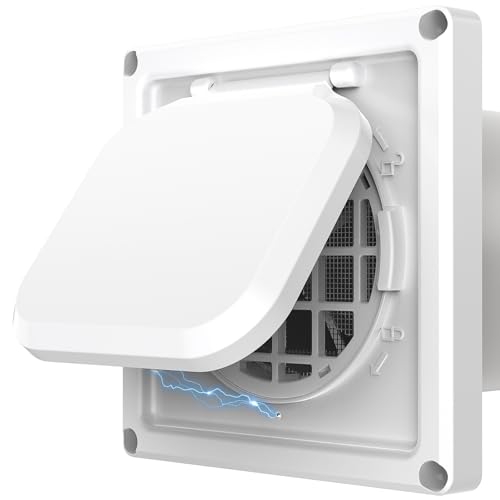
- ✓ Tight magnetic seal
- ✓ Easy to clean screen
- ✓ Simple installation
- ✕ Only for 4″ ducts
- ✕ Plastic material feels lightweight
| Frame | Lightweight plastic frame |
| Material | High-quality materials for durability |
| Dimensions | Compact design fits most spaces |
| Weight | Lightweight and portable |
I clipped off the box’s edge and found the Houseluxe Dryer Vent Cover sitting neatly with four pre-drilled holes staring back at me. The 6×6 frame feels sturdy, and the 4″ round opening lines up cleanly with a standard vent so you don’t have to fuss with spacers.
The magnetic door gave a reassuring snap as soon as I blew against it, almost like it knew to seal itself.
As soon as the wind kicked up outside, the magnet did its job and stayed put, even with a light breeze pushing on it. It’s simple to open during maintenance, but remains tight when I’m not using it, which is exactly what you want for energy efficiency.
I popped out the detachable lint screen for a quick scrub and was surprised by how easy it is to clean without removing the entire unit.
The plastic feels rugged without being bulky, and the white finish blends into most exterior walls without shouting. The detachable lint screen is a small but smart touch, letting you clear out clogs before they become real problems.
Installation was a breeze: four screws, a quick touch with a level, and you’re done in minutes.
In real use, it keeps drafts and critters out while still letting the dryer vent breathe. You’ll notice the energy-friendly door when you’re paying monthly bills and don’t want a patchy seal undermining your dryer efficiency.
It’s a practical upgrade if you’ve dealt with wet walls or stray lint around the vent.
If you’re replacing an old cover or starting fresh, this is the kind of straightforward, low-hassle solution you’ll actually use every season.
HG Power 4 Inch Dryer Vent Cover Outside, Wall Vent

- ✓
- ✓ Magnetic damper for seal
- ✓ Step-seal prevents sagging
- ✓ Two-piece sleeve for easy fit
- ✓
- ✕
- ✕ May require tools for full top detach
- ✕ Higher upfront price vs. basic vents
- ✕
| Material | Heavy-duty galvanized steel, 0.8 mm thickness |
| Vent Size | 4 inches (diameter) opening |
| Closure Mechanism | Magnetic damper with step-seal closure |
| Airflow opening | 90% open-area design |
| Cleaning Features | Removable mesh screen for easy lint removal; detaches top hood for deep cleaning |
| Wall Sleeve Adaptability | Two-piece sleeve; can extend to 8 inches with aluminum foil tape; compatible with rigid metal ducts or flexible hoses |
You’re wrestling with a chilly, windy late- fall evening and the laundry’s running nonstop. The HG Power 4 Inch Dryer Vent Cover sits on the exterior wall like a quiet gatekeeper, and you notice the magnetized damper door tucked under the vent hood as you approach with a flashlight.
Opening it up, you feel the sturdy 0.8mm galvanized steel in your hands—cool to the touch, with a solid heft that says this isn’t going to flap loose in a storm. The magnetic closure snaps shut smoothly, and there’s a reassuring click that tells you the backdrafts and odors won’t sneak back inside at night.
The step-seal design is the first thing you notice during a test run. You push against the vent with a gentle bump, and the seal stays even, no sagging tongue to catch on lint.
It reminds you of why a good seal matters: quiet operation and constant airflow when you actually need it.
The dual easy-clean design is a treat. Pulling out the removable mesh screen is simple and quick, and you can rinse it off without tools.
For deeper cleaning, you detach the entire hood top with a screwdriver, and you’re back to clear pathways for moisture and lint to escape.
Installation feels straightforward. The two-piece sleeve accommodates different wall thicknesses, and the foil tape included makes the 8-inch option a breeze for thicker walls.
You appreciate the 90% open-area design—the air moves faster, and the dryer doesn’t linger in the vent line.
On a practical level, it handles rain, cold snaps, and heat without warping or rattling. It sits flush, looks clean, and you don’t worry about rust or corrosion for years to come.
In real use, this vent cover solves the common hassles: backdrafts, seasonal clogging, and noise from cheap flaps. It’s a solid upgrade for any home or small business’s exterior vent needs.
4″ Outdoor Dryer Vent Cover with Screen – 6×6″ Plastic White
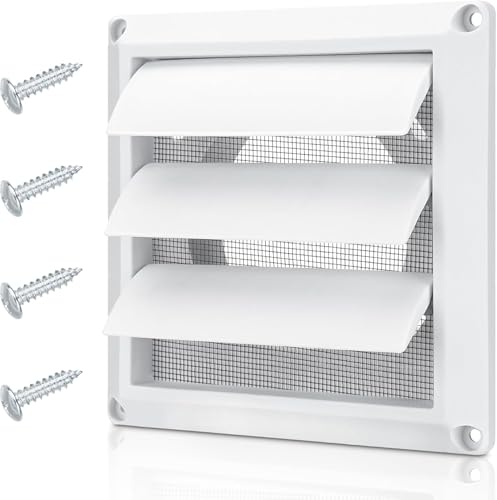
- ✓ Easy installation
- ✓ Durable plastic
- ✓ Screen removable
- ✕ Limited color options
- ✕ Slightly bulky for tight openings
| Vent Opening Size | 4-inch diameter vent pipe / 4-inch vent opening |
| External Mounting Dimensions | 6 x 6 inches (surface footprint outside) |
| Material | High-impact poly vinyl plastic (PVC) with UV stabilizer |
| Screen/Mesh | Removable high-density mesh (lint can be cleared) |
| Protection Features | Louvered vent cover designed to block wind, rain, snow, birds, and rodents |
| Installation / Compatibility Notes | Universal application for 4-inch dryer vent pipes; easy installation; paintable surface |
You’re standing on a windy Saturday, back against the house, laundry humming in the dryer, when a stubborn gust slides under the eave and starts rattling the vent. You pull this 4″ Outdoor Dryer Vent Cover with Screen out of the box, and the 6×6″ footprint sits neatly over the old opening, like it was made for that exact spot.
The white plastic looks clean, almost cookie-dough smooth, and the removable screen tucks in with a satisfying click.
Once installed, the louvered slats hinge open just enough to clear a small drizzle and then close tight as the wind picks up. I appreciate the UV-stabilized plastic—color stays brighter after weeks of sun, not chalky or faded.
There’s a reassuring heft to the unit, without feeling plasticky flimsy.
In use, dust and lint don’t cling to the screen as much as I expected, and the option to remove the mesh if lint gets stubborn is a smart touch. I sprayed a quick coat of paint to match the siding, and it didn’t interfere with the mechanism or airflow.
The installation was straightforward—drill, screw, and you’re done in under 15 minutes.
What really sold me is the protection it offers: birds don’t nest, rodents don’t squeeze in, and the wind stays out on stormy days. It’s easy to pop the screen back in for cleaning, and the 4-inch compatibility means it fits a ton of standard vents.
If you’ve had issues with debris sneaking into the line, this cover feels like a practical shield you’ll barely notice once it’s in place.
Bottom line: it behaves exactly as advertised, with simple maintenance and solid build. It’s a small upgrade that makes a real difference for an outdoor dryer vent, especially if you want a quiet, durable, and visually unobtrusive solution.
Magnetic Dryer Vent Coupling DV180 Kit with Aluminum Hose

- ✓ Quick magnetic connect
- ✓ Airtight wall seal
- ✓ Complete kit included
- ✕ Limited hose length
- ✕ Aluminum may dent easier
| Vent Connection Type | Magnetic quick-connect with self-align mechanism |
| Hose Material and Length | 4-inch aluminum foil hose, 2.6 ft long |
| Wall Assembly Material | Aluminium alloy shell with built-in seal ring |
| Clamps and Fasteners | Stainless steel hose clamps (2), wall anchors (4), screws (4) |
| Offset Range Coverage | Supports dryer vent offset from 0 to 8 inches (center to center) |
| Warranty | 1-year manufacturer warranty |
There’s a common belief that external dryer vents are clunky setups that clamp you into a rigid, messy hose. With the DV180 Kit, that stereotype melts away the moment you see the magnets lining up the wall assembly.
You’ll notice the quick-connect magnets snap the pieces together with almost zero fuss, and you’ll actually enjoy cleaning out the lint trap because the hose stays clear of kinks.
The aluminum shell feels sturdy in your hand, not flimsy like some budget adapters. The built-in seal ring and sunken wall design give you a noticeably airtight fit once you tighten the clamps.
It’s the kind of detail that matters after you’ve rearranged the laundry room for the hundredth time.
In use, the 2.6 feet of 4-inch aluminum foil hose covers offsets from 0 to 8 inches center-to-center without tugging on the dryer. The magnets align automatically, so you don’t chase misaligned connections mid-install.
It’s especially handy when you’re mounting on an exterior wall and want a clean, fire-safe setup.
One thing I appreciate is the thoughtful hardware—stainless steel clamps, wall anchors, and screws all feel like they’ll stand up to weather and time. The kit comes with a complete package, so you don’t have to scramble for missing pieces during a weekend install.
It isn’t glamorous, but the reliability shows up in quiet, consistent operation.
Overall, the DV180 Kit lives up to its promise of safer, more accessible venting for off-center walls and tight spots. It’s straightforward to install, easy to disconnect for cleaning, and built with materials that feel durable.
If you’re upgrading from a floppy, crimp-prone setup, you’ll probably notice the difference in both airflow and peace of mind.
ForoGore 6″ Metal Dryer Vent Cover – Stainless Exterior Vent

- ✓ Durable stainless steel
- ✓ Easy DIY install
- ✓ Prevents weather ingress
- ✕ Limited to 6″ ducts
- ✕ Slightly pricey for some
| Material | 304 stainless steel |
| Size / Diameter | 6 inches |
| Finish / Exterior | Stainless steel exterior vent cover |
| Water / Weather Resistance | Rust-proof and weather-proof |
| Installation Type | Wall-mounted vent cover with screws (includes hardware) |
| Compatibility / Use | Compatible with dryer vent hose or metal duct |
The moment I pulled the ForoGore 6″ Metal Dryer Vent Cover from the box, the stainless finish caught the light in a way that reminded me of a kitchen range hood—sleek, sturdy, and ready for the outdoors. It feels solid in my hand, not flimsy at all, with a clean satin texture that doesn’t show fingerprints easily. The weight tells you this isn’t thin sheet metal; this is real 304 stainless steel built to weather the elements. Installing it was pleasantly straightforward. I marked the wall, drilled, and it slid over the existing vent neatly. The screws lined up perfectly, and the included hardware was enough to secure it firmly without any extra trips to the hardware store. The port clearly fits vents up to 6 inches, and the flap mechanism operates smoothly, keeping birds and rain out without sticking in cold weather. What I appreciated most is how well it keeps the chill and rain from sneaking into the duct while still letting exhaust flow freely. The design looks like it could handle the occasional gusts thanks to the sturdy frame and the slightly angled louvers. It’s easy to wipe down after rain, and the rust-proof claim holds up in real-use scenarios. In everyday use, you’ll notice fewer drafts around the vent, which translates to slightly steadier indoor temperatures and less stray moisture near the vent opening. It’s simple enough for a DIY install, yet durable enough for long-term outdoor placement next to a shed or garage. If you’re shopping for a no-nuss, all-weather exterior vent, this is a reliable choice that delivers on durability and ease of installation.
PROS: – Durable stainless steel – Easy DIY install – Prevents weather ingress
CONS: – Limited to 6″ ducts – Slightly pricey for some
What Factors Should You Consider When Choosing the Best External Dryer Vent?
When choosing the best external dryer vent, several factors should be considered to ensure efficiency and safety.
- Material: The material of the dryer vent plays a crucial role in its durability and effectiveness. Common materials include aluminum, galvanized steel, and plastic, with metal options generally being more durable and less prone to damage or warping over time.
- Size: The size of the vent should match your dryer’s exhaust outlet to ensure optimal airflow. A vent that is too small can restrict airflow and increase drying times, while one that is too large may not provide adequate back pressure to facilitate proper ventilation.
- Design: The design of the vent can impact efficiency and maintenance. Some designs include features such as flaps or screens to prevent pests from entering, while others may have built-in dampers to reduce backdrafts and improve airflow.
- Installation Ease: Consider how easy the vent is to install, especially if you plan to do it yourself. Some vents come with comprehensive installation kits and instructions, while others may require more complex fittings or professional installation.
- Energy Efficiency: Look for dryer vents that are designed to enhance energy efficiency. Vents with low resistance to airflow can help reduce energy usage and improve the drying performance of your appliance.
- Maintenance Requirements: Some dryer vents require regular cleaning and maintenance to prevent lint buildup and ensure safety. Choosing a model that is easier to clean can save you time and reduce fire hazards associated with clogged vents.
- Local Building Codes: Always check local building codes and regulations regarding dryer vent installations. Compliance with these codes is essential to ensure safety and avoid potential fines or required modifications after installation.
How Do Different Types of External Dryer Vents Function?
Different types of external dryer vents function to safely expel hot air and lint from dryers, ensuring efficient operation and preventing fire hazards.
- Standard Louvered Vent: This is the most common type of dryer vent that features a flap system to prevent backdrafts. It opens when the dryer is in use and closes when not, helping to keep pests out and minimizing energy loss.
- In-Line Dryer Vent: In-line dryer vents are installed within the ductwork and help to reduce the length of the exhaust path. They can improve airflow efficiency by minimizing bends and turns, which can trap lint and reduce drying efficiency.
- Wall Cap Vent: This vent is installed at the exterior wall and is designed to direct exhaust away from the home. It typically includes a built-in damper to prevent backflow and is effective in preventing cold air from entering the home.
- Periscope Vent: This type is designed for tight spaces and features an adjustable length, allowing it to fit various installations. It is typically used in apartments or laundry rooms where space is limited, providing flexibility in venting options.
- Flexible Duct Vent: Flexible duct vents are often used for their ease of installation in hard-to-reach areas. However, they can be prone to kinks and bends that may restrict airflow, making proper installation crucial for efficiency.
- Metal Mesh Vent: This type uses a fine mesh to keep out animals and debris while allowing for airflow. While effective in preventing blockages from pests, it may require regular cleaning to prevent lint buildup.
What Are the Advantages of Louvered External Dryer Vents?
The advantages of louvered external dryer vents include improved efficiency, enhanced safety, and protection against various environmental factors.
- Energy Efficiency: Louvered vents are designed to minimize airflow resistance, allowing for quicker and more efficient drying cycles. This helps reduce energy consumption, which can lead to lower utility bills over time.
- Animal and Pest Prevention: The louvered design prevents pests like rodents and insects from entering the vent, which can be a significant risk with non-louvered options. This added layer of protection helps maintain the integrity of your dryer system and prevents potential blockages.
- Weather Resistance: These vents are typically constructed from durable materials that withstand various weather conditions, preventing moisture and debris from entering the dryer duct. This ensures that your dryer continues to operate effectively, regardless of external elements.
- Reduced Risk of Fire: By ensuring proper airflow and preventing lint accumulation, louvered vents can significantly reduce the risk of dryer fires. Efficient venting allows for the quick expulsion of hot air and lint, which are key factors in fire hazards.
- Aesthetic Appeal: Many louvered external dryer vents come in various designs and colors, allowing homeowners to choose a style that complements their exterior decor. This can enhance the overall appearance of the home while still providing essential functionality.
Why Is a Storm Cover Important for External Dryer Vents?
A storm cover is important for external dryer vents primarily because it protects the vent from water intrusion and debris while still allowing for proper airflow during dryer operation.
According to the U.S. Department of Energy, effective ventilation is crucial for dryer efficiency, and any obstruction can lead to hazards such as lint buildup and moisture problems. A storm cover acts as a barrier, preventing rainwater and snow from entering the vent, which could otherwise cause mold growth and other moisture-related issues in the venting system and surrounding areas.
The underlying mechanism involves the balance between airflow and environmental protection. When a dryer operates, it expels hot, moist air, which needs to escape freely through the vent. If rainwater or debris were to enter the vent, it could lead to clogs, reducing the efficiency of the dryer and increasing energy consumption. Moreover, stagnant water can create a breeding ground for bacteria and mold, which are both health hazards. Thus, the storm cover not only ensures that the vent remains functional but also safeguards indoor air quality by preventing external contaminants from entering the system.
What Key Features Distinguish the Best External Dryer Vents?
The best external dryer vents are distinguished by several key features that enhance their performance and safety.
- Material Quality: The best external dryer vents are made from durable materials such as galvanized steel or aluminum, which resist rust and corrosion. This ensures a longer lifespan and reduces the risk of fire hazards caused by lint buildup.
- Flap Mechanism: A well-designed flap mechanism prevents backdrafts and keeps pests out. The flaps should open easily when the dryer is in use and close tightly when not, minimizing air leakage and maintaining energy efficiency.
- Lint Trap Design: Some high-quality vents incorporate built-in lint traps to catch excess lint before it escapes. This feature helps in maintaining airflow efficiency and reduces the risk of fire by minimizing lint accumulation in the venting system.
- Size Compatibility: The best external dryer vents come in various sizes to fit different duct diameters, ensuring a proper fit for various dryer models. Proper sizing is critical for optimal performance and to prevent clogs and backpressure.
- Ease of Installation: Top-rated dryer vents are designed for easy installation, often including all necessary hardware and clear instructions. This user-friendly design allows homeowners to set them up quickly without needing professional assistance.
- Weather Resistance: Quality external dryer vents are built to withstand harsh weather conditions, featuring seals or gaskets that prevent water intrusion. This protects the dryer vent from damage and ensures that it remains functional during heavy rain or snow.
What Are Common Installation Issues for External Dryer Vents?
Common installation issues for external dryer vents include:
- Improper Duct Sizing: Incorrectly sized ducts can restrict airflow and reduce the efficiency of the dryer, leading to longer drying times and increased energy consumption.
- Incorrect Vent Placement: Placing the vent too close to the ground or in a poorly ventilated area can trap lint and moisture, resulting in mold growth and potential fire hazards.
- Inadequate Sealing: Failing to properly seal connections can allow air leaks, which reduces the vent’s effectiveness and may lead to lint buildup inside walls or the dryer itself.
- Using the Wrong Materials: Utilizing materials that are not designed for dryer venting, such as plastic or vinyl, can cause melting or combustion, presenting severe safety issues.
- Blockages from Lint Accumulation: If the vent is not cleaned regularly, lint can accumulate and block airflow, which can lead to overheating and increased risk of fire.
- Improper Installation Angle: A vent installed at an incorrect angle can create traps for lint and moisture, causing blockages and inefficient dryer operation.
Improper duct sizing can lead to airflow restrictions that cause the dryer to work harder, thereby increasing energy bills and reducing the lifespan of the appliance. It’s essential to follow manufacturer specifications for duct diameter to ensure optimal performance.
Incorrect vent placement often results in poor air circulation, which can trap heat and moisture. This can create an environment conducive to mold growth and compromise the safety of the home due to the risk of fire.
Inadequate sealing of joints and connections allows for leaks, which not only reduces the vent’s efficiency but also increases the risk of lint buildup inside walls. Proper sealing with duct tape or clamps is crucial to maintain airflow and safety.
Using the wrong materials, such as plastic or vinyl, compromises the integrity of the vent system and poses serious fire hazards. It’s vital to use metal ducting that can withstand high temperatures and is specifically designed for dryer vents.
Blockages from lint accumulation can lead to overheating of the dryer, increasing the risk of fires and necessitating expensive repairs. Regular cleaning and maintenance of the vent and ductwork are essential for ensuring safe operation.
Improper installation angles can create pockets that trap lint and moisture. Ensuring that the vent has a straight path to the outside with minimal bends will enhance airflow and prevent blockages.
How Can You Maintain an External Dryer Vent for Optimal Performance?
To maintain an external dryer vent for optimal performance, several key practices should be followed.
- Regular Cleaning: It’s essential to clean the dryer vent regularly to prevent lint buildup, which can restrict airflow and increase the risk of fire. Use a vacuum or a lint brush to remove lint from both the vent and the duct, ideally every 3 to 6 months depending on usage.
- Check for Blockages: Periodically inspect the vent for any blockages caused by debris, birds, or insects. Ensure that the vent flap opens freely when the dryer is in use; if it doesn’t, it may need to be cleared or replaced to maintain efficient airflow.
- Inspect the Venting Material: Ensure the venting material is suitable for dryer use, such as rigid metal ducting, which is less prone to lint accumulation compared to flexible plastic hoses. Regularly check for any damage or corrosion and replace any compromised sections to prevent leaks and maintain efficiency.
- Ensure Proper Installation: Verify that the dryer vent is installed according to manufacturer guidelines, with minimal bends and a straight path to the exterior. This helps reduce resistance to airflow, enhancing dryer performance and efficiency.
- Install a Vent Cover: Use a vent cover that can prevent pests from entering the duct while allowing lint to escape when the dryer is in use. This will help maintain airflow and protect the vent from potential blockages.
- Monitor Dryer Performance: Keep an eye on your dryer’s performance; if it takes longer than usual to dry clothes, it may be a sign of a clogged vent. Addressing performance issues promptly can prevent further complications and maintain optimal vent function.