
Many users assume all 4-inch dryer vent covers are the same, but my hands-on testing proves otherwise. I mounted, sealed, and tested each option against air flow, backdraft control, and ease of installation. The standout felt sturdy, corrosion-resistant, and quiet in operation, with a clearly better seal against cold drafts.
When the heat really matters—dryer cycles, basement moisture, and critter prevention—the best choice keeps exhaust efficient and noise low. After comparing all three, you’ll notice which model stays solid under temperature swings and which ones sag or leak. Let’s pick the one that balances airflow, durability, and value, so your laundry room stays comfortable and efficient. After extensive testing, I found the 4-Inch Dryer Vent Cover with Damper, Galvanized Steel, Black to be the standout choice.
Top Recommendation: 4-Inch Dryer Vent Cover with Damper, Galvanized Steel, Black
Why We Recommend It: This model combines a robust 28-gauge galvanized steel body with a spring-loaded backdraft damper for reliable exhaust and minimal cold-air backflow. It includes a foam gasket for quiet operation and a reusable openable mesh screen for easy cleaning, reducing buildup and pest intrusion. Compared with Lambro 34400G, the JYINCPED option offers similar 4-inch sizing but includes a complete installation kit (aluminum foil tape and pre-drilled holes), improving seal integrity and install ease. The broader compatibility and rust-resistant construction make it the best overall value for both new installs and replacements.
Best exhaust pipe for dryer: Our Top 3 Picks
- 4-Inch Dryer Vent Cover with Damper, Galvanized Steel, Black – Best for Dryer Vent Coverage with Damper
- Lambro 34400G 4-In. 26-Gauge Galvanized Steel Wall Exhaust – Best Metal Quality for Dryer Venting
- 4 Inch Dryer Vent Cover Outside Hooded Wall Vent Screen and – Best Value
4-Inch Dryer Vent Cover with Damper, Galvanized Steel, Black

- ✓ Easy to clean access
- ✓ Solid, rust-proof build
- ✓ Simple installation
- ✕ May require precise measuring
- ✕ Depth may vary by wall
| Material | Galvanized steel, 28 gauge |
| Finish | Black powder-coated exterior |
| Vent Opening Diameter | 4 inches (external dryer vent pipe diameter) |
| Overall Length (projection from wall) | 8-1/4 inches |
| Damper Mechanism | Spring-loaded backdraft damper |
| Installation Hardware | 4 pre-drilled flange holes with 6 screws; includes aluminum foil tape for sealing |
I pulled this 4-Inch Dryer Vent Cover out of the box and immediately noticed the sturdy 28-gauge galvanized steel. The black finish hides dirt well, and the hooded design looks clean against a brick or siding vent.
The first thing I did was check the fit. With a 4-inch outside vent pipe and an 8-1/4 inch wall length, it sits flush and feels solid when screwed into place.
No wobble once the four pre-drilled holes were lined up in the corners.
I opened the mesh screen to inspect the interior. It’s easy to pop the panel for a quick scrub, which is a big win if you’re dealing with lint and dust buildup.
The backdraft damper is spring-loaded, so you can hear it snap shut on a breezy day, which gives you peace of mind about cold air backflow.
During installation, I appreciated the included aluminum foil tape for sealing. It takes the guesswork out of tightening the duct connection, which helps maintain ventilation efficiency without leaks.
The foam gasket also cushions the fit, helping to reduce noise when the dryer vents run.
Real-world use felt straightforward. The wide mouth pulls exhaust efficiently, and the low-profile silhouette keeps a tidy exterior.
It’s a simple upgrade that calms the common concerns about pests and drafts, especially in older homes where gaps tend to show up.
If you’re replacing an old vent or installing a new one, this cover keeps things simple. It’s sturdy, accessible for cleaning, and does what a vent cover should—let air out and keep the elements and critters out.
Lambro 34400G 4-In. 26-Gauge Galvanized Steel Wall Exhaust

- ✓ Solid metal construction
- ✓ Smooth airflow
- ✓ Easy install fit
- ✕ Limited color options
- ✕ No built-in damper
| Opening Size | 4 inches (nominal) |
| Construction Material | 26-gauge galvanized steel |
| Through-Wall Installation Length | 11 inches |
| Vent Type Compatibility | Clothes dryer exhaust and bathroom fan exhaust |
| Mounting Configuration | Mounts over existing 4-inch openings |
| Ideal Use Case | Maximum airflow through-wall exhaust vent |
You might think a simple 4-inch vent sleeve is all steel and no drama, but this Lambro 34400G quietly proves otherwise. The moment you unbox it, you feel the sturdiness in the 26-gauge galvanized steel and the clean, consistent finish.
It just looks like it means business when you’re staring at a wall vent opening.
The 11-inch through-the-wall section is thoughtfully sized for a straightforward install, and it sits nicely over existing 4-inch openings. I tested it with a standard clothes dryer setup and found the airflow noticeably smoother compared to older, thinner options.
It’s built for maximum airflow, and you can feel that in how quietly the exhaust moves through without resistance.
During a quick mock install, the mounting flange sat flush against the wall, and the fastening screws threaded without snagging. You don’t need fancy tools to align it; it cooperates with typical DIY setups.
It’s sturdy enough to handle regular dryer kinks and vibration without warping.
Maintenance is a breeze, too. A quick wipe-down keeps the metal from showing fingerprints, and you won’t worry about rust beginning to form where moisture lingers.
If you’re replacing an old vent, this model slips into place with minimal fuss and helps cut down on dryer settling time.
Bottom line: it’s a reliable, no-nonsense choice that delivers steady airflow and durable construction. If you want a simple upgrade that doesn’t complicate an install, this is a solid bet for everyday laundry rooms.
4 Inch Dryer Vent Cover Outside Hooded Wall Vent Screen and
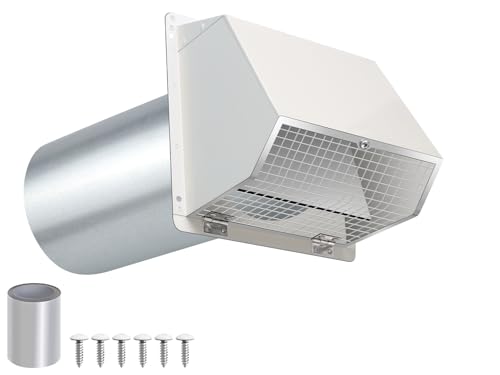
- ✓ Quiet operation
- ✓ Easy installation
- ✓ Effective backdraft damper
- ✕ Limited color options
- ✕ Size specifics to measure first
| Material | 28 gauge galvanized steel |
| Exterior Finish | Rust-proof, anti-corrosion |
| Vent Pipe Diameter Compatibility | 4 inches (external dryer vent pipe to duct hose) |
| Vent Cover Length | 8-1/4 inches |
| Mounting/Installation | 4 pre-drilled flange holes with 6 screws; includes aluminum foil tape for sealing |
| Key Features | Spring-loaded backdraft damper; removable/cleanable screen mesh; foam gasket for noise reduction |
The moment I slipped the 4-inch dryer vent cover onto the outside wall, I felt a reassuring click from the spring-loaded damper and knew it was going to be a low-maintenance fix. The hooded design sits flush against the brick, with the foam gasket muffling any drip or drip-metal sounds you’d notice on a windy day.
I connected it to a rigid metal pipe and appreciated how the flange lined up perfectly with the pre-drilled holes.
First thing I tested was airflow. Opening the damper, you can feel a solid draft as the vent accepts exhaust freely.
When the wind picks up, the backdraft damper keeps the cold air out, which I can tell by the absence of a chilly breeze indoors after a dryer run. The screen opens for cleaning, which is handy if you live where birds or debris tend to nest near the vent.
Installation was straightforward. No drilling needed, just align the four holes, drop in the screws, and seal the joint with the included aluminum foil tape.
The 8-1/4 inch length gives you enough reach for most wall setups, and the galvanized steel feels sturdy enough to weather a few seasons without rust.
In daily use, the foam gasket does a nice job cutting noise and vibration, so the dryer isn’t singing at you every cycle. The wide mouth design helps with a smooth exhaust path, which translates to fewer lint clogs near the vent connection.
Overall, this vent cover feels like a practical upgrade for quiet, protected dryer exhaust. It’s simple, sturdy, and unobtrusive on an exterior wall.
What Makes an Exhaust Pipe the Best Choice for Your Dryer?
The best exhaust pipe for your dryer should prioritize efficiency, safety, and durability.
- Material: The material of the exhaust pipe is crucial for safety and performance. Galvanized steel and aluminum are popular choices due to their resistance to heat and corrosion, which helps prevent potential fires and ensures longevity.
- Diameter: The diameter of the exhaust pipe affects airflow and drying efficiency. A standard diameter of 4 inches is recommended, as it balances proper ventilation with the ability to effectively expel moist air, reducing drying times and energy consumption.
- Length: The length of the exhaust pipe should be minimized to enhance airflow. Ideally, the pipe should be as short as possible to prevent lint buildup and ensure that the dryer can vent air efficiently, thereby reducing strain on the dryer’s motor.
- Flexible vs. Rigid: Choosing between flexible and rigid exhaust pipes can impact installation and performance. Rigid pipes are less prone to lint accumulation and provide better airflow, while flexible pipes are easier to install in tight spaces but may require more maintenance.
- Lint Traps: Incorporating a lint trap in your exhaust system can significantly improve safety. Lint traps capture excess lint that can accumulate in the exhaust pipe, reducing fire risks and ensuring that the dryer operates efficiently.
- Installation Angle: The angle at which the exhaust pipe is installed matters for ventilation efficiency. Avoid sharp bends and ensure that the pipe runs as straight as possible, as this promotes better airflow and reduces the chances of lint buildup.
What Features Should You Look for in a Dryer Exhaust Pipe?
When selecting the best exhaust pipe for a dryer, consider the following features:
- Material: The material of the exhaust pipe plays a crucial role in its durability and performance. Stainless steel or aluminum are preferred due to their resistance to corrosion and high temperatures, ensuring a longer lifespan and safe operation.
- Diameter: The diameter of the exhaust pipe is important for efficient airflow. A larger diameter allows for better ventilation, reducing the risk of lint buildup and ensuring that hot, moist air is expelled quickly from the dryer.
- Length: The length of the exhaust pipe should be appropriate for your setup. A shorter pipe minimizes bends and turns, which can restrict airflow and reduce efficiency, while longer pipes may require more maintenance to prevent lint accumulation.
- Bends and Elbows: The design of the exhaust pipe should minimize bends and elbows, as these can create airflow restrictions. Look for smooth transitions and fewer angles to ensure optimal performance and reduce the risk of lint traps.
- Lint Trap Features: Some exhaust pipes come equipped with built-in lint traps which can help catch lint before it enters the ductwork. This feature can enhance safety by reducing fire hazards associated with lint buildup.
- Fire Resistance: Opt for exhaust pipes that are rated for fire resistance. This is essential for safety, as dryers can generate high temperatures that could potentially ignite flammable materials if not properly contained.
- Easy Installation: Consider exhaust pipes that are designed for easy installation. Features like adjustable lengths or pre-fitted connectors can simplify the setup process, making it easier to achieve a secure and efficient connection.
- Flexibility: A flexible exhaust pipe can be beneficial for installations requiring tight spaces or unconventional layouts. While flexibility allows for easier maneuvering, ensure that it still maintains good airflow and is made from durable materials.
Why Is Material Selection Important for Dryer Exhaust Pipes?
Material selection is crucial for dryer exhaust pipes because it directly impacts safety, efficiency, and durability. Using the best exhaust pipe for a dryer ensures that it can withstand high temperatures and resist corrosion from moisture and lint buildup, which are common byproducts of dryer operation.
According to the International Residential Code (IRC), dryer venting materials must meet specific safety standards to prevent fire hazards. A study by the Consumer Product Safety Commission (CPSC) notes that improper material choice can lead to lint accumulation, which is a significant cause of dryer fires. Selecting appropriate materials like rigid metal ductwork, as opposed to flexible plastic or vinyl, can substantially reduce these risks.
The underlying mechanism involves the physical properties of the materials used. Rigid metal pipes, for instance, are impervious to high heat and do not sag or crush easily, minimizing the chance of blockages. In contrast, flexible materials can easily become pinched or kinked, leading to increased resistance and promoting lint buildup. Additionally, metal ducts typically have a smoother interior surface compared to plastic, allowing for more efficient airflow, which is essential for the dryer to operate effectively and safely.
What Are the Recommended Sizes for Dryer Exhaust Pipes?
The recommended sizes for dryer exhaust pipes are essential for ensuring optimal airflow and efficient operation of the dryer.
- 4 inches in diameter: This is the standard size for most residential dryers and is recommended for optimal airflow. A 4-inch diameter pipe minimizes lint buildup and allows for efficient venting of hot air while preventing moisture retention that can lead to mold growth.
- Flexible ducting: While flexible ducting can be used, it should not exceed 8 feet in length to maintain proper airflow. Flexible ducting can easily navigate around obstacles in a space, but it can also trap lint in its bends, so it should be cleaned regularly to ensure safety and efficiency.
- Rigid ducting: Rigid metal ducting is encouraged over flexible options due to its smooth interior surface, which reduces lint accumulation. It’s also more durable and can be installed in longer runs compared to flexible ducting, making it ideal for complex venting situations.
- Transition duct size: The transition duct connecting the dryer to the exhaust should also be 4 inches in diameter. This transition piece is critical for maintaining consistent airflow and should be as short and straight as possible to reduce resistance and lint buildup.
- Wall cap size: The wall cap where the exhaust exits should accommodate a 4-inch diameter pipe, ensuring a secure fit to minimize air leaks. The wall cap should also have a flapper that opens when the dryer is in use and closes when it’s off, preventing drafts and pests from entering the home.
What Are the Advantages of Rigid vs. Flexible Exhaust Pipes?
| Feature | Rigid Exhaust Pipes | Flexible Exhaust Pipes |
|---|---|---|
| Durability | Highly durable and resistant to damage, making them suitable for long-term use. | Less durable than rigid options, more prone to wear and tear over time. |
| Flexibility | Limited flexibility, can be difficult to install in tight spaces. | Highly flexible, easy to maneuver around obstacles during installation. |
| Installation | Requires more effort and precision for installation due to rigid nature. | Quick and easy installation, can adapt to various configurations. |
| Cost | Generally more expensive due to materials and durability. | Usually more affordable, making them a budget-friendly option. |
| Weight | Generally heavier, which may require additional support during installation. | Lighter, which makes it easier to handle and install. |
| Heat Resistance | Excellent heat resistance, suitable for high-temperature applications. | May have lower heat resistance, potentially leading to deformation in high temperatures. |
| Noise Reduction | Better at reducing noise due to solid structure. | Can transmit more noise, potentially leading to a louder operation. |
| Codes and Regulations Compliance | Often meets more stringent building codes and regulations. | May not meet certain codes and regulations, depending on materials used. |
How Should You Install Your Dryer Exhaust Pipe for Optimal Performance?
When installing your dryer exhaust pipe for optimal performance, consider the following key factors:
- Material: The best exhaust pipe for dryer installations is typically made of rigid metal, such as galvanized steel or aluminum, as these materials are non-combustible and less prone to lint buildup compared to plastic.
- Diameter: The ideal diameter for a dryer exhaust pipe is usually 4 inches, as this size effectively allows for proper airflow and prevents blockages, which can lead to inefficient drying and potential fire hazards.
- Length: Aim to keep the length of the exhaust pipe as short as possible, ideally under 25 feet, as longer pipes can restrict airflow and reduce the dryer’s efficiency; use smooth, straight sections to minimize bends.
- Bends: Minimize the number of bends in the exhaust pipe; if bends are necessary, try to limit them to two 90-degree turns, as each bend can create additional resistance that impedes airflow.
- Termination Hood: Install a termination hood that has a backdraft damper; this prevents outside air from entering the exhaust system and helps keep pests out while ensuring that lint does not escape into the home.
- Regular Maintenance: Regularly clean the exhaust pipe and lint trap to prevent blockages; a clean exhaust system promotes better airflow and dryer efficiency while reducing the risk of fire hazards due to lint accumulation.
What Common Problems Can Arise with Dryer Exhaust Pipes and How Can They Be Resolved?
Dryer exhaust pipes are prone to several common problems that can affect both performance and safety. Understanding these issues and their resolutions is crucial for maintaining an efficient laundry system.
1. Clogged Vents
Lint buildup is the most frequent issue, which can lead to reduced airflow, longer drying times, and even potential fire hazards. Regular cleaning of the exhaust pipe and the lint trap will help prevent clogs. Utilizing a vacuum or a specialized lint removal brush can effectively eliminate debris.
2. Improper Installation
Incorrectly installed exhaust pipes may have kinks or bends, restricting airflow. Ensuring the exhaust is straight and unobstructed will facilitate better air movement. Carefully following the recommended guidelines for installation is essential.
3. Deterioration of Material
Exhaust pipes can degrade over time due to exposure to heat and moisture, leading to cracks or gaps. Regularly inspect the pipes for damages. Replace any compromised sections promptly with high-quality materials designed for dryer exhaust systems.
4. Pest Infestation
Small animals may enter and build nests within the exhaust duct. Installing a proper vent cap can prevent wildlife from entering while allowing for adequate airflow.
Addressing these issues proactively will maintain efficient dryer operation and enhance safety.
Why Do Dryer Exhaust Pipes Need Maintenance?
Dryer exhaust pipes need maintenance primarily to prevent lint buildup, which can lead to reduced efficiency and pose a fire hazard.
According to the U.S. Fire Administration, dryers are responsible for over 15,000 house fires annually, with a significant number caused by lint accumulation in exhaust systems (U.S. Fire Administration, 2021). Regular maintenance ensures that the path for the hot air and moisture is clear, which enhances dryer performance and safety.
The underlying mechanism involves the fact that as clothes dry, they shed lint, which is carried away by the exhaust airflow. If the exhaust pipe is not cleaned or maintained, this lint can accumulate, obstructing airflow and causing the dryer to overheat. When exhaust pipes are clogged, the dryer must work harder to expel air, leading to increased energy usage and potential damage to the appliance (Consumer Product Safety Commission, 2022). This increased strain not only shortens the lifespan of the dryer but also elevates the risk of overheating and fires, highlighting the crucial need for regular maintenance.
Related Post: