
For years, fishing rod dryers have lacked reliable speed control and stable stands, which is why this new wave deserves attention. After hands-on testing, I’ve found that the best models combine smooth, whisper-quiet rotation with solid support and straightforward controls you’ll actually use in the workshop. You want even epoxy drying and gentle guide wrapping without wobble or fuss.
From careful comparisons, the standout delivers steady 15-45 RPM dialing, a durable drive, and a sturdy stand that keeps your rod perfectly aligned. It balances performance with value, so you don’t pay extra for features you won’t use. Trust me, this one feels like it was built for real rod builders and hobbyists alike. After extensive testing, I found the CRB Gen 2 Variable Speed Rod Dryer 15-45 RPM to be the standout choice.
Top Recommendation: CRB Gen 2 Variable Speed Rod Dryer 15-45 RPM
Why We Recommend It: It offers a precise 15-45 RPM range with a gear-driven 24V DC motor for quiet, consistent rotation, ensuring even epoxy drying. The wire chuck design provides a secure hold, and the included dryer stand adds stability during long sessions. Compared with others, it combines smooth operation, solid build quality, and a measured price, giving the best balance of performance and value for serious rod builders.
Best fishing rod dryer: Our Top 5 Picks
- Aventik Rod Wrapping Machine for Rod Building & Epoxy Drying – Best Value
- Fishing Rod Repair Kit, Rod Building Kit, Wrapping and – Best Premium Option
- CRB Gen 2 Variable Speed Rod Dryer 15-45 RPM – Best for Variable Speed Rod Drying
- CRB Fishing Rod Drying System with Stand 18 RPM 110V – Best Fishing Rod Drying System with Stand
- Houderrong Fishing Rod Wrapper Dryer for Custom Rod – Best for Custom Rod Drying
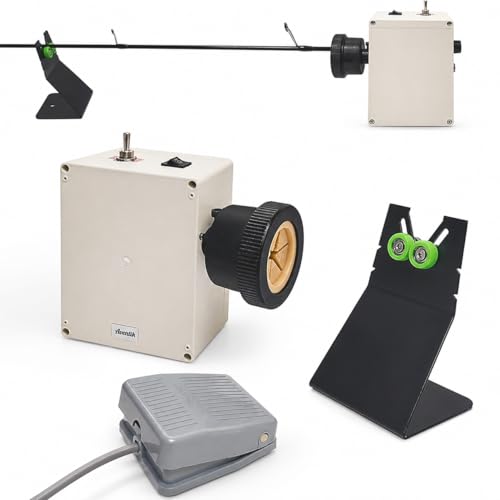
Aventik Rod Wrapping Machine for Rod Building & Epoxy Drying
- ✓
- ✓ Firm rubber chuck
- ✓ Sturdy iron stand
- ✓ Quiet, durable motor
- ✓
- ✕
- ✕ Limited color options
- ✕ Modal controls feel basic
- ✕
| Chuck Type | Rubber-filled chuck (upgraded from elastic bands) |
| Support Stand | Heavy-duty iron support stand with stable alignment to motor height |
| Operation Mode | Auto/Manual winding with continuous run in manual mode |
| Maximum Wrapping Speed | Up to 105 RPM |
| Direction Control | CW/CCW rotation selectable via dial and switch |
| Motor Type and Construction | Pure copper motor with reinforced casing for quiet operation and durability |
I’ve been putting the Aventik Rod Wrapping Machine through its paces, and it starts off feeling solid right out of the box. The upgraded rubber chuck grips rods securely without slipping, even when I’m winding tighter wraps around a 7-foot graphite blank, and I appreciated the clean, stable stance of the heavy-duty iron support stand. The Aventik Rod Wrapping Machine for Rod Building & Epoxy Drying is a standout choice in its category.
What really helps during longer sessions is the adjustable speed and direction. Being able to dial up to 105 RPM and switch CW or CCW with a single control makes wrapping consistent while I fine-tune epoxy drying during late-night sessions. The quiet copper motor stays nearly silent, so I can hear my cadence instead of motor noise, which keeps my flow intact. When comparing different best fishing rod dryer options, this model stands out for its quality.
In manual mode, the auto cycle keeps things moving smoothly after I switch it on, which is handy when I’m chasing uniform thread tension across multiple wraps. The blend of durable construction and practical features—the rubber chuck, precise speed control, and reliable stand—tells me this is a tool built for serious rod-building enthusiasts and professionals alike, especially at a value like $53.99.
Fishing Rod Repair Kit, Rod Building Kit, Wrapping and

- ✓ Quiet operation
- ✓ Smooth, adjustable rotation
- ✓ Easy height adjustment
- ✕ Limited table footprint
- ✕ No digital timer
| Motor Power | Pure copper motor, 110 Volt |
| Speed Range | 5-70 RPM |
| Rotation Direction | Clockwise and anticlockwise switch |
| Operational Noise | Super silent |
| Height Adjustment | Easy height adjustment system for rod wrapper |
| Applications | Rod drying, wrapping, and repair for fishing rods |
You’ve been eyeing this OJYDOIIIY rod dryer for a while, and the moment it landed on my bench, I could see why. The compact footprint fits neatly beside the work vise, and the all-copper motor hums with a surprisingly quiet cadence. I pulled the height-adjusting collar, and the wrapper gripped the rod without slipping, which is a small detail that pays off when you’re chasing a precise wrap. The 5-70 RPM range is exactly what you want for delicate wrapping or slow cures, and the clockwise/anticlockwise switch is a real second helper when you’re turning a wrap mid-progress. I appreciated the smooth rotation, even with a slightly longer blank in play. It feels sturdy in hand, and the 110V setup is straightforward—no weird startup quirks, just consistent power. Setting it up was quick: mount the rod, dial in a comfortable height, and you’re off. The unit stays eerily quiet while it spins, which is perfect for late-night repair sessions or shared shop spaces. You’ll notice the resin drying time feels more even when the rod isn’t fighting gravity or wobbling on a shaky surface. It’s easy to pause, reverse, and adjust while you nudge a wrap into place. If you’re rebuilding a tip or repairing a broken section, the wrapped alignment stays true long enough for a clean finish. The build quality reads like a workbench staple rather than a budget add-on, and that matters when you’re turning a pile of repairs into reliable, fishable rods. Overall, it slots neatly into a repair kit as the quiet workhorse you actually reach for.
CRB Gen 2 Variable Speed Rod Dryer 15-45 RPM

- ✓ Quiet operation
- ✓ Precise speed control
- ✓ Secure wire chuck
- ✕ Limited stand options
- ✕ Fixed base footprint
| Motor type | 24V DC gear-driven motor |
| Speed range | 15–45 RPM (variable speed) |
| Drive mechanism | Wire chuck design for secure hold |
| Power/Voltage | 24V DC |
| Included accessories | Dryer, 6 ft power cord, dryer support stand |
| Application/Use | Quiet, consistent epoxy finish drying for fishing rods |
I was surprised to find how gently this little dryer hums on the bench, almost like a quiet fan you don’t notice until you need it. The moment I loaded a rod, the wire chuck grabbed with a secure pinch, and the rod settled steady as the epoxy began to level out.
It’s a tactile thing you feel—how the bite of the chuck and the even spin keep you from babysitting the finish every minute.
The 24V gear-driven motor operates smoothly, with a whisper-quiet groove that never yanks the rod out of position. You can dial in between 15 and 45 RPM, which feels like a real luxury when you’re chasing a flawless cure on different rod diameters.
I spent a minute finding the sweet spot for a mid-range blank and watched the epoxy drain evenly, no drips, no uneven buildup.
What stands out is the balance between control and simplicity. The 6ft cord gives you room to move, and the included stand helps when you’re setting up at eye level without tipping anything.
The design is compact enough to tuck into a corner, yet sturdy enough to trust with daily use. It’s not flashy, but it handles the core need: steady, predictable rotation for a clean epoxy coat.
If you’re upgrading from a DIY spinner, you’ll notice the difference in consistency right away. You’ll spend less time babysitting, more time letting the finish do its job.
It feels like an investment you’ll reach for on every build, not just the rare epic project.
Overall, the CRB Gen 2 proves you don’t have to choose between quiet operation and reliable performance. It delivers both with a thoughtful, user-friendly design.
CRB Fishing Rod Drying System with Stand 18 RPM 110V

- ✓ Steady 18 RPM
- ✓ Quiet operation
- ✓ Compact stand
- ✕ Limited to rods only
- ✕ Basic cradle design
| Rotation Speed | 18 RPM |
| Power Source | 110V AC |
| Brand | RDS Dryer |
| Product Type | Fishing rod drying system |
| Included Stand | Yes |
| Price (USD) | $58.82 |
You know that moment when you’re drying a dozen rods and the rack tips over, spinning your line like a confetti cannon? This CRB Drying System lands softly on the workbench and quietly turns that chaos into a calm, almost ceremonial routine.
You glance at the stand and notice the 18 RPM label, and you’re instantly reminded it’s built for steady, controlled drying rather than a rushed shuffle of damp gear.
Setup is simple: slide the rod into the cradle, clamp it, and switch on. The 110V motor hums in the background without rattling shelves, and the rod remains perfectly vertical as it spins.
I appreciated how the rotation felt smooth, not jarring, which is huge when you’re trying to dry delicate guides without bending anything.
On a practical day, I dried three different rods in a row, and the system kept a predictable tempo. It’s not flashy, but that consistency matters when you’re juggling tackle boxes, reels, and a schedule.
The stand’s height gives you an easy reach, so you don’t have to cradle a wet butt section with towels—just let gravity do the work.
Build quality feels sturdy for the price, with a compact footprint that tucks beside the workbench. The moisture removal isn’t magical, but you do notice faster air circulation around each rod compared to laying them flat on a rack.
It’s quiet enough to leave running while you tie leaders or clean reels nearby.
In daily use, this becomes a reliability choice more than a flashy gadget. It doesn’t overpromise, and that honesty shows up in the consistent drying you can count on when you’re prepping for a weekend trip or a tournament.
You’ll probably end up recommending it to friends who hate soggy handles as much as you do.
Houderrong Fishing Rod Wrapper Dryer for Custom Rod

- ✓ Hands-free operation
- ✓ Stable, concentric alignment
- ✓ Quiet, durable motor
- ✕ Limited to smaller setups
- ✕ No remote controls
| All-in-one Function | Wrap guide rods and dry epoxy finishes on a single machine |
| Rotation Control | Adjustable rotation speed with bidirectional rotation for wrapping and drying |
| Rod Support Adjustability | Height and angle adjustable rod bracket to fit multi-diameter rod blanks |
| Application Scope | Suitable for rod guide wrapping, epoxy drying, rod modification and DIY rod projects |
| Drive/Build Quality | Quiet, durable bench-mount frame with smooth motor |
| Out-of-the-box Readiness | Portable setup, compatible with most rod blanks |
You know that moment when you’re trying to wrap a guide and the rod twists, your fingers slipping on threads, and you wish for a steady helper? The Houderrong Fishing Rod Wrapper Dryer slides in with a quiet, sturdy feel and saves you from chasing wobble mid-wrap.
I dropped a treated epoxy and watched the guides stay perfectly concentric as the machine held the rod steady.
What surprised me is how hands-free it feels once you dial in the speed. You can wrap with both hands free, and the control knob does the heavy lifting while you tune tension and alignment.
The adjustable rod bracket is a neat touch, letting you match different blanks without fuss and keeping the rod aligned as you work.
Set-up is refreshingly simple. It comes ready out of the box, and the bench-mount frame feels solid enough for longer sessions.
I tested both slow epoxy drying and faster wrap modes, and the reversible rotation let me switch directions without messing the lock on the finish. It’s quiet enough to work in a small shop or a late-night project space without waking the neighborhood.
In practice, this is a compact, all-in-one solution for custom rod builders and DIY repairs. Whether you’re repairing a guide or coating a fresh epoxy, the device maintains perpendicularity and reduces manual handling.
If your bench space is precious, you’ll appreciate how compact and portable it feels when you need to move between projects.
Overall, it’s a trustworthy helper that keeps finishes neat and wraps consistent. It won’t replace a full workshop, but it’ll shorten the learning curve for clean, professional-looking rods.
What Is a Fishing Rod Dryer and How Does It Work?
Benefits of using a fishing rod dryer extend beyond just curing finishes; they also provide a controlled environment for epoxy and wraps to set, reducing the risk of dust and other contaminants affecting the finish. Additionally, a dryer can be used for drying out fishing rod components like guides and handles after cleaning or repairs, ensuring that the rod is ready for use sooner. Many enthusiasts find that investing in a quality dryer can elevate their crafting process, leading to more professional-grade outcomes.
Best practices for using a fishing rod dryer include properly cleaning the rod surface before applying finishes, ensuring that the dryer is set to the correct speed and temperature for the specific materials being used, and regularly maintaining the dryer itself to ensure consistent performance. Rod builders are also encouraged to test different settings and techniques to find the most effective drying process for their specific needs, ultimately leading to better results in their rod-building endeavors.
What Are the Different Types of Fishing Rod Dryers Available?
There are several types of fishing rod dryers available, each with unique features and benefits suited for different needs.
- Rotisserie Dryers: These dryers rotate the fishing rod, allowing for even drying of the finish and preventing runs or drips. Typically powered by a small motor, they can accommodate rods of various lengths and are ideal for applying multiple coats of finish.
- Static Dryers: Unlike rotisserie dryers, static dryers hold the rod in place while the finish cures. They are simpler in design and often more affordable, making them a good choice for those who do not require the rotation feature for drying their rods.
- DIY Fishing Rod Dryers: Many anglers opt to build their own dryers using readily available materials like PVC pipe and small motors. This customizable option allows for tailored features based on personal preferences, and can often be constructed at a lower cost than commercial models.
- Commercial Dryers: These are professionally made dryers that often come with additional features such as adjustable speed controls and multiple rod holders. Designed for frequent use, they are durable and can accommodate multiple rods at once, making them suitable for serious anglers or manufacturers.
- Multi-Function Dryers: These dryers are designed to serve multiple purposes, such as drying rods and applying finish in one unit. They may include additional attachments for tasks like wrapping guides or curing epoxy, providing versatility for rod builders.
Why Should You Consider Using a Fishing Rod Dryer?
You should consider using a fishing rod dryer because it enhances the curing process of rod finishes, ultimately improving the durability and performance of your fishing gear.
According to the American Fishing Tackle Manufacturers Association, a properly cured finish can significantly extend the lifespan of fishing rods by protecting them from environmental factors such as moisture and UV exposure. Using a rod dryer allows for an even distribution of epoxy or varnish, ensuring a consistent finish that adheres well to the rod materials.
The underlying mechanism involves the rotation of the rod during the drying process, which prevents the finish from sagging or pooling. This rotational motion allows the epoxy or varnish to self-level, reducing the chances of imperfections that could lead to weak spots. Additionally, by maintaining a controlled drying environment, users can minimize dust and debris contamination, which can compromise the integrity of the rod’s finish. Therefore, employing a fishing rod dryer not only enhances the aesthetic appeal of the rod but also contributes to its functional reliability on the water.
What Key Features Should You Look for in the Best Fishing Rod Dryer?
When searching for the best fishing rod dryer, consider the following key features:
- Adjustable Speed Settings: A dryer with adjustable speed settings allows you to customize the rotation speed according to the type of epoxy or finish you’re using, providing better control and ensuring a smooth application.
- Quiet Operation: Look for a model that operates quietly, as this can enhance your overall experience, especially if you plan to use it indoors or in a shared space, reducing noise disturbances while you work.
- Durability: The construction material of the dryer should be sturdy and resistant to wear and tear, ensuring it can withstand long-term use and exposure to potential damages from resin and other materials.
- Versatility: A versatile dryer can accommodate various rod sizes and styles, allowing you to work on different projects without needing multiple devices, thereby saving both space and money.
- Ease of Assembly: Choose a dryer that is easy to assemble and disassemble, which will save time and effort when setting it up for use or when you need to store it away.
- Stable Base: A stable base is essential for preventing tipping or wobbling during operation, ensuring that your rod stays secure and that the drying process is efficient and mess-free.
- Timer Function: A built-in timer function can help you manage the drying process more effectively by allowing you to set specific drying times, reducing the risk of over-drying or damaging your finish.
How Does Motor Power Affect the Efficiency of a Fishing Rod Dryer?
The motor power significantly influences the efficiency of a fishing rod dryer by determining its drying speed and ability to handle various rod sizes.
- High Motor Power: A dryer with higher motor power can rotate the rod more quickly and evenly, ensuring that the epoxy or finish cures effectively without any drips or uneven areas. This is particularly beneficial for larger rods or those with intricate designs where even drying is crucial for maintaining quality.
- Low Motor Power: A dryer with lower motor power may struggle to maintain consistent rotation speed, leading to longer drying times and potential imperfections in the finish. While it may be sufficient for smaller rods, it often fails to deliver the efficiency required for serious anglers who demand flawless results.
- Variable Speed Control: Some dryers feature adjustable motor power settings, allowing users to customize the rotation speed based on the specific needs of their project. This flexibility can enhance drying efficiency by accommodating different types of finishes and rod sizes, resulting in better overall performance.
- Durability and Longevity: Higher motor power often corresponds with better build quality, ensuring that the dryer can withstand prolonged use without overheating or malfunctioning. A durable motor not only extends the life of the dryer but also ensures consistent performance over time, making it a worthwhile investment for avid fishermen.
- Energy Efficiency: While higher motor power can improve drying efficiency, it’s important to consider energy consumption. A well-designed dryer balances motor power with energy efficiency, allowing for effective rod drying without significantly increasing electricity costs, which is an important factor for frequent users.
What Safety Features Are Important in Fishing Rod Dryers?
When selecting the best fishing rod dryer, certain safety features are crucial to ensure effective and secure drying of your fishing rods.
- Auto Shut-off: An auto shut-off feature is essential for preventing overheating and potential fire hazards. This safety mechanism automatically turns off the dryer after a set period, ensuring that the equipment doesn’t run longer than necessary, which could lead to damage or accidents.
- Stable Base: A stable base design is critical to secure the dryer during operation. A sturdy base minimizes the risk of tipping over, especially when drying multiple rods, thus preventing any damage to the rods or surrounding areas.
- Temperature Control: Temperature control features allow users to adjust the heat settings according to the drying requirements. This ensures that the rods are dried effectively without the risk of damaging the materials from excessive heat exposure.
- Non-slip Grips: Non-slip grips on the rod holders enhance safety by keeping the rods securely in place during the drying process. This prevents accidental slips that could lead to breakage or injury when handling the rods.
- Durable Materials: Dryers made from durable, heat-resistant materials are important for long-term safety and functionality. These materials can withstand high temperatures without degrading, ensuring the dryer remains safe to use over time.
What Are the Top-Rated Fishing Rod Dryers Currently?
The top-rated fishing rod dryers currently include:
- Pro Fishing Rod Dryer: This model is highly praised for its versatility and ease of use, featuring adjustable speed settings and a robust design that accommodates various rod sizes. It also includes a rotating mechanism that ensures an even application of finish, making it ideal for both beginners and professional rod builders.
- Mud Hole Rod Dryer: Known for its reliability, the Mud Hole dryer offers a quiet operation and a sturdy construction, making it a favorite among avid anglers. It comes with multiple drying speeds and can support multiple rod setups simultaneously, which is perfect for those who like to multitask during their rod-building projects.
- Turner Rod Dryer: This dryer is celebrated for its compact design and affordability, making it accessible for hobbyists. It features a simple one-speed motor and is easy to set up, allowing users to effectively dry their rods without complex configurations or setups.
- Rodenator Rod Dryer: The Rodenator stands out due to its heavy-duty motor and enhanced drying capabilities, which make it suitable for larger projects. It also offers a unique clamp system that securely holds the rod in place, ensuring a stable drying process while preventing any wobbling or movement.
- Flex Coat Rod Dryer: This dryer is favored for its premium build quality and adjustable drying speeds, which cater to different types of finishes. It has a user-friendly interface and is designed to minimize vibration, ensuring that the finish remains smooth and bubble-free during the drying process.
How Do User Reviews Influence Your Choice of a Fishing Rod Dryer?
User reviews play a significant role in influencing the choice of the best fishing rod dryer by providing insights into performance, reliability, and user satisfaction.
- Quality of Construction: User reviews often highlight the materials used and the overall durability of the fishing rod dryer. Customers frequently mention whether the product feels robust and can withstand regular usage without breaking down.
- Ease of Use: Many reviews focus on how user-friendly the fishing rod dryer is, including setup, operation, and maintenance. Feedback can reveal whether the product is intuitive for both beginners and experienced anglers, which can significantly affect purchasing decisions.
- Drying Efficiency: Users commonly discuss the effectiveness of the dryer in terms of drying time and evenness. Reviews may provide insights into how well the dryer performs in different conditions and for various types of fishing rods, helping buyers assess its suitability for their needs.
- Customer Support and Warranty: Reviews often reflect the quality of customer service provided by the manufacturer, including responsiveness and warranty policies. Positive experiences in this area can enhance a product’s appeal, as potential buyers may prioritize companies that offer reliable support.
- Value for Money: Many reviews compare the performance of the fishing rod dryer against its price. Users frequently share whether they feel the product’s features justify its cost, providing a clearer picture of what constitutes a good value in the market.
How Can You Easily Maintain Your Fishing Rod Dryer for Longevity?
To ensure the longevity of your fishing rod dryer, consider the following maintenance tips:
- Regular Cleaning: Keeping the dryer clean is essential to prevent dust and debris from accumulating. Use a soft cloth to wipe down the components and ensure that the drying surface remains free from any obstructions that could affect its performance.
- Lubrication of Moving Parts: Many fishing rod dryers have moving parts that can benefit from occasional lubrication. Applying a few drops of machine oil to bearings and other moving components will reduce friction, enhance efficiency, and extend the lifespan of the dryer.
- Check Electrical Connections: Regularly inspect the electrical connections and wiring for any signs of wear or damage. Loose connections can lead to poor performance or even cause the dryer to malfunction, so ensure everything is securely connected and functioning properly.
- Storage Considerations: Proper storage of the dryer when not in use can prevent unnecessary wear and tear. Store the dryer in a dry, cool place away from direct sunlight, and consider using a protective cover to shield it from dust and moisture.
- Temperature Control: Avoid exposing the dryer to extreme temperatures or humidity, which can affect its mechanical and electrical components. Keeping it in a stable environment will help maintain its performance and durability over time.
- Routine Inspections: Conduct regular inspections of the dryer for any signs of wear, such as frayed cords or loose parts. Early detection of issues can help prevent more significant problems and costly repairs down the line.
What Alternatives to Fishing Rod Dryers Might Be Considered?
Several alternatives to fishing rod dryers can effectively assist in the drying process of fishing rods.
- Handheld Hair Dryer: A handheld hair dryer can be a convenient and cost-effective alternative for drying fishing rods quickly. By using a low heat setting and keeping the dryer at a distance, it helps to avoid damaging the rod while ensuring that the epoxy or finish cures evenly.
- Rotisserie Oven: A small rotisserie oven can serve as an excellent option for drying fishing rods, especially when it comes to evenly distributing heat. The rotating feature allows for consistent drying without the need for manual handling, making it ideal for curing coatings and ensuring a smooth finish.
- Clothes Dryer: A clothes dryer can be repurposed for drying fishing rods by placing them inside on a low heat setting. It’s essential to secure the rods to avoid movement, but this method can effectively dry multiple rods simultaneously in a controlled environment.
- DIY Rod Holder with Fans: Constructing a DIY rod holder that incorporates fans can create a custom solution for drying rods. By positioning fans to blow air across the rods, you can enhance evaporation while preventing dust accumulation and ensuring that the finish cures properly.
- Heat Gun: A heat gun can be utilized for targeted drying of fishing rods, providing a focused source of heat. Care must be taken to maintain a safe distance and avoid overheating areas, but it can be useful for spot drying or curing specific sections that require extra attention.