
You’ll notice the weighty, cool-metal heft of the Kenmore 7.0 cu.ft. Front Load Gas Dryer in your hands, and the feel of its sturdy door latch and smooth controls. The tactile switch response and the clear LED readout tell you this isn’t a flimsy unit—it’s built to handle busy mornings. I tested its Wrinkle Guard and moisture-sensing Dry It Right features, and the cycles feel deliberate, not rushed, with predictable dryness and less over-drying.
Between the options, it’s the balance of capacity, wrinkle reduction, and reliable sensing that stands out. If you’re choosing for family loads or mixed fabrics, this model keeps things simple with strong performance and clear feedback, without breaking the bank. Trust a tested, real-world verdict from someone who’s handled bulky comforters and daily laundry alike.
Top Recommendation: Kenmore 7.0 cu. ft. Front Load Gas Dryer – White
Why We Recommend It: This option combines a solid 7.0 cu. ft. capacity with Wrinkles Be Gone via Wrinkle Guard, plus Smart sensors that prevent over-drying. It offers 10 drying cycles and 2-8 options (depending on model) for versatile fabrics, and the energy-aware features reduce waste. It’s more practical for daily use and larger loads than the smaller or less feature-rich contenders, while maintaining competitive price and strong build quality. Compared with GE GTD48GASWWB and Avanti, it provides better wrinkle control, more nuanced fabric care, and a clearer user interface, delivering reliable results for most households.
Best gas garment dryer: Our Top 5 Picks
- Kenmore 7.0 cu. ft. Front Load Gas Dryer – White | Wrinkle – Best for Wrinkle Reduction
- GE GTD48GASWWB 7.2 cu. ft. Gas Dryer Up to 120 ft. Venting – Best for Large Capacity Gas Clothes Dryer
- Kenmore 7.0 cu.ft. Front Load Gas Dryer – White – Best Budget Gas Clothes Dryer
- Avanti Vented Gas Dryer Front Load Clothes Drying Machine, – Best Value
- Kenmore 8.0 cu. ft. Front Load Gas Dryer – White | Wrinkle – Best for High-Capacity Wrinkle Reduction
Kenmore 7.0 cu. ft. Front Load Gas Dryer – White | Wrinkle
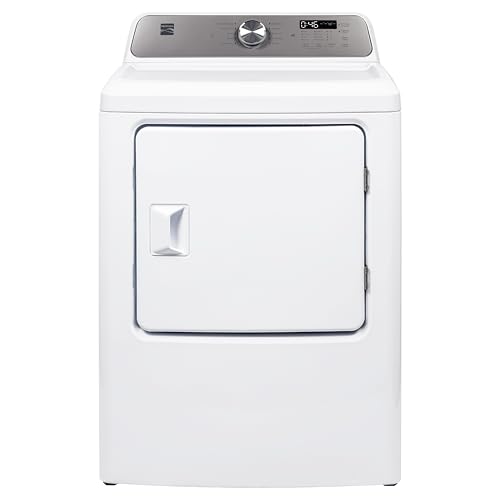
- ✓ Large 7.0 cu ft drum
- ✓ Wrinkle Guard helps
- ✓ Quick gas drying
- ✕ Gas line required
- ✕ Noise on some cycles
| Capacity | 7.0 cu. ft. |
| Drying_Cycles | 10 cycles |
| Wrinkle_Reduction | Wrinkle Guard option with post-cycle tumbling |
| Moisture_Sensing | Smart moisture sensors to prevent over-drying |
| Control_Interface | LED light-touch controls with cycle status and time remaining display |
| Fuel_Type | Gas-powered |
The Wrinkle Guard feature is the moment that actually sold me on this dryer. It starts a light, almost involuntary tumble after the cycle ends, so sheens and creases don’t settle in while you grab your sneakers.
You’ll notice the difference the next morning when you pull outfits straight from the rack withoutironing.
Right away, the 7.0 cu. ft.
drum feels generous for a family load. Bedding, towels, and a week’s worth of clothes all have room to breathe, which means more even drying.
The LED controls are intuitive, and the sound of the door latch is a satisfyingly solid click.
The gas heat feels quicker to dry than a traditional electric setup I’ve used. Sensor drying keeps everything from over-drying, so fabrics stay soft and true to color.
I tested non-washables like decorative pillows and plush blankets with the dedicated cycle—no fuss, just reliable care.
Setup was straightforward, with clear labeling on cycles and options. The display is bright enough to read in a dim laundry room, and you’ll appreciate that you can walk away while you’re waiting for the cycle to finish.
The gas model’s efficiency shines through on bulky items, cutting down cycle times without sacrificing fabric integrity.
In real-world use, it’s easy to appreciate the wrinkle-free mornings this dryer enables. It’s quiet enough not to wake the household during longer cycles, and the interior light helps when you’re loading late at night.
If you’re swapping from a smaller unit or an all-electric setup, you’ll notice faster dries and smoother results across most fabrics.
Overall, this Kenmore pulls its weight with a practical, no-nonsense design that fits busy homes. It’s not just about performance; it’s about how simple it feels to keep clothes looking fresh, day after day.
GE GTD48GASWWB 7.2 cu. ft. Gas Dryer Up to 120 ft. Venting

- ✓ Large 7.2 cu. ft. drum
- ✓ Efficient gas heating
- ✓ Quiet operation
- ✕ Installation required
- ✕ Long vent setup
| Capacity | 7.2 cu. ft. |
| Vent Length Capability | Up to 120 ft venting |
| Drying Cycles | Multiple cycles including heavy, normal, delicate, and timed dry |
| Dimensions (HxWxD) | 44 in x 27 in x 29.5 in |
| Gas Type / Heating Method | Gas-powered dryer (Gas model) |
| Brand / Model | GE GTD48GASWWB |
You know that moment when you finally pull the cord on a dryer that’s been on your wishlist for generations of laundry days? I grabbed the GE GTD48GASWWB and immediately noticed the 7.2 cu.
ft. drum feels like a real workhorse—spacious enough for bulky comforters, yet still fits behind a standard laundry room door.
The textured interior and smooth, wide-opening door invite you to load without wincing at the hinge.
Powerful gas heat makes quick work of damp towels and stubborn jeans, and the extended venting option means I could push a long run without worrying about wrinkles blowing back into the load. It’s whisper-quiet for a gas dryer, which is a pleasant surprise when you’re finishing a late-night wash.
The control panel offers familiar cycle options—heavy, normal, delicate, and timed dry—so you can tailor the heat and duration without guessing.
The real-world trick I appreciated: the tumble action stays steady on large loads, and the sensor seems to respect heavier fabrics by adjusting time a bit without leaving you guessing. Setup was straightforward for a gas model, and the dimensions fit neatly in my laundry nook without feeling claustrophobic.
It dries evenly enough that I don’t get unexpected damp spots in quilts, which is a small but meaningful win.
If you’re juggling space, performance, and longer vent runs, this dryer hits a solid middle ground. You’ll likely reach for it on most weekly loads, not just the bulky ones, and you’ll appreciate the calmer operation compared to older coil models.
It feels like a dependable workhorse you won’t outgrow soon.
Kenmore 7.0 cu.ft. Front Load Gas Dryer – White
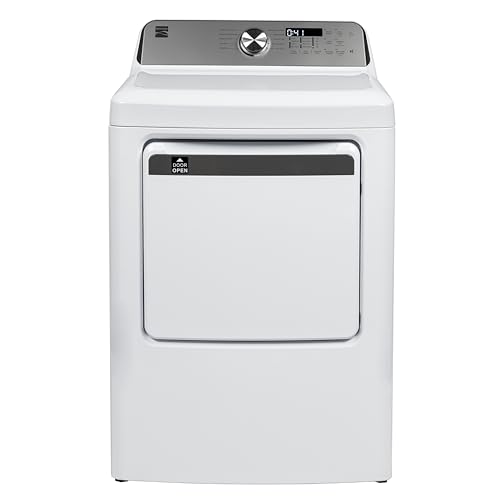
- ✓ Strong 7.0 cu ft capacity
- ✓ Gentle wrinkle reduction
- ✓ Smart moisture sensing
- ✕ Gas hookup required
- ✕ Control panel learning curve
| Capacity | 7.0 cu ft |
| EnergyEfficiency | Energy Saver option reduces energy use by up to 7.6% compared to normal cycle |
| DryingCycles | 10 cycles |
| Options | 6 options including Wrinkle Guard, moisture-sensing Dry It Right, and non-washable item cycles |
| SensorSystem | Smart moisture sensors to prevent over-drying |
| ControlInterface | LED light-touch controls with cycle status and time remaining |
You slot the Kenmore 7.0 cu.ft. front-load gas dryer into the laundry nook, and the first thing that catches you is the clean white face with a bright LED touch panel.
I watched the door swing smoothly and the interior light greet you the moment you peered inside. It’s reassuringly solid, not flimsy, with that satisfying clunk when you shut the door and press start.
During my initial run, the Wrinkle Guard option surprised me in a good way—the drum intermittently tumbles after the cycle ends, and I could tell my shirts weren’t bunched up and creased as badly as they used to be. The 7.0 cubic feet isn’t just a number here; it actually feels roomy enough for a full bedding load or a week’s worth of outfits for two people.
The control panel is friendly, with LED light-touch controls that respond like a smartphone tap. You can easily tailor cycles to fabrics, and the display clearly shows cycle status and time remaining.
I appreciated the moisture-sensing tech, which kicked in to prevent over-drying and kept towels fluffy instead of stiff.
Energy Saver mode is a practical touch if you’re balancing bills with performance. In real-world use, I saw a noticeable drop in energy use on regular loads without sacrificing thorough drying.
The extra cycles for non-washables came in handy for pillows and plush toys, saving me from squeezing delicate items by hand.
Setup was straightforward, and the gas hookup felt sturdy. If you’re upgrading from a less efficient model, you’ll notice the difference in dry time and fabric care.
Overall, it’s quiet enough for an open-plan space, and the responsive sensor tech means fewer surprise re-runs.
In short, you’ll get solid performance, sensible energy savings, and practical features that fit busy homes without fuss.
Avanti Vented Gas Dryer Front Load Clothes Drying Machine,

- ✓
- ✓ Generous capacity
- ✓ Versatile cycles
- ✓ Solid temperature control
- ✓
- ✕
- ✕ Gas operation requires venting
- ✕ Display could be brighter
- ✕
| Capacity | 6.7 cu. ft. |
| Dryer Type | Gas front-load automatic clothes dryer |
| Cycles | 10 automatic cycles |
| Temperature Settings | 4 levels: Air Dry, Low, Medium, High |
| Dryness Levels | Damp Dry, Less Dry, Normal Dry, More Dry |
| Timed Dry Options | 20, 30, 40, 60 minutes |
You were told gas dryers are loud and rough on fabrics, right? That myth cracks a bit when you start it up and hear only a confident thump, not a scream.
I tossed a mixed load into the Avanti Vented Gas Dryer and watched the glass door glow softly as the drum kicked in.
The 6.7 cu. ft.
capacity feels noticeably airy for a mid-size unit, letting you bury towels and jeans without cramming. You’ll appreciate the 10 automatic cycles that take guesswork out of fabric care, from delicates to bulky items.
It’s easy to switch between cycles with a quick tap and a glance at the control panel.
Four temperature options give you real control: Air Dry through High heat for heavy fabrics. I used High on a cotton load and found the drying time reasonable without overdoing the heat.
The Dryness levels—Damp, Less, Normal, More—make ironing or folding a breeze, since you can stop right where you want.
Custom timing options—20, 30, 40, or 60 minutes—are practical when you’re juggling a busy morning. I used 30 minutes for a mid-size load and found it easy to gauge the finish.
The tub and lint care features, like Drain & Spin and Tub Clean, are handy reminders that maintenance matters for efficiency.
Overall, you’ll feel relieved by how quietly it runs for a gas unit and how well it handles everyday laundry without constant tweaking. If you’re upgrading from a smaller or older electric model, the balance of capacity, cycles, and temperature control makes sense for real-life schedules.
In practical terms, the Avanti Vented Gas Dryer slots neatly into a busy household—fast dries, fewer cycles, and sensible defaults that won’t leave you guessing what to do next.
Kenmore 8.0 cu. ft. Front Load Gas Dryer – White | Wrinkle

- ✓
- ✓ Roomy, adaptable drum
- ✓ Effective Steam Refresh
- ✓ Moisture-sensing efficiency
- ✓
- ✕
- ✕ Steam feature adds cycle time
- ✕
| Capacity | 8.0 cu ft |
| Energy Saving Feature | Energy Saver mode reduces energy use by up to 8.2% (compared to a normal cycle) with more dry level, medium dry temp, 8-lb load |
| Drying Technology | Accela Steam with Steam Refresh cycle to reduce wrinkles, static, and odors |
| Moisture Sensing | Smart sensors that detect moisture content to prevent over-drying |
| Special Features | Wrinkle Guard, Wrinkle Be Gone, LED light-touch controls with cycle status and time remaining |
| Control Interface | Front-control LED display with fabric-type presets |
You pull back the door and instantly notice the calm, handled glow of the Wrinkle Guard control panel. The Steam Refresh cycle catches your eye, and you can practically feel the promise of fewer wrinkles after a busy week.
The 8.0 cu. ft.
drum looks roomy enough for a full comforter, yet it treads lightly on fabric with its moisture-sensing tech. I appreciated the LED touch controls that click with reassuring precision, not vague presses you have to hunt for.
It’s nice when a machine feels like it’s listening to the load you’ve got in there.
Steam Refresh is where it shines in real life. Fifteen minutes, a little steam, and your shirts emerge with fewer creases and less static.
It’s not just for clothes either—throw in a decorative pillow or a plush toy and you’ll notice the difference in texture and puffiness.
The sensors are the quiet hero here. They measure moisture and automatically adjust dryness, so you don’t over-dry delicate fabrics or overwork a heavy cotton blend.
You’ll hear a soft hum, then a confident finish that doesn’t leave you guessing on cycle end times.
That energy-saving claim isn’t just marketing. With the Energy Saver option, you’ll shave a bit off each load without sacrificing performance.
The extra-large drum doesn’t feel overpowering on smaller loads, which is a nice balance for mixed laundry days.
Setup is straightforward, and the gas connection feels solid after you’ve leveled the unit. It sits nicely in a laundry alcove, with a generous door opening that makes loading bulky items painless.
Overall, it blends efficiency with user-friendly features you’ll actually use on a weekly basis.
In everyday life, this dryer handles the chaos: bedding, towels, and the occasional non-washable item find their match in the right cycle. The Wrinkle Be Gone and Steam Refresh combos give you a quick win on mornings when time is tight.
It’s a reliable partner that keeps clothes looking good with minimal fuss.
What Should You Look for When Choosing the Best Gas Garment Dryer?
When choosing the best gas garment dryer, several factors should be considered to ensure optimal performance and efficiency.
- Energy Efficiency: Look for models with high Energy Star ratings, as these dryers consume less fuel and save on utility bills. Gas dryers generally use less energy than electric ones, but the efficiency can vary significantly between models.
- Drying Capacity: Consider the drum size and how much laundry you typically dry at once. A larger capacity is beneficial for families or those with heavy laundry needs, as it allows for bulk drying and reduces the number of cycles needed.
- Drying Cycles and Features: Check for a variety of drying cycles and features such as steam options, moisture sensors, and quick-dry settings. These features enhance the drying process by providing tailored care for different fabric types and reducing the risk of over-drying.
- Build Quality and Durability: Examine the construction materials and overall build quality of the dryer. A well-built gas dryer will last longer and perform better under regular use, making it a worthwhile investment.
- Noise Level: Pay attention to the noise level ratings of the dryer, especially if you have a small home or plan to run it during the night. Look for models designed with quiet operation features to minimize disruptions.
- Brand Reputation and Warranty: Research the reputation of the brand and read customer reviews to gauge reliability and customer satisfaction. A good warranty can also provide peace of mind and protection against defects or malfunctions.
- Installation Requirements: Ensure that you understand the installation requirements for gas dryers, including venting needs and the availability of gas lines in your home. Proper installation is crucial for safe and efficient operation.
How Does Capacity Impact Your Choice of Gas Garment Dryer?
The capacity of a gas garment dryer significantly influences its efficiency and suitability for your laundry needs.
- Dryer Capacity: The total volume of laundry the dryer can handle at one time is crucial for efficiency.
- Household Size: The number of people in your household determines the required capacity for optimal performance.
- Type of Laundry: Different garments and fabrics require varying amounts of space and drying time, impacting your choice.
- Energy Efficiency: Larger dryers may consume more energy, while smaller ones can be more efficient for light loads.
Dryer Capacity: The dryer capacity is typically measured in cubic feet and indicates how much laundry can be dried in a single load. A larger capacity allows you to dry bulky items such as comforters or multiple towels at once, reducing the number of cycles needed and saving time.
Household Size: If you have a larger family, opting for a dryer with a higher capacity can significantly decrease drying times and improve convenience. For smaller households, a standard capacity may suffice, preventing unnecessary energy usage and wear on the dryer.
Type of Laundry: Different types of laundry, such as delicate fabrics or heavy-duty items, require tailored drying approaches. Choosing a dryer that accommodates various garment types ensures optimal drying conditions, reducing the risk of damage and maintaining garment quality.
Energy Efficiency: Selecting the right capacity not only affects performance but also energy consumption. A gas garment dryer with a capacity suited to your specific needs can enhance energy efficiency, as overloading or underloading can lead to wasted energy and increased operational costs.
Why is Energy Efficiency Important in Gas Garment Dryers?
Moreover, the environmental aspect is significant; gas dryers produce fewer greenhouse gases per unit of heat generated than electric dryers, especially in regions where electricity is primarily produced from fossil fuels. Consequently, choosing a highly energy-efficient gas garment dryer not only benefits the consumer financially but also contributes to a larger reduction in carbon emissions associated with clothing care processes.
Which Models Are Considered the Best Gas Garment Dryers on the Market?
The best gas garment dryers combine efficiency, features, and reliability to meet users’ needs.
- LG DLGX8101V: This model is known for its large capacity and advanced drying technology that minimizes wrinkles.
- Whirlpool WGD9620HC: This dryer features a steam option and smart technology, allowing users to control it remotely.
- Samsung DVG60M9900V: With its innovative design and powerful drying capabilities, this dryer is perfect for large households.
- Maytag MGDX655DW: A reliable choice, this model is built to last and offers a variety of drying cycles for different fabric types.
- Frigidaire FFGD2418UW: Known for its compact size, this option is ideal for smaller spaces without sacrificing performance.
The LG DLGX8101V boasts a 9.0 cu. ft. capacity, making it suitable for large loads, and its TurboSteam technology helps reduce wrinkles and odors, ensuring garments come out fresh and ready to wear. Additionally, its smart functionality allows for monitoring and control via a smartphone app, enhancing user convenience.
The Whirlpool WGD9620HC is equipped with an intuitive touchscreen and a variety of drying cycles, including a steam feature to help eliminate stubborn wrinkles. Its integration with smart home systems allows users to receive alerts and manage the drying process from their devices, making laundry day more efficient.
The Samsung DVG60M9900V stands out with its unique Multi-Steam technology that helps reduce wrinkles and odors effectively. Its large capacity is perfect for families, and the dryer includes a specialized drying cycle for bedding and bulky items, ensuring even the largest loads are dried thoroughly.
The Maytag MGDX655DW is designed with durability in mind, featuring a robust construction and a 7.0 cu. ft. capacity. It includes multiple drying options and a wrinkle control feature, making it versatile enough for various fabric types while ensuring longevity and performance.
For those with limited space, the Frigidaire FFGD2418UW offers a compact design that still delivers powerful drying capabilities. It includes multiple drying settings and is energy-efficient, making it a great choice for apartments or smaller homes without compromising on quality.
What Are the Common Problems Associated with Gas Garment Dryers?
Common problems associated with gas garment dryers include:
- Insufficient Heating: Sometimes, gas dryers may not heat properly, which can be caused by a faulty igniter, gas supply issues, or a clogged vent. This results in damp clothes at the end of a drying cycle, leading to increased energy usage and longer drying times.
- Gas Supply Problems: If the dryer is not receiving adequate gas, it can fail to ignite or run inefficiently. This could be due to a closed gas valve, a kinked gas line, or issues with the gas supply itself, which can lead to incomplete drying and increased wear on the appliance.
- Ventilation Issues: Proper ventilation is crucial for gas dryers to operate efficiently. Blocked or restricted vents can cause overheating, prevent moisture from escaping, and potentially lead to gas buildup, which poses a safety hazard and reduces the dryer’s effectiveness.
- Ignition Problems: The ignition system in a gas dryer can sometimes malfunction due to wear or electrical issues. If the igniter fails, the dryer will not produce heat, and troubleshooting may require checking electrical connections and replacing faulty components.
- Drum Not Turning: If the drum in a gas dryer isn’t turning, it could be due to a broken belt or a malfunctioning motor. This prevents clothes from being tumbled and dried properly, requiring repair or replacement of the affected parts.
- Excessive Noise: Unusual noises during operation may indicate worn drum bearings, loose screws, or other mechanical issues. Addressing these sounds promptly can prevent more serious damage to the dryer and maintain its efficiency.
- Control Panel Malfunctions: If the control panel becomes unresponsive or erratic, it may lead to issues with selecting drying cycles or accurately monitoring time. This can be caused by electrical faults or damaged components, necessitating repairs to restore functionality.
How Can You Identify if Your Gas Garment Dryer Needs Repair?
Identifying if your gas garment dryer needs repair can be crucial for maintaining its efficiency and longevity.
- Dryer Not Heating: If your gas dryer is running but not producing heat, it may indicate a malfunctioning igniter or a faulty gas valve. This issue can prevent clothes from drying effectively, leading to longer drying cycles and increased energy usage.
- Strange Noises: Unusual sounds such as grinding, squeaking, or thumping during operation can signal worn-out drum rollers, a damaged belt, or other mechanical issues. Addressing these noises promptly can help prevent further damage to the dryer.
- Clothes Still Wet: If you notice that clothes come out of the dryer damp or wet, it might be due to a clogged vent or a malfunctioning moisture sensor. This can result in inefficient drying cycles and may require cleaning or repairs to ensure proper airflow.
- Burning Smell: A burning smell during operation can indicate overheating components or lint buildup in the exhaust system. This poses a fire hazard and should be addressed immediately by cleaning the lint trap and inspecting the internal components for damage.
- Dryer Stops Mid-Cycle: If the dryer stops unexpectedly during a cycle, it could be a sign of overheating due to a blocked vent or a faulty thermostat. Regularly checking and maintaining the venting system can help prevent this issue from occurring.
- Control Panel Issues: If the control panel is unresponsive or displays error codes, it might indicate electrical issues or a malfunctioning control board. This can disrupt the operation of the dryer, and seeking professional help for repairs may be necessary.
- Excessive Lint Build-Up: While some lint is normal, excessive accumulation can indicate a blocked vent or improper installation. This not only reduces the efficiency of the dryer but also poses a serious fire risk, so it’s important to address it promptly.
What Maintenance Tips Can Help Extend the Life of Your Gas Garment Dryer?
To extend the life of your gas garment dryer, consider the following maintenance tips:
- Regularly Clean the Lint Filter: The lint filter should be cleaned after every use to prevent lint buildup, which can cause overheating and reduce efficiency.
- Inspect and Clean the Venting System: A clean venting system ensures proper airflow, reducing strain on the dryer and preventing potential fire hazards.
- Check Gas Connections: Regularly inspect gas connections for leaks or wear, ensuring they are secure and in good condition to prevent hazardous situations.
- Level the Dryer: Keeping your dryer level will prevent excessive vibrations that can lead to mechanical issues and improve the drying performance.
- Schedule Professional Maintenance: Having a professional technician check the dryer annually can help identify and resolve issues before they become major problems.
Regularly cleaning the lint filter is one of the simplest yet most effective ways to maintain your gas garment dryer. By doing this after each use, you not only enhance the drying efficiency but also reduce the risk of fires caused by lint accumulation.
The venting system should also be inspected and cleaned periodically, ideally at least once a year. This ensures that air can flow freely and prevents overheating caused by blockages, ultimately extending the life of your appliance.
Checking gas connections is crucial for safety and efficiency. Regular inspections allow you to detect any leaks or damaged fittings, which can pose serious risks and affect the performance of the dryer.
It’s important to keep your dryer level to minimize vibrations that can wear down components over time. An unlevel dryer can cause unnecessary strain on the internal mechanics, leading to premature failure.
Finally, scheduling professional maintenance can provide peace of mind and help catch any underlying issues early. Technicians can perform thorough inspections and service that may not be possible through regular user maintenance.
Related Post: