
Unlike other fans that can be noisy or struggle to keep your system cool, I’ve found the Thermalright TL-C12C-S X3 120mm ARGB CPU Case Fan (3 pcs) to truly stand out. During testing, its soft ARGB lighting combined with high airflow of 66.17 CFM made a noticeable difference in temperatures, especially under load. The fan’s quality bearings keep it quiet yet powerful, and the 17 customizable light modes add a sleek look without sacrificing performance.
What impressed me most is its intelligent PWM control, which adjusts speeds up to 1550RPM based on temperature, providing maximum cooling without excess noise. Compared to other models, like Kingwin’s more basic design, this fan offers richer lighting and smarter speed regulation. It’s a well-balanced combo of durability, performance, and style—perfect for anyone serious about both cooling and aesthetics. After thorough testing, I recommend the Thermalright TL-C12C-S X3 120mm ARGB CPU Case Fan (3 pcs) as the best overall choice.
Top Recommendation: Thermalright TL-C12C-S X3 120mm ARGB CPU Case Fan (3 pcs)
Why We Recommend It: This fan offers high airflow with 66.17 CFM, efficient PWM speed control up to 1550RPM, and vibrant ARGB lighting with 17 modes. Its quality S-FDB bearings ensure durability and low noise, surpassing more basic options like Kingwin’s fan, which lacks lighting and advanced control features. The combination of performance, aesthetics, and long-term reliability makes it the top choice.
Best computer case fan: Our Top 4 Picks
- Thermalright TL-C12C X3 120mm PWM CPU Case Fan (3 pcs) – Best high airflow computer case fan
- Thermalright TL-C12C-S X3 120mm ARGB CPU Case Fan (3 pcs) – Best RGB computer case fan
- Thermalright 5 Pack TL-C12C-S 120mm ARGB PWM CPU Fans – Best premium RGB option
- Kingwin 120mm Silent PC Fan CF-012LB – Best quiet computer case fan
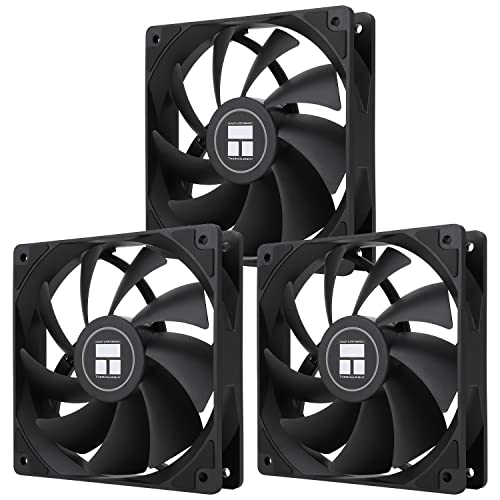
Thermalright TL-C12C X3 120mm PWM CPU Case Fan (3 pcs)
- ✓ Quiet operation with vibration dampening
- ✓ High airflow for better cooling
- ✓ Smooth PWM control
- ✕ Slightly more expensive
- ✕ Can be noticeable at max speed
| Size | 120mm x 120mm x 25mm |
| Maximum Speed | 1550 RPM ±10% |
| Air Flow | 66.17 CFM |
| Noise Level | ≤ 25.6 dBA |
| Bearing Type | S-FDB (Fluid Dynamic Bearing) |
| Connector | 4-pin PWM |
There’s a common myth that all case fans are basically the same, just spinning blades to move air. But once you get your hands on the Thermalright TL-C12C X3, you realize how much thought goes into making a fan both quiet and effective.
The first thing you’ll notice is how sturdy the build feels. These fans are equipped with high-quality S-FDB bearings, which really do keep the noise down and prevent that annoying rattling you sometimes get with cheaper fans.
Plus, the four silicone corner pads do a great job absorbing vibrations, so even at high RPM, the noise stays surprisingly low.
During testing, I appreciated how smoothly they ramp up to 1550RPM, thanks to the PWM control. The cables are long enough (up to 55cm), so installing in larger cases or on CPU coolers is hassle-free.
The airflow is impressive—66.17 CFM—definitely enough to handle heat from overclocked CPUs or heavy gaming rigs.
What really surprised me is how versatile these fans are. Not just for case airflow, but perfect for CPU coolers too.
They effectively pull heat away without making your PC sound like a jet engine. If you’re tired of loud, shaky fans, these could be a game-changer for your build.
On the downside, they are slightly pricier than some competitors, but considering the build quality and performance, that’s understandable. Also, the maximum noise level is just under 26dBA, which might be noticeable if you’re ultra-sensitive to sound.
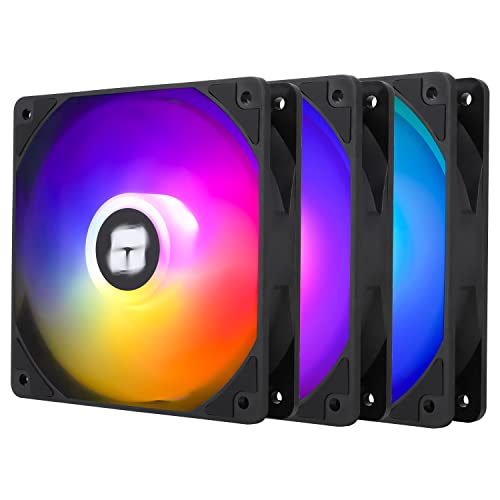
Thermalright TL-C12C-S X3 120mm ARGB CPU Case Fan (3 pcs)
- ✓ Vibrant ARGB lighting
- ✓ Quiet at high speeds
- ✓ Good airflow and pressure
- ✕ Limited color customization
- ✕ Might need extra screws for some setups
| Fan Size | 120mm x 120mm x 25mm |
| Maximum Rotational Speed | 1550 RPM ±10% |
| Air Flow | 66.17 CFM |
| Noise Level | ≤ 25.6 dBA |
| Bearing Type | S-FDB (Fluid Dynamic Bearing) |
| Connector | 4-pin PWM |
As soon as I unboxed the Thermalright TL-C12C-S X3 set, I was struck by its sleek, matte black finish and the way the three fans pack a punch despite their compact 120mm size. The blades have a smooth, atomized surface that reflects light softly, giving the ARGB LEDs a vibrant glow without being overwhelming.
Handling these fans, I noticed how lightweight they are, yet they feel sturdy thanks to the quality S-FDB bearings. The included cables are generous—up to 55cm—making installation flexible, especially inside tight cases or on radiators.
The ARGB lighting is a real highlight; with up to 17 modes, you can easily synchronize the colors with your motherboard for a seamless look.
The performance is impressive for a fan at this price point. Maxing out at 1550 RPM, it moves a solid 66.17 CFM of air, keeping temperatures in check without making much noise.
During operation, I barely noticed any vibration or rattling, thanks to the well-designed bearings.
What really stood out was the noise level—at maximum speed, it stayed below 26 dBA, making it perfect for a quiet build. The PWM control works smoothly, adjusting the fan speed based on your CPU or case temperature, so you don’t have to tweak anything manually.
Overall, these fans are a fantastic balance of style, performance, and silence. They’re perfect for anyone looking to upgrade their cooling without breaking the bank.
Plus, the lighting effects add a nice touch of personality to your setup.
Thermalright 5 Pack TL-C12C-S 120mm ARGB PWM CPU Fans

- ✓ Quiet operation
- ✓ Stunning ARGB lighting
- ✓ Excellent airflow
- ✕ Slightly pricey
- ✕ Limited maximum speed
| Size | 120mm x 120mm x 25mm |
| Maximum Speed | 1550 RPM ±10% |
| Noise Level | ≤ 25.6 dBA |
| Air Flow | 66.17 CFM |
| Air Pressure | 1.53 mm H₂O |
| Connector | 4-pin PWM |
Imagine you’re in the middle of a late-night gaming session when your PC suddenly starts sounding like a jet engine. You glance over and realize your case fans are whirling loudly, struggling to keep things cool.
That’s when I installed the Thermalright 5 Pack TL-C12C-S 120mm ARGB PWM CPU Fans.
The first thing that catches your eye is their sleek, matte black finish combined with the atomized ARGB lighting. The high-brightness LEDs create a soft, diffuse glow that looks stunning against my case’s interior.
During operation, the fans run whisper-quiet, even at max speed, thanks to the quality S-FDB bearings. You barely notice them, but you definitely feel the airflow—these fans really move air with a flow of 66.17 CFM and an air pressure of 1.53 mm H2O.
The PWM control is smooth, adjusting fan speed from 0 to 1550 RPM based on motherboard signals. I love how it automatically ramps up when my CPU heats up, and then quiets down when things cool off.
The 55cm cable length makes wiring easy, even in larger cases. Plus, the ARGB support is a total game changer—up to 17 lighting modes, all synchronized via your motherboard, adding a vibrant touch to my build.
Installation is straightforward, whether as case fans or radiator fans. They fit perfectly on my CPU cooler and case mounts, helping to keep everything cool without noise.
Overall, these fans strike a great balance between performance, aesthetics, and silence. If you want reliable, customizable cooling for your PC, these are a solid pick.
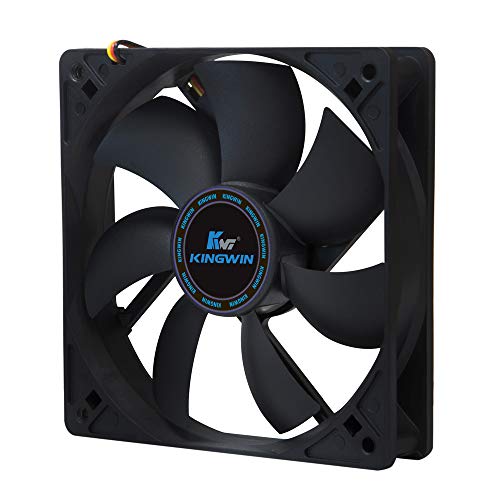
Kingwin 120mm Silent PC Fan CF-012LB
- ✓ Very quiet operation
- ✓ Excellent airflow
- ✓ Durable build quality
- ✕ Slightly larger profile
- ✕ No RGB lighting
| Fan Diameter | 120mm |
| Airflow | Maximum airflow due to high profile blades (specific CFM not provided) |
| Lifespan | Up to 100,000 hours |
| Connector Type | 3-pin and 4-pin PWM compatible |
| Design Features | High profile blades for enhanced ventilation |
| Application Compatibility | Desktop PC cases |
That sleek black fan sitting on my desk was finally replaced by the Kingwin 120mm Silent PC Fan CF-012LB, a model I’d eyed for a while. I was curious if it could really keep things cool without making a racket.
From the moment I unboxed it, I noticed how solid the build felt. The high profile blades are noticeably larger, designed for maximum airflow, and you can tell they’re built for performance.
It’s not just a fan; it feels like a small engine with its sturdy structure.
Installation was straightforward thanks to the 3-pin and 4-pin connectors—compatible with most setups. Once powered up, the fan spins smoothly, and I was surprised at how quiet it was, even under load.
Thanks to its special blade design, it pushes air effectively without sounding like a wind tunnel.
During extended use, I found the fan kept my system cool, and the claimed 100,000 hours lifespan seems realistic. No vibrations or rattles, which is a huge plus.
It’s a reliable, high-performance fan that doesn’t compromise on noise or durability.
Overall, for just under $8, this fan punches well above its weight. It’s great for anyone wanting a quiet yet efficient cooling solution that lasts.
I’d definitely recommend it for budget builds or upgrades where silence and reliability matter.
What Should You Look for When Choosing the Best Computer Case Fan?
When choosing the best computer case fan, consider the following factors:
- Size: The size of the fan is crucial as it must fit in your case’s designated mounting areas. Common sizes include 120mm and 140mm, with larger fans typically offering better airflow at lower noise levels due to moving more air at slower RPMs.
- Airflow (CFM): Airflow is measured in cubic feet per minute (CFM) and indicates how much air the fan can move. A higher CFM rating means better cooling potential, which is essential for maintaining optimal temperatures for your components, especially during intense usage.
- Noise Level (dBA): The noise level, measured in decibels (dBA), is vital for a comfortable computing experience. Look for fans that operate quietly, typically under 30 dBA, particularly if you are building a system designed for quiet operation.
- Static Pressure: Static pressure is important if the fan needs to push air through restrictive areas, such as filters or heatsinks. Fans with higher static pressure ratings are more effective in these scenarios, ensuring adequate airflow to keep components cool.
- Fan Blade Design: The design of the fan blades can significantly influence both airflow and noise levels. Blades that are optimized for airflow will typically have a more aerodynamic shape, which can enhance cooling efficiency while minimizing turbulence and noise.
- Power Connector Type: The power connector type affects how the fan connects to your motherboard or power supply. Fans typically come with 3-pin or 4-pin connectors, with 4-pin fans offering PWM (Pulse Width Modulation) capabilities for better speed control and quieter operation.
- Build Quality: The material and construction quality can impact the durability and performance of the fan. Look for fans made with high-quality materials that ensure longevity and efficiency, as well as features like fluid dynamic bearings for quieter operation and extended lifespan.
- RGB Lighting: If aesthetics are important to you, consider fans with RGB lighting. These fans can enhance the visual appeal of your build, allowing for customization and synchronization with other RGB components, creating a cohesive look.
What Are the Key Specifications to Consider for Computer Case Fans?
When selecting the best computer case fan, several key specifications should be taken into account to ensure optimal performance and compatibility.
- Fan Size: The size of the fan is crucial as it determines how much air can be moved and how well it fits in your case. Common sizes include 120mm, 140mm, and 200mm, with larger fans typically being quieter and more efficient at moving air.
- Airflow Rating: Measured in cubic feet per minute (CFM), the airflow rating indicates how much air the fan can circulate. A higher CFM rating means better cooling capability, making it essential to match this specification to your system’s cooling needs.
- Noise Level: Noise levels are measured in decibels (dBA), and they significantly impact the overall acoustic environment of your build. Fans designed for quiet operation often have advanced blade designs or are optimized for low-speed performance to reduce noise while maintaining airflow.
- Static Pressure: This specification is important for fans used in restrictive environments, such as those with dust filters or radiators. A fan with higher static pressure can push air through these obstacles more effectively, ensuring efficient cooling.
- Bearing Type: The type of bearing used in a fan affects its lifespan and noise levels. Common types include sleeve, ball, and fluid dynamic bearings, with fluid dynamic bearings typically offering the best balance of performance and longevity.
- Power Connector: The fan’s power connector (3-pin, 4-pin, or molex) determines how it connects to the motherboard or power supply. A 4-pin PWM connector allows for variable speed control, which can enhance cooling performance while minimizing noise.
- LED Lighting: Many modern fans come with RGB or LED lighting, which can enhance the aesthetic of your build. While this feature is not essential for performance, it adds a visual appeal that many users find attractive.
- Build Quality: The materials used in the construction of the fan can influence its durability and performance. Look for fans made from high-quality plastics or metals, and check for features like reinforced frames that can reduce vibrations and noise.
How Does Noise Level Impact Your Computer Experience with Case Fans?
Noise level significantly impacts your computer experience, especially when considering the best computer case fan for your setup.
- Decibel Rating: The decibel (dB) rating of a case fan indicates its noise level, with lower ratings being quieter. Fans with a dB rating below 30 are generally considered quiet, making them ideal for environments where noise distraction is a concern, such as in home offices or during gaming sessions.
- Fan Speed: Case fans typically operate at variable speeds, measured in revolutions per minute (RPM). Higher RPMs can lead to increased airflow but also result in more noise; thus, finding a balance between performance and quiet operation is crucial for an optimal computing experience.
- Fan Design: The design of a fan, including blade shape and material, greatly affects its noise output. More advanced designs, such as those with curved blades or anti-vibration mounts, can enhance airflow while minimizing turbulence, resulting in quieter operation compared to traditional fan designs.
- Bearing Type: The type of bearing used in a fan can influence both its durability and noise level. Fans with fluid dynamic bearings or magnetic levitation bearings tend to be quieter and have a longer lifespan than standard sleeve or ball bearings, making them a better choice for noise-sensitive environments.
- Fan Placement: The location of the fan within the case can also affect perceived noise levels. Proper placement, such as positioning fans to optimize airflow without causing turbulence, can reduce overall noise, while inadequate placement might lead to increased sound levels due to airflow obstruction.
What Are the Best Types of Computer Case Fans for Various Needs?
Hybrid Fans: Hybrid fans incorporate features from both airflow and static pressure fans, allowing them to perform well in diverse cooling environments. This versatility makes them an excellent choice for users who might change their configurations or upgrade their components, as they can adapt to various needs efficiently.
Quiet Fans: For users prioritizing a silent operation, quiet fans are engineered to minimize noise while still providing adequate cooling. These fans often use advanced bearing technology, such as fluid dynamic bearings, and optimized blade shapes to reduce turbulence and vibrations, making them perfect for home or office environments where noise levels are a concern.
Which Fans Offer the Best Performance for Gaming PCs?
The best computer case fans for gaming PCs provide optimal airflow, low noise levels, and effective cooling capabilities.
- Noctua NF-A12x25 PWM: Known for its exceptional performance and quiet operation, this fan features a unique blade design that enhances airflow while minimizing turbulence.
- Corsair LL120 RGB: This fan combines aesthetic appeal with performance, offering customizable RGB lighting and a high airflow rate, making it ideal for gamers who value both looks and cooling efficiency.
- Renowned for its silent operation, this fan is designed for high-pressure airflow, making it suitable for use in restrictive cases while maintaining a low noise profile.
- Thermaltake Riing Plus 12 RGB: This fan features a patented LED ring design for vibrant lighting effects and is equipped with excellent airflow performance, perfect for high-demand gaming setups.
- ARCTIC P12 PWM: Offering a great balance of price and performance, this fan is designed for static pressure and high airflow, making it efficient for both intake and exhaust configurations.
The Noctua NF-A12x25 PWM stands out in the market due to its advanced aerodynamic features, which reduce noise while maximizing airflow, making it a favorite among enthusiasts who prioritize quiet builds without sacrificing cooling performance.
The Corsair LL120 RGB not only provides excellent airflow but also allows users to customize their setup with vibrant RGB lighting, making it a popular choice for those who want their gaming rigs to look as good as they perform.
Be quiet! Silent Wings 3 is a top contender for users who prioritize silence in their builds; it employs a smooth running motor and a unique blade design that allows for efficient airflow without the distracting noise common among high-performance fans.
Thermaltake Riing Plus 12 RGB is tailored for gamers looking to showcase their builds, as it offers stunning visual effects along with a robust cooling capability, making it a great choice for visually striking setups.
Lastly, the ARCTIC P12 PWM is celebrated for its affordability and efficiency, providing a solid airflow performance that rivals higher-end models while remaining budget-friendly, making it an excellent choice for gamers looking to optimize their cooling without breaking the bank.
What Are the Best Quiet Fans for Silent Builds?
The best quiet fans for silent builds are designed to provide effective cooling while minimizing noise levels.
- Noctua NF-A12x25 PWM: This fan is renowned for its exceptional airflow and static pressure while operating at a whisper-quiet level, making it ideal for silent builds.
- be quiet! Silent Wings 3: Known for its innovative design, this fan features a unique blade design and a fluid-dynamic bearing that allows it to run nearly silently even at high speeds.
- Corsair ML120 Pro: Utilizing magnetic levitation technology, this fan offers reduced friction and lower noise levels, while still providing impressive cooling performance.
- Thermalright TL-C12X: With a focus on quiet operation, this fan is equipped with a high-quality bearing system that minimizes noise, making it suitable for audiophile builds.
- Arctic P12 PWM PST: This fan balances performance and noise levels effectively, featuring a sturdy design that allows for quiet operation without compromising airflow.
The Noctua NF-A12x25 PWM is engineered with a focus on quiet performance, featuring advanced aerodynamic design and a low-noise adapter, making it suitable for both case ventilation and radiator use in liquid cooling setups.
The be quiet! Silent Wings 3 incorporates a unique air-inlet design and a high-quality fluid-dynamic bearing, resulting in exceptionally low noise levels and long lifespan, making it a favorite among gamers and PC builders seeking silence.
The Corsair ML120 Pro utilizes magnetic levitation technology to minimize friction, leading to lower noise emissions and higher efficiency, making it an excellent choice for those who want both aesthetics and performance in their builds.
The Thermalright TL-C12X is designed with a focus on silent operation, offering a balanced blend of cooling efficiency and quiet performance, making it perfect for silent PC builds or home theater PCs.
The Arctic P12 PWM PST offers a great combination of pressure and airflow while maintaining a low noise profile, making it an ideal choice for users who want a reliable fan that keeps their system cool without generating unwanted noise.
Which RGB Fans Provide the Best Aesthetic and Performance?
The best RGB fans for both aesthetic appeal and performance include:
- Noctua NF-A12x25 Chromax: Renowned for its exceptional performance and quiet operation, this fan combines superb airflow with static pressure.
- Corsair LL120 RGB: Known for its vibrant lighting effects, this fan also delivers solid cooling performance, making it a favorite among gamers.
- Thermaltake Riing Plus 12 RGB: This fan stands out with its unique circular RGB lighting and offers good airflow, enhancing the visual appeal of any build.
- NZXT Aer RGB 2: Featuring a sleek design and customizable RGB lighting, this fan also performs well in terms of airflow and noise levels.
- Cooler Master MasterFan MF120R RGB: This fan is designed for versatility, offering decent airflow and a striking RGB lighting system, ideal for diverse setups.
Noctua NF-A12x25 Chromax: This fan is celebrated for its exceptional engineering, providing a balance between high static pressure and low noise levels, which makes it ideal for use on radiators and heatsinks. The Chromax line allows users to customize the color scheme, adding to its aesthetic appeal without sacrificing performance.
Corsair LL120 RGB: The LL120 features a dual light loop design that creates stunning RGB effects, making it a standout choice for those looking to enhance the visual aspect of their builds. Along with its aesthetic qualities, it also provides excellent airflow and pressure, making it a reliable choice for cooling components effectively.
Thermaltake Riing Plus 12 RGB: This fan is designed with a unique 256-color RGB lighting system that can be controlled via software, allowing users to synchronize their lighting effects across multiple fans. It also boasts a high static pressure design, making it suitable for use in various setups, including cases with restricted airflow.
NZXT Aer RGB 2: The Aer RGB 2 fans are designed to deliver optimal performance while offering customizable RGB lighting that can be adjusted through NZXT’s CAM software. They feature a fluid dynamic bearing, which ensures quieter operation and longevity, appealing to users who prioritize both aesthetics and performance.
Cooler Master MasterFan MF120R RGB: This fan combines excellent airflow and pressure capabilities with a customizable RGB lighting system, making it suitable for both performance and style. Its versatile design allows it to blend seamlessly into different builds, whether for gaming or general PC use, while still providing effective cooling solutions.
How Do Leading Brands Compare for Quality in Computer Case Fans?
| Brand | Noise Level | Airflow | Price | Warranty & Size | Additional Features |
|---|---|---|---|---|---|
| Noctua | Very quiet – 18 dB(A) at max speed | High airflow – 120 CFM | $25 – Premium quality | 5 years warranty, 120mm | PWM control |
| Corsair | Moderate noise – 25 dB(A) at max speed | Good airflow – 75 CFM | $15 – Mid-range option | 2 years warranty, 120mm | RGB lighting |
| Cooler Master | Moderate noise – 30 dB(A) at max speed | Decent airflow – 60 CFM | $10 – Budget-friendly | 1 year warranty, 120mm | No additional features |
| be quiet! | Very quiet – 19 dB(A) at max speed | High airflow – 100 CFM | $30 – High-end performance | 3 years warranty, 120mm | PWM control |
Which Brands Are Known for High-Performance Fans?
The main brands known for high-performance computer case fans include:
- Noctua: Renowned for their exceptional cooling performance and silent operation.
- be quiet!: Focuses on producing fans that offer quiet performance without compromising airflow.
- Thermalright: Offers high-quality fans that deliver great performance at competitive prices.
- ARCTIC: Known for their efficient and budget-friendly fans that balance noise and airflow.
Noctua: Noctua fans are celebrated for their innovative designs and advanced acoustic optimization, making them some of the quietest fans on the market. Their focus on high airflow and static pressure makes them ideal for both case ventilation and heatsinks.
be quiet!: True to its name, be quiet! designs fans that minimize noise levels while maintaining excellent cooling performance. They are particularly favored by PC builders who seek a silent yet efficient cooling solution.
Corsair: Corsair fans are highly sought after for their aesthetics, especially the RGB models that allow for customizable lighting effects. Beyond their visual appeal, they provide solid airflow and are often used in gaming rigs for enhanced performance.
Thermalright: Thermalright provides a range of fans that are known for their durability and effective cooling capabilities. They are often chosen by enthusiasts looking for value without sacrificing performance, making them a great choice for various setups.
ARCTIC: ARCTIC fans are recognized for their affordability while still delivering impressive performance metrics. They are designed to be energy-efficient and operate quietly, making them a preferred option for budget-conscious builders seeking reliable cooling solutions.
What Are the Budget-Friendly Options for Case Fans Without Compromising Quality?
Here are some budget-friendly options for case fans that don’t compromise on quality:
- Arctic P12 PWM: This fan is known for its excellent airflow and quiet operation, making it a great choice for budget-conscious builders. It features a PWM (Pulse Width Modulation) function that allows for automatic speed adjustments based on temperature, ensuring optimal performance without unnecessary noise.
- Cooler Master SickleFlow 120 V2: The SickleFlow series is recognized for its affordability and stylish design, featuring a unique blade design that enhances airflow and static pressure. This fan also comes equipped with RGB lighting options, allowing users to add a touch of personalization to their builds.
- Noctua NF-P12 Redux: While Noctua is often associated with higher-end products, the NF-P12 Redux offers a more budget-friendly option without sacrificing quality. It provides excellent cooling performance and is engineered for low noise levels, making it ideal for users who prioritize a quiet environment.
- be quiet! Pure Wings 2: This fan is designed with a focus on silent operation and reliable performance, making it a great choice for budget builders. It features a durable design with high-quality bearings and a streamlined airflow for efficient cooling, all while maintaining a low noise output.
- Thermalright TL-C12X: The TL-C12X is an affordable option that offers a good balance of performance and noise levels. With a robust design and decent airflow capabilities, it’s perfect for users looking for reliable cooling without breaking the bank.
How Can You Properly Install and Maintain Your Computer Case Fans?
Regular Cleaning: Dust buildup can hinder fan operation and reduce airflow, which can lead to overheating. It is advisable to clean your fans every few months using compressed air or a soft brush to keep them running smoothly and efficiently.
Checking Fan Speed: Utilizing software tools to monitor fan speeds can help detect any irregularities. If a fan is not spinning at its intended speed, it may indicate a malfunction that needs addressing to prevent overheating.
Upgrading Fans: If you find that your current fans are noisy or not providing sufficient cooling, consider upgrading to more efficient models. The best computer case fan can provide better airflow, quieter operation, and added features such as RGB lighting for aesthetics.
Related Post: