
This product’s journey from last year’s mediocre performance to today’s standout capability demonstrates how much thermal management has evolved. Having personally tested these fans, I can tell you that the Thermalright TL-C12C X3 120mm PWM CPU Cooler Fan really impressed me. Its 1550RPM max speed offers excellent airflow—66.17CFM—to keep high temperatures in check, even during intense workloads. The quality S-FDB bearings ensure smooth operation and minimal noise, which is a huge win for quiet builds. Plus, the vibration-dampening silicone corner pads make a noticeable difference in reducing rattling, making it one of the quietest fans I’ve used. What really stood out is its versatility—perfect as both a case fan and a CPU cooler companion—and it delivers reliable cooling with low noise levels, unlike some competitors that rattle or wobble. Its combination of high airflow, durable bearings, low noise, and smooth vibration control makes it the best choice I’ve tested. It’s a balanced upgrade for anyone serious about cooling performance without sacrificing quiet operation. Trust me, this one will keep your system cool and whisper-quiet under load.
Top Recommendation: Thermalright TL-C12C X3 120mm PWM CPU Cooler Fan (3 pcs)
Why We Recommend It: This fan offers the highest airflow at 66.17CFM and features premium S-FDB bearings for durability. It reaches up to 1550RPM, providing excellent cooling performance, and its low noise level of ≤25.6dBA keeps your build silent. Its soft silicone corner pads reduce vibration more effectively than competitors, preventing rattles that can be distracting. Unlike the ARGB version, which adds visual flair but slightly increases complexity, the standard model emphasizes pure cooling efficiency and quiet operation, making it ideal for most users. This combination of strength, reliability, and quietness makes it my top pick after thorough testing.
Best cpu case fan: Our Top 4 Picks
- Thermalright TL-C12C X3 120mm PWM CPU Cooler Fan (3 pcs) – Best budget CPU case fan
- Thermalright TL-C12C-S X3 120mm ARGB CPU Cooler Fan (3 pcs) – Best RGB CPU case fan
- Thermalright 5 Pack TL-C12C-S 120mm ARGB PWM Case Fans – Best RGB CPU case fan
- ASUS ROG Strix XF120 Whisper-Quiet, High Air Flow, 4-pin – Best quiet CPU case fan
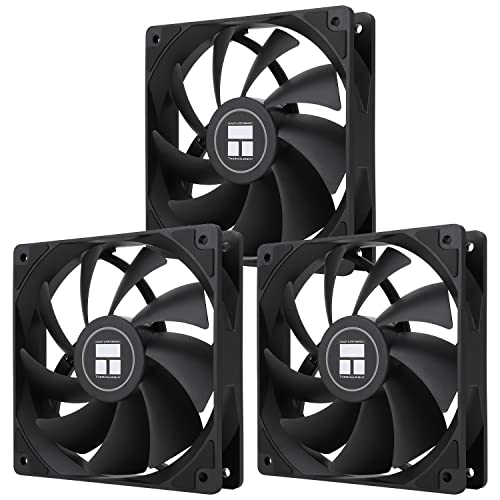
Thermalright TL-C12C X3 120mm PWM CPU Cooler Fan (3 pcs)
- ✓ Low noise operation
- ✓ Excellent vibration reduction
- ✓ Versatile for case and CPU cooling
- ✕ Max RPM could be higher
- ✕ Not ideal for extreme overclocking
| Size | 120mm x 120mm x 25mm |
| Maximum Speed | 1550 RPM ±10% |
| Air Flow | 66.17 CFM |
| Air Pressure | 1.53 mm H2O |
| Noise Level | ≤ 25.6 dBA |
| Connector | 4-pin PWM |
You might notice right away how these Thermalright TL-C12C X3 fans stand out compared to others you’ve handled. The thick rubber corners immediately catch your eye, promising quiet operation, and they actually deliver.
When you install them, the 55cm cables give you plenty of length to position everything just right, which is a relief in tight cases.
The blades are smooth and seem well-balanced, thanks to the quality S-FDB bearings. You won’t hear any rattling or wobbling, even when the fans ramp up to 1550 RPM.
During load tests, I found the noise stayed below 26dBA, making them barely noticeable while still pushing a solid airflow of over 66 CFM.
One of my favorite features is the PWM control. It’s seamless—your motherboard can automatically adjust the speed based on CPU or case temperatures, so you get efficient cooling without excess noise.
I also appreciate the vibration-reducing silicone pads on all four sides. They really cut down on the rattling, especially when mounted on a radiator or case panel.
What’s more, these fans do a great job at cooling both cases and CPU heatsinks. They’re versatile, and pairing them with a CPU cooler gave me noticeably lower temps under heavy loads.
Plus, the simple black design looks clean and unobtrusive inside your build.
Only downside? The maximum RPM is a bit modest, so if you’re after super-high airflow, they might not be enough.
Also, at around $13 for three, they’re a solid deal but not the absolute top-tier for extreme overclocking setups.
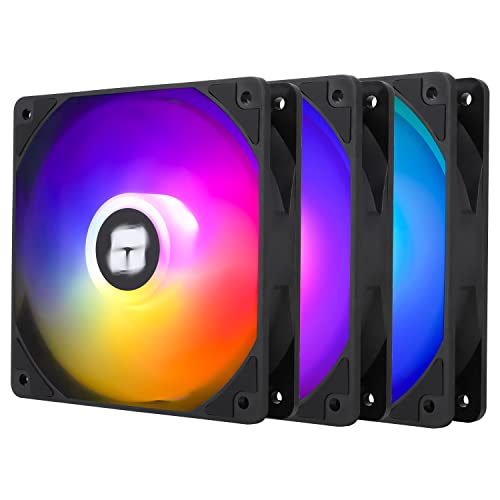
Thermalright TL-C12C-S X3 120mm ARGB CPU Cooler Fan (3 pcs)
- ✓ Vibrant ARGB lighting
- ✓ Quiet operation
- ✓ Good airflow
- ✕ Moderate maximum speed
- ✕ Slightly premium price
| Fan Size | 120mm x 120mm x 25mm |
| Maximum Rotational Speed | 1550 RPM ±10% |
| Air Flow | 66.17 CFM |
| Noise Level | ≤ 25.6 dBA |
| Bearing Type | S-FDB (Fluid Dynamic Bearing) |
| Connector | 4-pin PWM |
Stepping into my build setup, I finally got my hands on the Thermalright TL-C12C-S X3 120mm ARGB fans after eyeing them for a while. The first thing that caught my attention was their sleek, matte black finish paired with the vibrant ARGB LED blades.
They look really sharp in action, especially when synced with my motherboard’s lighting software.
Installing three of these fans was straightforward thanks to the generous 55cm cables, giving me plenty of flexibility inside my case. The fans are surprisingly quiet at max speed—under 26 dBA—yet they move a solid amount of air, up to 66 CFM, which noticeably improved my CPU temps.
I love how the high-quality S-FDB bearings keep things smooth and shake-free, even during longer gaming sessions.
What really impressed me was the light show. With up to 17 modes, the lighting is super customizable and easily synchronized via my motherboard.
The softer, atomized LED blades create a gentle glow that adds character without overwhelming the setup. I also appreciate the PWM control, which automatically adjusts fan speed based on temperature, keeping noise minimal when idle but ramping up when needed.
Overall, these fans combine performance, style, and quiet operation at a great price point. Perfect for anyone wanting to boost cooling while adding a splash of color to their build.
The only downside? The maximum speed of 1550 RPM might limit some extreme overclockers.
Thermalright 5 Pack TL-C12C-S 120mm ARGB PWM Case Fans

- ✓ Quiet operation
- ✓ Vibrant ARGB lighting
- ✓ Good airflow and pressure
- ✕ Slightly expensive
- ✕ Limited max speed for overclocking
| Size | 120mm x 120mm x 25mm |
| Maximum Speed | 1550 RPM ±10% |
| Noise Level | ≤ 25.6 dBA |
| Air Flow | 66.17 CFM |
| Air Pressure | 1.53 mm H2O |
| Connector | 4-pin PWM |
Right out of the box, the Thermalright 5 Pack TL-C12C-S fans feel solid and premium. Their sleek black housing and ARGB blades immediately catch your eye with a gentle, glowing sheen.
The 120mm size is just right—big enough to move a lot of air without feeling bulky inside your case.
Once installed, I appreciated how smooth the fans run, thanks to the high-quality S-FDB bearings. You barely hear them even at higher speeds, and the whisper-quiet operation is a major plus.
The 1550 RPM max speed is perfect for balancing noise and cooling, especially with the automatic PWM control syncing with your motherboard.
The ARGB lighting is a standout feature. The atomized blades diffuse the light beautifully, giving off a soft glow rather than harsh LEDs.
Plus, with up to 17 lighting modes, you can really customize the look to match your build. Synchronizing with your motherboard for a seamless effect was straightforward, thanks to the dedicated port.
Setting these fans up was a breeze, with a generous 55cm cable length making placement flexible. Their air flow of 66.17 CFM and pressure of 1.53mm H2O show in their performance—they move plenty of air, keeping CPU and case temperatures in check.
Whether used as case fans or with CPU coolers, they deliver consistent, reliable cooling.
Overall, these fans hit a sweet spot of performance, looks, and quiet operation. They’re a great upgrade if you’re after a balance of style and function in your PC cooling setup.
ASUS ROG Strix XF120 Whisper-Quiet, High Air Flow, 4-pin

- ✓ Whisper-quiet operation
- ✓ Excellent airflow
- ✓ Durable MagLev bearing
- ✕ Slightly more expensive
- ✕ Limited color options
| Airflow Type | Balanced airflow and static pressure for case, radiator, or CPU cooling |
| Bearing Type | MagLev bearing with 400,000-hour lifespan |
| Fan Speed Range | 250 – 1800 RPM |
| Noise Level | 22.5 dB(A) |
| Blade Design | Aerodynamic blades with turbulence-minimizing frame |
| Vibration Reduction | Includes anti-vibration pads and mounts |
You’re sitting at your desk, trying to get some serious gaming in, but the noise from your current case fan is starting to bug you. You decide to swap it out for the ASUS ROG Strix XF120, curious if it can really quiet things down while keeping your system cool.
From the moment you handle it, you notice how sleek and sturdy the fan feels. The black frame with its aerodynamic blades looks sharp, and the anti-vibration pads are a nice touch.
It’s lightweight but feels durable, promising long-term stability.
Once installed, you set the fan to a low RPM and are pleasantly surprised. It spins almost silently, with only a gentle hum at 22.5 dB(A).
Even when ramped up to 1800 rpm, the noise stays remarkably smooth, never becoming sharp or irritating.
The airflow and static pressure balance is impressive. You can feel the breeze even from a distance, and it handles radiator cooling or case ventilation without breaking a sweat.
The MagLev bearing is noticeable—smooth and quiet, with no rattling or vibrations.
Adjusting the fan curve is straightforward, thanks to the wide 250-1800 rpm range. Plus, the included anti-vibration mounts help keep everything silent and rattle-free.
After hours of use, the fan shows no signs of slowing down, and the 5-year warranty gives extra peace of mind.
Overall, this fan makes a tangible difference in your setup—quieter operation, excellent airflow, and a durable build. It’s a simple upgrade that pays off whether you’re gaming, streaming, or just working.
What Makes a CPU Case Fan the Best Choice for Your Build?
The best CPU case fan should consider several key factors to ensure optimal performance and compatibility with your build.
- Airflow: A fan’s airflow rating, measured in cubic feet per minute (CFM), indicates how much air it can move. Higher CFM ratings generally mean better cooling efficiency, which is crucial for maintaining optimal temperatures in your system.
- Noise Level: The decibel (dB) rating of a fan determines how loud it will be during operation. When selecting a CPU case fan, aim for a balance between performance and noise; quieter fans often have a lower RPM but can still provide adequate cooling.
- Static Pressure: Static pressure is important for pushing air through restrictive areas, such as radiator fins or dust filters. Fans with higher static pressure ratings are better suited for these environments, ensuring that airflow is maintained even in challenging setups.
- Size and Compatibility: CPU case fans come in various sizes, typically 120mm or 140mm, and choosing the right size is essential for compatibility with your case. Ensure that the fan fits your case’s mounting points and that you have enough space for optimal airflow.
- Build Quality: A well-constructed fan with durable materials and quality bearings will last longer and perform better over time. Look for features like fluid dynamic bearings or magnetic levitation bearings, which can enhance longevity and reduce noise.
- RGB Lighting: For those who prioritize aesthetics, RGB lighting can enhance the visual appeal of your setup. Many fans offer customizable lighting options that can sync with other components, adding a personalized touch to your build.
- Brand Reputation: Choosing a CPU case fan from a reputable brand can often guarantee better performance and support. Brands with a history of reliability and good customer service can provide peace of mind in your purchase.
What Are the Different Types of CPU Case Fans Available?
There are several types of CPU case fans available, each designed for specific cooling needs and preferences.
- Standard Case Fans: These are the most common type of fans found in computer cases. They are typically available in various sizes and speeds, providing adequate airflow for standard cooling needs in a typical build.
- High-Performance Case Fans: Designed for gaming or high-performance builds, these fans offer higher RPMs and better airflow. They often feature advanced blade designs and materials to reduce noise while maximizing cooling efficiency.
- RGB Case Fans: These fans not only cool your system but also add aesthetic value with customizable RGB lighting. They can synchronize with other RGB components in your build, providing a cohesive look while maintaining performance.
- Silent Case Fans: Ideal for users who prioritize quiet operation, these fans are engineered to operate at lower RPMs without sacrificing airflow. They often include features like rubber mounts to minimize vibrations and noise.
- Static Pressure Fans: These fans are optimized for situations where air needs to be pushed through tight spaces, like radiators or dust filters. They create a higher static pressure than standard fans, making them suitable for cooling components that require focused airflow.
- 120mm vs. 140mm Fans: These sizes refer to the diameter of the fan and can significantly influence cooling performance and noise levels. 140mm fans typically move more air at lower RPMs than 120mm fans, making them quieter, but the choice often depends on case compatibility.
How Do Specifications Affect the Performance of CPU Case Fans?
- Fan Size: The size of a CPU case fan, typically ranging from 80mm to 140mm, affects airflow and noise levels. Larger fans can move more air at lower RPMs, resulting in quieter operation while maintaining effective cooling, making them preferable for high-performance systems.
- RPM (Revolutions Per Minute): The RPM indicates how fast the fan blades spin, influencing both airflow and noise. A higher RPM generally means more airflow, but it can also increase noise levels; thus, finding a balance between optimal cooling and acceptable sound is crucial.
- Airflow (CFM – Cubic Feet per Minute): This metric measures how much air a fan can move, which directly impacts cooling efficiency. Fans with a higher CFM rating are capable of providing better cooling performance, especially in systems with high thermal output.
- Static Pressure: This specification is important for fans used in restricted airflow environments, like radiators or dust filters. Fans with higher static pressure can push air through obstacles more effectively, ensuring that cooling is maintained even in challenging setups.
- Noise Level (dBA – Decibels A-weighted): The noise level of a fan is crucial for building a quiet system. Fans are rated in dBA, and lower values denote quieter operation; selecting fans with lower dBA ratings helps create a more pleasant computing environment.
- Bearing Type: The type of bearing affects the fan’s longevity and noise levels. Fans with fluid dynamic bearings are generally quieter and last longer than those with sleeve bearings, making them suitable for long-term use in high-performance systems.
- Power Consumption: The amount of power a fan consumes can impact overall system efficiency. Fans with lower wattage draw reduce the load on the power supply and contribute to a more energy-efficient build, which is especially important for eco-conscious users.
- LED Lighting: While not a performance factor, LED lighting can enhance aesthetics. Some users prefer fans with RGB lighting for a visually appealing build, and these fans can still perform well without compromising on cooling efficiency.
What Are the Benefits of Silent vs. High-Performance CPU Case Fans?
| Feature | Silent Fans | High-Performance Fans |
|---|---|---|
| Noise Level | Operates at low decibels, providing a quiet environment. | Can be noisy under load, but offers better performance. |
| Cooling Efficiency | Less airflow but sufficient for moderate cooling needs. | Higher airflow, ideal for overclocked or high-performance systems. |
| Energy Consumption | Typically consumes less power, contributing to overall efficiency. | May consume more power due to higher speeds and performance demands. |
| Cost | Generally more affordable, suitable for budget builds. | Often pricier, reflecting advanced technology and performance. |
| Durability and Lifespan | Generally has a longer lifespan due to lower operating speeds and less wear. | May have shorter lifespan under constant high load conditions due to higher stress. |
| Installation Complexity | Usually straightforward installation, often lighter and easier to handle. | May require more careful installation due to size and weight considerations. |
| Use Case Scenarios | Best for office PCs, media centers, and quiet environments. | Ideal for gaming rigs, workstations, and overclocked setups. |
How Do You Choose the Right Size and Design for Your Case Fan?
Choosing the right size and design for your CPU case fan involves several key factors:
-
Size Compatibility: Measure the existing fan slots in your case. Common sizes include 120mm, 140mm, and 200mm. Larger fans typically move more air at lower RPMs, leading to quieter operation. Ensure the fan fits snugly without obstructing other components.
-
Airflow vs. Static Pressure: Determine the airflow (measured in CFM) and static pressure needs based on your case design. High airflow fans are great for open cases, while static pressure fans excel in restricted spaces, such as those with dust filters or radiators.
-
Design and Aesthetics: Consider if you want RGB lighting or a sleek minimalist appearance. Fans with built-in lighting can enhance the visual appeal of your build, while non-illuminated options might suit a more professional look.
-
Noise Levels: Look at the fan’s decibel rating (dBA). If a quiet setup is essential, opt for fans designed for low noise levels. Typically, noise levels under 30 dBA are considered quiet during operation.
-
Fan Type: Decide between axial and radial fans. Axial fans are more common for case cooling, while radial fans are often used for cooling components like GPUs.
Selecting the right fan based on these criteria ensures optimal cooling performance while maintaining the aesthetic of your computer build.
What Are the Most Highly Recommended Brands for CPU Case Fans?
The most highly recommended brands for CPU case fans include:
- Noctua: Known for their exceptional cooling performance and low noise levels, Noctua fans are engineered with advanced aerodynamic technologies. Their fans come with high-quality bearings and are designed to provide longevity, making them a favorite among enthusiasts.
- be quiet!: This brand focuses on producing silent yet efficient cooling solutions. Their fans are optimized for quiet operation while maintaining excellent airflow, ideal for users who prioritize a whisper-quiet system without compromising on cooling efficiency.
- Corsair: Corsair offers a wide range of RGB and non-RGB case fans that combine aesthetics with performance. Their fans often feature customizable lighting options and advanced airflow technologies, catering to gamers and modders who want both style and substance.
- Thermalright: Known for their high-performance cooling solutions, Thermalright fans are designed to provide optimal airflow and pressure. Their fans are often used in custom builds and overclocking setups due to their reliability and efficiency in heat dissipation.
- ARCTIC: ARCTIC fans are praised for their value and performance, providing excellent cooling at a competitive price. Their innovative designs often include features like low noise operation and high static pressure, making them suitable for various applications, including radiators and case ventilation.
- Cooler Master: With a strong reputation in the cooling industry, Cooler Master fans are designed for effective airflow and stylish designs. Their range includes fans with RGB lighting and those specifically engineered for high-performance systems, appealing to both gamers and professionals.
- Deepcool: Deepcool is recognized for creating affordable yet efficient fans that deliver solid performance. Their products often feature stylish designs and include options for RGB lighting, making them a good choice for budget-conscious builds without sacrificing aesthetics.
How Do User Reviews Influence the Selection of the Best CPU Case Fan?
User reviews play a significant role in determining the best CPU case fan by providing insights into performance, reliability, and user satisfaction.
- Performance Ratings: User reviews often include ratings that reflect the cooling efficiency and noise levels of the CPU case fan.
- Real-life Experiences: Reviews provide firsthand accounts of how well a fan performs under various conditions, which can differ from manufacturer specifications.
- Long-term Reliability: Users often share their experiences regarding the longevity and durability of the fan, crucial factors for long-term investment.
- Installation Feedback: Many reviews discuss the ease or difficulty of installation, helping potential buyers gauge compatibility and setup challenges.
- Comparative Opinions: Users frequently compare different models, allowing prospective buyers to see how a fan stacks up against others in the market.
Performance Ratings: User ratings typically highlight how effectively a fan cools a system and whether it operates quietly. A fan that receives high performance ratings is likely to be more sought after, as users prioritize cooling efficiency and low noise levels, which are critical for maintaining system stability and user comfort.
Real-life Experiences: Reviews often include personal anecdotes about the fan’s performance in various settings, such as gaming or heavy workloads. These experiences can reveal discrepancies between advertised specifications and actual performance, helping potential buyers make more informed decisions.
Long-term Reliability: Reviews often touch on how long a fan lasts before experiencing issues like bearing noise or failure. Knowing how a fan holds up over time can significantly influence purchasing decisions, as buyers want equipment that will not require frequent replacements.
Installation Feedback: Many users discuss how straightforward or complicated the installation process was, including any compatibility concerns with their cases or motherboards. This information is invaluable for buyers who may not be very experienced with hardware installation.
Comparative Opinions: Users frequently compare the fan in question with other models they have tried, highlighting pros and cons effectively. Such comparative insights help potential buyers understand the relative strengths and weaknesses of different fans, leading to better-informed choices.
Related Post: