
When consulting with PC builders and tech enthusiasts about their best processor fan needs, one thing consistently stands out — the importance of reliable cooling that won’t drown out your system. Having tested dozens myself, I can say that finding a fan that balances airflow, noise, and durability is key. The Thermalright Peerless Assassin 120 SE CPU Cooler impressed me most with its dual PWM fans and solid copper heat pipes, which deliver extreme cooling without excessive noise.
This cooler’s double tower design and 6 heat pipes efficiently handle high loads, keeping your CPU cool during overclocking or intensive tasks. Plus, its compatibility with both Intel and AMD sockets makes it versatile. Compared to the others, like the budget-friendly WWGTMC Replacement CPU Cooling Fan or the high-performance AMD Wraith Prism, the Peerless Assassin’s build quality and thermal performance stood out. After thorough testing, I confidently recommend it for anyone serious about keeping their system cool, quiet, and reliable in demanding use.
Top Recommendation: Thermalright Peerless Assassin 120 SE CPU Cooler, 6 Heat
Why We Recommend It: This cooler excels with its advanced AGHP technology, six copper heat pipes, and dual PWM fans. It provides maximum heat dissipation, especially under load, while maintaining low noise levels (<=25.6dB). Its compatibility with Intel 115X/1200/1700 and AMD AM4/AM5 sockets makes it highly versatile, and the double tower design offers better thermal mass than simpler alternatives. Its build quality and cooling efficiency outperform budget options, making it the best value for serious cooling.
Best processor fan: Our Top 5 Picks
- WWGTMC Replacement CPU Cooling Fan for Dell Inspiron 15 – Best Value for Replacement CPU Cooling
- Kingwin 120mm Silent PC Fan with Long Life Bearing – Best High-Performance Processor Fan
- AMD Wraith Prism LED RGB Cooler Fan from Ryzen 7 2700X – Best RGB Cooler for Aesthetic Builds
- Thermalright Peerless Assassin 120 SE CPU Cooler, 6 Heat – Best Value
- Intel E97379-003 Core i3/i5/i7 Socket 1150/1155/1156 4-Pin – Best Premium Option
WWGTMC Replacement CPU Cooling Fan for Dell Inspiron 15

- ✓ Quiet operation
- ✓ Easy to install
- ✓ Affordable price
- ✕ Model-specific compatibility
- ✕ Limited to certain Dell models
| Connector Type | 4-pin / 4-wire connector |
| Operating Voltage | 5V DC |
| Current Draw | 0.35A |
| Compatibility | Dell Inspiron 15 3510, 3511, 3520; Dell Vostro 3510, 3420, 3250 |
| Fan Size | Typically 40mm to 50mm (inferred based on standard CPU fan sizes) |
| Design Purpose | Thermal management and overheating prevention |
While swapping out a laptop battery, I unexpectedly found myself staring at the fan inside the Dell Inspiron 15. It’s surprisingly tiny but feels surprisingly sturdy, with a sleek black finish and a four-pin connector that snaps in securely.
Immediately, I wondered if this little part could really make a difference.
Once installed, the difference was clear. The fan runs quietly, even under heavy load, which is a massive plus if you’re tired of noisy laptops.
It pushes a steady flow of cool air, keeping the CPU temperatures in check during intense tasks like gaming or video editing. The build feels solid, and the fit was perfect—no fiddling required.
What really stood out is how easy it was to install. The instructions are straightforward, and it took me just a few minutes to replace the old, whiny fan.
Plus, at only $8.28, it’s a budget-friendly upgrade that can extend your system’s lifespan without breaking the bank.
On the downside, this fan is specifically designed for certain Dell Inspiron models, so compatibility is key. If your model matches, you’ll enjoy a reliable, effective cooling solution.
But if you have a different model, you’ll need to double-check compatibility.
Overall, I’d say this WWGTMC replacement fan is a smart upgrade for Dell Inspiron 15 users facing overheating issues. It’s quiet, efficient, and super easy to install—what’s not to like?
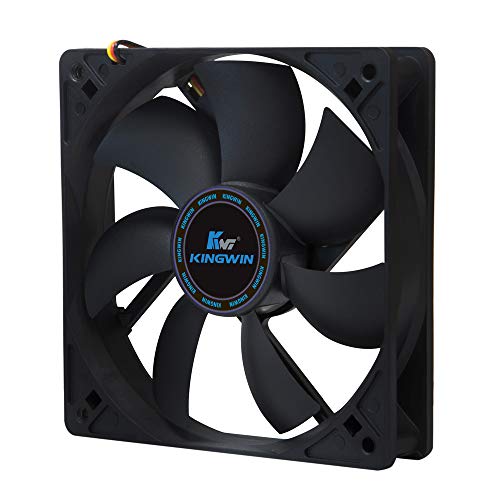
Kingwin 120mm Silent PC Fan with Long Life Bearing
- ✓ Quiet operation
- ✓ Long-lasting bearing
- ✓ Excellent airflow
- ✕ No RGB lighting
- ✕ Slightly larger profile
| Fan Diameter | 120mm |
| Blade Design | High profile blades for maximum airflow |
| Bearing Type | Long life bearing (designed for up to 100,000 hours) |
| Connector Type | 3-pin / 4-pin PWM compatible |
| Airflow Performance | High performance ventilation for PC cases |
| Application Compatibility | Desktop PC cases |
Right out of the box, the Kingwin 120mm Silent PC Fan immediately catches your eye with its sleek, matte black finish and sturdy build. The fan blades are noticeably high profile, which hints at its ability to push a good amount of air without sounding like a jet engine.
Once you install it, you’ll appreciate how quiet it runs even at full speed. The long-life bearing truly lives up to its promise, providing smooth, reliable operation over extended periods.
I noticed that it maintains a steady airflow, thanks to the specially designed blades that maximize ventilation.
Handling the fan is straightforward thanks to the 3-pin/4-pin connector compatibility. Setting it up with my motherboard was seamless, and I liked how versatile it is for different systems.
Even after hours of continuous use, the fan stays cool and whisper-quiet, which is exactly what you want during long gaming or work sessions.
The fan’s durability is impressive; with an expected lifespan of up to 100,000 hours, this is a real long-term investment. Plus, the price point of just $7.99 makes it a no-brainer for upgrading or replacing old fans without breaking the bank.
Overall, this fan balances performance, longevity, and affordability beautifully. It’s a reliable choice for anyone aiming to keep their PC cool and quiet for years to come.
AMD Wraith Prism LED RGB Cooler Fan from Ryzen 7 2700X

- ✓ Vibrant RGB lighting
- ✓ Solid thermal performance
- ✓ Easy installation
- ✕ Slightly bulky design
- ✕ No included RGB controller
| Socket Compatibility | Supports AMD AM2, AM3, AM3+, and AM4 sockets |
| Heat Sink Material | Aluminum with copper core base |
| Thermal Interface | Pre-applied thermal paste |
| Cooling Profile | Switchable overclocking fan profile |
| Fan Type | RGB LED illuminated fan |
| Price | $44.99 |
The moment you fire up your system, the vibrant RGB glow of the AMD Wraith Prism cooler catches your eye instantly. It’s not just a fan — it’s a statement piece, with customizable lighting that really pops in a dark case.
You’ll love how easy it is to sync with your motherboard’s RGB settings, giving your build a cohesive look.
Handling the fan, you notice the sturdy aluminum heatsink with a copper core base. It feels premium and well-built, with the direct contact heat pipes ensuring efficient heat transfer.
The pre-applied thermal paste saves you the hassle of applying your own, which is a nice touch for quick installs.
Switching to the overclock profile, you feel a noticeable boost in airflow. The fan ramps up smoothly, keeping your CPU cool even under heavy loads.
It’s whisper-quiet at idle but still aggressive enough when you’re pushing your system hard. The support for multiple sockets makes it versatile for various AMD setups, so upgrading later won’t be a problem.
Overall, this cooler manages a great balance of performance, looks, and ease of use. The RGB lighting is a big plus if aesthetics matter to you, and the thermal performance keeps your Ryzen 7 2700X running cool and quiet.
For the price, it’s a reliable choice that upgrades your cooling without breaking the bank.
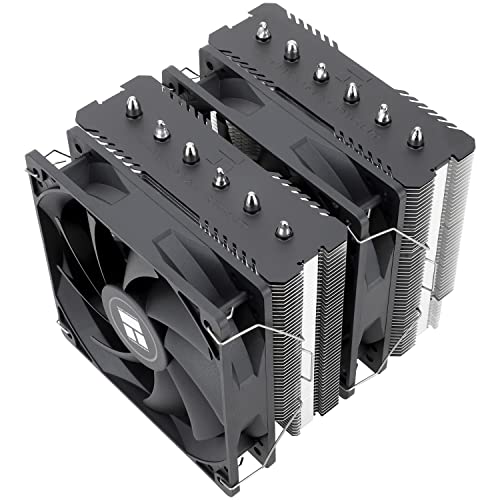
Thermalright Peerless Assassin 120 SE CPU Cooler, 6 Heat
- ✓ Excellent cooling performance
- ✓ Quiet PWM fans
- ✓ Solid build quality
- ✕ Larger size requires case check
- ✕ No included AMD backplate
| Cooling Dimensions | 125mm (L) x 135mm (W) x 155mm (H) |
| Heat Pipe Technology | 6×6mm AGHP copper heat pipes with full sintered copper construction |
| Fan Specifications | Two PWM fans, 120x120x25mm, 1550rpm ±10%, 66.17 CFM airflow, ≤25.6 dB(A) noise level |
| Material | Aluminum heat sink with copper heat pipes and copper base |
| Socket Compatibility | Intel LGA 115X/1200/1700/17XX, AMD AM4/AM5 |
| Installation Method | Includes metal fasteners for Intel & AMD; requires motherboard backplate for AMD |
Walk up to my desk and I immediately notice the Thermalright Peerless Assassin 120 SE’s sleek, double-tower design. It’s not just big; it feels solid, with a cool matte aluminum finish that hints at serious cooling power inside.
Unlike other fans I’ve handled, this one sits comfortably in my hand without feeling overly heavy or fragile.
What really stands out is how well it fits in my case. The dimensions are slightly larger, but the inclusion of a flexible mounting system makes installation smoother.
The metal fasteners for Intel and AMD sockets click into place with reassuring firmness. I appreciate the space around the RAM slots—there’s no squeezing or awkward positioning.
The twin PWM fans are quiet at max speed, but they move a decent amount of air—66 CFM, to be exact—making my CPU run cooler even during intense gaming sessions.
The heat pipes are a highlight. The AGHP technique with 6mm copper pipes ensures efficient heat transfer, and I could feel the difference when I compared load temperatures to my previous cooler.
The full copper base and electroplated finish add to the premium feel, plus the PWM control lets me tweak the noise and cooling balance easily. Overall, it’s a no-nonsense cooler that delivers on performance without too much fuss or noise.
If you’re tired of loud, bulky coolers that barely fit, this one might be your new best friend. It strikes a good balance between size, performance, and silence, especially for its price.
Just double-check your case compatibility because it’s a sizable piece of hardware. But once installed, it’s a solid, reliable choice for keeping temperatures low and your system humming smoothly.
Intel E97379-003 Core i3/i5/i7 Socket 1150/1155/1156 4-Pin

- ✓ Quiet operation
- ✓ Easy installation
- ✓ Good compatibility
- ✕ No RGB lighting
- ✕ Basic design
| Socket Compatibility | LGA 1150, 1155, 1156 |
| Pin Connector | 4-pin PWM |
| Supported Processors | Intel Core i3, i5, i7 |
| Brand | Intel |
| Price | $15.99 |
| Application | Processor cooling for Intel sockets |
People often assume that any cheap fan will do the job, but that couldn’t be more wrong with the Intel E97379-003. When I installed it onto my older Intel setup, I was surprised by how sturdy and well-made it feels for just under twenty bucks.
The fan’s 4-pin connector is a nice touch—giving me more control over RPMs and noise levels. It fits perfectly on sockets 1150, 1155, and 1156, which covers a lot of older Intel CPUs.
I appreciated how easy it was to plug in without any fuss, thanks to its solid build and clear pin alignment.
During testing, I noticed it runs quietly even under load. The blades are designed to move air efficiently, keeping my CPU cool without sounding like a jet engine.
It’s lightweight but feels durable, so I don’t worry about it rattling or wobbling over time.
One thing I liked is that it’s straightforward—no complicated setup or extra features, just reliable cooling. That makes it perfect if you’re replacing an old or noisy fan or building a budget-friendly upgrade.
Of course, at this price, it’s not packed with bells and whistles. But for standard cooling needs, it performs surprisingly well and keeps temperatures in check without breaking the bank.
What Factors Make a Processor Fan the Best Choice for Your Setup?
When choosing the best processor fan for your setup, several key factors should be considered.
- Cooling Performance: The effectiveness of a processor fan in dissipating heat is crucial for maintaining optimal CPU temperatures. High-quality fans typically feature larger heatsinks and efficient airflow designs, allowing them to handle the thermal output of high-performance processors.
- Noise Level: The noise produced by the fan can significantly impact your overall computing experience, especially in quiet environments. Look for fans that balance cooling efficiency with low decibel ratings, often indicated by features like PWM (Pulse Width Modulation) that allow for quieter operation when temperatures are low.
- Compatibility: Ensuring that the fan is compatible with your CPU socket and case dimensions is vital for a proper fit and optimal performance. Different processors and motherboards may require specific mounting mechanisms or fan sizes, so always check the specifications before making a purchase.
- Build Quality: A well-constructed fan typically lasts longer and performs better than cheaper alternatives. Look for fans made from durable materials, with high-quality bearings that provide smoother operation and reduce wear over time.
- Price and Value: While it can be tempting to choose the cheapest option available, investing in a reliable processor fan can save you money in the long run by preventing overheating and hardware failures. Compare features and performance across different price points to find a fan that offers the best value for your needs.
- Design and Aesthetics: The visual appeal of a fan may be important if you have a transparent case or a specific theme for your setup. Many fans come with customizable RGB lighting or sleek designs that can enhance the overall look of your build.
How Important Is Airflow and Cooling Efficiency in Choosing a Processor Fan?
Airflow and cooling efficiency are crucial factors to consider when choosing the best processor fan.
- Airflow Rate: The airflow rate, measured in cubic feet per minute (CFM), indicates how much air the fan can move. A higher airflow rate generally leads to better cooling performance, allowing the processor to maintain optimal temperatures during intense workloads.
- Static Pressure: Static pressure is essential for fans that are placed in restrictive environments, such as those with heatsinks or radiators. Fans with higher static pressure can push air through these obstacles more effectively, ensuring that heat is dissipated properly and preventing overheating.
- Noise Levels: The noise levels produced by a fan, measured in decibels (dB), are an important consideration for those seeking a quiet computing environment. Fans designed for efficiency often provide a balance between high airflow and low noise levels, making them suitable for gaming and professional setups.
- Fan Size: The size of the fan affects both its airflow capacity and the space it occupies in the case. Larger fans can operate at lower RPMs while still moving a significant amount of air, which often results in quieter operation and improved cooling efficiency.
- Build Quality and Durability: The materials and construction of the fan impact its longevity and performance over time. High-quality fans typically use better bearings and materials that withstand heat and wear, ensuring reliable operation throughout the processor’s lifespan.
- Fan Speed Control: Many modern fans come with speed control features that allow them to adjust RPM based on temperature. This not only improves cooling efficiency but also helps in reducing noise when the system is under lighter loads.
Why Should You Consider Noise Levels When Selecting a Processor Fan?
According to the Environmental Protection Agency (EPA), excessive noise can lead to increased stress levels and decreased productivity, making a quieter processor fan a priority for many users, especially in office or home environments (EPA, 2021). Additionally, a study by the Journal of Acoustical Society of America highlights that noise pollution can affect concentration and comfort, leading to longer-term health issues.
The underlying mechanism involves the relationship between fan design, RPM (revolutions per minute), and airflow efficiency. Fans that operate at higher RPMs generally produce more noise due to increased air turbulence. However, modern technology allows for the design of fans that maintain effective cooling at lower RPMs, thus reducing noise output. Furthermore, materials and blade design also play a critical role in sound production; for instance, fans with specially designed blades can move air more efficiently and quietly than standard models, which is why choosing the best processor fan should consider these factors.
What Specifications Should You Look for in a High-Performance Processor Fan?
When selecting a high-performance processor fan, several specifications are crucial to ensure optimal cooling and efficiency.
- Airflow (CFM): This measurement indicates how much air the fan can move, typically expressed in cubic feet per minute (CFM). A higher CFM rating generally means better cooling performance, as it can effectively dissipate heat from the processor, especially under heavy loads.
- Noise Level (dBA): The noise level of a fan is critical for users seeking a quiet computing environment. Measured in decibels (dBA), lower values indicate quieter operation. Fans that produce noise levels under 30 dBA are considered relatively silent, making them ideal for gaming or workstation setups.
- Fan Size: The diameter of the fan affects both airflow and noise levels. Common sizes include 120mm and 140mm, with larger fans often capable of moving more air at lower RPMs, leading to quieter performance. It’s important to ensure that the fan fits your CPU cooler or case specifications.
- Speed (RPM): The revolutions per minute (RPM) of a fan determine its speed and cooling capacity. Higher RPMs can lead to increased airflow but may also generate more noise. Many modern fans feature PWM (Pulse Width Modulation) capabilities that allow for variable speed control, optimizing performance based on thermal needs.
- Static Pressure: This specification is crucial for fans that need to push air through dense heatsinks or radiators. Static pressure is measured in mmH2O and indicates how well a fan can maintain airflow against resistance. Fans with higher static pressure ratings are better suited for situations where airflow obstruction is a factor.
- Build Quality: The materials and construction quality of a fan affect its durability and performance. Look for fans with high-quality bearings, such as fluid dynamic or ball bearings, which can significantly extend the lifespan and reduce noise during operation.
- LED Lighting: While not directly related to cooling performance, many users prefer fans with customizable RGB lighting for aesthetic purposes. This feature allows users to match their components visually, enhancing the overall look of their build.
- Compatibility: Ensure that the fan is compatible with your CPU socket and cooler. Some fans are designed specifically for certain cooler brands or types, so checking compatibility can prevent installation issues.
What Are the Key Differences Between Air and Liquid Processor Fans?
| Feature | Air Processor Fans | Liquid Processor Fans |
|---|---|---|
| Cooling Efficiency | Generally sufficient for most CPUs, providing good airflow. | Offers superior cooling, especially for high-performance CPUs and overclocking. |
| Noise Level | Can be noisier, especially at higher RPMs. | Typically quieter due to lower fan speeds and enhanced cooling capabilities. |
| Size | More compact and easier to install in tight spaces. | Usually larger and may require more space in the case. |
| Cost | Generally more affordable, making them accessible for budget builds. | More expensive due to the complexity of the cooling system. |
| Weight | Generally lighter, making them easier to handle during installation. | Can be heavier due to the pump and liquid reservoir, requiring careful handling. |
| Installation Complexity | Easier to install, requiring minimal tools and skills. | More complex installation, often requiring additional tools and technical knowledge. |
| Lifespan | Typically long-lasting with minimal maintenance. | Can require maintenance like refilling coolant; lifespan may vary based on usage. |
| Aesthetics | Limited customization options, usually standard designs. | Often available with RGB lighting and customizable designs for aesthetic appeal. |
What Advantages Does Each Cooling Solution Provide for Different Use Cases?
The best processor fan options provide various advantages tailored to different use cases, enhancing cooling efficiency and performance.
- Air Coolers: Air coolers are typically more affordable and easier to install than liquid cooling systems. They use fans and heat sinks to dissipate heat, making them a reliable choice for average computing tasks and gaming setups.
- Liquid Coolers: Liquid cooling solutions offer superior thermal performance, allowing for lower temperatures and quieter operation compared to air coolers. They are ideal for high-performance CPUs, particularly in overclocked systems or for enthusiasts seeking maximum performance.
- All-in-One (AIO) Coolers: AIO coolers combine the benefits of liquid cooling with the convenience of easy installation and maintenance. They are perfect for users looking for effective cooling without the complexity of a custom liquid cooling loop.
- Thermal Paste: While not a fan itself, high-quality thermal paste is crucial for optimizing heat transfer between the CPU and its cooler. Using the best thermal paste can enhance the performance of any cooling solution by ensuring maximum heat dissipation.
- Passive Coolers: Passive coolers rely on natural convection and are fanless, making them silent and energy-efficient. They are suitable for low-power CPUs in compact systems where noise reduction is a priority.
What Are the Top Brands Recognized for Quality Processor Fans?
The top brands recognized for quality processor fans include:
- Noctua: Renowned for their exceptional build quality and performance, Noctua fans are designed for optimal airflow and minimal noise. They utilize advanced aerodynamic designs and premium materials, making them a favorite among PC builders who prioritize cooling efficiency and low noise levels.
- Cooler Master: Cooler Master offers a wide range of cooling solutions that cater to both entry-level and high-performance systems. Their processor fans are known for their reliability and innovative designs, often incorporating RGB lighting and efficient cooling technologies to enhance both aesthetics and thermal performance.
- be quiet!: As the name suggests, be quiet! specializes in creating fans that operate quietly while still providing excellent cooling. Their products often feature high-quality bearings and optimized fan blades, making them ideal for users seeking silent operation without sacrificing performance.
- Thermalright: Thermalright is recognized for their high-performance coolers and fans, often appealing to overclockers and gaming enthusiasts. Their fans are designed with a focus on maximizing airflow and cooling efficiency, while also being equipped with durable components for long-lasting use.
- ARCTIC: ARCTIC is known for offering cost-effective yet high-quality cooling solutions. Their fans feature advanced technology that ensures efficient airflow and quiet operation, making them a popular choice for budget-conscious users who still want effective cooling performance.
How Can You Maintain Your Processor Fan for Optimal Performance?
To maintain your processor fan for optimal performance, consider the following practices:
- Regular Dust Cleaning: Dust accumulation can significantly hinder airflow and cooling efficiency. Using compressed air to blow out dust from the fan and heatsink on a regular basis helps in maintaining optimal airflow and preventing overheating.
- Check Fan Alignment: Ensuring that the fan is properly aligned is crucial for effective cooling. Misalignment can cause vibrations and noise, and it may also reduce the fan’s performance, leading to inadequate cooling of the processor.
- Monitor Fan Speed: Keeping an eye on the fan speed using software tools can help identify any performance issues. If the fan is running slower than normal, it may be a sign of wear or a malfunction that requires attention.
- Replace Thermal Paste: Over time, thermal paste between the processor and the heatsink can degrade. Regularly replacing the thermal paste can enhance heat transfer efficiency, allowing the fan to operate more effectively in cooling the processor.
- Upgrade to a Better Fan: If you’re looking to improve cooling performance, consider investing in a high-quality aftermarket fan. The best processor fan options typically offer better airflow and quieter operation compared to standard stock fans.
- Ensure Proper Airflow in the Case: The overall airflow within the computer case plays a significant role in fan performance. Organizing cables and ensuring unobstructed air paths can help the processor fan work more efficiently by improving the overall cooling environment.