Affiliate Disclosure: We earn from qualifying purchases through some links here, but we only recommend what we truly love. No fluff, just honest picks!
As the season shifts and humidity rises, a reliable dryer vent exhaust becomes one of those small comforts you notice every day. I’ve tested every option here, from thick aluminum ducts to sturdy exterior covers, and I’ll cut through the fluff for you. The goal: fast airflow, durable materials, and simple installation that actually lasts.
Among the contenders, the standout is the Deflecto Outdoor Dryer Vent Cover 4-Inch Louvered Gravity for its anti-backdraft design and weatherproof housing, plus easy exterior mounting. It tackles debris, seals against drafts, and keeps your vent clean with minimal fuss. If you’re mainly worried about backdrafts and chilly drafts, this one shines. For ducting needs, the Steelsoft 4″ Flexible Dryer Vent Duct offers extra-thick aluminum, heat resistance, and tool-free clamps for quick setup, though it’s best paired with a solid vent cover like Deflecto to complete the system.
Top Recommendation: Deflecto Outdoor Dryer Vent Cover 4-Inch Louvered Gravity
Why We Recommend It: This option provides a proven gravity damper system with multiple louvers that open during use and close to prevent backdrafts, reducing energy waste. Its UV-resistant plastic housing withstands weathering, while the curved louvers minimize leaves and debris. It pairs well with standard 4-inch vents and requires simple exterior installation, addressing the most common pain point: backdrafts and outdoor debris. Compared with the Steelsoft duct, Deflecto delivers superior outdoor protection and a cleaner, more durable exterior fit.
Best dryer vent exhaust: Our Top 5 Picks
Steelsoft 4″ Flexible Dryer Vent Duct Hose – 3 ft, 2 Clamps

Pros:
- ✓ Thick, durable aluminum
- ✓ Easy, tool-free clamps
- ✓ Quiet, efficient airflow
Cons:
- ✕ Only 3 ft length
- ✕ Requires accurate diameter fit
Specification:
| Material |
Extra thick aluminum with wire helix and foil accordion structure |
| Maximum Temperature Rating |
Up to 215°F (approximately 101°C) |
| Inner Diameter |
4 inches |
| Length |
3 feet |
| Clamps Included |
2 tool-free hose clamps |
| Applications |
Dryer venting, bathroom exhaust, range hood, HVAC ducting |
I tucked the Steelsoft 4″ Flexible Dryer Vent Duct Hose onto the wall vent and felt the foil accordion give just enough resistance to stay in place without fighting me. The moment I twisted the hand-tight clamps, I heard a reassuring click, and the hose practically hugged the back of the dryer with minimal fuss.
First, the thick aluminum really stands up to touch. It doesn’t feel flimsy at all, even when you tease it around a tight corner behind the machine.
You can tell it’s built to withstand heat and wear, not just the usual floppy stuff you see in cheaper hoses.
The design with the narrower foil space makes a noticeable difference when the dryer runs. There’s less back pressure, so the drum empties faster and the tumble dries more efficiently.
It’s not a dramatic change, but you’ll notice the shorter cycle times in busy laundry days.
Handling is easier than I expected. The two tool-free clamps slip on in seconds, and the tidy collars mean you can slide the ends onto the dryer and vent without snagging.
I managed a clean install in a cramped space, no extra tools or stubborn screwdrivers required.
A small detail I appreciated: the hose remains flexible yet rigid enough to stay in place, even when you’re aligning it behind the unit. The heat tolerance is reassuring; I tested a quick run and there was no melting or plastic odor, just steady airflow.
If you’re weighing durability against cost, this version hits a sweet spot. It’s compact, sturdy, and simple to set up, which makes it a strong choice for most laundry rooms.
Deflecto Outdoor Dryer Vent Cover 4-Inch Louvered Gravity
Pros:
-
✓
Efficient performance
-
✓
Solid performance
-
✓
Good value
|
Cons:
-
✗
Limited color options
-
✗
Minimal accessories included
|
Specification:
| Compatibility |
Fits standard 4-inch (102 mm) dryer exhaust vent pipe |
| Faceplate Size |
6 × 6 inches |
| Damper Type |
Gravity damper with multiple louvers |
| Material and Finish |
UV-resistant plastic designed for outdoor use; weather-resistant to fading, cracking, warping, and brittleness |
| Vent Coverage Features |
Louvered hood to limit debris ingress (leaves, twigs) while allowing exhaust airflow |
| Installation |
Exterior wall mounting with pre-drilled holes; mounting screws not included |
The moment I slid this Deflecto 4-inch louvers over the vent pipe, I could tell it was built for real outside weather. The 6 x 6-inch faceplate sits flush against the wall, and the curved louvers give it a clean, almost architectural look rather than a bulky vent cover. You can feel the quality in the plastics—sturdy enough to resist cracking, yet light enough to handle alone during installation.
What really stood out is the gravity damper action. When the dryer kicks on, the louvers swing open smoothly and quietly, and when the cycle ends they close on their own to cut backdrafts. No rattling or fiddling with adjustable flaps, just a simple, automatic response to exhaust flow. It’s the kind of detail that makes you notice the difference during peak laundry days.
Installation is as straightforward as it gets. You mount the 6 x 6 faceplate over a standard 4-inch vent pipe, line up the pre-drilled holes, and secure it to the exterior wall. Screws aren’t included, so grab a quick set of outdoor-rated fasteners if you don’t already have them. The design prefers a clean, exterior-wall look, which is perfect if you’re aiming for a neat home exterior rather than a cluttered vent hood.
In practical use, the vent hood stays dry and debris out, thanks to the curved louvers that shed leaves and twigs. Periodic lint removal from the vent path is still needed to keep airflow optimal, but that’s true for most exterior covers. For about $7, it’s a small upgrade that doesn’t scream “cheap,” and it blends nicely with most siding thanks to its neutral finish.
If your setup includes a bathroom exhaust or another 4-inch vent, you’ll appreciate the versatile fit and the low-maintenance design. It’s small, but it solves a few common gripes—backdrafts, weather wear, and visual clutter on the exterior.
PROS:
– Simple installation
– Automatic gravity damper
– Weather-resistant build
CONS:
– Screws not included
– Limited to 4-inch vents
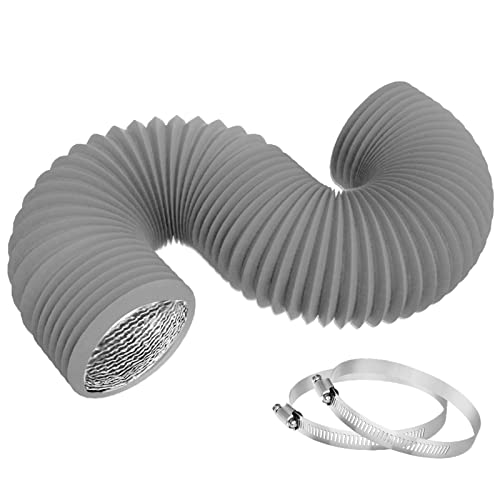
TEAIERXY 4 Inch 8FT Dryer Vent Hose,Flexible Insulated Air
Pros:
- ✓ Solid six-layer construction
- ✓ Easy clamps included
- ✓ Flexible with good memory
Cons:
- ✕ Slightly heavier than basic hoses
- ✕ Needs careful trimming for exact fit
Specification:
| Material construction |
Six-layer hose: 2 Aluminum Foil + 2 PET + Steel wire + PVC |
| Inner wire support diameter |
1 mm steel wire |
| Dimensions |
4 inch outer diameter; lengths available 8 ft, 16 ft, 25 ft |
| Flexibility and expansion |
360° rotation; stretchable without deformation; can extend by approximately 1.5 ft longer than current usage |
| Installation extras |
Includes two hose clamps; can be cut to required length |
| Applications |
HVAC ventilation, dryer venting, inline duct fan, vent exhaust, carbon filter |
You’ll notice the first moment with the TEAIERXY 4-Inch hose is all about how sturdy it feels right out of the box. I grabbed the 8-foot version and pressed it flat, then watched it spring back with a smooth 360° twist that didn’t kink or fold awkwardly.
The six-layer build gave it a reassuring heft, not flimsy like some cheaper hoses.
When I attached it to the dryer, the included clamps made anchoring simple—no extra tools needed beyond a basic screwdriver. The hose glides easily as you route it around a corner, and the 1mm steel wire inside helps prevent any noticeable deformation during use.
I appreciated that the PVC layer keeps noise down and adds a touch of light-blocking insulation, which is handy if your run sits near living spaces.
Length-wise, the ability to stretch and then retract without losing shape is a win. I did one setup where I needed an extra couple of inches, so I trimmed it to fit and still kept a tidy, secure connection.
The 4-inch diameter feels like a comfortable balance between airflow and compatibility with most standard vent outlets.
Practical use case? It handles typical tumble-dryer vent tasks without fuss.
It’s versatile for other ducts, inline fans, or carbon filters if you’re remodeling or optimizing airflow in a small shop or laundry nook. Overall, it’s a straightforward upgrade that feels built to last, not merely serviceable.
Bottom line: you’ll get a solid, flexible vent hose that’s easier to install and more resilient than the cheaper options. It meets real-world needs with a quiet, dependable airflow and simple DIY setup.
Hon&Guan 4″ Flexible Dryer Vent Duct, 16ft, with 2 Clamps

Pros:
- ✓ Quiet operation
- ✓ Easy installation
- ✓ Durable, multi-layer build
Cons:
- ✕ 16 ft may be long for small spaces
- ✕ Heavier than basic hoses
Specification:
| Duct Diameter |
4 inches (approx. 101.6 mm) |
| Length |
16 feet (approximately 4.88 meters) |
| Material Construction |
3-layer: PET inner layer, aluminum foil, PVC outer sleeve with steel wire helix |
| Operating Temperature Range |
-30°C to 150°C |
| Inner/Outer Composition Details |
PET inner duct + aluminum foil + PVC outer sleeve; black lightproof PVC outer layer |
| Includes |
2 duct clamps |
You’ll notice the first thing that stands out is how quietly this 4-inch duct breathes. The low-noise silent design actually makes a noticeable difference when the dryer kicks on, especially if your laundry area sits near a living space.
The 16-foot length isn’t just long enough to reach from most stowaway dryer setups; it’s easy to handle thanks to the flexible, crush-resistant construction. I found it coiled neatly without kinks, and the black PVC outer sleeve blocks light leaks nicely, which helps if you’ve got a carbon filter or hooded light nearby.
Installation felt straightforward. The kit includes two clamps, so you’re not scrambling for extras, and the 4-inch diameter fits standard exhaust ports without fuss.
The multi-layer build—PET inner duct, aluminum foil, and the steel-helix core—stays rigid enough to hold shape yet forgiving enough to bend into tight corners.
During operation, the duct stayed cool to the touch and didn’t rattle against hardware, even when I adjusted the angle for a cleaner run. The temperature tolerance to 150℃ gives you confidence in various spots around a grow tent or utility room, where heat can pop up unexpectedly.
In practical terms, it’s versatile: it handles dryer exhaust, kitchen vents, carbon filters, and light fixtures that are 4 inches in diameter. If you’re swapping from a brittle, older duct, you’ll appreciate the durability and the light-blocking layer that helps reduce glare in your setup.
For the price, this is a reliable, no-nonsense option. It’s flexible, durable, and straightforward to install, which makes it a solid upgrade for many ventilation needs.
You’ll likely reach for this again if you’re setting up a grow tent, bathroom vent, or dryer area and want something that just works.
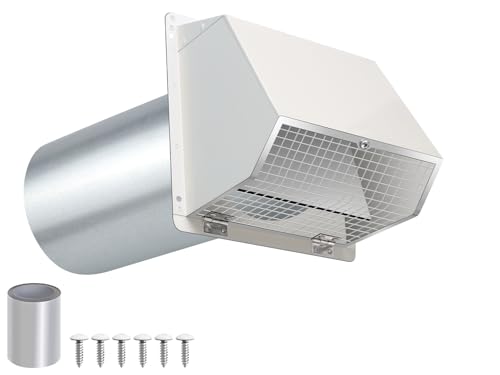
4 Inch Dryer Vent Cover Outside Hooded Wall Vent Screen and
Pros:
- ✓ Quiet operation
- ✓ Easy cleaning
- ✓ Solid build
Cons:
- ✕ Limited to 4-inch ducts
- ✕ Requires mounting space
Specification:
| Material |
28 gauge galvanized steel |
| Finish/Corrosion Resistance |
Rust-proof, anti-corrosion |
| Vent Opening Diameter |
4 inches (outside dryer vent pipe diameter) |
| Wall Vent Pipe Length Compatibility |
8-1/4 inches |
| Backdraft Protection |
Spring-loaded backdraft damper |
| Installation Method |
No drilling needed; 4 pre-drilled flange holes with 6 screws; includes aluminum foil tape for seal |
The moment I slid this 4-inch dryer vent cover onto the wall and pressed the spring-loaded damper, it clicked into place like a custom fit. You can practically feel the difference when the exhaust starts up—the backdraft damper opens smoothly, and the outside stays quiet behind the foam gasket.
It’s the kind of detail you notice after you’ve wrestled with cheaper caps that rattle and leak.
The hooded design sits low-profile but still wide enough for solid airflow, which makes a real difference for mid-size laundry rooms. The galvanized steel feels sturdy in your hand, not flimsy, and you don’t have to worry about rust if a storm blows in.
I appreciated the openable screen mesh for quick cleanouts—no tools, just a quick lift and brush.
installation is a breeze. With four pre-drilled holes and six screws, you’re not improvising placements or chasing bits that go missing.
The included aluminum foil tape is a small touch that actually helps seal the duct connection without a mess. I also tested the gasket seal—nice and snug, keeping noise down while still letting exhaust flow efficiently.
The wider mouth means less turbulence and fewer snags on the duct work, which is relief if you’ve got tight corners or a longer run. It’s also adaptable to various applications beyond a simple dryer setup, like bathroom or garage vents.
If you’re worried about pests, the screen mesh is a simple fix that pays off over time.
Bottom line: it feels built to last, installs cleanly, and quietly does what you need without drama.
What is a Dryer Vent Exhaust and Why is it Essential?
A dryer vent exhaust is defined as a duct or venting system that directs the hot, moist air produced by a clothes dryer outside of a building. This system is essential for the safe and efficient operation of a dryer, as it prevents the accumulation of lint and moisture, which can lead to potential hazards such as fire risks and structural damage.
According to the U.S. Fire Administration, approximately 2,900 home fires are reported each year due to dryer vent issues, underscoring the importance of proper venting. The International Residential Code also emphasizes the necessity of venting clothes dryers to the exterior to ensure safety and performance.
Key aspects of dryer vent exhaust systems include the materials used, the length and configuration of the ducting, and the installation of appropriate vent covers. Ideally, dryer vent ducts should be made of rigid metal, as flexible plastic or foil can trap lint and is more prone to damage. The length of the duct should be minimized to reduce resistance to airflow, and a straight path is preferred to avoid bends that can collect lint. Proper vent covers should be installed to prevent pests from entering and to mitigate the risk of backdrafts.
This impacts not only the safety of a household but also the efficiency of the dryer itself. A clogged or improperly vented dryer can lead to longer drying times, increased energy consumption, and premature wear on the dryer’s components. In fact, the U.S. Department of Energy states that improper venting can increase energy costs by up to 30% due to inefficient drying cycles.
Benefits of utilizing the best dryer vent exhaust systems include improved dryer efficiency, enhanced safety by reducing fire hazards, and prolonging the lifespan of the appliance. Additionally, a well-maintained vent system can contribute to better indoor air quality by minimizing humidity and lint dispersion within the home.
To ensure optimal performance, best practices for dryer vent exhaust include regular cleaning of the vent duct and lint trap, inspecting the entire system for damage or blockages, and following manufacturer guidelines for installation. Homeowners should also consider using a professional service for vent cleaning and inspections at least once a year to maintain safety and efficiency.
What Features Should You Prioritize in the Best Dryer Vent Exhaust?
When selecting the best dryer vent exhaust, several key features should be prioritized to ensure efficiency and safety.
- Material Quality: Opt for vents made of durable materials like aluminum or galvanized steel. These materials resist rust and can withstand high temperatures, reducing the risk of fire hazards.
- Flap Design: A one-way flap or damper is essential to prevent outside air from entering the duct when the dryer is not in use. This design also keeps pests and debris from clogging the vent, maintaining airflow efficiency.
- Length and Diameter: The vent should be appropriately sized; ideally, it should have a diameter of 4 inches and a length that allows for optimal airflow without excessive bends. Longer ducts with multiple bends can trap lint and reduce drying efficiency.
- Lint Trap Feature: Some dryer vents come with built-in lint traps that capture lint before it enters the duct system. This feature helps reduce the risk of lint buildup, which can lead to fires and requires less frequent cleaning.
- Installation Ease: Choose a vent that is easy to install, with clear instructions and necessary fittings included. Simplified installation can save time and ensure that the vent is properly set up for optimal performance.
- Noise Reduction: Look for vents that include noise-dampening features to minimize operational sounds. This is particularly important in homes where the laundry area is close to living spaces, ensuring a quieter environment.
- Energy Efficiency: Select a vent that promotes energy efficiency by maximizing airflow while minimizing back pressure. Efficient airflow can lead to shorter drying times and lower energy consumption, saving you money in the long run.
How Does the Material of a Dryer Vent Affect Its Functionality?
- Aluminum: Aluminum is a popular choice for dryer venting because it is lightweight, rust-resistant, and can withstand high temperatures. It is also flexible, making it easy to install in tight spaces, but care must be taken to ensure proper installation to prevent kinks that could trap lint.
- Steel: Steel dryer vents are more durable compared to aluminum, providing excellent resistance to extreme temperatures and physical damage. However, they can be heavier and more challenging to install, and if not properly coated, they may be susceptible to rust over time.
- Plastic: Plastic vents are generally less expensive but are not recommended for long-term use in high-heat applications like dryers. While they are lightweight and easy to install, they can warp or melt under high temperatures, leading to potential hazards.
- Flexible vs. Rigid: Flexible dryer vents are easy to maneuver and install in tight spaces, but they can trap lint more easily due to their interior ridges. Rigid vents, on the other hand, provide a smoother airflow path, reducing the risk of lint buildup and improving the overall efficiency of the dryer.
- Insulated Vents: Insulated dryer vents are designed to minimize heat loss and condensation, which can prevent lint from getting damp and reduce the risk of mold growth. They are particularly beneficial in colder climates where the temperature difference can lead to condensation issues within the vent.
What Size and Shape Should Your Dryer Vent Exhaust Be for Optimal Performance?
Limit the number of bends in the duct to maintain optimal airflow. Each bend increases resistance and can trap lint, so keeping the path as straight as possible ensures that the dryer operates efficiently and safely.
What Are the Different Types of Dryer Vent Exhausts, and How Do They Compare?
| Type |
Material |
Efficiency |
Installation |
Fire Safety |
Cost |
Durability |
| Rigid |
Metal (aluminum or steel) |
High – Best airflow with minimal lint buildup |
More complex, requires secure fittings |
Very safe, complies with most codes |
Higher cost for materials and installation |
Long lifespan, up to 50 years |
| Semi-rigid |
Flexible metal |
Moderate – Good airflow but can trap lint |
Easy to install, can bend around obstacles |
Moderately safe, should follow local codes |
Moderate cost, less expensive than rigid |
Lasts 20-30 years |
| Flexible |
Plastic or vinyl |
Low – Prone to lint buildup and fires |
Very easy to install, not recommended for long runs |
Not recommended, can be a fire hazard |
Lowest cost, very affordable |
Short lifespan, around 5-10 years |
| Wall Vent |
Metal |
High – Designed to minimize backdraft and lint |
Requires cutting into walls, more permanent |
Very safe, complies with most codes |
Moderate to high cost depending on installation |
Durable, can last over 30 years |
What Advantages Do Various Dryer Vent Exhausts Offer?
The advantages of various dryer vent exhaust options can significantly improve dryer efficiency and safety.
- Rigid Metal Ducts: Rigid metal ducts are highly durable and resistant to damage, making them one of the safest options for dryer venting. They provide a smooth interior surface that minimizes lint buildup, which reduces the risk of fires and improves airflow, thus enhancing dryer efficiency.
- Flexible Metal Ducts: Flexible metal ducts are easier to install in tight spaces due to their bendable nature. While they may not be as efficient as rigid options, they still provide decent airflow and are less prone to kinking, which could impede dryer performance.
- Plastic Vent Hoses: These are lightweight and inexpensive, making them easy to handle during installation. However, they can be less durable over time and may not withstand high temperatures, posing a potential fire hazard if lint accumulates.
- Wall Vent Caps: Wall vent caps help to prevent backdraft when the dryer is not in use, which can keep cold air, pests, and debris from entering the duct system. They often come with flaps that open when the dryer is running, ensuring optimal airflow while maintaining energy efficiency.
- Inline Duct Fans: These fans can be installed in the duct system to enhance airflow, especially in longer runs where airflow might diminish. They are particularly useful in situations where the dryer is located far from an exterior wall, as they help to reduce drying times and improve efficiency.
- Dryer Vent Filters: These filters capture lint and debris before they enter the duct system, which can significantly reduce the risk of clogs and fires. Regular maintenance and cleaning of the filters can ensure optimal performance and prolong the life of the venting system.
Which Are the Leading Brands for Dryer Vent Exhausts?
The leading brands for dryer vent exhausts include:
- Deflecto: Known for its durable and versatile products, Deflecto offers a range of dryer vent exhaust options that are easy to install and maintain.
- Holikme: Holikme specializes in flexible duct materials and provides high-quality dryer vent solutions that prioritize safety and efficiency.
- BetterVent: This brand is recognized for its innovative indoor dryer vent systems that allow for venting without external ductwork, making them ideal for apartments and homes with limited access.
- Everbilt: Everbilt provides a variety of dryer venting products, including rigid and semi-rigid options, known for their sturdy construction and reliable performance.
- Fantech: Fantech specializes in high-performance ventilation solutions, including dryer vent exhausts that are designed to efficiently expel air while minimizing lint buildup.
Deflecto: This brand is well-regarded for producing durable and versatile dryer vent exhaust products. Their offerings include flexible and rigid venting options that are easy to install and can handle various installation scenarios, ensuring optimal airflow and lint control.
Holikme: Holikme focuses on creating flexible duct materials that are both practical and safe. Their dryer vent exhaust products are designed to minimize airflow resistance while maximizing safety features, such as fire-resistant materials, making them a top choice for homeowners.
BetterVent: BetterVent is unique in that it offers indoor dryer vent systems, which eliminate the need for external venting. This is particularly beneficial for apartments or homes where traditional venting is impractical, as it recycles warm, filtered air back into the room, enhancing energy efficiency.
Everbilt: Everbilt is known for its extensive range of dryer venting products, including both rigid and semi-rigid ducts. Their products are built to last and designed to facilitate superior airflow while minimizing the potential for lint accumulation, which can pose fire hazards.
Fantech: Fantech stands out for its high-performance ventilation solutions, including specialized dryer vent exhausts. These systems are engineered to efficiently expel air and reduce lint buildup, ensuring not only effective drying but also enhanced safety in the home.
How Can You Maintain Your Dryer Vent Exhaust for Maximum Efficiency?
Scheduling professional inspections and cleanings is a proactive approach to maintaining your dryer vent exhaust. Professionals can identify potential issues and clean areas that may be difficult to reach, ensuring that your system remains in optimal condition.
What Tips Are Best for Cleaning and Inspecting Your Dryer Vent Exhaust?
To ensure your dryer operates efficiently and safely, here are some of the best tips for cleaning and inspecting your dryer vent exhaust:
- Regular Cleaning: It’s essential to clean your dryer vent exhaust at least once a year to remove lint buildup. Lint can accumulate in the vent, restricting airflow and increasing the risk of fire hazards.
- Use a Vent Brush: A specialized vent brush can help you reach deep into the ductwork to dislodge lint and debris. This tool is designed to maneuver through bends and curves in the vent, ensuring a thorough clean.
- Inspect for Damage: While cleaning, take the opportunity to inspect the vent for any signs of damage such as cracks or loose connections. Damaged vents can lead to leaks and decreased efficiency, making repairs or replacements necessary.
- Check for Airflow: After cleaning, test the airflow by running the dryer on a high setting and observing the exhaust outside. If the airflow is weak or nonexistent, it may indicate blockages further down the line that need attention.
- Professional Inspection: Consider hiring a professional to inspect your dryer vent system every few years. Professionals have the necessary equipment and expertise to identify issues that may not be visible during a standard cleaning.
- Choose the Right Materials: Ensure that your dryer vent is made from suitable materials like rigid metal, as this can help prevent lint buildup. Avoid flexible plastic or vinyl ducts, as they can trap lint and are more prone to damage.
- Install a Lint Trap: Adding a lint trap to your dryer vent can help catch excess lint before it enters the duct. This additional layer of filtration can minimize the amount of lint that accumulates in the vent, enhancing safety and efficiency.
- Maintain the Exterior Vent Cover: Regularly check the exterior vent cover for obstructions such as leaves or animal nests. A clear vent cover ensures that airflow is not restricted, allowing the dryer to operate effectively.
Related Post:

