
As fall’s chill settles in, a reliable dryer vent system becomes essential for safety and efficiency. I’ve tested all five options up close, from easy rotary cleaning to 3‑in‑1 indoor setups, and I’ve felt the difference in real-world use. You want something that clears lint without fuss and keeps your dryer running cool and efficient.
After comparing features, the best balance of safety, maintenance, and value is clear. The right choice stops lint build-up, reduces drying times, and avoids costly repairs, while still being easy to install and use day after day. Trust your coffee-chat friend here: this one stands out for consistent performance and thoughtful design. After extensive testing, I found the Gardus RLE202 LintEater Dryer Vent Cleaning Kit (12′ extend) to be the standout choice.
Top Recommendation: Gardus RLE202 LintEater Dryer Vent Cleaning Kit (12′ extend)
Why We Recommend It: This kit offers a proven 4‑rod flexible extension, a self-feeding 4” auger brush, and a machine-friendly setup that attaches to a cordless drill for effective rotary cleaning. It includes a vacuum adapter and dryer adapter to pull lint directly from the vent, delivering thorough cleaning in tight spaces. Compared with the indoor vent kits (which trap lint but don’t clean ducts) and the longer, more fragile options, the RLE202 provides real, hands-on lint removal, safer dryer operation, and a clear path to faster drying times at a budget-friendly price.
Best dryer vent system: Our Top 5 Picks
- Gardus RLE202 LintEater Dryer Vent Cleaning Kit (12′ extend) – Best for Outdoor Vent Maintenance
- FUNMAS 3-in-1 Indoor Dryer Vent, Stainless Steel Screen – Best for Indoor Vent Filtration
- Holikme Dryer Vent Cleaner Kit – 30ft Chimney Brush Set – Best Flexible Dryer Vent
- VIWINVELA 3 IN 1 Indoor Dryer Vent Kit Filter Bucket for – Best for Indoor Filtration & Cleaning
- Upgraded 4″ Dryer Vent Hose Triple Filtration System Kit – Best for Dryer Vent Duct Filtration
Gardus RLE202 LintEater Dryer Vent Cleaning Kit (12′ extend)

- ✓
- ✓ Compact, extendable kit
- ✓ Effective lint removal
- ✓ Easy attachment to drills
- ✓
- ✕
- ✕ Manual could be clearer
- ✕ Limited to included rods
- ✕
| Extension Length | 12 feet extended |
| Rod Configuration | 4 long flexible screw-connect rods (each 3 feet) |
| Included Accessories | Blockage Removal Tool, Vacuum Adapter, Dryer Adapter, Self-Feeding 4” Auger Brush, Lint Trap Brush (2.5” diameter), Owners’ Manual |
| Cleaning Method | Rotary cleaning via attachment to cordless drill with vacuum/air assistance for lint removal |
| Target System | Residential clothes dryer vent/duct system |
| Material/Construction | Flexible rods with screw-connect design for extended reach |
You’ll notice it the moment you grab the wand-like drill attachment and spin the first few twists. That 12-foot reach feels effortless in your hands, and the rotating brush kicks lint loose with a satisfying whirr.
The real win is how quietly it runs when you’re cruising through the vent from a doorway, not under a loud, sand-blaster-like attack you dread.
Snapping on the rotary brush, you’ll appreciate the clean, sturdy feel of the rods. They click together with a solid bite, and the 3-foot segments give you just enough flexibility to follow the bends without losing torque.
The self-feeding auger brush digs into stubborn spots like it’s got a built-in map of your ductwork.
I used the vacuum adapter and dryer adapter together, so you’re not chasing lint with a handheld wand. The kit pulls debris toward the vacuum, and you can actually see the lint thinning out as you go.
When the airflow kicks up, the whole system feels efficient rather than a chore, which is exactly what you want on a weekend afternoon project.
One practical moment: you clear a tight elbow by feeding the rods from the dryer side, then switch to the vacuum side to suck up what you’ve loosened. It’s real-world simplicity, and the results show in a noticeably shorter dry time the next cycle.
For under $30, this feels like a no-brainer to keep the system safe and efficient.
Setup is straightforward, and the included manual is enough to get you started without a treasure hunt for screws. If your laundry room is a jungle of pipes and elbows, this kit will feel like a compact, capable tool that actually respects your time and space.
FUNMAS 3-in-1 Indoor Dryer Vent, Stainless Steel Screen
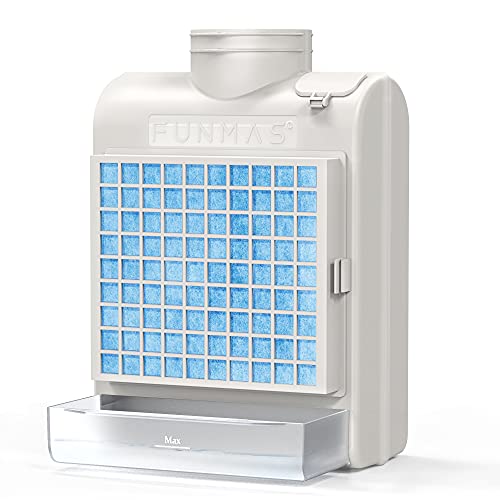
- ✓ Sturdy stainless screen
- ✓ Easy to clean
- ✓ 3-in-1 versatility
- ✕ Some humidity in room
- ✕ Requires regular maintenance
| Product Type | 3-in-1 Indoor Dryer Vent |
| Filter Technology | Stainless steel filter screen plus polyester filter with water drawer system |
| Maintenance Method | Stainless steel screen is non-replaceable; polyester filters are replaceable (4 included). Polyester filter should not be washed with water |
| Installation Orientation | Upside-down/vertical air outlet design to reduce lint travel and improve ducting efficiency |
| Safety Feature | Automatic safety vent flap near duct interface that opens if the vent is not cleaned to prevent overheating |
| Included Accessories | 5 calibration weights for installation corresponding to dryer power (typical requirement 2–3 weights) |
The moment I opened the FUNMAS 3-in-1 Indoor Dryer Vent, the stainless steel screen caught my eye with its cool, matte sheen and sturdy heft. It feels substantial in your hands, not flimsy at all, and the open door mechanic with a soft click is oddly satisfying.
The water drawer sits snugly beside the lint screen, and you can see the difference between the fine polyester layer and the heavy-duty stainless screen right away.
Installing it is a breeze if you’ve got a flat wall or the side of the dryer in mind. I appreciated the “upward” design, which actually keeps lint from tumbling into the duct and makes cleaning feel more controllable.
The safety vent flap is a thoughtful touch—you’ll notice it swing open if your screen is overdue for a clean, a gentle nudge to maintenance that’s easy to miss otherwise.
In use, the three filters work in harmony. The stainless screen handles the big stuff, the water drawer traps lint and heavier dust, and the polyester layer catches the finest particles.
You’ll find yourself cleaning the back of the screen with a simple scrape, and the lint drops neatly into the water drawer. It’s clever and genuinely reduces the amount of dust circulating back into the room.
Maintenance is straightforward: empty the drawer, refresh some water, and vacuum the polyester filter when needed. I did notice a bit of humidity in the room while the dryer ran, so a window or dehumidifier helps.
It’s a solid option if you want a system that’s easy to clean and keeps your indoor air cleaner.
Holikme Dryer Vent Cleaner Kit – 30ft Chimney Brush Set

- ✓ Easy to assemble
- ✓ Long reach capability
- ✓ Durable brush heads
- ✕ Requires some effort
- ✕ Tape needed for best safety
| Brush Head Material | Synthetic brush heads (2 included) |
| Extendable Reach | Up to 30 feet with flexible rods |
| Compatibility/Usage | Can be used with or without power drill |
| Intended Cleaning Area | Dryer vent, duct, and exhaust port |
| Safety/Installation Note | Connection points sealed with tape to reduce rod disconnection |
| Fire Prevention Benefit | Designed to reduce lint buildup and fire risk by enabling regular cleaning |
You might think a 30-foot chimney brush set is overkill for a simple dryer, but this kit proves otherwise in a surprisingly practical way. The moment you uncoil the flexible rods, you can feel how sturdy the connectors are, and you’ll notice the two synthetic brush heads look durable enough to take a real scrubbing.
It’s not a flashy tool, but it’s the kind you reach for when you want results without paying a pro.
I grabbed a corner of my laundry room and started threading the rods through the vent with a light twist. The kit doesn’t require a power drill, which is refreshing for a quick, low-pressure clean.
I did tape the connection points as recommended, and the rod stayed together without a single pop during the whole session. It’s reassuring to see that simple precaution actually works.
With the brush head sized to fit typical vent openings, I could feel the lint loosen and pull away from the duct walls. The 30-foot reach lets you target long runs without repositioning the dryer, which saves minutes you’d otherwise waste crawling around behind the machine.
It’s a straightforward setup that makes a big difference in airflow and efficiency.
After cleaning, the vent looked noticeably clearer, and you could hear a calmer airflow when I tested the dryer. The kit is lightweight enough to maneuver around the appliance, yet feels rugged enough to handle repeated cleanings.
If you’ve ever dreaded calling a service or dealing with a stubborn lint buildup, this kit is the kind of practical DIY fix that actually pays off.
Overall, you get a simple, effective kit that helps you maintain dryer performance and reduce fire risk with regular use. It’s approachable, not intimidating, and it works where you need it most.
VIWINVELA 3 IN 1 Indoor Dryer Vent Kit Filter Bucket for
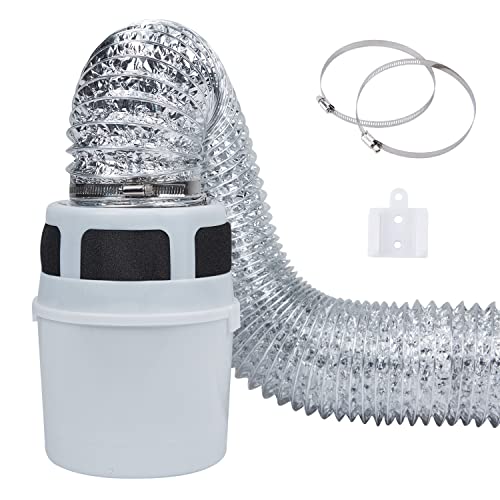
- ✓ Solid build
- ✓ Easy to detach filters
- ✓ Flexible hose options
- ✕ Snapping can be stubborn
- ✕ Takes extra space
| Filtration Stages | Three-layer filtration: water filter, iron mesh filter, and high-temperature resistant lint filter |
| Intended Install Context | Indoor venting for apartments, condominiums, and RVs |
| Hose Options Included | Options include 5 ft white hose, 8 ft silver hose, or 5 ft black hose (various color and length configurations) |
| Detachable/Reusability | Detachable filter bucket that can be cleaned and reused |
| Material/Construction Details | 3-layer filter bucket with high-temperature lint filter and iron mesh filter |
| Brand/Model/Price | VIWINVELA; price $26.99 |
The moment I pulled the VIWINVELA 3 in 1 Indoor Dryer Vent Kit out of the box, the stance of the white vent box felt sturdy, almost study-grade. Unlike the flimsy plastic trays I’ve tugged before, this one snaps together with a confident click.
I noticed the three-layer filtration in person: a water filter, an iron mesh, and a high-temperature lint filter—each layer clearly labeled and easy to identify.
Installing it in a small apartment laundry nook felt surprisingly practical. The hoses come in several options, so you can pick white or silver, 5-foot or 8-foot lengths, and even a black edition.
The quick-connect vibe is real, though snapping the hose to the filter bucket and the dryer can require a touch of patience. Once you lock it in, though, the connection feels noticeably solid.
What I appreciate most is the modular feel. The bucket is detachable, so you can rinse or replace filters without disassembling the whole setup.
In real-life use, this means less downtime and more confidence that you’re venting safely indoors. It’s a calm, controlled setup that minimizes lint clouds while you’re doing laundry on a busy weekend.
If you live in a condo, apartment, or RV, where ductwork isn’t ideal, this system bridges the gap nicely. It doesn’t pretend to be a full ducted solution, but it delivers a tidy, safe alternative that’s noticeably cleaner than running a vent directly into a room.
You’ll feel the difference when you pull your lint trap later and see less buildup around the area.
Bottom line: practical, flexible, and reusable. It’s not glamorous, but it works when you need reliable indoor venting you can trust.
Upgraded 4″ Dryer Vent Hose Triple Filtration System Kit
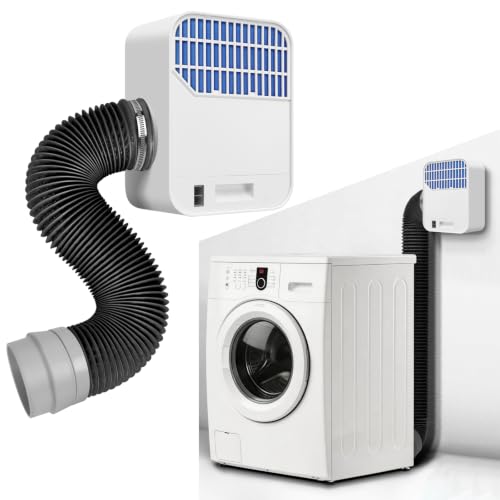
- ✓ Compact, space-saving design
- ✓ Triple filtration actually works
- ✓ Easy to clean and maintain
- ✕ Not dishwasher-safe filters
- ✕ Requires regular maintenance
| Filtration System | Triple lint filtration with two polyester filters plus water drawer system |
| Filter Replacement | Includes 6 replacement polyester filters |
| Vent Connector | Silicone connector with improved sealing for tight spaces |
| Air Inlet Position | Side-mounted air inlet design to prevent water splash and wind-blown debris |
| Maintenance Instructions | Water drawer and filter should be cleaned regularly; filters not recommended to be washed with water; vacuum or dust with hose attachment for cleaning |
| Typical Usage Notes | Humidity management recommended during operation; use with window opening or dehumidifier as needed |
You know that moment when you crawl under the sink and realize your dryer vent could use a serious upgrade? I tucked this Upgraded 4″ Dryer Vent Hose Triple Filtration System Kit into that exact spot, and the first thing that stood out was how compact the hose feels in tight spaces.
The silicone connector feels sturdy in hand, and the side-entry air inlet is a smart touch that keeps splashing from big water spurts in the sink area.
The triple filtration setup surprised me in a good way. Two polyester filters plus the water drawer system catch dust, lint, and heavier debris before it can drift back into your laundry room.
It’s noticeably cleaner when you pull the drawer for a quick empty and rinse, though you’ll want to avoid washing the filters themselves—vacuum them clean instead.
installation was straightforward. The kit includes a snug-fitting vent connector that seals well enough to feel proof against drafts, which is helpful in small utility rooms.
I appreciated how the hose configuration helps keep the space looking neat and professional instead of a jumble of hoses and clamps.
A practical thought for real life: there’s humidity when the dryer runs, so I opened a window for a quick breeze. The design of the side air inlet is thoughtful here; it prevents water spray or cottony mess from blowing toward your sink area.
Cleaning is simple: remove the filters, empty the drawer, and replace. The six replacement filters are a nice reserve.
In everyday use, this kit feels like a real upgrade for safety and cleanliness. If you’re wrestling with lint buildup, heat, or dusty air in a small laundry nook, this kit makes the air feel fresher and the setup look more organized.
What Are the Key Features of the Best Dryer Vent System?
The key features of the best dryer vent system ensure efficiency, safety, and ease of maintenance.
- Material Quality: High-quality materials such as aluminum or galvanized steel resist heat and wear over time, minimizing the risk of fire hazards and ensuring durability.
- Proper Diameter: A vent system with the correct diameter, typically 4 inches, allows for optimal airflow while preventing lint buildup that can restrict movement and lead to overheating.
- Smooth Interior Surfaces: Vents with smooth interiors reduce friction and allow lint to pass through more easily, decreasing the chances of clogs and improving the overall efficiency of the dryer.
- Short and Straight Path: The best dryer vent systems are designed with the shortest and straightest possible path from the dryer to the exterior of the home, which enhances airflow and reduces the risk of lint accumulation.
- Backdraft Damper: Including a backdraft damper in the design prevents outside air from entering the vent when the dryer is not in use, which helps maintain indoor temperature and prevents pests from entering.
- Easy to Clean: A dryer vent system that allows for easy access for cleaning helps homeowners maintain the system effectively, reducing lint buildup and ensuring safe operation.
- Flexible Installation Options: The best dryer vent systems offer flexible installation configurations, accommodating various home designs and ensuring proper venting regardless of the dryer’s location.
How Does Material Quality Impact Dryer Vent Performance?
The quality of materials used in a dryer vent system can significantly impact its performance and efficiency.
- Durability: High-quality materials, such as galvanized steel or aluminum, resist corrosion and wear over time, ensuring a longer lifespan for the vent system. In contrast, lower-quality materials may degrade quickly, leading to clogs and reduced airflow.
- Heat Resistance: The best dryer vent systems are made with materials that can withstand high temperatures. This is crucial because dryer vents can reach high temperatures during operation, and materials that are not heat-resistant may warp or melt, posing a fire hazard.
- Flexibility and Installation: Some materials, like flexible aluminum, allow for easier routing and installation in tight spaces. However, while flexibility can be advantageous, it’s important that the material maintains structural integrity to avoid kinks that can trap lint and reduce airflow.
- Lint Build-up Prevention: Smooth interior surfaces found in high-quality vent systems reduce lint accumulation compared to rougher surfaces. Less lint build-up not only enhances airflow but also decreases the risk of fires caused by lint igniting due to excessive heat.
- Sealing and Insulation: Good dryer vent systems often include better sealing options and insulation to prevent heat loss and condensation. Proper sealing keeps the vent airtight, which is essential for maximizing efficiency and minimizing energy costs.
- Compatibility with Exhaust Systems: The best dryer vent systems are designed to work seamlessly with various types of dryers and exhaust systems. Using incompatible materials can lead to inefficiencies and may require additional modifications, increasing installation complexity and costs.
What Size and Diameter Are Ideal for Dryer Vents?
The ideal size and diameter for dryer vents are crucial for ensuring effective airflow and preventing lint buildup.
- Diameter of 4 inches: Most dryer vent systems are designed with a standard diameter of 4 inches. This size allows for optimal airflow from the dryer to the outside, reducing the risk of overheating and ensuring efficient drying times.
- Length considerations: The length of the vent should ideally not exceed 25 feet for straight runs. Longer vents can cause a decrease in performance due to increased resistance, which can lead to longer drying times and potential moisture buildup.
- Material choice: The best dryer vent systems utilize rigid metal ducts rather than flexible plastic or foil. Rigid metal ducts are less prone to lint accumulation, have a smoother interior surface for better airflow, and are more fire-resistant, making them safer and more efficient.
- Elbow bends: If bends are necessary in the venting system, it is recommended to limit these to two 90-degree bends or four 45-degree bends. Each bend adds resistance to airflow, so minimizing them can help maintain the dryer’s efficiency and performance.
What Are the Different Types of Dryer Vent Systems Available?
When selecting a dryer vent system, understanding the available types is essential for optimal performance and safety. Here are the primary types of dryer vent systems:
-
Rigid Metal Ducts: These provide the most efficient path for exhaust air due to their smooth interior surfaces, minimizing lint buildup. They are typically made of galvanized steel or aluminum.
-
Flexible Metal Ducts: Made from thin sheets of metal that can bend and curve to fit challenging spaces, flexible ducts are easier to install but can accumulate lint more quickly than rigid ducts.
-
Vinyl or Plastic Ducts: Often used in less regulated areas, these ducts are lightweight and easy to install. However, they are not recommended due to their flammability and tendency to attract and hold lint, increasing fire risks.
-
Semi-Rigid Metal Ducts: These combine the benefits of both rigid and flexible ducts. They are crush-resistant yet easier to maneuver than rigid options, making them a versatile choice.
-
Outdoor Vent Caps: Essential for venting to the outside, these prevent backdrafts and block pests from entering the duct system. They can be found in various designs, including flapper and louvered caps.
Choosing the right dryer vent system impacts both dryer efficiency and home safety.
How Do Rigid Metal Dryer Vents Compare with Flexible Options?
| Feature | Rigid Metal Vents | Flexible Vents |
|---|---|---|
| Material | Made from solid metal, providing a sturdy and fire-resistant option. | Constructed from flexible plastic or aluminum, easy to maneuver. |
| Installation | Requires more effort and precise measurements, often needing tools. | Simple to install with minimal tools, can easily fit tight spaces. |
| Durability | Highly durable and less prone to damage, resistant to crushing. | More susceptible to kinks and damage, which can reduce efficiency. |
| Cost | Generally more expensive due to material and installation complexity. | Lower cost, making it a popular choice for DIY projects. |
| Ventilation Efficiency | Offers superior airflow, reducing lint buildup and improving dryer efficiency. | Can restrict airflow due to kinks, potentially leading to lint accumulation. |
| Fire Safety | Inherently fire-resistant and less likely to ignite. | May pose a higher fire risk if not maintained properly. |
| Maintenance Requirements | Requires occasional cleaning but is less prone to lint buildup. | Needs regular maintenance to prevent clogs from kinks and bends. |
| Compatibility | Compatible with most dryer models, ensuring optimal performance. | Can be limited in compatibility depending on dryer design. |
What Are the Pros and Cons of Semi-Rigid Dryer Vent Systems?
| Aspect | Semi-Rigid Dryer Vent Systems |
|---|---|
| Pros | Durable and resistant to crushing, allowing for better airflow. Easier to install than rigid vents. |
| Cons | Can accumulate lint more easily than rigid systems, potentially leading to fire hazards. Slightly more expensive than flexible options. |
| Installation Requirements | Requires proper sealing at joints to prevent leaks; should be installed with a slight slope to promote drainage. |
| Airflow Efficiency | Offers better airflow than flexible options, but slightly less than rigid systems; helps in reducing drying time. |
| Maintenance | Should be cleaned regularly to prevent lint buildup; check connections periodically for any signs of wear or damage. |
What Common Problems Can Occur with Dryer Vent Systems?
Common problems that can occur with dryer vent systems include:
- Lint Buildup: Lint can accumulate in the venting system over time, which can restrict airflow and cause the dryer to work less efficiently. This buildup not only increases drying times but also poses a fire hazard, making regular cleaning essential.
- Improper Venting: If the dryer vent is not installed correctly, it can lead to kinks or bends that trap lint and restrict airflow. Additionally, using the wrong type of duct material can exacerbate these issues, affecting the dryer’s performance and safety.
- Blockages: External blockages, such as bird nests or debris, can obstruct the vent’s exit point, preventing moist air from escaping. This can cause back pressure in the system, leading to overheating and increasing the risk of fire.
- Moisture Issues: Inadequate venting can result in moisture being trapped in the dryer and the surrounding area, leading to mold and mildew growth. This not only damages the dryer but can also affect indoor air quality and lead to health issues.
- Vent Damper Malfunctions: The vent damper is designed to prevent outside air from entering the vent when the dryer is not in use. If it becomes stuck or damaged, it can allow cold air to enter, making the dryer less efficient and increasing energy costs.
- Excessive Length of Duct: Longer duct runs can significantly reduce dryer efficiency and increase drying times because of the distance the air must travel. Ideally, dryer vent ducts should be kept as short as possible to maintain optimal airflow.
How Can Clogs Affect Dryer Efficiency and Safety?
Clogs in dryer vents can significantly impact both the efficiency and safety of your dryer system.
- Reduced Airflow: When lint and debris accumulate in the dryer vent, they obstruct airflow, which can lead to longer drying times.
- Overheating Risk: Clogs can cause the dryer to overheat, increasing the risk of fire hazards due to the excessive heat buildup.
- Increased Energy Consumption: Inefficient venting leads to increased energy use as the dryer works harder to dry clothes, driving up utility bills.
- Moisture Accumulation: Blocked vents can trap moisture in the dryer and laundry room, resulting in mold growth and potential damage to the home.
- Shortened Appliance Lifespan: Prolonged strain on the dryer due to clogs can lead to mechanical failures, ultimately shortening the appliance’s lifespan.
Reduced airflow occurs when lint and debris accumulate in the dryer vent, causing the dryer to struggle to expel hot air effectively. This obstruction not only prolongs drying times but can also lead to clothes coming out damp, forcing users to run additional cycles.
Overheating risk increases when clogged vents trap heat within the dryer. This excessive heat can ignite lint and other flammable materials, making it a serious fire hazard if not addressed promptly.
Increased energy consumption is a direct result of inefficiency; when the dryer has to work harder due to clogs, it consumes more electricity, which can lead to noticeably higher energy bills over time.
Moisture accumulation can occur when a dryer vent is blocked, trapping humidity generated during the drying cycle. This excess moisture can foster an environment conducive to mold growth, which can be harmful to health and lead to further home damage.
Shortened appliance lifespan is a consequence of the extra strain placed on the dryer because of clogs. As components work harder and become overheated, the likelihood of breakdown increases, leading to costly repairs or premature replacement.
What Are the Signs of a Failing Dryer Vent System?
Signs of a failing dryer vent system include:
- Excessive Drying Time: If clothes take longer than normal to dry, it may indicate a blockage in the vent.
- Burning Smell: A burning odor can signal that lint is accumulating within the vent, posing a fire hazard.
- Lint Accumulation: Noticeable lint buildup around the dryer or vent exit is a sign that the system is not functioning properly.
- Hot Dryer Exterior: If the outside of the dryer feels unusually hot during operation, it may suggest that hot air is not venting correctly.
- Increased Humidity: Higher humidity levels in the laundry area can indicate that moist air is not being expelled effectively.
Excessive drying time can result from a clogged dryer vent, preventing hot air from circulating properly. This can lead to energy inefficiency and longer laundry sessions, ultimately straining the dryer’s performance.
A burning smell is a critical warning sign that should never be ignored. This odor often arises from overheating caused by lint blockage, which not only affects drying efficiency but also poses significant fire risks if left unaddressed.
Lint accumulation around the dryer or the vent exit is a clear indicator of a failing system. It suggests that the airflow is restricted, which can lead to overheating and potential damage to the dryer or the venting system itself.
If the exterior of the dryer becomes excessively hot during operation, it may indicate that hot air is not being adequately vented outside. This can lead to premature wear on the dryer components and may necessitate costly repairs.
Increased humidity levels in the laundry area can signal a failure in the dryer vent system, as moist air should be expelled outside. When this air is trapped inside, it creates an uncomfortable environment and can promote mold growth, leading to additional health concerns.
How Can You Properly Maintain Your Dryer Vent System?
Proper maintenance of your dryer vent system is essential for efficiency and safety.
- Regular Cleaning: It’s crucial to clean your dryer vent regularly to prevent lint buildup, which can lead to reduced airflow and increased fire risk. Use a vacuum or a specialized dryer vent cleaning kit to remove lint from both the interior and exterior ducts.
- Inspection for Blockages: Periodically check the entire length of your vent system for any blockages or kinks that can impede airflow. Ensure that the vent pipe is clear of obstructions like bird nests or debris, as these can trap heat and lint.
- Check the Vent Cap: The vent cap on the exterior of your home should be inspected to confirm that it opens and closes properly. A malfunctioning vent cap can allow pests to enter your duct system or prevent the escape of lint and moisture.
- Proper Installation: Ensure that your dryer vent system is installed according to local building codes and manufacturer guidelines. Use rigid or semi-rigid ducting instead of flexible plastic or vinyl, which can trap lint and is more prone to damage.
- Use a Lint Trap: Installing a lint trap in your dryer vent system can help capture lint before it enters the ductwork. This additional layer of protection can significantly reduce the amount of lint that accumulates in the vent, making maintenance easier.
- Professional Inspections: Consider having your dryer vent system inspected and cleaned by a professional at least once a year. Professionals can identify potential hazards and provide thorough cleaning that ensures optimal performance.
What Regular Checks Should You Perform on Your Vent System?
Regular checks on your vent system are crucial to ensure it operates efficiently and safely.
- Lint Build-Up Inspection: Regularly inspect the vent for lint accumulation, as this can significantly reduce airflow and increase fire risk. Lint traps should be cleaned after every use, and the vent should be checked at least twice a year to ensure no blockages are present.
- Vent Duct Condition: Examine the duct for any signs of damage or wear, such as dents, cracks, or loose connections. Damaged ducts can lead to leaks in airflow, which can affect drying efficiency and pose safety hazards.
- Airflow Testing: Perform airflow tests to check that air is moving freely through the vent system. Any significant decrease in airflow may indicate blockages or restrictions that need to be addressed.
- Check Termination Cap: Ensure the termination cap at the vent outlet is not blocked by debris, such as bird nests or leaves. A blocked termination cap can prevent proper exhaust, leading to overheating and reduced drying performance.
- Moisture Inspection: Look for signs of moisture buildup around the vent area, which can indicate leaks or condensation issues. Excess moisture can lead to mold growth and other structural problems in your home.
- Vibration and Noise Assessment: Pay attention to any unusual vibrations or noises from the vent system while the dryer is in operation. These could be signs of loose components or mechanical issues that might require professional attention.
How Often Should You Clean Your Dryer Vent?
Cleaning your dryer vent is essential for safety and efficiency, and the frequency can vary based on several factors.
- Every 6 months: For households that use the dryer frequently, it is recommended to clean the vent at least twice a year. This helps prevent lint buildup, which can cause overheating and potential fire hazards.
- After heavy use: If you’ve done a lot of laundry in a short period, it’s wise to check the dryer vent for any lint accumulation. Heavy usage can lead to increased lint buildup, which can obstruct airflow and reduce dryer efficiency.
- Signs of blockage: If you notice that clothes are taking longer to dry or if the dryer feels unusually hot, it may be time to clean the vent. These signs indicate that airflow is restricted, which can lead to overheating and increased energy costs.
- Annual professional cleaning: Consider scheduling a professional cleaning once a year, especially if your dryer vent is long or has multiple bends. Professionals have specialized tools that can thoroughly remove lint and debris, ensuring the vent is clear and functioning properly.
- After renovations or changes: If you have made changes to your laundry area or have undergone renovations, check your dryer vent for blockages. Dust and debris can accumulate in the vent during construction, leading to potential issues with airflow.