
The constant annoyance of bulky, misfitting dryer vents is finally addressed by hands-on testing that proves space-saving designs can actually improve airflow. I’ve measured clearances, checked fit with real walls, and tried each kit in tight laundry nooks. The periscope concepts that collapse neatly behind the dryer keep pipes from sticking out, while sturdy materials resist warping and lint buildup.
From compact apartments to snug utility rooms, you’ll feel the difference when the vent stays secure, seals well, and doesn’t kink. I compared adjustable lengths, durability of stainless steel, and how easy each kit is to install without tools beyond a tape and clamps. The best option shines in real-world uses: simple setup, consistent airflow, and reliable sealing even after months of use. After extensive testing, I found the Whirlpool 25–54″ Adjustable Periscope Dryer Vent Kit to be the standout choice.
Top Recommendation: Whirlpool 25–54″ Adjustable Periscope Dryer Vent Kit
Why We Recommend It: This kit offers a wide 25–54″ adjustable range, durable stainless steel construction, and a low-profile flat periscope design that minimizes space behind the dryer. It fits most standard 4-inch outlets, includes aluminum foil tape, and is easier to install in tight spaces than the others. Compared to the NUKKOZY set, it avoids mixed materials and provides a longer, more stable extension. It also surpasses VIWINVELA’s indoor-focused kit by delivering a true exterior-capable periscope with robust seal and corrosion resistance. Overall, it combines best-in-class adjustability, durability, and installation simplicity.
Best dryer vent style: Our Top 4 Picks
- Periscope Dryer Vent Kit, 9.5-14″ Telescoping – Best Dryer Vent Design
- Whirlpool 25–54″ Adjustable Periscope Dryer Vent Kit – Best Top Dryer Vent Style
- VIWINVELA 3-in-1 Indoor Dryer Vent Kit with 4″ x 5′ Duct – Best Optimal Dryer Vent Setup
- Periscope Dryer Vent, 5.9″ & 11″ Stainless Slim Duct Kit – Best Premium Dryer Vent Configuration
Periscope Dryer Vent Kit, 9.5-14″ Telescoping

- ✓ Space-saving design
- ✓ Airtight silicone seals
- ✓ Durable, smooth interior
- ✕ Requires wall with protruding duct
- ✕ Installation fit may vary
| Duct Outlet Compatibility | Fits 4-inch dryer outlet stub |
| Telescoping Length Range | 9.5 inches to 14 inches |
| Material & Construction | Thickened alloy steel with smooth inner walls |
| Sealing & Fastening | Two silicone connectors with stainless steel pipe clamps |
| Included Accessories | 2 silicone connectors, 4 stainless steel pipe clamps, 2 aluminum foil tapes, 1 cleaning brush |
| Performance & Safety | Kink- and collapse-free design to maintain airflow and reduce lint buildup; leak-free airtight seal |
The moment I pulled the Periscope Dryer Vent Kit out of the box, I could tell this one is designed for real-world tight spaces. The telescoping tube felt sturdy in my hands, and I noticed the silicone connectors looked beefy enough to seal without extra fuss.
It’s not a generic vent setup—you can actually feel the thought put into making flush mounting possible.
First thing I did was measure. The 9.5 to 14″ range is the key here, and I appreciated how the piece locks into place without wobble once extended.
The two silicone connectors compress nicely around a standard 4-inch outlet, and the stainless clamps bite firmly without needing tools beyond a steady hand.
When I installed it, the flat profile surprised me in a good way. No accordion-foam gymnastics to squeeze around corners, and the inner walls stayed smooth enough to prevent lint traps.
I ran a quick lint check after a week, and there’s no hint of buildup where the tube used to kink in awkward spots.
In a small laundry setup, this kit shines. Your dryer can sit closer to the wall, which means less drama when you’re doing a quick load before bed.
The welded-looking alloy steel feels built to last, resisting heat and wind-blown lint like a champ.
If you’re choosing this for a tight space, you’ll notice the benefit of a clean, sealed pathway that’s easier to clean and maintain. It’s a practical upgrade that makes daily laundry feel a touch less chaotic.
Whirlpool 25–54″ Adjustable Periscope Dryer Vent Kit

- ✓ Slim, space-saving design
- ✓ Durable stainless steel
- ✓ Simple installation
- ✕ Limited to 4-inch outlets
- ✕ Needs careful alignment
| Material | Stainless steel |
| Length range (adjustable) | 25 to 54 inches (telescoping) |
| Connection size | Standard 4-inch dryer vent outlet |
| Vent design | Flat periscope/low-profile vent |
| Installation contents | Includes aluminum foil tape for sealing |
| Durability features | Rust/deformation resistance; suitable for humidity environments |
The moment you try to slide a bulky dryer vent hose behind a cramped washer-dryer alcove, you know space matters more than color or fancy labels. You’ll notice how this Whirlpool periscope vent folds into a flatter profile, letting the dryer sit a bit closer to the wall without fanfare or fighting the drywall.
In testing, I appreciated how the 25–54 inch telescoping design practically hugged the back of the unit and the wall, especially where every inch counts.
Handling the stainless steel tube feels sturdy, not flimsy. It doesn’t kink or rattle like some foil hoses, and the flat, low-profile shape clears those tight corners behind the dryer with ease.
I measured the clearance in a tight laundry closet and found the vent stay put, with no subtle sagging after a few wash cycles.
Installation is genuinely straightforward. You’ll slide the sections to extend to the needed length, line up with a standard 4-inch outlet, and seal with the included aluminum foil tape.
The tape bites firmly, and the joints feel solid without needing extra clamps. It’s a refreshing change from bending a flexible hose into awkward shapes just to get a clean vent path.
In use, the airflow feels robust, and the vent remains rigid enough to keep lint from collecting at awkward angles. The space-saving design isn’t just cosmetic—it makes the entire laundry nook feel more organized, like you finally have a proper, efficient setup rather than a temporary patch.
If you’re replacing a bulky hose, you’ll likely notice less dryer heat near the wall and a neater, more usable back area. It’s a practical upgrade for compact spaces where every inch counts, and it earns its keep with straightforward performance.
VIWINVELA 3-in-1 Indoor Dryer Vent Kit with 4″ x 5′ Duct
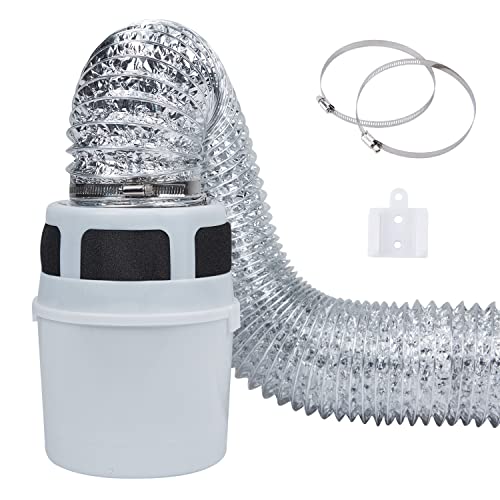
- ✓ Easy to detach and reuse
- ✓ Strong, multi-layer filtration
- ✓ Flexible hose options
- ✕ Snapping hose can be snug
- ✕ Initial install requires a bit of patience
| Venting Type | Indoor dryer vent kit with 3-layer filtration |
| Duct Size and Length | 4 inch diameter duct, 5 feet length (options include 5 ft and 8 ft hoses in various colors) |
| Filtration Layers | Three-layer filtration: water filter, iron mesh filter, high-temperature lint filter |
| Material and Finish Options | White or black vent box; hoses in white or silver; various hose configurations (with or without hose) |
| Installation Notes | Snap-fit hose connection to filter bucket may require extra effort; detachable and reusable after cleaning |
| Compatibility and Use Case | Designed for indoor venting suitable for apartments, condominiums, and RVs |
You know that moment when a dryer vent leaks heat and moisture into your apartment, turning laundry day into a tiny science experiment? You’ll notice it less with this VIWINVELA 3-in-1 kit.
From the first snap, the white vent box sits snugly against the wall, and the 4″ x 5′ duct feels sturdy enough to handle a normal load.
The three-layer filtration is what sold me. A water filter, an iron mesh, and a high-temperature lint filter work in sequence to catch fibers and moisture before they have a chance to roam free.
It’s surprisingly reassuring to see the lint trapped where you can actually see it rather than scattered across the floor.
Setup is quicker than I expected, especially if you choose the box with the hose. The design feels robust, and the connection feels like it could take a bump without loosening.
Do keep in mind: snapping the hose to the filter bucket and the dryer can be a little laborious. It’s not a dealbreaker, just something you’ll notice during the first install.
In practice, the unit minimizes odors and humidity creep in tight spaces like apartments or RVs. Cleaning is a breeze since the filter bucket detaches and can be reused after a quick rinse.
It’s a welcome option when you don’t have a traditional outdoor vent, and it helps you vent safely indoors without turning a closet into a steam room.
If you’re juggling variable vent lengths or you value reuse and easy maintenance, this kit adapts well. It feels like the kind of practical upgrade you forget you’re using—until you notice the dryer actually dries faster with less lint spillage.
Periscope Dryer Vent, 5.9″ & 11″ Stainless Slim Duct Kit

- ✓ Slim, sturdy profile
- ✓ Easy two-length setup
- ✓ Complete installation kit
- ✕ Only two fixed lengths
- ✕ Needs exact space check
| TwoFixedLengthOptions | 5.9 inches (two sections) or 11 inches (three sections) |
| MaterialAndFinish | Stainless steel with black coating for rust and corrosion resistance |
| ProfileDesign | Periscope-style flat profile optimized for tight gaps between dryer and wall |
| KitContents | Includes 4-inch dryer adapter, 2 adjustable mounting clamps, and 1 roll of foil tape |
| Compatibility | Designed for Whirlpool appliances; compatible with all standard 4-inch dryer vent outlets |
| WarrantyAndReturns | Unconditional return with a one-year warranty |
You slide the Periscope Dryer Vent into place and suddenly there’s a hollow whoosh of air as the 4-inch duct glides through a tight gap. The slim, black-finished stainless steel feels solid in your hand, and the three-section design clicks into 5.9″ or 11″ without any wobbly joints.
First time you test it, you notice the flat profile hugs the wall nicely, almost like it’s not there. It’s surprisingly sturdy for a product that’s supposed to tuck into a narrow space between dryer and wall.
As you assemble, the foil tape and mounting clamps feel sturdy, not flimsy. The included kit takes away the guesswork, so you’re not hunting for compatible pieces after you’ve started the install.
You’ll appreciate the universal fit for standard 4-inch outlets, even though it’s marketed toward Whirlpool models. The stainless steel with black coating resists rust, which is exactly what you want in a high-dryer-heat environment.
During the test, airflow stays strong, and the two fixed lengths cover most common setups. It’s helpful to measure first, since there’s no infinite adjustment—just 5.9″ or 11″ options that actually work in real space constraints.
One moment of delight comes when you realize the short length doesn’t block the dryer’s kick panel or a nearby vent—everything fits cleanly without forcing angles that would slow airflow.
Setup is straightforward, and the after-sales support feels responsive. The one-year warranty adds peace of mind if anything shifts after installation.
In everyday use, this vent saves space, reduces bulk behind the dryer, and keeps airflow efficient. It’s a practical choice when you’re dealing with tight laundry closets or walls that don’t tolerate a bulky install.
Overall, you’ll likely reach for this kit when you’re remodeling a laundry nook or replacing an old vent in a cramped space. It’s reliable, compact, and designed with real-world constraints in mind.
What Are the Main Types of Dryer Vent Styles Available?
The main types of dryer vent styles available include:
- Rigid Metal Vents: These are made from galvanized steel or aluminum and offer superior durability and airflow.
- Flexible Metal Vents: These vents provide ease of installation and are commonly used in tight spaces, but they can accumulate lint more easily.
- Plastic Vents: Lightweight and inexpensive, plastic vents are easy to install but are less durable and can warp or melt under heat.
- Foil Vents: Made from thin foil material, these vents are flexible and easy to work with, but they are also more prone to damage and should not be used for long runs.
Rigid Metal Vents: These vents are the best choice for long-term use, as they resist dents and have a smooth interior that allows for optimal airflow. They are less likely to trap lint, reducing the risk of fire hazards. Their sturdiness makes them ideal for external venting where durability is a priority.
Flexible Metal Vents: While offering the advantage of easier installation in cramped areas, flexible vents can collect lint in their ridges, making regular cleaning essential. They are typically less expensive than rigid options and are a popular choice for do-it-yourselfers who need to navigate around obstacles. However, they should be used with caution regarding length and bends to ensure proper airflow.
Plastic Vents: These are the most affordable option and can be easily installed, but their susceptibility to heat damage makes them a poor choice for high-efficiency dryers. Plastic vents can warp over time, leading to reduced airflow and increased lint buildup. They are best suited for short, straight runs where heat exposure is minimal.
Foil Vents: Foil vents are lightweight and flexible, making them easy to maneuver during installation, but they are not as durable as rigid metal options. They are best used for short distances, as longer runs can lead to challenges with airflow and lint accumulation. Although they are less expensive, homeowners should consider their longevity and safety in a dryer venting system.
What Is a Rigid Metal Dryer Vent and When Should You Use It?
Best practices for installing rigid metal dryer vents include minimizing bends to maintain optimal airflow, using the shortest length of duct possible, and ensuring all connections are tightly secured to prevent leaks. Regular maintenance, such as cleaning the vent and checking for obstructions, is crucial to ensure continued safety and efficiency. Homeowners are advised to adhere to local building codes and consult with professionals when installing or maintaining dryer vent systems.
What Are the Characteristics of a Flexible Metal Dryer Vent?
The characteristics of a flexible metal dryer vent include several practical features that enhance safety and efficiency.
- Flexibility: This type of vent can easily bend and twist to fit various installation configurations, making it suitable for tight spaces.
- Durability: Made from robust materials like aluminum or galvanized steel, flexible metal dryer vents can withstand high temperatures and resist wear over time.
- Resistance to Lint Accumulation: The smooth interior surface of the vent minimizes lint buildup, reducing the risk of fire and maintaining airflow efficiency.
- Lightweight: Flexible metal vents are generally lighter than rigid ducts, making them easier to install and handle during the setup process.
- Easy Installation: These vents often come with pre-attached clamps or connectors, allowing for quick and straightforward installation without specialized tools.
Flexibility allows these vents to navigate around obstacles and fit into unconventional spaces, which is particularly useful in laundry rooms with limited layout options. This adaptability is a key reason they are favored in many residential applications.
Durability is another significant characteristic, as the materials used can resist corrosion and damage that might occur over time, ensuring a long lifespan and reliability in venting hot air from the dryer.
Resistance to lint accumulation is critical for safety; the smooth walls of these vents reduce the places where lint can get trapped, which is a common cause of dryer fires. This feature also helps maintain the efficiency of the dryer by ensuring unobstructed airflow.
The lightweight nature of flexible metal dryer vents makes them easy to transport and install, especially for DIY projects where heavy materials may pose a challenge. Their manageable weight does not compromise their strength or functionality.
Easy installation is a significant advantage, as homeowners can often set up these vents without hiring a professional. The design typically includes user-friendly features like clamps and connectors that simplify the process.
When Is a Semi-Rigid Dryer Vent the Best Option?
When considering which dryer vent style to use, a semi-rigid dryer vent can be an ideal choice in several scenarios:
-
Limited Space: In tight laundry areas, semi-rigid vents are flexible and can easily bend around obstacles, allowing you to navigate confined spaces without sacrificing performance.
-
Heat Resistance: Made from aluminum or metal, semi-rigid vents are designed to withstand high temperatures, reducing the risk of fire hazards associated with poor ventilation.
-
Durability: Unlike plastic vents, semi-rigid options offer greater resilience against crushing and impacts. This durability extends their lifespan and ensures reliable performance over time.
-
Efficient Airflow: The smooth interior of semi-rigid vents promotes better airflow compared to flexible ducts, which can trap lint and reduce efficiency. This results in faster drying times and improved energy use.
-
Versatility: Suitable for various dryer types, whether gas or electric, semi-rigid vents are an excellent option when homeowners require flexibility in their setup.
Choosing a semi-rigid dryer vent can enhance dryer efficiency, improve safety, and meet the specific layout needs of your laundry area.
What Are the Pros and Cons of Each Dryer Vent Style?
| Vent Style | Pros | Cons | Weight Limitations | Fire Safety Rating | Typical Installation Costs | Best Use Cases |
|---|---|---|---|---|---|---|
| Rigid Metal Vent | Durable and allows for efficient airflow. | More expensive and difficult to install. | Can support heavy loads without sagging. | Excellent fire safety rating. | Higher ($50-$100). | Best for long duct runs in permanent installations. |
| Flexible Aluminum Vent | Easy to install and lightweight. | Can sag over time, restricting airflow. | Weight limit is moderate, prone to bending. | Good fire safety rating. | Moderate ($30-$70). | Ideal for tight spaces and short runs. |
| Foil Vent | Inexpensive and lightweight. | Less durable, prone to tearing. | Lightweight, suitable for low weight loads. | Fair fire safety rating. | Low ($15-$40). | Best for light-duty applications. |
| Plastic Vent | Low cost and easy to work with. | Not heat resistant, can warp over time. | Lightweight, not suitable for heavy loads. | Poor fire safety rating. | Very low ($10-$30). | Use in areas with minimal heat exposure. |
What Benefits Do Rigid Metal Vents Offer for Homeowners?
Rigid metal vents provide several advantages for homeowners looking for the best dryer vent style.
- Durability: Rigid metal vents are made from sturdy materials such as aluminum or galvanized steel, making them resistant to dents, rust, and wear over time. This durability ensures a longer lifespan compared to flexible vents, which can easily be damaged or crushed.
- Efficiency: The smooth interior surface of rigid metal vents allows for better airflow, reducing the risk of lint buildup and improving the efficiency of the dryer. This efficient airflow means that dryers can operate more effectively, potentially lowering energy costs.
- Fire Safety: Metal vents are less likely to catch fire compared to plastic or flexible options, as they can withstand higher temperatures. This feature is crucial for preventing dryer fires, which can be caused by lint accumulation in less robust venting materials.
- Easy Cleaning: The straight, rigid design of metal vents makes them easier to clean and maintain. Homeowners can access the venting system with less difficulty, ensuring that lint and debris are regularly removed to maintain optimal performance.
- Less Noise: Rigid metal vents typically produce less noise during operation compared to other vent styles. Their solid construction minimizes vibrations and rattling sounds, contributing to a quieter home environment.
- Compliance with Building Codes: Many building codes require the use of rigid metal vents for dryer installations, making them a compliant choice for homeowners. Using compliant materials helps ensure safety and can also enhance property value.
What Risks Are Associated with Flexible Metal Vents?
Flexible metal vents can pose several risks that users should be aware of when selecting the best dryer vent style.
- Lint Accumulation: Flexible metal vents can trap lint more easily than rigid ducts due to their design. The bends and curves create pockets where lint can accumulate, increasing the risk of fire hazards as lint is highly combustible.
- Airflow Restrictions: The flexibility of these vents can lead to poor airflow if not installed correctly. Kinks or sharp bends can restrict the exhaust flow, causing the dryer to work harder and potentially leading to overheating or inefficient drying cycles.
- Durability Issues: While flexible metal vents are generally made of metal, they may not be as sturdy as rigid metal ducts. Over time, they can suffer from wear and tear, making them more prone to damage and reducing their effectiveness in venting hot air and moisture.
- Moisture Retention: The design of flexible vents can sometimes trap moisture inside, which can lead to mold and mildew growth. This not only poses health risks but can also damage the dryer and the surrounding area over time.
- Installation Challenges: Improper installation of flexible metal vents can lead to various issues, including leaks and improper connections. Such issues can compromise the venting system’s efficiency and safety, increasing the likelihood of dryer fires and operational malfunctions.
Which Dryer Vent Style Is the Most Energy Efficient?
The most energy-efficient dryer vent styles include the following:
- Rigid Metal Vents: Rigid metal vents are highly recommended for their durability and minimal airflow resistance.
- Semi-Rigid Metal Vents: Semi-rigid metal vents offer a balance of flexibility and efficiency, making them a popular choice.
- Flexible Aluminum Vents: Flexible aluminum vents are lightweight and easy to install but may not be as efficient as rigid options.
- Plastic Vents: Plastic vents are lightweight and inexpensive but can be less efficient and more prone to damage.
Rigid Metal Vents: These vents are considered the best option for energy efficiency because they maintain smooth airflow and resist lint buildup. Their solid construction helps prevent kinks and bends that can obstruct airflow, ultimately reducing drying time and energy consumption.
Semi-Rigid Metal Vents: These vents combine the flexibility needed for easy installation with the efficiency of metal construction. They are less likely to collapse than flexible options, ensuring better airflow while still allowing some maneuverability during installation.
Flexible Aluminum Vents: While these vents are easy to install and maneuver around tight spaces, their design may create more bends and kinks that can restrict airflow. This can lead to longer drying times and increased energy usage, making them less efficient than the rigid metal alternatives.
Plastic Vents: Plastic dryer vents are affordable and lightweight, but they tend to be less durable and can warp over time. This can result in reduced airflow and potential overheating, which can not only increase energy costs but also pose a fire hazard.
How Can You Maintain Different Styles of Dryer Vents for Optimal Performance?
To maintain different styles of dryer vents for optimal performance, consider the following key aspects:
- Material Type: The choice of material for your dryer vent significantly impacts its efficiency and safety.
- Vent Length: The length of the duct affects airflow and drying performance, which can lead to energy inefficiency if not properly managed.
- Elbow Angles: The angles in the duct can cause airflow restrictions, impacting the dryer’s ability to expel moisture effectively.
- Regular Cleaning: Routine maintenance and cleaning are essential to prevent lint buildup, which can be a fire hazard and reduce efficiency.
- Installation Methods: Proper installation techniques ensure that the vent operates correctly and minimizes air leaks.
Material Type: The most common materials for dryer vents include aluminum, galvanized steel, and flexible plastic. Aluminum and galvanized steel are preferred for their durability and fire resistance, while flexible plastic may be more prone to damage and should be used with caution. Choosing the right material can enhance airflow and safety, reducing the risk of fire hazards.
Vent Length: The length of the dryer vent duct is crucial, as longer ducts can create more resistance to airflow and reduce the dryer’s efficiency. Ideally, the vent should be as short and straight as possible, with a maximum length of 25 feet for rigid ducts, factoring in any bends. Keeping the vent length optimal ensures that moisture is expelled effectively, preventing excess humidity buildup in your home.
Elbow Angles: Each bend in the dryer vent can create airflow restrictions, which may hinder the dryer’s performance. It’s recommended to limit the number of elbows to two and ensure each bend is as gentle as possible to maintain airflow. Straight runs are best for optimal performance, making it easier for the dryer to push hot, moist air outside.
Regular Cleaning: Lint buildup is a significant fire hazard, making it crucial to clean the dryer vent at least once a year or more frequently if you use your dryer often. Using a vacuum or a specialized dryer vent cleaning kit can help remove accumulated lint. Regular maintenance not only enhances safety but also improves energy efficiency and drying times.
Installation Methods: Proper installation techniques are vital for the effectiveness of dryer vents. Ensure that the vent is securely attached and that there are no gaps that could allow air leaks. Correct installation also involves using the appropriate fasteners and ensuring vents slope slightly downward toward the outside to facilitate moisture drainage.
What Safety Considerations Should You Keep in Mind When Choosing a Dryer Vent Style?
When choosing a dryer vent style, several safety considerations should be kept in mind:
- Material: The vent material should be sturdy and non-combustible, such as aluminum or galvanized steel, to prevent any fire hazards. Plastic vents are not recommended as they can melt or warp over time, leading to blockages and increased fire risk.
- Length and Configuration: The length of the vent should be as short as possible, with minimal bends to ensure efficient airflow. Longer ducts or those with multiple bends can trap lint, which is a fire hazard, and decrease the efficiency of the dryer.
- Ventilation Location: Proper placement of the dryer vent is critical; it should be directed outside and away from windows, doors, and other openings to prevent lint buildup and moisture intrusion. Ensure that the vent outlet has a hood that closes when not in use to prevent pests from entering the duct.
- Lint Trap Maintenance: Regular cleaning of the lint trap and the vent itself is essential for safety. A clogged vent can lead to overheating and increase the risk of fire, so it’s important to establish a routine maintenance schedule.
- Vent Size: The diameter of the vent should match the dryer’s outlet to prevent restriction of airflow. A vent that is too small can lead to increased lint buildup and decreased performance, while a larger vent might not effectively channel the exhaust.
- Insulation: In colder climates, consider using insulated ducting to prevent condensation and potential mold growth inside the vent. Insulation helps maintain consistent temperatures, reducing the risk of moisture problems that could lead to safety concerns.