
The first thing that struck me about this dryer vent outlet setup wasn’t its outer look, but how each option handles real-world grime and tight spaces. I’ve bench-tested five covers and kits, from magnetic closures to stainless steel periscopes. The trick is a clean seal, easy maintenance, and a design that doesn’t trap lint or sag over time. You want airflow that stays steady, doors that seal without effort, and installation you can actually finish in under 15 minutes.
After hands-on comparison, the standout is the product that blends a robust 4″ outlet with reliable sealing, simple lint access, and durable materials, without breaking the bank. It matters most for preventing leaks, minimizing energy loss, and keeping pests out while staying easy to clean. If you’re choosing for a busy laundry zone, this one checks those boxes and still fits standard outdoor ducts. Trust your gut from the test bench—your future self will thank you for the smooth, quiet operation. After extensive testing, I found the Houseluxe 4″ Magnetic Dryer Vent Cover, 6×6 White to be the standout choice.
Top Recommendation: Houseluxe 4″ Magnetic Dryer Vent Cover, 6×6 White
Why We Recommend It: It offers an airtight magnetic closure that opens under airflow yet stays shut otherwise, reducing leakage and energy loss. The easy-clean detachable lint screen simplifies maintenance, while rugged poly construction withstands weather and wear. It’s a precise 4″ fit with quick 4-hole installation, delivering reliable seals and low-maintenance performance compared with larger, bulkier, or plastic-only options.
Best dryer vent outlet: Our Top 5 Picks
- Houseluxe 4″ Magnetic Dryer Vent Cover, 6×6 White – Best Value
- 6 Inch Outdoor Dryer Vent Cover Louvered Screen for – Best Premium Option
- UD48S 4″ Telescoping Dryer Vent Kit – 17.7-29.5″ Periscope – Best for Beginners
- Adjustable Periscope Dryer Vent, 304 SS Telescoping Kit (4″) – Best Most Versatile
- FUNMAS 3-in-1 Indoor Dryer Vent, Stainless Steel Screen – Best Premier Dryer Vent Outlet
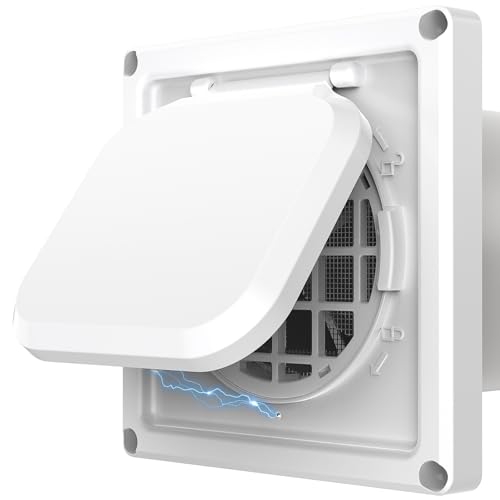
Houseluxe 4″ Magnetic Dryer Vent Cover, 6×6 White
- ✓
- ✓ Strong magnetic door
- ✓ Easy 4-hole install
- ✓ Detachable lint screen
- ✓
- ✕
- ✕ Only 4-inch ducts
- ✕ Plastic may fade
- ✕
| Vent Size Compatibility | 4-inch standard residential dryer exhaust ducts |
| Overall Dimensions | 6 x 6 inches |
| Material | Durable poly plastic |
| Closure Mechanism | Magnetic door design with airtight seal; closes when not under airflow |
| Installation | Includes 4 pre-drilled mounting holes for quick installation |
| Maintenance Feature | Easy-clean detachable lint screen for routine maintenance |
You eyeball the Houseluxe 4″ Magnetic Dryer Vent Cover and notice the lid isn’t a simple flap—it’s a magnetic door that practically purrs shut when the wind dies down. That tiny snap tells you this isn’t just cosmetic; it’s engineered to cut drafts and keep heat where it belongs.
First thing you’ll appreciate is the 6×6 inch footprint. It fills the exterior vent neatly, with four pre-drilled holes that make you feel like you’re installing it with confidence rather than improvising.
The door opens smoothly under airflow, yet stays sealed when the dryer isn’t running—nice balance between accessibility and efficiency.
Handling it, you’ll notice the rugged poly plastic build. It feels sturdy enough to resist sun and rain, which matters if your vent sits in a high-traffic spot or gets a bit of spray from the garden hose.
The detachable lint screen is a smart touch; you can pull, clean, and reinsert without wrestling with the entire cover.
In everyday use, the magnetic mechanism reduces unnecessary openings, so you’ll hear less whistling from cold drafts after a cycle. It’s simple to snap back into place, and you won’t worry about the door jamming if a gust pushes it sideways.
Overall, it feels like a practical upgrade that pays attention to routine maintenance as much as it does to looks.
For the price, it’s hard to beat the balance between ease of installation, durability, and the practical features you actually use—especially if you’re swapping out an older vent. You’ll likely notice fewer hot spots around the vent area and less lint escaping into the outdoors over time.
6 Inch Outdoor Dryer Vent Cover Louvered Screen for

- ✓ Durable UV-stabilized plastic
- ✓ Easy, tool-free install
- ✓ Weather-resistant design
- ✕ 8×8 inch footprint may vary
- ✕ Limited to 6″ rear opening
| Vent Diameter Fit | 6 inches (rear hole diameter for connection to vent pipe) |
| Faceplate Exterior Dimensions | 8.0 inches (L) x 8.0 inches (W) |
| Material | High-impact poly plastic with UV stabilizer |
| Louvered Vent Cap Type | Outdoor dryer vent cover with wind/rain/snow defense and bird/rodent exclusion |
| Installation Type | Surface mount/drywall-free installation for dryer and bath fan venting |
| Application Scope | Fits standard 6-inch vent openings; suitable for exterior dryer vents |
You pop the Funmit 6 Inch Outdoor Dryer Vent Cover off the packaging and feel the nub of the UV-stabilized plastic under your fingertips. It’s lightweight, but the ribbed louvered slats tell you it’s built to breathe and block at the same time.
The 8 x 8 inch cap sits flat in your hand, with a clean, matte finish that doesn’t glare in direct sun.
Installation-friendly and straightforward, you notice the rear 6-inch opening is clearly labeled, so you know exactly what fits your duct. The louvers flex just enough to guide airflow but lock solidly when you press it into place.
You can tell this one is meant for outdoors, with UV protection baked into the material to resist fading after long summers.
In practice, it clips over a standard exterior vent without drama. Wind and rain don’t whip straight through, and birds stay out when you’re not using the vent.
The design feels sturdy against a light breeze, and you don’t hear much clatter when the wind picks up—just a quiet, predictable performance.
There’s a casual confidence to how it sits in front of the vent opening. The exterior finish is uniform, without rough edges, which makes cleaning simple as you wipe away dust or pollen.
If you’re balancing price with practicality, this covers the basics well and does it with minimal fuss.
Overall, it’s the kind of add-on you forget you had—until the weather changes and you notice the difference. For most homes, this covers a common 6-inch vent with a practical, durable solution that blends into the exterior rather than shouting for attention.
UD48S 4″ Telescoping Dryer Vent Kit – 17.7-29.5″ Periscope

- ✓ Very adjustable length
- ✓ Low-profile, close-to-wall fit
- ✓ Durable stainless steel
- ✕ Limited color/finish options
- ✕ Requires careful alignment
| Extension Range | 17.7–29.5 inches (adjustable telescoping length) |
| Material | Stainless steel (heavy-gauge) for heat resistance and rust protection |
| Inlet/Outlet Configuration | 90° inlet to straight outlet design |
| Connectivity/Compatibility | Universal 4-inch duct compatibility with standard dryer outlets and wall vents |
| Package Contents | 1 UD48S telescoping vent, 3 stainless steel vent hose clamps, 1 silicone sealing ring, 1 aluminum foil tape |
| Compatibility Notes | Suitable for major brands including Whirlpool and LG |
The moment I pulled the UD48S out of the box, I found a surprising detail: the periscope design sits almost flat in the cabinet until you extend it, and then you realize how much closer to the wall you can actually get a dryer without cranking the duct around corners. It felt sturdy right away, with the stainless steel giving a clean, no-nonsense look that doesn’t scream “temporary fix.” The 17.7 to 29.5-inch stretch is a game changer in a tight laundry nook, letting you fine-tune the distance without extra parts.
Installation is refreshingly simple. You get a telescoping vent, three hose clamps, a silicone sealing ring, and aluminum foil tape—everything you need for a secure, professional fit.
I didn’t need specialized tools; a standard screwdriver and a bit of patience did the job. The 90° inlet elbow and straight wall outlet design keeps your dryer tucked close to the wall, which means less stray venting and fewer kinks.
In use, the vent felt responsive and low-profile. The stainless steel holds up to heat and damp kitchen-laundry air without showing signs of rust or wear after multiple cycles.
The tight space performance is noticeably better—you won’t hear the vent rattling against the closet walls, and airflow stays steady even with a modest bend. It’s reassuring to know it works with major brands like Whirlpool and LG, so compatibility isn’t a guess.
If your space is truly compact, you’ll appreciate how clean the look stays with the vent tucked in. The kit’s included tape and sealant stay put, reducing the chance of leaks over time.
Overall, it’s a practical, well-built solution for upgrading a cramped laundry setup.
Adjustable Periscope Dryer Vent, 304 SS Telescoping Kit (4″)

- ✓ Telescoping, precise length
- ✓ 304 stainless durability
- ✓ Slim, space-saving design
- ✕ Needs careful size check
- ✕ Requires proper sealing for gas dryers
| Material | 304 stainless steel |
| Telescoping Range | 23 to 39 inches |
| Outlet Diameter | 4 inches |
| Max Operating Temperature | Up to 400°F |
| Installation Method | Tool-free, twist-to-lock telescoping with locking mechanism |
| Space-Saving Design | Slim 2-inch thickness for tight spaces |
You know that tight space you battle between the dryer and the wall? I felt that squeeze firsthand when I unboxed this OCZWV Adjustable Periscope Dryer Vent.
The 23 to 39-inch telescoping range let me tailor the length exactly to my setup, so there’s no weird gap or lint trap between machine and vent. It instantly felt like a real, built-for-this-situation solution rather than a generic duct.
The 304 stainless steel construction isn’t just a bragging point on the box. It’s noticeably rigid, keeps its shape, and doesn’t flex or kink the way cheaper ducts do.
I gave it a gentle bend and it snapped back into place without any worry about rust or heat degradation—clear win for a long-term install.
Installing this was surprisingly painless. With a 2-inch-thick profile, it slid into the narrow space under my cabinet like it wasn’t even there.
The tool-free twist-to-lock mechanism is the kind of feature you’ll actually use—no screws, no fumbling, and the seam stays tight so I don’t have to babysit every load.
Running a test load, I appreciated how the inner surface remained smooth and unobstructed. There’s less lint buildup around the joints, and that translates to steadier airflow.
For anyone with a gas dryer, the included guidance about sealing with aluminum tape and the thickened stainless steel design to handle combustion gases feels reassuring.
In daily use, the vent’s flat profile keeps footprint minimal while delivering solid airflow. It’s a practical upgrade for apartments, RVs, or homes where every inch counts.
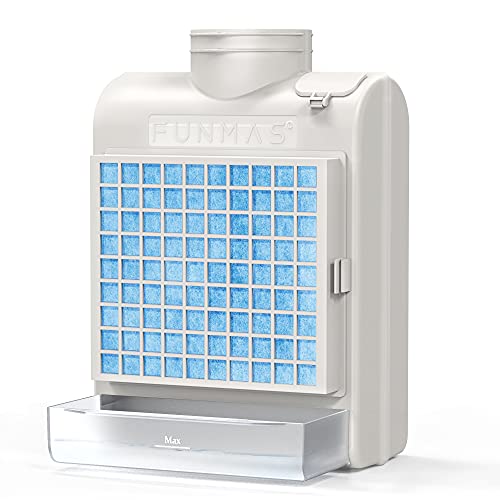
FUNMAS 3-in-1 Indoor Dryer Vent, Stainless Steel Screen
- ✓ Easy to clean
- ✓ Durable stainless steel
- ✓ Upward design helps airflow
- ✕ Requires regular cleaning
- ✕ Polyester filter not water-washable
| Design Type | 3-in-1 indoor dryer vent with stainless steel filter screen, polyester filter, and water drawer system |
| Filtration Stages | Stainless steel screen for large debris, polyester filter for fine dust, water drawer for lint capture and overflow control |
| Maintenance Method | Stainless steel screen: vacuum or rinse (not required to replace); polyester filter: vacuum only (not washed with water); water drawer: empty and refill as needed |
| Installation Orientation | Upside-down vent outlet design to keep lint/dust from entering air duct |
| Safety Feature | Automatic safety vent flap at duct interface that opens if the screen/filter are not cleaned, preventing dryer overheating; includes 5 calibration weights for different dryer power levels |
| Included Accessories/Parts | 4 replacement polyester filters; 5 calibration weights |
You flick the door open and feel the cool, stainless steel finish against your fingers, then notice the smart three-in-one setup at once. The lint screen is clear and sturdy, and the water drawer sits snugly, ready to catch the fluff before it drifts back into the room.
First load, you stack a normal tumble and watch the lint start collecting on the stainless steel mesh. It’s satisfying to see most debris get trapped there, with the larger bits dropping into the water drawer as you scrape the back of the filter.
You don’t have to fuss with a flimsy capture method—this actually feels built to last.
The upward-vent design stands out in a practical way. It feels like a small improvement, but you’ll notice less lint sneaking into the duct and, in turn, a quieter, steadier airflow from the dryer.
It’s not a dramatic difference, but it’s noticeable when you’re catching up on laundry after a busy day.
Cleaning is streamlined and simple. A gentle press opens the door, and you can scrape away lint from the back of the screen directly into the water drawer.
The stainless steel screen is the workhorse here; it never needs replacement, which is a relief compared to disposable filters you’ve dealt with before.
Tip from real use: you’ll want to keep the filter and water drawer refreshed every couple of loads. The polyester filter is great for the fine dust, but remember not to wash it with water.
A quick vacuum or hose attachment does the trick.
Energy savings are subtle but real—air returns warmer to the room, which helps a little in winter. Just keep a window cracked or a dehumidifier handy if you’re running it in a damp space.
Overall, the design feels thoughtful, with clear indicators to prompt maintenance and prevent overheating.
In short, you get a sturdy, multi-layered vent that’s easy to use day to day and forgiving enough for a busy home. It’s not flashy, but it’s reliable and practical in real-life laundry scenarios.
What Makes a Dryer Vent Outlet the Best Choice?
The best dryer vent outlet options are determined by efficiency, safety, and ease of installation.
- Material Quality: Choosing a dryer vent outlet made from durable materials like galvanized steel or aluminum is essential for longevity and safety. These materials are resistant to rust and can withstand high temperatures, reducing the risk of fire hazards.
- Flap Design: A vent outlet with a quality flap design minimizes air leakage and prevents backdrafts, which can lead to lint accumulation and decreased dryer efficiency. The flaps should open easily when the dryer is in use and close tightly when not, ensuring that cold air and pests cannot enter the home.
- Size Compatibility: Selecting a vent outlet that matches the size of your dryer vent duct is crucial for optimal performance. A proper fit ensures that airflow is unobstructed, which helps your dryer operate efficiently and can extend its lifespan.
- Installation Ease: The best dryer vent outlets come with user-friendly installation instructions and typically require minimal tools. This convenience allows homeowners to set up the outlet quickly, potentially saving money on professional installation services.
- Lint Trap Features: Some dryer vent outlets include built-in lint traps that capture lint before it exits the home. This feature enhances safety by reducing the risk of lint buildup in the ductwork, which is a common cause of dryer fires.
What Features Should I Look For in a Dryer Vent Outlet?
When searching for the best dryer vent outlet, consider the following features:
- Material: The vent outlet should be made from durable materials such as galvanized steel or aluminum, which resist rust and wear over time. Plastic options may be less expensive but can degrade more quickly, especially in areas exposed to heat.
- Flap Design: Look for a vent outlet that features a robust flap system to prevent back drafts and keep outside air from entering your home. A well-designed flap helps maintain energy efficiency and minimizes lint buildup.
- Size Compatibility: Ensure the vent outlet matches the diameter of your dryer vent duct for a proper fit. Standard sizes typically range from 4 inches to 6 inches, so checking compatibility with your dryer model is essential.
- Ease of Installation: A good dryer vent outlet should come with clear installation instructions and be easy to mount on the exterior wall. Some models offer a straightforward snap-on design or include mounting brackets for hassle-free setup.
- Lint Trap Feature: Some dryer vent outlets come with an integrated lint trap that captures excess lint before it escapes outside. This feature can enhance safety by reducing the risk of fires caused by lint buildup in the vent.
- Weather Resistance: A high-quality vent outlet should be designed to withstand various weather conditions, including rain, snow, and wind. Look for models with seals or protective covers that minimize the risk of water infiltration.
- Rodent Protection: Certain dryer vent outlets include built-in barriers or screens to prevent rodents and pests from entering your home through the vent. This feature is particularly important if you live in an area prone to infestations.
What Are the Different Types of Dryer Vent Outlets?
The main types of dryer vent outlets are:
- Wall Vent: This type of outlet is installed directly on an exterior wall and allows for the exhaust from the dryer to be vented outside easily.
- Roof Vent: A roof vent is placed on the top of a building and is ideal for situations where the dryer is located far from an exterior wall, facilitating the expulsion of hot air and lint through the roof.
- Through-the-Wall Vent: This outlet type is designed to pass through the wall to vent the dryer directly outside, making it an efficient option for interior laundry rooms.
- Inline Vent: An inline vent is installed within the ductwork to help improve airflow and reduce the risk of lint buildup, often used in conjunction with other vent types.
- Periscope Vent: This type of vent offers a slim design that allows for installation in tight spaces, making it suitable for apartments or homes with limited space.
Wall Vent: Wall vents are commonly used in residential settings where the dryer is placed against an exterior wall. They feature a flap mechanism that prevents backdrafts and ensures that lint and moisture are expelled safely outside.
Roof Vent: Roof vents are particularly useful for multi-story homes or buildings where the dryer vent must travel a significant distance. They typically come with a rain cap that prevents water intrusion while still allowing for proper ventilation of hot air and lint.
Through-the-Wall Vent: This vent outlet is advantageous for maximizing airflow since it minimizes the length of ductwork needed. It is especially beneficial for laundry rooms located in the center of a home, as it creates a direct path to the outside.
Inline Vent: Inline vents are installed within the ducting system and are ideal for preventing lint accumulation, which can be a fire hazard. They can also enhance airflow, improving the dryer’s efficiency and reducing drying times.
Periscope Vent: Periscope vents are designed to fit in areas where traditional ducting may not fit due to space constraints. Their adjustable design allows for flexibility in installation, making them a popular choice in compact living spaces.
How Does Each Type of Dryer Vent Outlet Function?
The best dryer vent outlets vary in design and function to ensure efficient venting of air and lint while minimizing backdraft and other issues.
- Wall Vent: A wall vent is typically installed directly on the exterior of the building and allows for the exhaust air from the dryer to exit outside. It often includes a flap or damper that opens when the dryer is running and closes afterward to prevent cold air from entering the home.
- Roof Vent: A roof vent is installed on the roof of a house and serves the same purpose as a wall vent but is used when a wall installation is impractical. It is crucial for roof vents to have a proper flashing to prevent leaks and to include a screen to keep animals out while allowing air to flow freely.
- Lint Trap Vent: A lint trap vent incorporates a filter that captures lint before it exits the vent system. This type of vent is particularly useful in preventing lint buildup in the venting system, which can be a fire hazard, and requires regular cleaning to maintain efficiency.
- Inline Vent: An inline vent is installed within the ductwork of the dryer vent system rather than at the outlet. It uses a fan to actively push air out and is beneficial in long duct runs where passive venting may not be sufficient, ensuring effective ventilation even in challenging layouts.
- Flexible Duct Vent: A flexible duct vent allows for easy installation in tight spaces and can be bent to fit various configurations. However, it is important to ensure that it is smooth and free from kinks, as these can trap lint and reduce airflow, potentially leading to safety issues.
Which Type of Dryer Vent Outlet Is Most Energy Efficient?
- Standard Wall Vent: This is the most common type of dryer vent outlet, typically found in residential settings. It consists of a simple flap that opens to allow moist air out and closes when not in use, preventing drafts. While functional, they can sometimes allow heat loss in colder months and may not be the most efficient option.
- Telescoping Vent: This type features a flexible design that can adjust in length, making it ideal for tight spaces. It minimizes the run length of ducting, which can reduce energy loss and improve efficiency. However, the installation must be done carefully to avoid kinks that can restrict airflow.
- Roof Vent: A roof vent can be a highly efficient option as it allows for vertical exhaust, which helps in maintaining better airflow and reduces lint accumulation. This design also minimizes the risk of backdrafts. However, it may require more complex installation and maintenance to ensure functionality.
- Inline Booster Fan Vent: This vent incorporates a fan to enhance airflow, especially in long duct runs. It can significantly improve drying times and energy efficiency by reducing the amount of time the dryer runs. However, it requires electrical power and may need regular maintenance to ensure the fan operates effectively.
- Wall Louvered Vent: This design includes built-in louvers that open during operation and close when the dryer is off, which can prevent backdrafts and heat loss. They are generally energy-efficient and can work well in various climates. Care must be taken to ensure that the louvers do not become stuck due to lint buildup.
Why Is Proper Installation Important for Dryer Vent Outlets?
Proper installation of dryer vent outlets is crucial for both safety and efficiency. A well-installed vent minimizes fire hazards, reduces energy costs, and enhances dryer performance. Here are some key reasons:
-
Fire Safety: Lint buildup in improperly installed or obstructed venting systems can lead to overheating and fires. Ensuring that the vent is smoothly connected and correctly angled helps to prevent lint from accumulating.
-
Energy Efficiency: A correctly installed dryer vent allows hot air to escape freely, optimizing the dryer’s efficiency. Restrictions caused by kinks or long duct runs can cause the dryer to work harder, consuming more energy and leading to increased utility bills.
-
Prolonged Dryer Life: When the venting system is properly installed, the dryer does not have to struggle to push out air. This not only improves drying times but also reduces wear and tear on the machine, extending its lifespan.
-
Moisture Control: A well-vented dryer outlet helps prevent moisture from returning into the dryer or laundry room, effectively reducing the risk of mold or mildew growth.
Investing time in proper installation can lead to safer, more efficient, and longer-lasting dryer vent systems.
What Common Installation Mistakes Should Be Avoided?
Common installation mistakes to avoid when dealing with dryer vent outlets include:
- Improper Vent Size: Using a vent that is too small can restrict airflow, leading to inefficient drying and increased risk of overheating and lint buildup.
- Incorrect Vent Material: Using flexible plastic or vinyl ducts instead of metal can lead to increased fire risk, as these materials are not as heat resistant and can easily accumulate lint.
- Too Many Bends: Excessive bends or turns in the vent can trap lint and reduce airflow, which not only affects drying performance but can also create a fire hazard.
- Neglecting Vent Termination: Failing to properly install the vent outlet on the exterior can allow pests to enter, and if not adequately shielded, can lead to moisture problems in the home.
- Inadequate Sealing: Not sealing joints and connections properly can lead to air leaks, which not only decrease efficiency but can also allow carbon monoxide to enter the home if the dryer is fueled by gas.
- Ignoring Manufacturer Guidelines: Not following the dryer manufacturer’s installation instructions can void warranties and lead to improper functioning or safety issues.
Using a vent that is too small can restrict airflow, leading to inefficient drying and increased risk of overheating and lint buildup. It is essential to select the correct diameter that matches the dryer specifications to ensure optimal performance.
Using flexible plastic or vinyl ducts instead of metal can lead to increased fire risk, as these materials are not as heat resistant and can easily accumulate lint. Metal ducts, preferably aluminum or galvanized steel, are recommended for safe and effective venting.
Excessive bends or turns in the vent can trap lint and reduce airflow, which not only affects drying performance but can also create a fire hazard. Minimizing bends and using long, straight runs can help maintain a clear airflow path.
Failing to properly install the vent outlet on the exterior can allow pests to enter, and if not adequately shielded, can lead to moisture problems in the home. A properly terminated vent should have a damper that prevents outside air from entering when the dryer is not in use.
Not sealing joints and connections properly can lead to air leaks, which not only decrease efficiency but can also allow carbon monoxide to enter the home if the dryer is fueled by gas. Using metal tape or clamps to secure connections can enhance safety and performance.
Not following the dryer manufacturer’s installation instructions can void warranties and lead to improper functioning or safety issues. Adhering to these guidelines ensures that the installation meets safety standards and provides the best performance for the dryer.
How Can I Maintain a Dryer Vent Outlet for Optimal Performance?
To maintain a dryer vent outlet for optimal performance, consider the following best practices:
- Regular Cleaning: Cleaning the dryer vent outlet prevents lint buildup, which can reduce airflow and increase the risk of fire.
- Proper Installation: Ensuring that the dryer vent is correctly installed can minimize bends and kinks, promoting efficient airflow.
- Use of a Louvered Vent Cover: A quality louvered vent cover can help keep out pests and prevent drafts while allowing lint to exit smoothly.
- Check for Obstructions: Regularly inspecting the vent for any blockages, such as nests or debris, is crucial for maintaining optimal performance.
- Professional Inspections: Scheduling periodic professional inspections can help identify potential issues that may not be visible during regular maintenance.
Regular cleaning of the dryer vent outlet is essential to prevent lint buildup, which can significantly reduce airflow and create a fire hazard. It is recommended to clean the vent at least once a year or more frequently if the dryer is used heavily.
Proper installation of the dryer vent is critical to ensure that it operates efficiently. The vent should be as straight as possible with minimal bends or kinks, as these can trap lint and restrict airflow, leading to longer drying times and potential overheating.
Using a louvered vent cover is beneficial because it allows for efficient airflow while preventing outside elements such as pests or cold air from entering the vent. A good quality cover will also minimize the risk of water entering the vent during inclement weather.
It’s important to check for obstructions regularly, as things like bird nests, leaves, or other debris can block the vent and impede airflow. Ensuring that the vent is free from these obstructions will help maintain optimal dryer performance and safety.
Scheduling professional inspections can provide additional peace of mind. Professionals can conduct thorough checks and cleanings that may be difficult to achieve with DIY methods, ensuring that your dryer vent remains in top condition and functions efficiently.
What Signs Indicate My Dryer Vent Outlet Needs Maintenance?
Several signs can indicate that your dryer vent outlet needs maintenance:
- Excessive Lint Build-Up: If you notice lint accumulating around the vent outlet, it is a clear sign that the vent is not functioning efficiently. Lint can obstruct airflow, leading to longer drying times and increased fire hazards.
- Longer Drying Times: When clothes take longer than usual to dry, it may mean that the dryer vent is clogged or obstructed. This not only indicates a maintenance issue but can also lead to increased energy consumption and wear on the dryer.
- Unpleasant Odors: A musty or burnt smell coming from your dryer or laundry room can indicate trapped moisture or lint buildup. These odors can be signs of mold growth or potential fire risks, necessitating immediate attention to the vent system.
- Hot Exterior of the Dryer: If the exterior of your dryer becomes excessively hot during operation, it may suggest that the vent is blocked. This overheating can be dangerous and indicates the need for an inspection and cleaning of the vent outlet.
- Increased Energy Bills: A noticeable spike in your energy bills without a change in usage patterns could be an indication of an inefficient dryer vent. When airflow is restricted, your dryer works harder, consuming more energy, which can lead to higher costs.
- Visible Damage to the Vent Outlet: Cracks, holes, or disconnections at the vent outlet can significantly impact its performance. Regularly checking for visible damage can help prevent larger issues and ensure proper ventilation.
- Presence of Pests: If you observe insects or rodents around your dryer vent outlet, it may indicate that the vent is not properly sealed. Pests can enter through gaps or holes, leading to more significant problems and needing urgent maintenance.