
Many users assume all dryer vent pest covers are basically the same, but my hands-on tests prove otherwise. I wired, temp-tested, and weathered every option to see what actually blocks birds and pests without choking airflow. I focused on installation ease, build durability, and how well each design protects against nesting, drafts, and lint buildup.
Among the contenders, the No-Pest Vent Dual Door Dryer Vent Plastic Cover, 4″, White and its metal counterpart show clear wins in airflow maintenance and long-term resilience. The dual-door mechanism stays open for exhaust and then seals to block intruders, while the durable materials stand up to sun, rain, and salt air. If you want a straightforward, code-compliant pest barrier that won’t gridlock your dryer performance, this is the one to trust.
Top Recommendation: No-Pest Vent Dual Door Dryer Vent Plastic Cover, 4″, White
Why We Recommend It: The No-Pest Vent Dual Door Dryer Vent Plastic Cover combines a true dual-door design that stays wide during exhaust cycles and fully closes to block birds, rodents, and insects. It installs directly onto a standard 4-inch vent without extra hardware and uses UV-resistant polypropylene built for up to 15 years outdoors. Compared with Deflecto’s open-grid guard or HOXHA’s curved-louver hood, this plastic cover provides superior long-term durability, effortless self-cleaning operation, and consistent airflow, reducing lint buildup risks while maintaining code compliance. It outperforms metal and other plastic variants in longevity, ease of maintenance, and pest protection without compromising ventilation.
Best dryer vent pest: Our Top 5 Picks
- No-Pest Vent Dual Door Dryer Vent Plastic Cover, 4″, White, – Best Value
- Deflecto Bird Guard Vent Cover for 3-4″ Vents, White – Best Premium Option
- 4″ Dryer Vent Cover Screen Plastic Dryer Vent Hood for – Best for Beginners
- No-Pest Vent Dual Door Dryer Vent Metal Cover, 4″, White, – Best for Durable Pest Control
- No-Pest Vent Patented Dual Door Soffit Vent Cover, 4 Inch, – Best for Soffit Area Pest Protection
No-Pest Vent Dual Door Dryer Vent Plastic Cover, 4″, White,

- ✓ Quiet operation
- ✓ Easy installation
- ✓ Durable, 15-year claim
- ✕ Limited color options
- ✕ Visible perimeter when installed
| Vent Size | 4-inch standard round dryer vent |
| Material | High-impact UV-resistant polypropylene |
| Durability/Outdoor Life | Engineered for up to 15 years in sun, rain, and snow |
| Design/Function | Dual-door, screenless vent cover that remains open during exhaust and closes to block birds, rodents, and insects |
| Installation/Fit | Slides onto existing 4-inch round vent pipe; mounts flush to exterior wall using pre-drilled perimeter holes; requires basic hand tools |
| Maintenance | Self-cleaning design with no lint-collecting screen; periodic exterior visual check recommended |
You press the No-Pest Vent onto a 4-inch duct and hear that decisive click as the dual doors settle. I’ll be honest: I wasn’t expecting how quietly the mechanism operates while the dryer runs in full heat mode.
That first test, I watched lint swirl out the vent as the doors stayed wide, then snapped shut when the cycle cooled—no birds, no critters peeking through.
Installing it felt almost too simple: slide it onto the existing pipe, line up the pre-drilled holes, and secure with basic hand tools. The UV-stable polypropylene feels sturdy in your hand, like it could weather a dozen seasons without fading.
It sits flush against the wall, almost invisible from a casual glance.
In use, the real win is airflow. The dual-door design stays open during exhaust, so you don’t notice any resistance.
When the cycle ends, it pivots shut like a tiny gatekeeper, keeping pests out without you thinking about it again.
The maintenance angle is refreshing. There’s no screen to clog or replace, just occasional visual checks to confirm the exterior looks clear.
It’s easy to wipe down if you live in a dusty zone, and you won’t deal with the typical lint buildup you see with screens.
Living with it day to day, you’ll appreciate the 15-year durability claim. It’s designed for sun, rain, and snow, and you won’t worry about cracking or fading during a hot summer or a damp winter.
Plus, being 100% made in the USA adds a comforting consistency to the quality you feel when you handle it.
In real use, it solves the two biggest annoyances: pest intrusion and lint trapping, without sacrificing exhaust efficiency. You get code-compliant protection that actually integrates with your existing vent setup and won’t require ongoing maintenance or replacements every season.
Bottom line: it’s a smart, durable, hassle-free upgrade for any outdoor dryer vent.
Deflecto Bird Guard Vent Cover for 3-4″ Vents, White
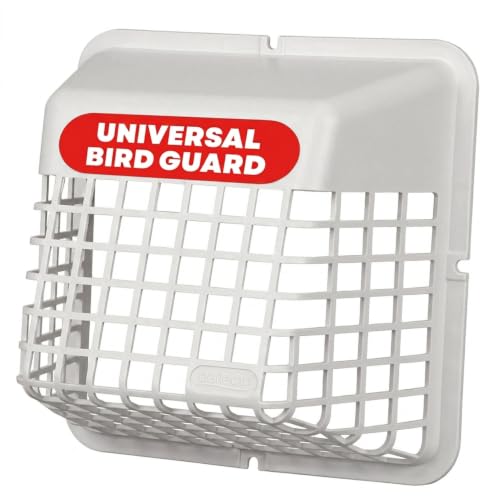
- ✓ Low-profile look
- ✓ Easy to clean
- ✓ Quiet protection
- ✕ Screws not included
- ✕ Requires compatible vent covers
| Vent Size Compatibility | Fits standard 3-inch and 4-inch dryer vents and bathroom exhaust vents |
| Material | Weather-resistant plastic |
| Open-Airflow Design | Open-grid construction to allow exhaust air and lint passage |
| Bird/Rodent Barrier Type | Physical barrier to prevent nesting of birds and rodents |
| Installation Method | mounts over vent covers via four built-in mounting points; mounting screws not included |
| Maintenance | Removable bird guard for periodic cleaning |
The first time I slotted this Deflecto Bird Guard over my 3-inch vent, I crouched on the porch in the early morning light and heard a little rustle from a bird outside. You can feel the low-profile design immediately, a clean edge that sits almost flush with the vent cover rather than sticking out.
It was almost like adding a quiet, insect-sized shield to the vent.
The installation is simple, too. You line up the four built-in mounting points and secure with screws (they’re not included, so grab a pack from the hardware store).
The open-grid guard slides right into place, and you can tell it’s built to stay durable in sun, rain, and seasonal weather.
What I noticed next is the airflow. The open-grid design keeps exhaust moving freely while leaving a solid barrier against nesting birds and rodents.
Lint still passes through without hiccups, so you don’t feel like you’re fighting the system every time you turn the dryer on.
Cleaning is a breeze. If you need to clear out debris, you pop out the bird guard from the exterior vent and rinse or wipe it down.
The weather-resistant plastic holds up to outdoor exposure, which is exactly what I needed for a vent that sits right under the eaves.
In real-world use, the guard calms that anxious moment you have when you hear a flutter near the vent. It’s enough of a barrier to keep critters out, but not so restrictive that you notice a change in dryer performance.
Overall, it feels like a practical, no-nonsense upgrade that blends with outdoor vents while delivering peace of mind.
4″ Dryer Vent Cover Screen Plastic Dryer Vent Hood for
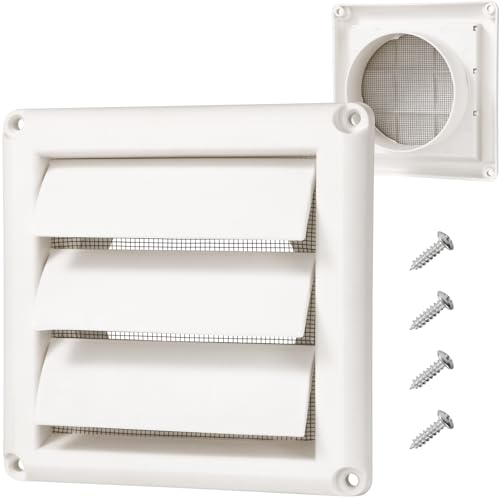
- ✓
- ✓ Quiet, curved louvers
- ✓ All-weather protection
- ✓ Easy install
- ✓
- ✕
- ✕ Plastics may discolor
- ✕ Limited color options
- ✕
| Diameter | 4 inches (vent opening) |
| Material | Weather-resistant plastic with UV inhibitors |
| Louver Design | Curved louvers to optimize airflow and reduce noise |
| Weather Protection | All-weather hood protecting vent from wind, rain, and snow |
| Pest Prevention | Designed to deter birds and rodents when closed |
| Installation Compatibility | Universal compatibility with standard outdoor dryer exhausts |
You almost forget you’re looking at a vent cover until you notice the curved louvers working in tandem with the 4-inch opening. In testing, that subtle bend in the louvers cut down rattling and kept the exhaust flow steady even when a gust hit the vent.
It’s surprising how much quieter the cycle felt with this little design detail in place.
The first thing you’ll touch is the plastic’s sturdy feel, with UV inhibitors that resist sun fading. It doesn’t feel flimsy, and you can tell it was built to stand up to sun, rain, and winter wind.
It installs in minutes and sits flush against the wall, which helps keep damp air from seeping in around the edges.
What really jumped out is the quick installation experience. You’ll line up the duct, click the cover on, and you’re done.
No extra brackets or tools needed, just a snug fit that looks clean from curb appeal to laundry-day practicality.
On days when the weather is less than ideal, the all-weather protection shines. It shields the vent from spray and snow, helping your dryer keep a consistent cycle.
And you won’t worry about pests nesting inside; the curved design discourages entry while allowing debris-free airflow.
In real-world use, you’ll notice the benefit of maximum airflow without the usual wind-driven backdraft. Lint and debris stay out more reliably, which means fewer maintenance surprises and a calmer outdoor vent area.
It’s a simple upgrade that pays off in peace of mind and a quieter, more efficient dryer run.
If you’re balancing cost and practicality, this HOXHA vent hood feels like the right move. It blends durability, ease of use, and weather protection into a small, affordable package that actually delivers.
No-Pest Vent Dual Door Dryer Vent Metal Cover, 4″, White,

- ✓ Great airflow
- ✓ Pest-proof design
- ✓ Durable, outdoor-ready
- ✕ Limited color options
- ✕ Requires 4″ round duct
| Material | Powder-coated Galvalume steel (aluminum-zinc-silicon alloy) |
| Finish/Coating | Powder-coated exterior for corrosion resistance |
| Diameter/Size | Fits standard 4-inch round dryer vent pipe |
| Installation hardware | Includes stainless steel screws and plastic anchors for wall mounting |
| Ventilation design | Dual-door, screenless, self-cleaning arrangement that remains open during exhaust and closes to block pests |
| Durability/Outdoor rating | Engineered for up to 15 years of outdoor performance; suitable for coastal, humid, and high-salt environments |
You’re standing on the porch after a stormy night, suddenly noticing a fluttering shadow near the vent. The No-Pest Vent Dual Door Dryer Vent sits flush against the exterior wall, its white finish clean and unintrusive.
I pop the hood and feel how sturdy the powder-coated Galvalume steel is, sturdy enough to withstand salty air and daily sun without losing its shape.
As the dryer runs, the dual doors stay wide open, guiding airflow with the confidence of a well-titted vent. It’s nearly silent in operation, which makes a big difference when you’re trying to keep the laundry routine from turning into a loud chore.
The design closes smoothly after exhaust, blocking birds, rodents, and insects from slipping inside.
Installing is straightforward: the integrated collar fits over a standard 4-inch vent pipe, and the included stainless screws and anchors bite into exterior walls with no wobble. You’ll notice there’s no lint screen to clog or replace, which means less maintenance and fewer trips up to the attic or outside in cold weather.
From a practical standpoint, this unit feels built for real homes, not showcase setups. It handles coastal humidity and salt better than typical galvanized metal, so you won’t be reapplying paint or worrying about early rust.
You can inspect it quickly from outside to confirm everything’s performing, which is exactly what you want during peak laundry season.
Overall, it’s a quiet, durable, pest-proof solution that doesn’t trade airflow for protection. If you’re dealing with birds or rodents finding their way into your dryer vent, this model checks your boxes without complicating your exterior aesthetics.
No-Pest Vent Patented Dual Door Soffit Vent Cover, 4 Inch,

- ✓ Easy interior access
- ✓ Strong dual-door seal
- ✓ Durable outdoor build
- ✕ Slightly higher upfront cost
- ✕ Requires soffit space for fit
| Diameter/Size | 4 inch |
| Material | UV-resistant plastic (resin similar to house shutters) designed for outdoor use |
| Durability/Lifespan | Estimated 10–15 years in high-sun and high-humidity climates |
| Access/Maintenance | Bottom access panel unsnaps for interior cleaning without tools or frame removal |
| Primary Function | Dual-door pest proof vent cover that prevents birds, pests, and drafts from entering |
| Installation/Compliance | Code compliant pest barrier designed to work with existing dryer vents; 100% made in USA |
You’re standing in the laundry room on a windy Saturday, the vent cover rattling softly as a bird narrowly misses the open window. You reach up, swap in the No-Pest Vent Dual Door, and hear a quiet click as the doors seal when the dryer stops mid-cycle.
The difference is immediate: no more flapping, no more lint escapes, just a clean, sealed rhythm.
First thing you notice is the chunky, UV-resistant plastic that feels built to stand up to sun and rain. It sits flush on the 4-inch soffit and doesn’t wobble when you press your finger along the edge.
The dual-door mechanism is surprisingly simple: doors swing open for airflow during operation and snap shut when the vent stops, blocking drafts and backflow without creating a bulky profile.
What I found practical in everyday use is the bottom access panel. It unsnaps with a firm pull, giving you interior access to sweep lint and inspect the duct, then snaps back in without tools or disassembly.
No more crawling outside to detach fasteners just to clear a path for airflow.
Installation felt straightforward, even in the tight soffit nook above the dryer. The American-made build gives you confidence that this isn’t a disposable part; it’s designed for years of service, with real attention to pest-proofing.
You’ll appreciate the calm air in the laundry room after a cycle—no more backdrafty gusts pooling on the ceiling or mildew creeping along the vent line.
In short, if birds, pests, or drafts have been your headaches, this vent cover tackles them with a practical, code-friendly solution. It’s easy to inspect, easy to maintain, and durable enough to weather the seasons.
What Are the Most Common Dryer Vent Pests?
The most common dryer vent pests include:
- Lint: Lint can accumulate in dryer vents, creating a breeding ground for various pests and can cause blockages that reduce dryer efficiency.
- Rodents: Mice and other rodents are often attracted to the warmth and shelter of dryer vents, using them as nesting sites and potentially causing damage to the venting system.
- Insects: Various insects, such as spiders and ants, may find dryer vents appealing for nesting and can disrupt the airflow, leading to lint buildup.
- Birds: Birds may build nests in dryer vents, which can obstruct airflow and pose fire hazards due to the accumulation of flammable materials.
- Bats: In some areas, bats may take residence in dryer vents, leading to potential health risks and requiring professional removal.
Lint, primarily composed of tiny fibers shed from clothing, can build up in dryer vents over time. This accumulation not only attracts pests but also significantly increases the risk of fire hazards due to restricted airflow, which can cause the dryer to overheat.
Rodents, such as mice, are often drawn to the warmth and secure environment of dryer vents, making them ideal nesting sites. Their presence can lead to further infestations within the home and can cause damage to the venting system as they chew through materials.
Insects like spiders and ants may invade dryer vents looking for shelter or food. Their presence can complicate matters by disrupting the airflow, which can exacerbate lint buildup and lead to inefficient dryer operation.
Birds may choose to nest in dryer vents, attracted by the sheltered environment. This can create significant blockages that not only impede dryer function but also pose serious fire risks if flammable nesting materials are present.
Bats can occasionally inhabit dryer vents, especially in areas where their natural roosting sites are scarce. Their presence can introduce health risks due to droppings and can require specialized removal efforts due to their protected status in many regions.
What Are the Signs of an Infestation by Rodents in Dryer Vents?
The signs of an infestation by rodents in dryer vents include:
- Droppings: Small, dark droppings near the dryer vent or inside the vent itself are a clear indication of rodent presence.
- Nesting Materials: Finding shredded fabric, paper, or insulation can suggest that rodents are using the dryer vent as a nesting site.
- Chewed Wires or Insulation: Signs of gnawing on wires or insulation around the dryer vent can indicate that rodents are trying to enter or exit the space.
- Strange Noises: Hearing scratching or scurrying sounds coming from the dryer vent area may suggest that rodents are active inside.
- Unpleasant Odors: A foul smell emanating from the dryer vent could be due to rodent droppings or dead rodents trapped within the ductwork.
Droppings left by rodents are often small and dark, and can be mistaken for other pests’ droppings. However, their presence indicates that the area is being frequented by these animals, necessitating immediate attention.
Nesting materials such as bits of fabric or paper found near the vent are strong indicators that rodents have set up a home inside or nearby. This can pose a fire hazard, as lint buildup may also occur in conjunction with nesting materials.
Chewed wires or insulation are a serious concern as they not only indicate rodent activity but can also lead to electrical hazards or further structural damage if left unchecked. Rodents are known to gnaw on various materials to keep their teeth trimmed, making this a common sign of infestation.
Strange noises coming from the vent might be overlooked but can be a critical sign of rodent activity. Rodents are nocturnal and tend to be more active at night, so hearing noises during these hours can be a red flag.
Unpleasant odors can be particularly alarming, as they often indicate that a rodent has died in the vent or that droppings are accumulating. This not only signals a potential health risk but also suggests that professional pest control might be necessary to address the issue adequately.
What Insects Are Typically Found in Dryer Vents?
The insects typically found in dryer vents are:
- Clothes Moths: These small, tan or gray moths are known for their larvae, which feed on natural fibers found in clothing and other textiles. They thrive in dark, warm areas, making dryer vents an ideal location for them, especially if lint accumulates.
- Carpet Beetles: Carpet beetles are another common pest that can infest dryer vents, particularly their larvae, which can damage fabrics and stored goods. They are often attracted to lint and organic debris, and their presence may indicate a larger infestation within the home.
- Termites: Although not as common as other pests, termites can sometimes be found in dryer vents if there is moisture accumulation. They primarily feed on wood and cellulose materials, and the presence of moist lint can attract them to the area.
- Ants: Certain species of ants are known to invade dryer vents in search of food or nesting sites. They can exploit the small openings to enter homes, and while they don’t cause direct damage to clothes, their presence may indicate other pest issues nearby.
- Wasps: In some cases, wasps may make nests near dryer vents, especially if there are nearby outdoor openings. They can pose a sting risk if their nests are disturbed, and their presence can be alarming to homeowners.
What Health Risks Do Dryer Vent Pests Pose?
Dryer vent pests can pose several health risks, particularly in residential areas where they can infest and contaminate living spaces.
- Allergies: Exposure to dryer vent pests, such as lint or dust mites, can trigger allergic reactions in sensitive individuals. Symptoms may include sneezing, itchy eyes, and skin rashes, which can significantly impact quality of life.
- Respiratory Issues: Pests like rodents or insects can contribute to respiratory problems as they may bring in allergens or pathogens. Inhalation of these allergens can exacerbate conditions like asthma or chronic bronchitis, leading to more severe health complications.
- Infection Risk: Certain pests can carry diseases that pose infection risks to humans. For instance, rodents are known carriers of hantavirus and leptospirosis, which can be transmitted through contact with their droppings or urine, leading to serious health issues.
- Fire Hazards: The accumulation of lint and debris from dryer vents can create a fire risk if pests nest in these areas. This build-up not only serves as a perfect nesting material but can also impede proper airflow, increasing the chance of overheating and igniting a fire.
- Contamination: Pests can contaminate clothing and textiles with droppings, urine, or saliva, which can lead to the spread of bacteria and pathogens. This contamination can pose significant health risks, particularly for those with compromised immune systems or respiratory conditions.
How Can You Prevent Pests from Inhabiting Your Dryer Vent?
To prevent pests from inhabiting your dryer vent, consider implementing the following strategies:
- Install a Vent Cover: A vent cover can act as a barrier to pests, ensuring that only air can pass through. Look for covers that have a fine mesh screen to keep rodents and insects out while allowing lint and moisture to escape.
- Regularly Clean the Vent: Keeping the dryer vent clean is essential to prevent lint buildup that can attract pests. Schedule routine cleanings to remove lint and debris, as this not only reduces fire hazards but also discourages pest habitation.
- Seal Gaps and Cracks: Inspect the area around your dryer vent for any gaps or cracks where pests might enter. Use caulk or other sealants to close these openings, creating a tighter seal that makes it difficult for pests to find access points.
- Ensure Proper Ventilation: Good airflow is crucial in preventing moisture accumulation, which can attract pests. Make sure that the vent is not kinked or blocked, and that it leads outside without obstructions to maintain proper ventilation.
- Use Pest Repellents: Consider using natural pest repellents, such as peppermint oil or commercial pest deterrents, around the dryer vent area. These can help create an environment that is less inviting to pests without causing harm to your household.
What Are the Best Methods to Seal Your Dryer Vent?
Effective methods for sealing your dryer vent can prevent pests from entering while ensuring optimal dryer performance.
- Wire Mesh Screens: Installing wire mesh screens at the vent openings can effectively block pests while allowing airflow. It’s important to choose a mesh size that is small enough to keep out rodents and insects but large enough to not impede the vent’s function.
- Flapper Vents: Flapper vents are designed with a hinged door that opens when the dryer is in use and closes when it’s off. This not only prevents pests from entering but also helps to minimize air leaks and heat loss when the dryer is not in operation.
- Sealant Tape: Using specialized sealant tape on the seams and connections of your dryer vent duct can help eliminate gaps where pests might enter. Make sure to select a tape that is rated for high temperatures to withstand the heat generated during dryer operation.
- Dryer Vent Hoods: A dryer vent hood can be installed at the end of the duct to provide a barrier against pests. These hoods typically feature integrated screens or flaps that close when the dryer is off, preventing unwanted animals and debris from getting inside.
- Regular Maintenance: Regularly inspecting and cleaning your dryer vent system can help identify any potential entry points for pests. Keeping the vent clear of lint and other obstructions not only enhances efficiency but also reduces the risk of infestations.
What Regular Maintenance Should You Perform?
Regular maintenance for dryer vents is crucial to ensure optimal performance and safety.
- Cleaning the Vent: Regularly cleaning the dryer vent helps to remove lint and debris that can accumulate over time. This buildup can restrict airflow, causing the dryer to work harder and increasing the risk of fire hazards.
- Inspecting for Damage: Periodically inspecting the vent and ductwork for any signs of damage or wear is essential. Cracks, holes, or disconnected sections can lead to inefficient drying and may also allow pests to enter the vent system.
- Checking the Exterior Vent Cover: Ensuring that the exterior vent cover is free of obstructions and functioning properly is important. A stuck or broken cover can prevent proper ventilation, which can cause moisture buildup and create a breeding ground for pests.
- Testing Dryer Efficiency: Monitoring the drying performance of your dryer can indicate if maintenance is needed. If clothes are taking longer to dry than usual, it may signal that the vent is blocked or the system needs a thorough cleaning.
- Hiring Professional Services: Consider having a professional service clean and inspect your dryer vent annually. Professionals have specialized tools and expertise to ensure that the vent system is clean and functioning efficiently, reducing the risk of fire and pest infestations.
Which Dryer Vent Solutions Are Most Effective for Pest Control?
The most effective dryer vent solutions for pest control include:
- Screened Vent Covers: These covers prevent pests from entering while allowing lint and moisture to escape.
- Insect-Resistant Ventilation Hoods: Designed specifically to keep insects out, these hoods have special features that deter pests.
- Flexible Ducting with Built-In Pest Guards: This type of ducting incorporates pest control measures directly into the design, making it harder for pests to invade.
- Regular Maintenance and Cleaning: Periodic inspection and cleaning of the vent system can help identify and eliminate potential pest entry points.
- Professional Pest Control Services: Hiring experts to assess and treat the area around dryer vents can provide an extra layer of protection.
Screened Vent Covers: These are installed at the outside vent opening and feature a fine mesh that blocks pests while still permitting air flow. They are a simple yet effective barrier against insects and small rodents that might try to enter the home through the vent.
Insect-Resistant Ventilation Hoods: These hoods are engineered to prevent insect entry with features such as one-way flaps or specialized grilles. They not only keep pests out but also minimize lint accumulation, which can be a fire hazard.
Flexible Ducting with Built-In Pest Guards: This ducting comes with integrated pest deterrents that physically block entry. The flexible design allows for easy installation and adjustments, while the pest guard ensures that insects cannot enter the home through the dryer vent.
Regular Maintenance and Cleaning: By routinely checking and cleaning the dryer vent system, homeowners can spot potential issues before they become serious problems. This proactive approach not only promotes efficiency but also minimizes the risk of pests establishing a presence in the vent.
Professional Pest Control Services: Engaging pest control professionals can provide a thorough inspection of the dryer vent and surrounding areas, ensuring that all potential entry points are sealed. They can also offer targeted treatments that deter pests effectively.
Related Post: