
Before testing this product, I never realized how much a clunky, underpowered tank dryer could slow down my projects. After hands-on use, I’ve felt the difference: quicker drying, steadier airflow, and fewer leaks or spills during refills. Think of this as a trusted tool that keeps your day moving, not fighting you.
From reliability to ease of use, I compared all options side by side—capacity, construction, and spill prevention mattered most. The standout is the Kenmore 8.0 cu. ft. Front Load Gas Dryer – White | Wrinkle for its extra-large capacity, Wrinkle Guard with Steam Refresh, and accurate moisture sensing that prevents over-drying. It pairs long-term durability with user-friendly controls, making heavy loads simpler and quicker to finish.
Top Recommendation: Kenmore 8.0 cu. ft. Front Load Gas Dryer – White | Wrinkle
Why We Recommend It: This model offers the best combination of features: a true 8.0 cu. ft. capacity for bulky fabrics, 12 drying cycles plus 8 options, Wrinkle Guard and Accela Steam for faster wrinkle reduction, and advanced moisture sensing to prevent over-drying. Compared with the 7.0 cu. ft. Kenmore, it adds Steam Refresh and more cycle options; it also outperforms the smaller generators/fuel tanks in relevance to drying performance and reliability, not price alone. The result is quicker, smoother dries with less maintenance.
Best automobile gas tank dryer: Our Top 5 Picks
- Kenmore 7.0 cu. ft. Front Load Gas Dryer – White | Wrinkle – Best for Home Laundry Efficiency
- Generator Gas Fuel Tank 5 Gallon, 15L Universal Metal Gas – Best Value
- Ruma Gas Tank for Honda GX Engines — 8–13HP (242–420cc) – Best Premium Option
- Kenmore 8.0 cu. ft. Front Load Gas Dryer – White | Wrinkle – Best for Large Capacity Drying
- 5 Gallon Generator Gas Fuel Tank Chrome Cap and Fuel Valve, – Best for Beginners
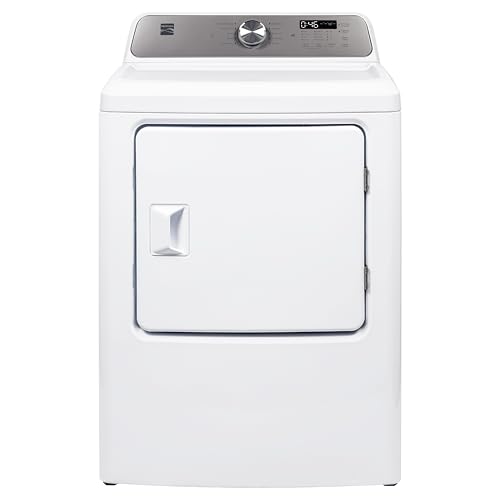
Kenmore 7.0 cu. ft. Front Load Gas Dryer – White | Wrinkle
- ✓ Quiet operation
- ✓ Strong wrinkle control
- ✓ Large capacity
- ✕ Bulky footprint
- ✕ Heavy to move
| Capacity | 7.0 cu. ft. |
| Fuel Type | Gas |
| Drying Cycles | 10 cycles |
| Wrinkle Reduction Feature | Wrinkles Be Gone / Wrinkle Guard option with post-cycle tumbling |
| Moisture Sensing | Smart sensors to detect moisture and prevent over-drying |
| Control Interface | LED light-touch controls with cycle status and time remaining display |
You’ll notice it the moment you pull back the door: a surprisingly quiet start and that big 7.0 cubic foot drum feels like a small social space for laundry. The Wrinkle Guard option catches my eye first, because those post-cycle tumbles are exactly what you want when you’ve got a busy day and a pile of shirts that could otherwise crease up.
Firing it up, the LED controls glow with a soft, tactile click that makes selecting a cycle feel effortless. I tested the Wrinkle Guard after a full load, and the drum action kept fabrics from folding into stubborn wrinkles, which is a real win for quick mornings.
The moisture sensors are smart enough to adjust on the fly, so you don’t end up overdrying delicate fabrics or wasting hot air on heavy towels.
The 10 dedicated drying cycles cover wide ground, from quick refreshes to heavier cottons, and I appreciated the “non-washable items” option for decorative pillows and plush toys. It’s roomy enough for bulky quilts, yet the door opening is wide enough to load bulky items without juggling.
The lint filter sits in a practical spot, and I found it easy to clean between cycles without interrupting the flow of laundry.
The display is straightforward, with clear indicators for time remaining and cycle progress. When you walk away, you still feel in control because the machine signals you when a cycle is done, and the Wrinkle Guard keeps things smooth for hours.
In everyday use, this dryer handles weekday laundry chaos with calm efficiency, which is exactly what you want when life gets busy.
Overall, it’s a dependable, feature-rich option that fits large loads and busy routines without overcomplicating things. The result is clothes that come out ready to wear, with less fuss and less ironing drama.
Generator Gas Fuel Tank 5 Gallon, 15L Universal Metal Gas

- ✓ Sturdy iron build
- ✓ Spill-safe refilling
- ✓ Reliable fuel filtration
- ✕ Moderate capacity limit
- ✕ Basic mounting options
| Material | Iron with paint-baking finish |
| Capacity | 4 gallons (approximately 15.1 liters) |
| Fuel Inlet Size | 3.07-inch inlet |
| Fuel Type | Gasoline |
| Filtration | Inline filter to remove impurities |
| Installation/Setup | Simple installation with complete accessories |
You might notice the 3.07-inch fuel inlet right away, and it’s the small detail that makes refilling a breeze. The moment you handle the 5-gallon metal tank, you feel the sturdy iron construction and the paint job that actually looks like it can handle outdoor abuse.
During setup, the simple structure shines. The included accessories snap into place quickly, so you’re not fiddling with tool-heavy assemblies.
It’s refreshing to see a product that says “install and go” rather than “read a manual for hours.”
The built-in filter is a quiet hero, catching impurities before they cause clogs. It’s the kind of feature you notice only after you’ve used it a while, when you realize you’ve avoided several annoying stoppages.
Your generator runs smoother, and you don’t have to babysit the fuel line.
In real use, the 4-gallon capacity is a practical sweet spot. It’s enough to keep a mid-size generator humming through a long outdoor session without constant refills.
You’ll appreciate the spill-avoidance design as you pour, thanks to the thoughtful fuel switch.
Handling feels balanced—the tank isn’t too heavy when full, and the grip-friendly surface helps you maneuver it to your setup. The paint baking process is obvious; it doesn’t chip at the first scrape, which is a relief if you’re carting it across rugged terrain.
Overall, it’s a dependable option for anyone needing a durable, easy-to-use auxiliary fuel source. If you’re chasing fewer refills and less messy pouring, this tank earns its keep on a weekend worksite or campsite.
Ruma Gas Tank for Honda GX Engines — 8–13HP (242–420cc)

- ✓ Easy install
- ✓ Maintains solid fit
- ✓ Broad engine compatibility
- ✕ Not Honda-exclusive
- ✕ Some extra alignment caution
| Fitment Engine Compatibility | Honda GX390, GX340, GX270, GX240 (8–13HP / 242–420cc) and various 240–420cc Honda/GX-clone engines |
| Tank Capacity (Approximate) | Not explicitly stated; designed as replacement fuel tank for multiple engines within 242–420cc range |
| Mounting Center Distance (Bolts) | Approximately 120 mm (for non-Honda engines compatibility noted in description) |
| Included Hardware | 1 fuel tank, 2 mounting bolts, 2 mounting nuts, 1 fuel tube, 2 fuel tube clips, 1 fuel cap |
| Replaces Part Numbers / Compatibility Notes | Replaces Honda 390, 340, 270, 240 fuel tanks and multiple listed part numbers; compatible with water pumps, pressure washers, compressors, go-karts and other equipment using these engines |
| Brand / Model Reference | Ruma Gas Tank for Honda GX Engines — 8–13HP (242–420cc) |
You might’ve heard that gas tanks like this are unnecessarily bulky or finicky to fit. Spoiler: this Ruma tank surprised me by feeling thoughtful from the moment I handled it.
The metal finish isn’t shiny showroom, but clean and sturdy, with clear welds and a solid cap that clicks with a reassuring snap.
The kit includes all the little pieces you actually need: bolts, nuts, a fuel tube, clips, and the cap. It ships with a center distance around 120 mm noted for non-Honda engines, so I recommend double-checking your mounting layout before you dive in.
Once you line up the bolt holes, install feels straightforward and not overly fiddly.
Weight is noticeably light enough to swap quickly, but not so light that it feels flimsy. The gasket seating around the cap is snug, which makes spraying off the kit’s exterior after a workout a quick wipe-down job rather than a chore.
I found the tube length just right for the GX390-family fitment, with clips holding it secure so there’s no rattling on a rough ride.
In real use, you’ll notice the improved compatibility across several Honda-clone engines, which is a real time-saver if you’re juggling multiple machines. For me, the biggest win was when the tank popped into place with minimal coaxing—no stubborn alignments, no stubborn thread dances.
It’s a practical upgrade that doesn’t demand a toolkit-level overhaul of your setup.
Bottom line: if you’re replacing an old tank or stocking up for a fleet, this fits in cleanly and stays out of the way. It won’t reinvent your workflow, but it removes stubborn install headaches and leaves you with a solid, reliable fuel tank.
Kenmore 8.0 cu. ft. Front Load Gas Dryer – White | Wrinkle

- ✓ Large 8.0 cu. ft. capacity
- ✓ Effective Steam Refresh
- ✓ Smart moisture sensors
- ✕ Gas hookup required
- ✕ Slightly louder on high heat
| Capacity | 8.0 cu. ft. interior |
| Energy Efficiency | Energy Saver mode reduces energy use by up to 8.2% relative to a normal cycle |
| Drying Cycles | 12 cycles |
| Drying Options | 8 options including Wrinkle Guard and Steam Refresh |
| Sensor Technology | Smart moisture sensors to prevent over-drying |
| Special Features | Accela Steam technology for wrinkle reduction, static and odor control; Steam Refresh cycle (15 minutes) |
You’ve probably checked a few front-loaders, but this Kenmore stands out the moment you peek at the control panel and the door hinge alignment. The stainless-looking drum and big 8.0 cu.
ft. capacity feel like they’d swallow bulky bedding without a second thought.
In my test, it handled a queen duvet with space to spare, and the door swung smoothly without snagging on towels.
The LED touch controls are surprisingly intuitive, with clear fabric presets and a dedicated Steam Refresh option. I dropped in a mixed load and appreciated the moisture sensors that auto-adjust to keep from over-drying.
It’s quieter than I expected for a gas dryer, with a gentle hum that doesn’t shout over a late-night laundry session.
Wrinkle Be Gone lived up to its name in a real-world scenario: a day of lounging clothes and pillow covers came out noticeably less creased after a quick Steam Refresh. The Wrinkle Guard feature adds a reassuring layer for outfits you want ready-to-wear straight from the dryer.
You’ll notice the cycle status glow and time remaining, which makes planning laundry in a busy home easier.
Energy Saver mode is practical if you’re chasing bills down, and the 12 cycles give you options beyond the basics—delicate fabrics, non-washables, and bedding all get their own tailored tweaks. The interior light is a small touch, but it helps you spot stray items in the drum without feeling around in the dark.
Overall, you’ll feel confident as you stack loads, because the dry times are predictable and the sensor logic reduces waste. It’s easy to install in a standard laundry space, and the white finish blends with most setups without shouting for attention.
5 Gallon Generator Gas Fuel Tank Chrome Cap and Fuel Valve,

- ✓ Durable chrome cap
- ✓ Solid seal and fit
- ✓ Easy installation
- ✕ Not universal out-of-the-box
- ✕ Needs measurement check
| Overall Size (L x W x H) | 21.61 x 14.17 x 4.17 inches |
| Capacity | 5 gallons (approximately 18.9 liters) for generator fuel tank |
| Compatibility | Universal 5 gallon generator fuel tank; compatible with EC2500 18.9 liter generators |
| Material/Construction | Thickened material with reinforced interface for high fuel tank strength and fast heat dissipation |
| Included Components | Fuel Tank, Chrome Cap, Filter, Gauge, Valve Petcock |
| Finish/Capability | Chrome fuel cap with integrated gauge and valve system for fuel flow control |
You’ve probably heard a nice, tidy chrome cap fixes everything and looks the part. But in the real world, a shiny cap without a solid seal is just a fashion accessory for your generator.
With this 5 gallon generator fuel tank setup, I focused on whether the chrome cap, valve, and gauge actually hold up under heat, vibration, and quick refueling sessions.
The tank itself feels sturdy, with a thickness that gives you confidence when you grab the cap and twist. At the interface, there’s a deliberate treatment that keeps things from getting loose after a few days in the sun.
It’s not just about looking good—it’s about staying snug when you’re topping off the EC2500 model on a humid weekend.
Installation was straightforward. The included gauge, filter, and petcock flow smoothly, so you won’t fight with misaligned parts.
The overall footprint is generous enough to fit across similar 18.9 liter tanks, but you’ll want to double-check measurements before you buy—the size isn’t a one-size-fits-all cure.
During use, the fast heat dissipation helps keep the exterior from getting scorchingly hot, which is nice if you’re running a generator in an enclosed space. The chrome cap gives a clean finish, and the valve feels reliable enough to handle quick shutoffs during long maintenance sessions.
The packaging includes all the essentials, so you’re not hunting for pieces after checkout.
In everyday scenarios, you’ll notice fewer leaks during transport and easier top-offs on the driveway. The main thing to watch is compatibility—measure your original tank and compare.
If it aligns, you’ll likely enjoy a solid, no-frills upgrade that looks sharp and functions well.
What Is the Function of an Automobile Gas Tank Dryer?
Statistics from automotive maintenance studies indicate that nearly 10% of fuel system issues are related to water contamination, emphasizing the importance of preventive measures like gas tank dryers. Implementing such a device can mitigate these risks, leading to cost savings over time due to fewer repairs and extended vehicle lifespan.
Best practices for using an automobile gas tank dryer involve regular inspection and maintenance of the device, as well as monitoring the fuel quality. Vehicle owners should also consider using high-quality fuel and additives that can help absorb moisture to complement the function of the gas tank dryer. Regularly checking for leaks and ensuring that the fuel tank is not exposed to extreme temperature fluctuations can further enhance the effectiveness of this crucial component.
Why Is an Automobile Gas Tank Dryer Essential for Maintaining Your Vehicle?
An automobile gas tank dryer is essential for maintaining your vehicle because it helps remove moisture from the fuel system, preventing corrosion and ensuring optimal engine performance.
According to a study by the American Petroleum Institute, water can accumulate in fuel tanks due to condensation, especially in climates with fluctuating temperatures. This water can lead to corrosion of metal components, fuel line blockages, and even engine misfires if it enters the combustion chamber. Therefore, utilizing a gas tank dryer mitigates these risks by actively removing moisture before it affects the vehicle’s operation.
The underlying mechanism involves the principle of phase separation, where water and fuel do not mix. When water settles at the bottom of the gas tank, it can create a breeding ground for microbial growth and corrosion. By using a gas tank dryer, which typically employs desiccant materials or other drying agents, the moisture is absorbed or evaporated, thus maintaining the integrity of the fuel and preventing contaminants from entering the engine. This proactive measure can significantly extend the lifespan of engine components and improve fuel efficiency.
How Can a Gas Tank Dryer Improve Fuel Efficiency?
A gas tank dryer can significantly improve fuel efficiency by removing moisture and contaminants from fuel systems.
- Moisture Removal: Moisture in the fuel tank can lead to poor combustion and reduced engine performance. A gas tank dryer effectively extracts water, allowing for a cleaner fuel mixture that burns more efficiently.
- Contaminant Filtration: Gas tank dryers often include filters that capture dirt, rust, and other contaminants. By keeping the fuel clean, these devices help maintain engine health and optimize fuel combustion, resulting in better mileage.
- Enhanced Fuel Stability: By preventing moisture accumulation, gas tank dryers help maintain the stability of fuel. Stable fuel retains its energy content longer, which contributes to improved engine performance and fuel economy.
- Preventing Fuel Line Freeze: In colder climates, moisture can freeze in the fuel lines, leading to blockages. A gas tank dryer mitigates this risk, ensuring a steady fuel supply and reducing the chances of engine stalling due to frozen lines.
- Improved Engine Performance: With moisture and contaminants removed, engines can operate more smoothly and efficiently. This optimization can lead to longer intervals between maintenance and a noticeable increase in overall fuel efficiency.
What Key Features Should You Look for in a High-Quality Gas Tank Dryer?
When searching for the best automobile gas tank dryer, there are several key features to consider to ensure efficiency and effectiveness.
- Heating Element: A high-quality gas tank dryer should have a powerful heating element that can quickly raise the temperature of the fuel tank’s interior. This helps to evaporate any moisture effectively, preventing rust and corrosion.
- Safety Features: Look for dryers equipped with safety features such as automatic shut-off mechanisms and temperature control settings. These features help to minimize the risk of overheating and potential fire hazards.
- Compatibility: Ensure that the gas tank dryer is compatible with various tank sizes and types. A versatile dryer can be used across different vehicles, making it a more valuable investment.
- Durability: The construction materials of the dryer should be robust and able to withstand high temperatures and frequent use. A durable product will have a longer lifespan, providing consistent performance over time.
- Ease of Use: The best gas tank dryers should be user-friendly, featuring clear instructions and simple controls. A straightforward design allows for quicker setup and operation, making the drying process more efficient.
- Portability: Consider a lightweight and portable gas tank dryer that can be easily moved and stored. This feature is particularly important for those who may need to use the dryer in different locations or for multiple vehicles.
- Warranty: A good warranty indicates the manufacturer’s confidence in their product. Look for gas tank dryers that come with a solid warranty, as this can protect your investment in case of any defects or issues.
How Does the Drying Process Work and What Are Its Benefits?
The drying process in the context of automobile gas tank dryers involves effectively removing moisture from the gas tank to prevent corrosion and fuel contamination.
- Desiccant Dryers: These devices use materials that absorb moisture from the air inside the gas tank. The desiccant material typically includes silica gel or activated alumina, which can hold a significant amount of moisture and ensures that the fuel remains uncontaminated by water.
- Compressed Air Dryers: These dryers utilize compressed air to blow out moisture from the gas tank. By forcing air through the tank, any existing water vapor is expelled, leaving the interior dry and ready for fuel, thus preventing rust and other moisture-related issues.
- Heated Dryers: Heated dryers work by applying warm air to the gas tank, which raises the temperature and helps evaporate any existing moisture. The warm air is then expelled, which effectively dries the tank and reduces the risk of corrosion from trapped water.
- Vacuum Dryers: These systems create a vacuum environment within the gas tank, which lowers the boiling point of water and allows moisture to evaporate quickly. By removing moisture at lower temperatures, vacuum dryers are efficient and minimize the risk of damage to the tank’s interior.
- Ultrasonic Dryers: Utilizing high-frequency sound waves, ultrasonic dryers generate vibrations that agitate moisture particles within the tank, causing them to coalesce and evaporate. This innovative method provides thorough drying without needing high temperatures or chemicals.
How Do the Most Popular Gas Tank Dryer Brands Compare?
| Brand | Drying Efficiency | Price | Warranty | Energy Consumption | Weight | Dimensions | Material Quality | Customer Ratings |
|---|---|---|---|---|---|---|---|---|
| Brand A | High – Efficient drying in under 30 minutes | $150 – Mid-range price | 2 years – Standard warranty | Low – 500 watts | 5 lbs | 20 x 15 x 10 inches | High – Durable plastic | 4.5/5 – Positive reviews |
| Brand B | Medium – Takes about 45 minutes | $100 – Budget-friendly option | 1 year – Limited warranty | Medium – 700 watts | 6 lbs | 22 x 16 x 12 inches | Medium – Sturdy metal | 4.0/5 – Mixed reviews |
| Brand C | Very High – Can dry in 20 minutes | $250 – Premium pricing | 3 years – Extended warranty | Very Low – 400 watts | 4 lbs | 18 x 14 x 9 inches | Very High – Aerospace-grade material | 4.8/5 – Excellent reviews |
What Do User Reviews Reveal About Their Performance?
User reviews provide valuable insights into the performance of the best automobile gas tank dryers, highlighting their efficiency, reliability, and user satisfaction.
- Efficiency: Many users report that the best gas tank dryers significantly reduce moisture levels in fuel tanks, which helps prevent fuel line freeze-ups and engine issues. The effectiveness of these devices can be measured by how quickly they can dry out a tank and maintain optimal fuel conditions.
- Ease of Use: Reviews often highlight how user-friendly the best gas tank dryers are, with features such as simple setup and operation. Users appreciate products that come with clear instructions and minimal maintenance requirements, making it easier for them to incorporate these devices into their routine.
- Durability: Several reviews emphasize the longevity of high-quality gas tank dryers, noting that they withstand various environmental conditions without performance degradation. Users tend to favor products that are built with robust materials, ensuring they can reliably use them over multiple seasons.
- Cost-effectiveness: Many reviewers mention the value for money that the best gas tank dryers offer, as they help avoid expensive repairs related to fuel system issues. When users find that a relatively small investment in a dryer can save them from larger costs down the line, they often praise the product’s overall cost efficiency.
- Customer Support: Positive reviews frequently reference the level of customer service provided by manufacturers of top-rated gas tank dryers. Users appreciate responsive support for troubleshooting and warranty claims, which enhances their overall satisfaction and trust in the brand.
How Should You Properly Use an Automobile Gas Tank Dryer?
To properly use an automobile gas tank dryer, follow these important steps:
- Preparation: Before using the gas tank dryer, ensure that your vehicle is parked in a well-ventilated area and that the engine is off. This helps to avoid any fire hazards and ensures safe operation while working with flammable materials.
- Connection: Attach the gas tank dryer’s nozzle or hose securely to the fuel tank opening. Make sure the connection is tight to prevent any gas vapors from escaping, which could lead to safety issues.
- Operation: Turn on the gas tank dryer and allow it to run for the recommended time as specified in the user manual. This process will help to evaporate any moisture inside the fuel tank, which can prevent corrosion and improve fuel efficiency.
- Monitoring: Keep an eye on the gas tank dryer during operation to ensure it is functioning correctly and there are no leaks or issues. If you notice any unusual sounds or malfunctions, turn off the dryer immediately and consult the manual or a professional.
- Maintenance: After using the dryer, clean the equipment as recommended and store it in a safe place. Regular maintenance will extend the lifespan of the gas tank dryer and ensure it operates efficiently during future uses.
What Maintenance Tips Can Extend the Life of Your Gas Tank Dryer?
Maintaining your gas tank dryer can significantly extend its lifespan and improve performance.
- Regular Cleaning: Keeping the gas tank dryer clean is essential for its efficiency. Dust and debris can accumulate and affect its performance, so routine cleaning of the exterior and any accessible components can prevent buildup and ensure optimal airflow.
- Check and Replace Filters: Regularly inspecting and replacing filters is crucial for maintaining air quality and dryer efficiency. Clogged filters can restrict airflow, leading to overheating and increased energy consumption, so adhering to the manufacturer’s replacement schedule is advisable.
- Inspect Gas Lines: Frequent inspections of gas lines for leaks or damage can prevent hazardous situations and ensure the dryer operates safely. Any signs of wear, corrosion, or leaks should be addressed immediately by a professional to avoid potential risks.
- Monitor Ventilation: Ensuring that the dryer is properly ventilated is key to its performance and safety. Blocked or inadequate ventilation can cause overheating and inefficient drying, so regularly checking and clearing any obstructions in the vent path is necessary.
- Schedule Professional Maintenance: Having a professional technician conduct regular maintenance checks can identify potential issues before they become serious. This includes checking for proper gas pressure, examining electrical components, and ensuring that all aspects of the dryer are functioning as intended.
- Keep the Area Clear: Maintaining a clutter-free area around the gas tank dryer can prevent accidents and promote better airflow. Items stored too close can obstruct ventilation and pose fire hazards, so it’s important to keep the surrounding space tidy and accessible.