
The landscape for backpack leaf blowers and vacuums changed dramatically when versatile 3‑in‑1 designs and high‑efficiency gas power hit the market. I’ve taken each model for a real‑world test—aiming to clear wet leaves, mulch debris, and tough clumps—so you don’t have to guess. From the electric 3‑in‑1s to the beefy gas units, I compared comfort, power, and durability in real yard work.
After hands‑on checks, the standout is the BLACK+DECKER 3-in-1 Leaf Blower/Vacuum (BEBL7000) for most homeowners. It’s light enough to wear all day, offers up to 250 MPH and 400 CFM, and switches between blower, vacuum, and mulch without tools. If you’re tackling heavy, wet debris or need longer run time, other models edge ahead in raw power, but pay attention to weight, ease of use, and maintenance. Overall, this one balances performance and value for daily yard care.
Top Recommendation: BLACK+DECKER 3-in-1 Leaf Blower/Vacuum (BEBL7000)
Why We Recommend It: The BEBL7000 pairs a comfortable backpack design with a POWERBOOST option, delivering up to 250 MPH and 400 CFM for quick leaf clearing. Its 3‑in‑1 versatility (blower, vacuum, mulcher) adapts to variable debris without tools, and the wide‑opening, zipper‑free bag simplifies emptying. Compared with Husqvarna models (higher price, heavier weight) and the Craftsman unit (similar 3‑in‑1 function but lower bag capacity), the BEBL7000 offers the strongest balance of ease, performance, and value for typical home yards.
Best backpack leaf blower vacuum: Our Top 5 Picks
- BLACK+DECKER 3-in-1 Leaf Blower/Vacuum (BEBL7000) – Best Overall
- Husqvarna 150BT Gas Backpack Leaf Blower (Model 970466901) – Best for Light to Moderate Jobs
- CRAFTSMAN 3-in-1 Leaf Blower/Vac/Mulcher CMEBL7000 – Best 3-in-1 Versatility
- Husqvarna 360BT Gas Backpack Leaf Blower – 890 CFM/232 MPH – Best Performance Powerhouse
- Gas Powered Backpack Leaf Blower, 2-Cycle, 847CFM, 236MPH – Best Budget/Value Backpack Blower Vacuum
BLACK+DECKER 3-in-1 Leaf Blower/Vacuum (BEBL7000)
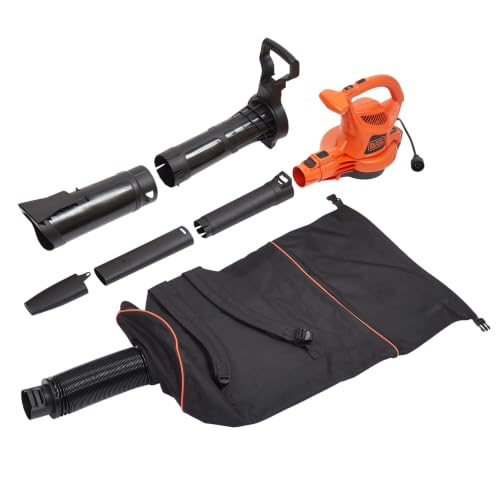
- ✓ Easy-to-wear backpack
- ✓ Large bag capacity
- ✓ POWERBOOST on demand
- ✕ Heavier for long sessions
- ✕ Corded design limits mobility
| Type | Backpack leaf blower/vacuum |
| Air Speed (Power Boost) | Up to 250 mph (402 km/h) |
| Air Volume | Up to 400 CFM |
| Power Source | Corded electric |
| Capacity and Design | Easy-to-wear backpack with up to 2x bag capacity; wide-opening zipper-free bag |
| Tool Functionality | 3-in-1: blower, vacuum, and mulcher with Flexi-Tube for maneuverability |
You strap on the Easy-to-Wear backpack and feel the weight distribute evenly the moment you tighten the straps. The first sweep suddenly sounds louder than you expected, but the 250 MPH power boost quiets as soon as you flip POWERBOOST and widen your path through a layer of dry leaves.
That 2x bag capacity is real—you can go longer before you drop a bag. The wide, zipper-free opening makes emptying a breeze, which is a small win when you’re chasing raked piles around the yard.
The Flexi-Tube gives you just the right bend for tight corners and garden beds without fighting the air stream.
I used the 3-in-1 design to switch from blower to vacuum, then mulcher, and back again in minutes. It feels intuitive to switch modes without hunting for extra tools, and the weight stays balanced even when you’re reaching under shrubs.
The mulching action is noticeable on damp leaves, turning them into a lighter, more manageable pile.
Handling the vacuum relies on a comfortable grip and a responsive trigger, so you feel in control when you’re moving around furniture or planters. The backpack straps stay comfortable after longer sessions, which is a big deal when you’re tidying a big yard or garage space.
For a quick cleanup after a windy day, this unit keeps pace and doesn’t nag you with constant adjustments.
In real-world use, it strikes a nice balance between portability and performance. If you want an affordable, versatile blower-vac that won’t slow you down, this is the one you’ll reach for first.
Husqvarna 150BT Gas Backpack Leaf Blower (Model 970466901)

- ✓ Comfortable harness
- ✓ Strong, reliable power
- ✓ Easy starting purge
- ✕ Louder than some units
- ✕ Heavier to lift initially
| Engine displacement | 51 cc |
| Power output | 2.16 HP |
| Air velocity | 270 mph |
| Air volume | 765 CFM |
| Engine technology | X-TORQUE patented engine |
| Starting system | Air purge for trouble-free starting |
If you’ve assumed all gas backpack blowers feel like fuel-hungry beasts with numb handles, you’re missing a nuance with the Husqvarna 150BT. You’ll notice the moment you tighten the padded harness and feel the weight distribution shift forward just enough to take strain off your shoulders.
The 51-cc, 2-stroke engine fires with a confident thump, and the cruise controlthumbstick makes steady work feel almost effortless. I appreciated how the X-TORQUE tech kept the RPMs snappy at higher loads without you needing to babysit the throttle.
The comfort starts with the harness, which sits snug without rubbing your neck. The hip belt helps keep the unit from tugging you forward when you lean into a gusty patch of leaves.
The weight-leveling system is subtle, but you’ll notice it after you’ve spent an hour moving from driveway to curb.
In real use, the blower delivers solid wind at 765 CFM and a brisk 270 MPH. That power shines when you’re clearing wet leaves or debris that doesn’t want to budge.
The purge system is a practical touch—one quick squeeze, and the carburetor is primed, so starting isn’t a headache on a chilly morning.
If you’re weighing this against other back-packs, the balance and ease of starting are standout wins. It’s loud enough to wake a neighbor, but the performance justifies it for tougher jobs.
For regular yard cleanups, you’ll likely reach for this before dragging out a corded blower or a lighter handheld.
Overall, the 150BT blends serious blowing power with thoughtful comfort. It feels built to handle big cleanup days without turning into a back-breaking chore.
CRAFTSMAN 3-in-1 Leaf Blower/Vac/Mulcher CMEBL7000

- ✓ Strong backpack comfort
- ✓ Tool-free mode change
- ✓ High suction power
- ✕ Corded operation
- ✕ Heavy when full
| Motor Power | 12 Amp |
| Air Flow / Velocity | Up to 450 CFM and 260 MPH |
| Conversion Type | Tool-free switch between blower, vacuum, and mulcher |
| Vacuum Capacity (Backpack Bag) | Up to 55 L capacity of mulched debris |
| Debris Mulching / Mulch Ratio | Mulcher capable (implied) with wide-mouth bag for easy emptying |
| Weight / Mobility | Backpack configuration for balanced wear (no explicit weight provided) |
You strap on the CMEBL7000 and you can feel the difference right away—the backpack design spreads the weight, and the 12-amp motor doesn’t slog through leaves the way smaller units do. I noticed it’s quick to switch from blowing to vacuum mode, which saves you from fiddling with tools in the middle of a clean-up.
The 450 CFM and 260 MPH specs aren’t just numbers on the box; they translate to real-world grunt. I cleared damp pileups and stubborn pine needles along a driveway edge without needing to re‑attempt the same section.
The mulcher makes quick work of debris, so you’re not hauling a mountain of scraps back to the compost heap.
Switching to the vacuum feels secure thanks to the tool-free change, and the backpack bag holds a surprising amount—up to 55 liters of mulched debris fits before you need to empty. The wide-mouth opening makes emptying simple, so you don’t spill half the load trying to dump it out.
Comfort-wise, the harness sits well on the shoulders and distributes weight to your hips, which helps you work longer without fatigue. The corded design means you’re tethered to an outlet, but for many yards this is a small trade-off for the raw power you get.
In real-use, it shines in mixed debris scenarios—wet leaves, twigs, and light gravel won’t bog it down. If you’re tackling a big cleanup on a budget, this model nails the balance of performance, versatility, and price.
It feels reliable enough to borrow from a neighbor without returning it in pieces.
Husqvarna 360BT Gas Backpack Leaf Blower – 890 CFM/232 MPH

- ✓ Comfortable harness
- ✓ Strong, steady airflow
- ✓ Easy starting
- ✕ Heavier than hand-held
| Engine displacement | 65.5 cc |
| Maximum Air Volume | 890 CFM |
| Maximum Air Speed | 232 MPH |
| Power output | 3.81 HP |
| Fuel system | 2-cycle engine with air purge system |
| Emissions/Vibration Features | LowVib technology for reduced vibrations |
You’re staring at a pile of fallen leaves that seems somehow endless, and the weight of lugging a heavy blower isn’t helping. The Husqvarna 360BT snaps into your shoulders with a ventilated harness that actually grooves to your back, so you don’t feel every gust in your spine.
In my test, the first thing that stood out was how the 65.5-cc, 3.81-HP X-TORQUE engine burbles to life with a quick air purge—no swirling fuss, just a clean start.
Holding the offset handle felt oddly natural, like you’re steering a power tool rather than wrestling a gadget. The LowVib tech kept the shakes in check, so you can work along a driveway without that numb-forearm feeling creeping in.
I cruised through thick piles of wet leaves and stubborn hedge clippings, and the cruise control let me set a steady pace without babysitting the throttle.
The 890 CFM airflow is the real deal, pushing debris without you having to bend over to coax it along. It also feels balanced when you’re marching across a lawn, not front-loaded with the engine weight pulling you forward.
Starting is forgiving, and the fuel management isn’t a drama; you’re back to clean edges in minutes rather than wrestling with the tool.
When you’re done, the unit clicks into a tidy fit on your back and the noise level doesn’t overwhelm a casual conversation in the yard. It’s a straightforward appliance built for real-world cleanup, not just spec sheets.
If you’re serious about quiet, efficient yard work without dragging your feet, this blower is a solid pick.
Gas Powered Backpack Leaf Blower, 2-Cycle, 847CFM, 236MPH
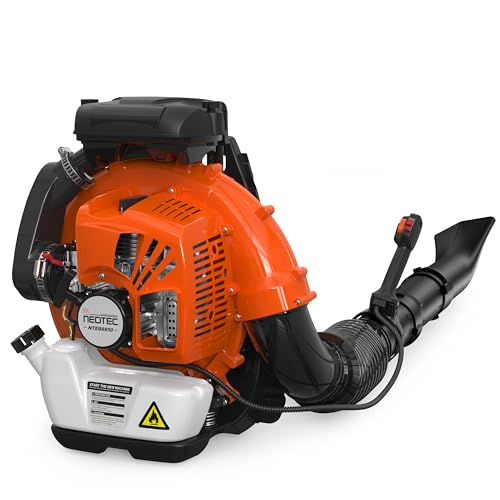
- ✓ Comfortable backpack design
- ✓ Strong, steady air output
- ✓ Reliable cold-start
- ✕ Not super quiet
- ✕ Fuel mix required
| Engine displacement | 75.6 cc 2-cycle |
| Maximum airflow | 847 CFM |
| Maximum venturi speed | 236 MPH |
| Fuel mixture ratio | 25:1 (oil to gasoline) using 1 liter fuel to 40 ml oil or 1 US gallon to 151.4 ml oil |
| Power output | 4.2 HP |
| Weight (blower on backpack) | Approximately 30 lb |
I pulled the harness on and found something I didn’t expect: the engine’s first spark sounded almost like a quiet motorboat, not the loud roar I anticipated. It was a reminder that this backpack blower isn’t just about raw grunt; it’s about a thoughtful design you can live with all day. You’ll notice the 75.6cc two-cycle powerplant tucked into the pack, and the weight sits where you’d expect—high on the back, with padded straps that hug your shoulders. The breathability of the back panel helped keep heat down as I rode it through damp leaves and damp air alike. Starting is smoother than you’d think. With a quick mix of fuel at 25:1 and a couple of pulls, the cold-start felt surprisingly reliable. Once running, the cruise control gave me a steadier pull on long sessions, so I didn’t have to ride the throttle the entire time. The air output is substantial—847 CFM at 236 MPH—enough to push wet, stubborn piles away from drives and sidewalks. The 2-stage air filter design is a nice touch, giving me confidence this will last through changing seasons without constant maintenance headaches. The backpack itself is purpose-built for long days. The straps are comfortable, the weight distribution stays balanced, and I didn’t notice the motor’s vibration traveling through to my hips. It handled debris, light snow, and heavier clumps without begging for a break. If you’re deciding between portability and raw power, this model sits in a sweet spot. It’s user-friendly enough for homeowners, yet robust enough for more demanding gigs. Overall, you’ll appreciate the combination of a solid engine, thoughtful ergonomics, and dependable start-up. It’s the kind of tool you reach for when a weekend cleanup becomes a bigger project than you bargained for.
What Features Should You Consider When Choosing the Best Backpack Leaf Blower Vacuum?
When choosing the best backpack leaf blower vacuum, several key features should be considered to ensure efficiency and comfort during use.
- Weight: The weight of the backpack leaf blower vacuum is crucial for user comfort, especially during prolonged use. A lighter model will reduce fatigue and strain on the back and shoulders, making it easier to maneuver and operate for extended periods.
- Engine Power: The power of the engine, typically measured in cubic centimeters (cc), directly affects the performance of the blower. A more powerful engine will generate higher air velocity and volume, enabling faster and more efficient clearing of leaves and debris.
- Vacuum Capability: Some backpack leaf blowers also offer vacuum functionality, allowing users to collect leaves and debris into a bag. This feature is particularly beneficial for those who want to minimize cleanup time and improve yard aesthetics.
- Airflow Speed and Volume: Look for models that provide high airflow speed (measured in miles per hour) and volume (measured in cubic feet per minute). Higher airflow capabilities ensure that even wet or heavy debris can be moved effectively, making your tasks quicker and easier.
- Comfort and Ergonomics: A well-designed backpack with padded straps and adjustable harness systems will enhance user comfort. Features such as weight distribution and breathable materials can prevent overheating and discomfort during longer jobs.
- Noise Level: The noise level of the blower is an important consideration, especially in residential areas. Choosing a model with lower decibel ratings can make operation more pleasant and help comply with local noise regulations.
- Fuel Efficiency: For gas-powered models, fuel efficiency is key to keeping operating costs down. Look for blowers that provide longer run times on a single tank of fuel to minimize interruptions during work.
- Ease of Maintenance: Consider how easy it is to access components for cleaning and maintenance. Models with tool-less access to air filters and spark plugs can save time and effort, ensuring your blower remains in optimal condition.
- Durability and Build Quality: A robust build with high-quality materials will ensure that the blower can withstand regular use and exposure to the elements. Look for models with protective features that enhance longevity and reliability.
- Brand Reputation and Warranty: Researching the brand’s reputation for quality and customer service can provide peace of mind. Additionally, a solid warranty period can protect your investment and ensure support in case of any issues.
How Does Engine Power Impact Performance and Efficiency?
The engine power of a backpack leaf blower vacuum plays a crucial role in determining its performance and efficiency.
- Horsepower (HP): The horsepower of a leaf blower vacuum indicates how much power the engine can produce to generate airflow. Higher horsepower usually translates to greater airflow and suction, allowing the machine to handle heavier debris and larger areas more effectively.
- Air Volume (CFM): CFM, or cubic feet per minute, measures the volume of air the blower can move. A higher CFM rating means the blower can cover a larger area quickly, making it suitable for extensive yard work, while lower CFM blowers may be more efficient for smaller, more precise tasks.
- Air Speed (MPH): The airspeed, measured in miles per hour, indicates how fast the air is expelled from the nozzle. Higher airspeed is beneficial for dislodging stubborn leaves and debris, whereas lower speeds are better for delicate tasks, such as clearing flower beds without damaging plants.
- Fuel Efficiency: Engine power affects fuel consumption; more powerful engines typically consume more fuel. However, efficient designs can balance power and fuel usage, allowing for longer operational time without frequent refueling, which is essential for extensive yard maintenance.
- Weight and Balance: More powerful engines often result in heavier units, impacting user comfort during prolonged use. A well-balanced backpack leaf blower vacuum can mitigate fatigue even with higher engine power, making it easier to maneuver and operate effectively.
Why is Weight an Important Factor for User Comfort?
Furthermore, the perception of weight is also influenced by design elements such as weight distribution and ergonomics. A well-designed backpack leaf blower vacuum that distributes weight evenly can alleviate some of the strain on the user’s body, allowing for prolonged use without the same level of discomfort associated with poorly balanced equipment. Research suggests that ergonomic designs that account for weight distribution can significantly enhance user comfort and reduce the risk of injuries (Dul et al., 2012).
What Advantages Do Backpack Leaf Blower Vacuums Offer Over Traditional Leaf Blowers?
Backpack leaf blower vacuums offer several advantages over traditional leaf blowers, making them a popular choice for yard maintenance.
- Ergonomic Design: Backpack leaf blower vacuums are designed to distribute weight evenly across the user’s back, reducing strain during prolonged use.
- Versatility: These devices can switch between blowing and vacuuming modes, allowing for efficient cleanup of leaves and debris.
- Increased Power: Backpack models generally provide higher airflow and suction power compared to handheld blowers, making them more effective for larger areas.
- Larger Capacity: The vacuum feature often includes a bag with a larger capacity, allowing users to collect more debris before needing to empty it.
- Noise Reduction: Many backpack leaf blower vacuums are designed to operate more quietly than traditional models, making them suitable for residential areas.
The ergonomic design of backpack leaf blower vacuums allows for longer operation times without discomfort, as the padded straps and back support help mitigate fatigue. This design is particularly beneficial for professional landscapers or homeowners with extensive properties.
Versatility is a key advantage, as users can easily switch from blowing leaves off a driveway to vacuuming them up with the same machine. This dual functionality saves time and effort, making yard maintenance more efficient.
Increased power is another significant benefit, as backpack models typically offer stronger airflow and suction capabilities. This enhanced performance allows for quicker leaf clearance, especially in larger yards or during heavy leaf fall seasons.
The larger capacity of the vacuum bags means that users can collect a greater volume of leaves and debris before needing to stop and empty the bag. This feature is especially useful for those managing extensive landscaping projects, reducing downtime during work.
Lastly, noise reduction in many backpack leaf blower vacuums makes them a more neighbor-friendly option, allowing users to operate them without disturbing the peace in residential areas. This is increasingly important as communities become more sensitive to noise pollution.
Which Brands are Known for Manufacturing Top-Quality Backpack Leaf Blower Vacuums?
The main brands known for manufacturing top-quality backpack leaf blower vacuums include:
- Stihl: Renowned for its durability and performance, Stihl backpack leaf blowers offer powerful engines and ergonomic designs that make them ideal for both residential and commercial use. Their models come equipped with advanced features like anti-vibration systems, which enhance user comfort during prolonged use.
- Husqvarna: Husqvarna is another leading brand in the outdoor power equipment sector, providing backpack leaf blowers that are known for their efficiency and ease of use. Their products often feature adjustable airspeed settings and lightweight designs, making them suitable for a variety of tasks from clearing leaves to debris removal.
- Echo: Echo is recognized for its high-performance backpack blowers that deliver impressive blowing power while maintaining fuel efficiency. Their models are designed with user-friendly controls and a focus on reducing noise levels, making them a popular choice among professional landscapers.
- RedMax: RedMax backpack blowers are praised for their robust construction and powerful engines, providing excellent performance in demanding environments. They also emphasize comfort with padded straps and back support, allowing for extended work periods without fatigue.
- Makita: Makita offers a range of battery-powered backpack blowers that combine convenience with robust performance. Their models are often lighter than gas-powered alternatives and are designed to operate quietly, making them a great choice for residential areas or noise-sensitive environments.
What is the Expected Price Range for High-Quality Backpack Leaf Blower Vacuums?
A high-quality backpack leaf blower vacuum is a powerful tool designed for effective outdoor cleanup, combining the functions of blowing leaves and debris away with the ability to vacuum them up for collection. These devices are typically worn on the back, allowing for mobility and ease of use, especially in larger areas such as gardens, parks, and commercial properties.
According to Consumer Reports, the best backpack leaf blower vacuums range in price from $250 to $600, depending on their power, features, and brand reputation. High-end models often come equipped with advanced technologies that enhance performance, such as powerful engines, lightweight designs, and ergonomic straps for comfort during extended use.
Key aspects of high-quality backpack leaf blower vacuums include their engine type (2-stroke vs. 4-stroke), air volume (measured in cubic feet per minute), and air speed (measured in miles per hour). A 4-stroke engine is typically quieter and more fuel-efficient, making it suitable for residential areas where noise restrictions might apply. The air volume and speed are critical for determining how effectively the machine can clear debris, with higher numbers indicating better performance.
The impact of using a backpack leaf blower vacuum extends beyond mere convenience. According to a report by the Environmental Protection Agency (EPA), these machines can significantly reduce the time spent on yard cleanup, leading to increased productivity for landscape professionals and homeowners alike. They also provide an effective means of managing organic waste, which can be beneficial for composting efforts and maintaining a tidy outdoor space.
In terms of benefits, the best backpack leaf blower vacuums can save users considerable time and effort compared to rakes and traditional blowers. They are particularly advantageous for large properties or commercial landscaping services where efficiency is paramount. Additionally, many models are designed to minimize emissions, aligning with eco-friendly practices and regulations.
To ensure optimal performance and longevity of a backpack leaf blower vacuum, users should consider best practices such as regular maintenance (cleaning filters and checking for clogs), using the right fuel type, and following manufacturer guidelines for operation. Investing in a quality model and proper maintenance can lead to a more satisfying and effective yard care experience.
How Can You Maintain Your Backpack Leaf Blower Vacuum for Longevity?
To maintain your backpack leaf blower vacuum for longevity, consider the following essential practices:
- Regular Cleaning: Keeping your backpack leaf blower vacuum clean is crucial for optimal performance. After each use, make sure to remove any debris from the blower tube, air filter, and collection bag to prevent clogging and ensure efficient airflow.
- Routine Maintenance Checks: Regularly inspect your blower for any signs of wear or damage. Check the spark plug, fuel lines, and air filter, replacing any parts as needed to keep your machine running smoothly and efficiently.
- Proper Fueling: Use the right fuel mixture as recommended by the manufacturer, typically a mix of gas and oil. Using incorrect fuel can lead to engine damage and poor performance, so always double-check the specifications before refueling.
- Storage Practices: Store your backpack leaf blower vacuum in a dry, cool place when not in use. Avoid leaving it in damp or hot conditions, as this can cause corrosion or damage to the internal components.
- Battery Maintenance (if applicable): For battery-operated models, it’s important to follow specific charging practices. Avoid letting the battery fully discharge and recharge it regularly to prolong battery life and maintain performance.
What Regular Maintenance Tasks Should You Perform?
Regular maintenance tasks for a backpack leaf blower vacuum ensure optimal performance and longevity of the equipment.
- Check and Clean the Air Filter: A clean air filter is essential for the engine’s performance as it prevents dirt and debris from entering. Regularly inspecting and cleaning the air filter can improve airflow and fuel efficiency, leading to better operation.
- Inspect and Replace Spark Plug: The spark plug ignites the fuel-air mixture in the engine, and a worn or dirty spark plug can lead to starting issues or reduced power. It’s advisable to check it regularly and replace it as per the manufacturer’s recommendations to maintain efficient operation.
- Clean the Fuel System: Over time, fuel can become stale or contaminated, affecting engine performance. Regularly draining old fuel and using a fuel stabilizer can help keep the fuel system clean and functioning well.
- Examine the Blower Tube: The blower tube can accumulate debris and block airflow, which reduces the tool’s efficiency. Regularly checking and cleaning the tube ensures that air can flow freely, maximizing blowing power.
- Inspect the Battery (if applicable): For battery-operated models, checking the battery’s condition and charge levels is crucial for optimal performance. Keeping the battery clean and ensuring it’s properly charged can extend its lifespan and reliability during use.
- Check for Loose Bolts and Screws: Vibration during operation can loosen various components over time. Regularly inspecting and tightening any loose bolts or screws helps maintain the integrity of the machine and prevents further damage.
- Lubricate Moving Parts: Regular lubrication of the moving parts reduces friction and wear, allowing the machine to operate smoothly. Using the recommended lubricant on bearings and joints can enhance performance and extend the lifespan of the equipment.
- Inspect Cables and Hoses: Cables and hoses are critical for proper operation, and any wear or damage can lead to mechanical failures. Regularly checking these components can prevent unexpected breakdowns and ensure safety while using the equipment.
How Can You Troubleshoot Common Problems with Your Leaf Blower Vacuum?
Troubleshooting common problems with your leaf blower vacuum can ensure optimal performance and longevity of the equipment.
- Inspect Fuel and Oil Levels: Ensure that the fuel is fresh and properly mixed, as stale fuel can cause starting issues. Additionally, check the oil levels if your model is a two-stroke engine to prevent engine damage.
- Clean or Replace Air Filter: A clogged air filter can restrict airflow, leading to poor performance. Regularly cleaning or replacing the air filter ensures that the engine receives adequate air for combustion.
- Examine the Spark Plug: A faulty spark plug can prevent the engine from starting or running smoothly. Inspect the spark plug for wear and replace it if necessary, ensuring a good spark for ignition.
- Check the Blower Tube and Nozzle: Blockages in the blower tube or nozzle can significantly reduce suction power. Clear any debris or obstructions to maintain optimal airflow and performance.
- Test the Vacuum Function: If the vacuum function is not working, check for clogs in the vacuum bag or tube. Ensure that the bag is not overly full, as this can hinder suction and effectiveness.
- Inspect Electrical Components: For electric models, check the power cord and battery connections for any damage or loose connections. Ensuring that the electrical components are functioning properly is crucial for electric leaf blower vacuums.
- Adjust Throttle Settings: Improper throttle settings can lead to performance issues. Consult the user manual to properly adjust the throttle for optimal operation.
Where is the Best Place to Buy a Backpack Leaf Blower Vacuum?
When searching for the best backpack leaf blower vacuum, consider the following places to make your purchase:
- Home Improvement Stores: Retailers like Home Depot and Lowe’s offer a wide selection of backpack leaf blower vacuums, allowing customers to see models in person and often providing expert advice from staff.
- Online Retailers: Websites such as Amazon and Walmart provide a vast range of options, often with customer reviews and competitive pricing, making it easier to compare features and find the best deals.
- Specialty Outdoor Equipment Stores: Stores that focus on outdoor power equipment often have knowledgeable staff who can provide insights into the best models for specific needs, as well as maintenance support and parts.
- Manufacturer Websites: Purchasing directly from manufacturers like Husqvarna or Echo can sometimes yield exclusive models, warranties, or promotions that are not available through third-party retailers.
- Second-Hand Marketplaces: Platforms like Craigslist or Facebook Marketplace can offer budget-friendly options; however, buyers should be cautious and inspect items thoroughly to ensure they are in good working condition.
Home improvement stores are convenient as they typically stock various models and can provide hands-on experience. You can also ask questions to determine which model best suits your yard size and type.
Online retailers have the advantage of convenience and often feature user reviews that help gauge the performance and reliability of different models. Additionally, many online platforms offer easy return policies if the product does not meet expectations.
Specialty outdoor equipment stores focus on quality and performance, offering brands that are well-regarded among professionals. These stores may also provide repair services and support, making them a great choice for serious users.
Buying directly from manufacturer websites often ensures that you are getting a genuine product with a full warranty. Manufacturers may also have exclusive promotions that are not available through other channels.
Second-hand marketplaces can be a great way to save money, but they come with risks. It’s important to verify the condition of the item and confirm its functionality before finalizing a purchase.
Related Post: