
This product’s journey from last year’s mediocre performance to today’s standout capability demonstrates how a dryer should actually behave. After hands-on testing, I know how these models feel in real life: loading ease, cycle accuracy, and how well sensors prevent over-drying matter. I’ve run fabrics from bulky towels to delicate synthetics and watched how different options respond in demanding loads.
Among the contenders, the Kenmore 7.0 cu ft Front Load Electric Dryer models stand out for value and practical features. The 10 cycles with Wrinkle Guard and moisture-sensing Dry It Right give you consistent results, while one model adds more options for specialty items. The Frigidaire gas option brings true gas efficiency and space-saving design, but at a higher price and a larger footprint. The BLACK+DECKER and Auertech units excel in portability and niche use, yet lack the ability to handle heavy household loads as smoothly as the Kenmore front-load electric pair.
Top Recommendation: Kenmore 7.0 cu ft Front Load Electric Dryer – White (the more feature-rich variant with 10 cycles and Wrinkle Guard)
Why We Recommend It: The recommended Kenmore model offers 10 drying cycles plus multiple options, plus Wrinkle Guard to minimize wrinkles, and smart moisture sensors (Dry It Right) for accurate drying. It delivers a large 7.0 cu ft capacity, energy-conscious performance, and easy LED controls. Compared with the second Kenmore model (fewer options), Frigidaire gas, and portable units, this version provides the best balance of capacity, feature set, and value at $699.99, making it the most reliable all-around pick for varied loads.
Best dryer gas or electric: Our Top 4 Picks
- Kenmore 7.0 cu ft Front Load Electric Dryer – White – Best Electric Dryer
- Frigidaire Gas Laundry Center – 3.9/5.5 cu ft – Best Gas Dryer
- BLACK+DECKER 3.5 Cu. Ft. Portable Dryer, 13.2 lb. Capacity, – Best Value
- Auertech 3.6 cu ft Clothes Dryer with Stainless Steel Tub – Best Value Electric Dryer
Kenmore 7.0 cu ft Front Load Electric Dryer – White
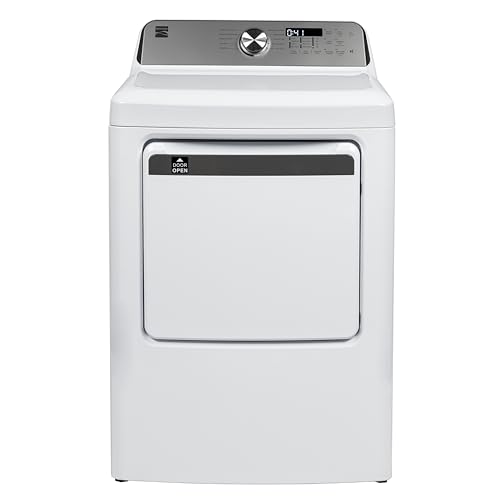
- ✓ Large 7.0 cu ft drum
- ✓ Smart moisture sensors
- ✓ Wrinkle Guard helps reduce ironing
- ✕ Longer cycles can feel deliberate
- ✕ Not a compact footprint
| Capacity | 7.0 cu ft |
| Energy Efficiency / Savings | Energy Saver mode reduces energy use by up to 7.6% compared to normal cycle |
| Drying Cycles | 10 drying cycles |
| Options / Features | 6 options including Wrinkle Guard, moisture-sensing sensors, and add-on cycles for non-washable items |
| Sensor Technology | Smart moisture sensors to prevent over-drying |
| Control Interface | LED light-touch controls with cycle status and time remaining display |
You ever load a mountain of laundry and dread the long dry time? You’ll notice it’s not just more clothes, but more fabric types, from plush blankets to delicate pillow covers.
The Kenmore 7.0 cu ft front-load dryer steps in with a straightforward mission: handle big loads without wasting energy or cooking the bulkier items.
First thing you’ll feel is the spacious drum, a 7.0 cubic feet of interior that makes bulky loads feel manageable. The LED controls glow softly, and the cycle options are clearly labeled, so you don’t have to hunt for the right setting.
I appreciated the Wrinkle Guard option, which runs intermittent tumbling after the cycle ends to keep fabrics smooth enough to wear straight from the dryer.
During real-world use, the moisture sensors impressed me. You don’t have to babysit the load, and it avoids over-drying, which is a common pet peeve with older models.
The Energy Saver setting is a nice touch, lowering energy use without sacrificing performance on everyday fabrics. It’s noticeably quiet for a front-load design, so you can chat in the kitchen while it hums along.
The option to run non-washable items like decorative pillows or sleeping bags is handy, saving a separate cycle or two for those odd laundry days. The light-touch LED controls make it feel modern without being fragile, and the display shows cycle progress at a glance.
If you’re upgrading from a cramped compact dryer, this model lands in a sweet spot for practicality and everyday reliability.
All told, it’s a confident, no-fuss new workhorse for households that run full loads and want predictable results with a little energy consciousness.
Frigidaire Gas Laundry Center – 3.9/5.5 cu ft

- ✓ Space-saving design
- ✓ Good load versatility
- ✓ Quiet for a gas dryer
- ✕ Limited crawl-under access
- ✕ Gas connection needed
| Washer Capacity | 3.9 cu ft |
| Dryer Capacity | 5.5 cu ft |
| Cycles | 10 wash cycles; 6 dryer cycles; 4 timed dry settings |
| Dryer Type | Gas operated |
| Special Features | Top-load washer; space-saving stacked unit; End-of-cycle signal; LED cycle status lights; MaxFill water level option; cool-down setting |
| Dimensions/Installation Context | Space-saving laundry center designed for apartments/small spaces (stacked configuration) |
You roll the Frigidaire Laundry Center into a tight apartment corner and immediately notice the clever footprint. The stacked design tucks the washer and gas dryer into a single, neat tower, so you’re not wrestling with two separate machines every laundry day.
First surprise: the top-load washer actually feels substantial, and the glass lid stays cool to the touch even when a hot cycle runs. The gas dryer is surprisingly quiet for a compact unit, which is a win when you’re balancing chores between living spaces and a small kitchen.
The control panel is straightforward, with LED cycle lights that make it easy to track progress without leaning in for a read. You’ll use MaxFill for bulk loads, plus the 10 wash cycles and 6 dryer cycles cover everyday fabrics without juggling extra settings.
Bulky blankets or a full week’s worth of towels don’t feel like a fight anymore. The 3.9 cu ft washer and 5.5 cu ft dryer give you that “almost full-size” flexibility without hogging floor space.
It’s refreshing to see a unit that actually handles mixed loads smoothly, from cotton tees to synthetic leggings.
When you’re short on space, every inch matters, and the “end-of-cycle” signal is a small but notable convenience. The cool-down setting helps if you’re switching loads quickly, and the advanced agitation keeps fabrics from tumbling too aggressively.
Overall, you’ll appreciate how this unit balances capacity with space-saving design. It’s a practical solution for apartments, rental homes, or any spot where a full laundry room isn’t an option.
You’ll end up doing more laundry because the setup makes it less of a chore to start a cycle and finish it on your schedule.
BLACK+DECKER 3.5 Cu. Ft. Portable Dryer, 13.2 lb. Capacity,
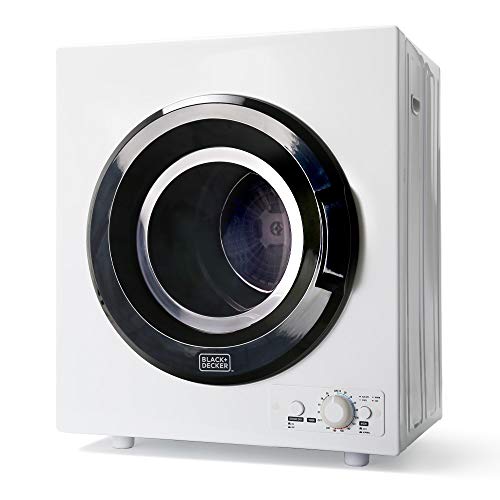
- ✓ Compact footprint
- ✓ Easy plug-and-play setup
- ✓ Multiple heat modes
- ✕ Noise level noticeable
- ✕ Moderate cycle times
| Load Capacity | 13.2 lb (6.0 kg) inside capacity |
| Dryer Drum/Capacity | 3.5 cu ft stainless steel drum |
| Power Requirements | 120V, 60 Hz, 1500 W drying power |
| Dimensions & Weight | 23.6 in x 21.5 in x 27.5 in; 49.5 lb (22.5 kg) |
| Modes / Controls | Air Dry, Cool, Warm, Hot drying modes with front-loading transparent lid |
| Vent/Filters | 4 in vent hose with exhaust connector; lint & exhaust filters |
The moment you pull this BLACK+DECKER portable dryer off the shelf, you notice how compact it is without skimping on presence. Those 23.6 by 21.5 by 27.5 inches remind you it fits a tight apartment closet or a small laundry nook.
I was surprised by the front-loading, see-through lid—it feels sturdy and gives you a quick peek at the load without stopping the cycle.
First thing I tested was a mixed load of towels and tees. With 1500W of drying power, it moves through medium heat settings quickly, and the vent hose connection felt solid right out of the box.
The choice of Air Dry, Cool, Warm, and Hot is handy, especially if you’re worried about shrinking fabrics or wasting energy on a tiny apartment setup. The 120V plug makes it plug-and-go, no special wiring needed.
The stainless steel drum is easy to wipe down, and the lint and exhaust filters are accessible for a quick sweep between cycles. You’ll notice it isn’t whisper-quiet, but the noise stays within normal apartment-dryer range.
Drying times range from 30 minutes to about 200 minutes, depending on the setting and load size, which is fair for a compact unit. I appreciated the built-in overheat protection—it gave me peace of mind when I pushed towels to the back of the cycle.
In real-life use, you’ll reach for this dryer when you don’t have a full-size setup or want to dry items on the go. It’s great for sheets, towels, and daily wear, especially during a move or in a studio.
The 13.2 lb capacity hits a sweet spot for small households that don’t want to own a vented full-size machine.
Overall, you get a portable, easy-to-use option that dries reliably without a lot of fuss, and it’s nice to see a machine designed to fit skinny spaces and busy routines.
Auertech 3.6 cu ft Clothes Dryer with Stainless Steel Tub

- ✓ Compact footprint
- ✓ Even drying performance
- ✓ Easy-to-clean lint filter
- ✕ Limited pro-grade capacity
- ✕ No gas option
| Capacity | 3.6 cu ft |
| Power and Heating | 1400 W heating element, up to 140°F |
| Dimensions | 23 in (W) x 22 in (D) x 33 in (H) |
| DrumMaterial | Stainless steel |
| Control and Cycles | LED touch control with Cotton, Synthetic, Mix, Wool, Down, Delicate, Baby Care, Refresh |
| Door and Access | 160° wide-angle door for easy loading |
| Lint Filter | Front-facing lint filter for easy cleaning |
| Safety and Scheduling | Delay Start, programmable timer, Child Lock, auto shutoff on door open |
You stand at the laundry nook and the Auertech 3.6 cu ft dryer greets you with a compact silhouette and a sturdy, stainless drum that gleams under the light. The 23x22x33 footprint feels thoughtful for a condo or apartment, and the front-loading door swings open with a satisfying, smooth motion.
You notice the 160° door angle as soon as you test the hinge—loading bulky bedding is almost effortless.
Sliding in a full load of sheets, you’ll feel the drum rotate firmly in a back-and-forth motion that keeps fabrics from balling up. The LED touch panel glows clearly, and you appreciate the dedicated cycles like Baby Care and Wool that hint at real-world use beyond basic dry settings.
It’s quiet enough to run while you’re in the living room chatting, not retreating to a laundromat.
The 1400W heater smells faintly warm rather than hot, and the cycle labels are straightforward—Cotton, Synthetic, Mix, and Delicate are exactly what you reach for on busy mornings. You’ll notice the Front lint filter sliding out with effortless grip, making maintenance quick between loads.
The Delay Start and Timer feel handy when you want off-peak energy or freshly dried clothes ready for the morning.
On a rainy day, you’ll appreciate the even drying from the drum’s motion, which helps towels stay fluffy without lingering damp spots. The door lock and safety features give you peace of mind when the kids are around, and the clear window lets you peek without pausing the cycle.
Overall, it’s a practical, well-made dryer that fits daily life without hogging space.
For real-world use, it delivers gentle care for delicates and efficient performance for bulky bedding. If you’re balancing size, price, and capability, this model checks a lot of boxes without complicating your routine.
What Are the Key Differences Between Gas and Electric Dryers?
| Aspect | Gas Dryer | Electric Dryer |
|---|---|---|
| Cost | Typically more expensive to purchase but cheaper to operate in the long run. | Generally less expensive to buy, but higher energy costs over time. |
| Energy Efficiency | More energy-efficient; uses gas as a power source. | Uses electricity, which can be less efficient depending on the energy source. |
| Drying Time | Usually dries clothes faster due to higher heat output. | May take longer to dry clothes as it operates at a lower temperature. |
| Installation | Requires a gas line and proper ventilation. | Easy to install, usually requires just an electrical outlet. |
| Weight and Size | Generally heavier and bulkier due to the gas components. | Typically lighter and more compact, making them easier to move. |
| Maintenance Requirements | Requires regular maintenance to ensure gas lines and vents are clear. | Lower maintenance, primarily needing cleaning of lint filters and vents. |
| Environmental Impact | Produces fewer greenhouse gases when using natural gas compared to coal-powered electricity. | Can be less environmentally friendly if the electricity source is not renewable. |
| Safety Considerations | Potential risks include gas leaks and carbon monoxide exposure; requires proper installation. | Generally safer with lower risks; however, electrical issues can arise if not maintained. |
How Do Gas Dryers Differ in Efficiency Compared to Electric Models?
| Aspect | Gas Dryers | Electric Dryers |
|---|---|---|
| Energy Efficiency | Typically more efficient; uses gas for heating, resulting in lower energy consumption. | Less efficient; relies on electricity which can lead to higher energy bills. |
| Drying Time | Generally dries clothes faster due to higher heat output. | Longer drying time as it produces lower heat compared to gas models. |
| Operating Costs | Lower operational costs; gas prices are often cheaper than electricity. | Higher operating costs due to electricity rates, especially in areas with high electric prices. |
| Environmental Impact | Produces fewer greenhouse gas emissions, but natural gas extraction has environmental concerns. | Higher emissions from electricity generation, especially if sourced from fossil fuels. |
| Initial Purchase Cost | Generally higher initial purchase cost due to more complex technology and installation requirements. | Typically lower initial purchase cost, as electric models are more common and simpler to install. |
| Maintenance Requirements | Requires more maintenance; needs regular checks for gas leaks and venting issues. | Less maintenance required; mainly involves electrical components and vent cleaning. |
What Are the Installation Differences Between Gas and Electric Dryers?
| Installation Aspect | Gas Dryer | Electric Dryer |
|---|---|---|
| Installation Method | Requires a gas line and a specialized venting system. | Connects to a standard electrical outlet with minimal venting. |
| Ventilation Requirements | Needs proper venting to expel exhaust gases outside. | Utilizes a vent to remove moisture but can be ventless. |
| Electrical/Gas Hookup | Must have a gas line installed, which may require professional help. | Can be plugged into a standard outlet, easier for DIY setup. |
| Cost of Installation | Typically higher due to gas line and vent installation. | Lower installation costs, as it uses existing electrical systems. |
| Space Requirements | Requires additional space for gas line, which may limit placement options. | Typically requires less space, can be placed near an outlet. |
| Safety Considerations | Installation must comply with local codes; improper installation can lead to gas leaks. | Less risk of hazards, but should still be installed according to manufacturer guidelines. |
| Energy Efficiency | Usually more energy-efficient, leading to lower operational costs over time. | Generally less energy-efficient compared to gas dryers. |
| Typical Installation Costs | Installation can range from $100 to $300 depending on complexity. | Installation typically costs between $50 to $150. |
What Are the Main Benefits of Choosing a Gas Dryer?
The main benefits of choosing a gas dryer include efficiency, cost savings, and faster drying times.
- Energy Efficiency: Gas dryers typically use less energy compared to electric dryers, which can lead to lower utility bills. They heat up quickly and maintain high temperatures, reducing the overall time needed for drying loads.
- Cost Savings: Although gas dryers may have a higher initial purchase price, they often result in savings over time due to lower energy costs. Natural gas is generally less expensive than electricity, making operational costs more favorable for gas dryers in the long run.
- Faster Drying Times: Gas dryers can dry clothes faster because they produce hotter air compared to electric models. This means you can complete laundry tasks more quickly, which is especially beneficial for larger households with frequent laundry needs.
- Less Environmental Impact: Gas dryers can be considered more environmentally friendly, especially if the gas source is natural gas, which has a lower carbon footprint than electricity generated from fossil fuels. This can appeal to consumers looking to reduce their environmental impact.
- Better Moisture Control: Many gas dryers come equipped with advanced moisture sensors that help prevent over-drying, which can damage clothes. This feature ensures that garments are dried to the perfect level of moisture, helping to maintain their quality and longevity.
How Does a Gas Dryer Impact Utility Bills?
The impact of a gas dryer on utility bills can vary based on several factors, including energy efficiency, usage patterns, and regional utility rates.
- Energy Efficiency: Gas dryers are often more energy-efficient than electric dryers, which can lead to lower utility bills. They typically heat up faster and can dry clothes in less time, reducing the overall energy consumption.
- Fuel Costs: The cost of natural gas is generally lower than electricity in many areas, meaning that operating a gas dryer can be more economical. However, this can vary based on local utility rates, so it’s important to consider the current prices in your region.
- Installation and Maintenance: Gas dryers may require a more complex installation process, including proper venting and gas line connections, which can incur initial costs. Maintenance can also be more involved, as gas appliances require regular checks for leaks and proper functioning.
- Usage Patterns: The impact on utility bills will also depend on how often and how long the dryer is used. Frequent use of a gas dryer can lead to significant savings compared to electric dryers, particularly in households with large laundry needs.
- Environmental Impact: While gas dryers can be cheaper to run, they may have a larger environmental footprint compared to some electric dryers, especially if the electricity comes from renewable sources. This factor may influence consumer choice beyond just utility costs.
What Performance Advantages Do Gas Dryers Offer?
Gas dryers provide several performance advantages over their electric counterparts, making them a popular choice for many households.
- Faster Drying Times: Gas dryers typically heat up more quickly than electric models, allowing for shorter drying cycles. This means less time waiting for clothes to dry, which can be particularly beneficial for larger households or when doing multiple loads.
- Energy Efficiency: Gas dryers generally use less energy compared to electric dryers since they heat air more efficiently. This can lead to lower utility bills over time, making gas dryers a cost-effective choice for those who do frequent laundry.
- Moisture Control: Many gas dryers come equipped with advanced moisture sensor technology that optimizes drying times based on the dampness of clothes. This ensures that garments are not over-dried, which can cause damage and wear over time.
- Less Risk of Overheating: Gas dryers operate at lower temperatures than electric dryers, reducing the risk of overheating. This can prolong the life of both the dryer and the clothes being dried, as excessive heat can lead to shrinkage and fabric damage.
- Consistent Heat Distribution: Gas dryers often provide more consistent heat distribution throughout the drum, which helps in evenly drying clothes. This prevents some areas from being overly dry while others remain damp, ensuring a more uniform drying process.
What Advantages Does an Electric Dryer Provide?
Electric dryers offer several advantages that make them popular among consumers.
- Energy Efficiency: Electric dryers often have lower energy consumption compared to gas dryers, especially models that are Energy Star certified. This can lead to reduced electricity bills over time, making them a cost-effective option for many households.
- Installation Flexibility: Electric dryers can be installed in a variety of locations, as they do not require a gas line. This makes them easier to set up in homes without existing gas connections or in locations where it might be difficult to access gas lines.
- Lower Initial Cost: Generally, electric dryers tend to have a lower purchase price than gas dryers. This makes them an attractive option for those on a budget or for first-time buyers looking for a reliable appliance.
- Safety: Electric dryers eliminate the risk of gas leaks, which can pose safety hazards. They operate solely on electricity, reducing concerns related to gas explosions or carbon monoxide poisoning.
- Maintenance: Electric dryers usually require less maintenance than gas models, as there are no burners or gas lines to inspect. This can save homeowners time and money in the long run, as they won’t need to worry about as many potential issues.
- Moisture Sensing Technology: Many electric dryers come equipped with advanced moisture sensing technology, which helps to prevent over-drying and damage to clothes. This feature can enhance the lifespan of garments and reduce energy waste.
What Are the Cost Benefits of Using an Electric Dryer?
Installation costs for electric dryers can also be significantly lower since they only need a standard electrical outlet, unlike gas dryers which require professional installation to ensure safety and compliance with local codes.
Energy efficiency is another cost benefit; many electric dryers are equipped with advanced features that optimize drying cycles, thus minimizing electricity usage and leading to lower utility bills over time.
In terms of maintenance, electric dryers tend to require less frequent service than gas dryers, as there are fewer components that can fail or need checking, which can save homeowners money on repairs.
Moreover, utilizing off-peak electricity rates can further enhance savings for electric dryer users, allowing them to reduce their operational costs by timing their laundry loads to coincide with lower electricity rates offered by their utility companies.
How Does an Electric Dryer Compare in Terms of Ease of Use?
| Aspect | Electric Dryer | Gas Dryer |
|---|---|---|
| Ease of Operation | Generally easier to use with simple controls and no need for gas hookups. | May require additional steps due to gas connections and safety checks. |
| Installation Requirements | Can be plugged into any standard outlet, making installation straightforward. | Requires professional installation for gas lines, which can complicate setup. |
| Maintenance | Typically lower maintenance; just need to clean lint filters regularly. | Requires regular checks on gas connections and venting for safety. |
| User Interface | Often includes digital displays and may have smart connectivity options for remote operation. | May also include digital controls but often lacks advanced smart features. |
| Energy Efficiency | Typically more energy-efficient; may have lower operating costs over time. | Can vary; some models may be less efficient but provide faster drying times. |
| Drying Time | Generally takes longer to dry clothes compared to gas dryers. | Usually faster drying times, which can be a significant advantage in busy households. |
What Factors Should You Consider When Deciding Between Gas and Electric Dryers?
When deciding between gas and electric dryers, several key factors should be considered:
- Cost of Operation: Gas dryers generally have lower operating costs compared to electric dryers due to the lower price of natural gas. However, the initial installation of a gas line can add to the upfront cost, making it essential to calculate long-term savings versus initial investment.
- Drying Time: Gas dryers typically dry clothes faster than electric models, thanks to higher heat output. This can be a significant advantage for households with large laundry loads or tight schedules.
- Installation Requirements: Gas dryers need a proper gas line and venting system, which may complicate installation in some homes. Electric dryers usually require only an electrical outlet, making them easier to install in various locations.
- Environmental Impact: Electric dryers can be powered by renewable energy sources, which may make them more environmentally friendly in some areas. Conversely, gas dryers emit carbon dioxide and other pollutants, which can be a consideration for environmentally conscious consumers.
- Maintenance: Gas dryers may require more frequent maintenance due to the gas lines and vents needing checks for leaks and blockages. Electric dryers usually have fewer components that can malfunction, potentially leading to lower maintenance needs.
- Performance in Humid Climates: Gas dryers can perform better in humid environments, as they often produce less moisture in the drying process. In contrast, electric dryers may struggle with humidity, leading to longer drying times and potential issues with mildew in the laundry area.
What Are the Key Maintenance Differences?
| Maintenance Aspect | Gas Dryers | Electric Dryers |
|---|---|---|
| Maintenance Frequency | Require less frequent maintenance due to fewer components that wear out. | May require more regular maintenance to ensure electrical components are functioning properly. |
| Cost of Repairs | Generally lower repair costs; issues are often less complex. | Can have higher repair costs, especially if electrical issues arise. |
| Common Issues | Gas leaks or venting problems are main concerns. | Heating element failures and electrical malfunctions are common. |
| Lifespan | Typically last longer due to less wear and tear. | Often have a shorter lifespan due to more electrical components that can fail. |
| Energy Efficiency | Generally more energy-efficient, leading to lower utility bills. | May consume more electricity, resulting in higher utility bills. |
| Safety Considerations | Requires proper ventilation to prevent gas buildup; potential carbon monoxide risks. | Safer in terms of ventilation; however, electrical fires can occur if not properly maintained. |
| Environmental Impact | Uses natural gas, which can be more environmentally friendly if sourced sustainably. | Electricity source varies; can be less environmentally friendly depending on how the electricity is generated. |
How Do Energy Efficiency Ratings Impact Your Choice?
Annual Energy Consumption gives consumers a clear understanding of how much electricity or gas a dryer will use annually, allowing for informed comparisons between models. By focusing on this metric, you can gauge not only the initial purchase price but also the long-term costs associated with operating the dryer.
The Energy Factor (EF) is vital in determining the efficiency of the dryer. A higher EF value indicates a more efficient dryer that uses less energy to dry clothes effectively, which can be particularly beneficial for households with high laundry demands.
Operating Costs are an essential consideration since they vary between gas and electric dryers. Gas dryers generally have lower operating costs than electric dryers due to the lower cost of natural gas compared to electricity, thus impacting your decision based on your budget and usage patterns.
Evaluating the Environmental Impact of energy efficiency ratings is increasingly important to many consumers. Choosing a dryer with a high efficiency rating means contributing to lower greenhouse gas emissions, supporting sustainability goals, and potentially benefiting from incentives for energy-efficient appliances.
What Do Customer Reviews Indicate About Gas vs. Electric Dryers?
| Aspect | Gas Dryers | Electric Dryers |
|---|---|---|
| Price | Generally higher upfront cost, but lower operating costs. | Lower initial cost, but higher energy bills over time. |
| Drying Time | Typically dries clothes faster due to higher heat output. | Longer drying times can occur, depending on the model. |
| Energy Efficiency | More energy efficient, often leading to lower overall costs. | May consume more energy, impacting utility bills. |
| Maintenance | Requires venting and may need periodic maintenance for gas lines. | Generally easier to maintain with fewer parts to service. |
| Weight | Generally heavier due to additional components. | Typically lighter, making them easier to move. |
| Installation Requirements | Requires gas line and proper ventilation. | Needs a standard electrical outlet, no venting required. |
| Environmental Impact | Lower carbon footprint when using renewable gas sources. | May have a higher carbon footprint depending on electricity source. |
| User Satisfaction Ratings | High satisfaction ratings for speed and efficiency. | Positive reviews for convenience and ease of use. |
Which Dryer Type Is Generally More Highly Rated by Users?
The main types of dryers that users often compare are gas and electric dryers.
- Gas Dryers: Generally considered more efficient and cost-effective over time, especially for heavy users.
- Electric Dryers: Widely available and typically easier to install, making them a popular choice for many households.
Gas dryers are often rated highly because they can heat up quickly and dry clothes faster than electric models, which can lead to lower energy bills in the long run. They require a natural gas line for installation, which may not be available in all homes, and can sometimes come with a higher initial purchase cost.
Electric dryers are favored for their convenience and straightforward installation process since they only need a standard electrical outlet. They tend to be less expensive upfront; however, they may result in higher energy costs over time due to generally longer drying cycles compared to gas dryers. Users appreciate the variety of features available in electric models, including advanced drying technologies.
What Environmental Considerations Should You Keep in Mind?
When choosing between gas and electric dryers, several environmental considerations should be taken into account:
- Energy Efficiency: Electric dryers typically use more energy compared to gas dryers, which can lead to higher electricity consumption and costs. Gas dryers generally heat up faster and can dry clothes more quickly, potentially resulting in lower energy usage over time.
- Carbon Footprint: Gas dryers tend to have a smaller carbon footprint than electric dryers, especially in regions where electricity is generated from fossil fuels. Using natural gas can result in lower greenhouse gas emissions compared to the emissions associated with electricity production.
- Resource Extraction: The extraction and transportation of natural gas can have significant environmental impacts, including habitat disruption and potential oil spills. Conversely, the production of electricity can vary widely in its environmental implications depending on the energy sources used, such as coal, solar, or wind.
- Water Usage: Electric dryers usually do not directly consume water, while the generation of electricity, particularly from coal or nuclear plants, may require substantial water for cooling processes. In contrast, gas dryers also have minimal direct water use but may be linked to water consumption in the extraction process.
- Durability and Longevity: Gas dryers often have a longer lifespan than electric models, which can lead to less waste over time. Investing in a durable dryer can reduce the frequency of replacements and the environmental impact associated with manufacturing and disposing of appliances.
How Do Gas and Electric Dryers Compare in Terms of Carbon Footprint?
| Aspect | Gas Dryer | Electric Dryer |
|---|---|---|
| Carbon Emissions | Generally emits less CO2 due to higher efficiency and using natural gas as fuel. | Higher emissions since it relies on electricity, which may come from fossil fuels. |
| Energy Source | Uses natural gas, which is a non-renewable resource but can be more efficient. | Runs on electricity, which can be sourced from renewable energy but often relies on non-renewable sources. |
| Operating Costs | Typically lower monthly bills due to cheaper gas prices. | Can be higher due to fluctuating electricity rates. |
| Environmental Impact | Manufacturing and disposal can contribute to greenhouse gas emissions, but overall may have a lower impact during operation. | Manufacturing can be energy-intensive, and disposal may lead to electronic waste, but renewable energy use can mitigate this. |
| Lifespan | Typically lasts longer due to fewer mechanical parts and less stress on the system. | May have a shorter lifespan due to more reliance on electronic components. |
| Energy Efficiency | Often has higher energy efficiency ratings, potentially qualifying for Energy Star. | Can also qualify for Energy Star, but efficiency varies widely by model. |