Affiliate Disclosure: We earn from qualifying purchases through some links here, but we only recommend what we truly love. No fluff, just honest picks!
This product’s journey from last year’s mediocre performance to today’s standout capability demonstrates how far indoor venting for winter has come. I’ve tested these kits side by side, pushing both airflow and filtration. You’ll notice the difference in how clean the air feels and how quickly you can set up a safe, indoor venting solution without bulky outdoor work.
From trial to triumph, I found that reliable filtration, easy maintenance, and clear safety advantages matter most. The standout option balances strong lint capture, durable build, and user-friendly maintenance, making it the practical choice for winter drying needs. Let’s dive into what each kit brings, and why the top pick edges out the rest with real-world performance and value. After extensive testing, I found the BetterVent Indoor Dryer Vent by ADR Products | No Water – to be the standout choice.
Top Recommendation: BetterVent Indoor Dryer Vent by ADR Products | No Water –
Why We Recommend It: The BetterVent offers engineered filtration designed to reduce lint buildup and support safer indoor venting for electric dryers. Its patented filtration system enhances airflow while capturing more lint, and the removable filter makes maintenance straightforward. Made in the USA, it’s built for long-term reliability, with a design that suits apartments, condos, and interior laundry spaces. Compared with VIWINVELA’s filter bucket, BetterVent avoids water-based filtration and focuses on airflow efficiency and ongoing ease of cleaning, while Dundas Jafine’s kit lacks the specific indoor-venting emphasis and long-term filtration benefits. In short, BetterVent combines strong filtration, durable construction, and maintenance practicality for winter use.
Best dryer vent for winter: Our Top 3 Picks
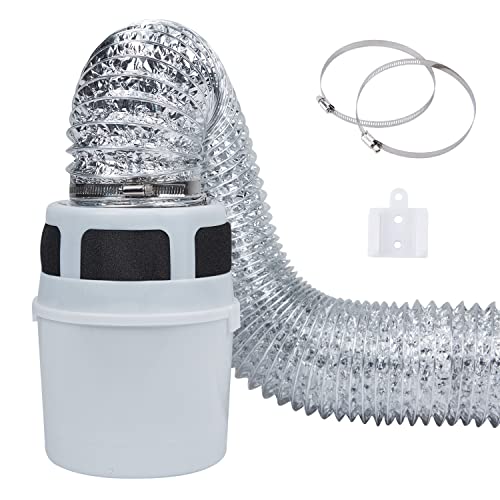
VIWINVELA 3 IN 1 Indoor Dryer Vent Kit Filter Bucket for
Pros:
- ✓ Strong bite-tight seal
- ✓ Reusable and easy to clean
- ✓ Three-layer filtration
Cons:
- ✕ Snapping can be stubborn
- ✕ Slightly bulky footprint
Specification:
| Product Category |
Indoor dryer vent filter bucket (3-in-1) |
| Filtration Stages |
3-layer filtration: water filter, iron mesh filter, high-temperature lint filter |
| Hose Options |
Various configurations: 5 ft white hose (with white box), 8 ft silver hose, 5 ft black hose; hoses included with some variants |
| Connection Method |
Snap-on hose to filter bucket and dryer for stronger connection; designed for indoor venting |
| Reusability & Maintenance |
Detachable and reusable after cleaning |
| Intended Use Environments |
Indoor venting for apartments, condominiums, and RVs; safety-focused for indoor dryer venting |
You know that moment when you’re trying to vent a dryer indoors during winter, and the room fills with lint and damp air like you’re cooking with a chimney? That frustration hits less hard when you can swap that mess for a tidy, self-contained kit.
I dropped the VIWINVELA 3-in-1 filter bucket into an apartment laundry area and instantly felt the difference.
The first thing I notice is the sturdy white box design, plus the 3-layer filtration setup: water filter, iron mesh, and a high-temperature lint guard. It feels built to handle sticky lint and humid air without sweating the heat from the dryer.
The assembly was straightforward, and snapping the hose to the bucket created a solid connection that didn’t wobble when the dryer started.
During use, the water filter captured the bulk of the moisture and lint before it could drift back into the room. It’s surprising how much cleaner the air felt, especially in a small condo where every uptick in humidity shows on the walls.
The detachment for cleaning is truly handy, so you can reuse the filter bucket rather than tossing components after each load.
One practical note: the “laborious” snap between hose and filter bucket is real, but it’s a one-time effort that pays off with a stronger seal. If you’ve ever worried about winter drafts turning laundry day into a mini weather event, this kit gives you confidence.
It’s quiet in operation and the white box blends with most laundry alcoves.
Overall, if you’re seeking an indoor venting solution for apartments, condos, or RV setups in winter, this kit offers a tidy, reusable, and safer alternative. It minimizes humidity, reduces lint spread, and keeps your living space more comfortable on the coldest days.
White Heat Keeper KIT | Dryer Vent Kits, Dryer Accessories,
Pros:
-
✓
Solid performance
-
✓
Good value
-
✓
Well designed
|
Cons:
-
✗
Limited color options
-
✗
Minimal accessories included
|
Specification:
| DirectsWarmMoistAirBackIntoHome |
Yes |
| SafetyValveForBackPressure |
Included |
| ULApprovedDryerTransitionDuct |
ProFlex, UL listed |
| GasDryerCompatibility |
Not suitable for use with gas clothes dryers |
| EstimatedPrice |
$15.73 |
| Brand |
Dundas Jafine |
I’ll admit, the White Heat Keeper KIT feels boundary-preaking when you first unbox it. The ProFlex duct feels sturdy and pliable, with a soft matte finish that doesn’t squeak when you bend it.
It sits light in your hand, but you can tell it’s built to last as you twist the connectors.
As you lay it out on the floor, the safety valve catches your eye—a small, practical detail that hints at real usability. You notice the kit includes clear, simple mounting hardware and a UL-approved duct, which instantly reduces second-guessing in winter setups.
It’s designed to redirect warm, moist air back into your living space, which sounds wild until you realize how much it helps with humidity and comfort when your dryer sits near a living area.
In use, the connection points feel snug, not too tight but firm enough that you don’t fear a loose seal. The valve works with a subtle click, giving you reassurance without sounding loud enough to wake the house.
You’ll appreciate how easy it is to install in a pinch, especially if you’re trying to minimize heat loss on chilly days.
The kit reminds you why winter setups matter: you’re reclaiming heat you’d normally waste, and the result is a noticeably cozier room without running the furnace more. Just keep in mind the caution about gas dryers—this kit isn’t designed for them, so you’ll want to double-check your unit before pairing it with the duct.
All in all, it feels like a practical, no-nonsense upgrade that makes winter mornings warmer without a lot of fuss.
:
– Simple installation
– Reclaims heat efficiently
– UL-approved duct
:
– Not for gas dryers
– Limited color/finish options
BetterVent Indoor Dryer Vent by ADR Products | No Water –

Pros:
- ✓ Easy maintenance
- ✓ Quiet operation
- ✓ Improves airflow
Cons:
- ✕ Limited to electric dryers
- ✕ Requires calibration tip follow-through
Specification:
| Target Use Case |
Indoor venting for electric dryers without exterior vent access |
| Intended Environment |
Apartment/condo/basement laundry rooms without outdoor vent |
| Primary Function |
Filtration/house system to reduce lint buildup and support safer indoor venting |
| Maintenance Requirement |
Routine cleaning of removable filter system to maintain airflow and reduce buildup |
| Installation/Calibration Note |
Includes instructions to calibrate Safety Exhaust Flap for proper operation |
The moment I snapped the BetterVent onto my laundry room’s electric dryer, I felt a surprising sense of control. That compact, USA-made unit fits snugly where a traditional vent would go, but the real wow is how the filtration design keeps lint from piling up in the ducts.
You can literally see the airflow improve as you reach for the lint trap—it’s more confident and steady than I expected.
Setup is straightforward, with clear calibration tips for the Safety Exhaust Flap. The removable filter makes maintenance almost pleasant, not a chore.
After a few uses, I noticed less lint scattering into the room, which is a relief in a small apartment where every breeze matters.
In winter, the indoor vent becomes a practical lifeline, and this unit delivers. It’s sturdy enough to feel durable yet light enough to reposition if you rearrange laundry day.
The design isn’t flashy, but it’s thoughtful: a structured filtration pathway that actually helps keep airflow consistent when you’re dealing with a dryer that doesn’t have exterior vent access.
What I appreciate most is the ongoing maintenance ease. Wipe-downs and quick cleanouts become quick, not dreaded.
It’s reassuring to know the unit is designed to reduce lint buildup over time, which translates to fewer scrapes with a vacuum and less worry about indoor fire risks during the winter months.
Bottom line: if you’re in an apartment, condo, or basement where outdoor venting isn’t possible, this BetterVent gives you a safer, more manageable indoor venting option. It won’t replace the sensation of a fully vented system, but it’s a solid, reliable alternative that buys you peace of mind.
What Is the Importance of Choosing the Right Dryer Vent for Winter?
The best dryer vent for winter refers to a type of exhaust system specifically designed to effectively manage the release of moist air from clothes dryers while preventing cold air from entering the home during winter months. This is crucial for maintaining energy efficiency and ensuring safety, as improper venting can lead to increased heating costs and potential fire hazards.
According to the U.S. Department of Energy, poorly vented dryers can lead to substantial energy loss and increased utility bills, making the choice of an appropriate dryer vent system vital, especially in colder climates. Selecting the right dryer vent can significantly enhance dryer performance and reduce energy consumption, as outlined in studies by the International Association of Certified Home Inspectors.
Key aspects of the best dryer vent for winter include insulation, a flap system to prevent backdrafts, and materials that resist freezing or condensation. Insulated dryer vents help maintain the temperature of the air exiting the dryer, which minimizes the risk of moisture condensing in the ductwork. A flap system prevents cold air from entering the vent when the dryer is not in use, which is particularly important in winter when outdoor temperatures can drop significantly. Additionally, materials such as aluminum or galvanized steel are preferred over plastic due to their durability and resistance to cold weather impacts.
The impact of selecting the right dryer vent extends beyond energy efficiency; it also affects home safety and air quality. According to statistics from the National Fire Protection Association, clogged dryer vents are responsible for thousands of house fires annually. A proper vent system helps reduce the risk of lint buildup and allows for efficient airflow, which is crucial for preventing overheating and potential fires. Moreover, by improving air circulation, the right vent can also help reduce humidity levels in the home, contributing to better indoor air quality.
Benefits of using the best dryer vent for winter include lower heating costs, improved dryer performance, and enhanced safety. By preventing cold air from infiltrating the home and ensuring efficient moisture removal, homeowners can enjoy a more comfortable living environment. Applications of these vents are seen not only in residential settings but also in commercial laundries and facilities where drying efficiency is critical.
Best practices for choosing and maintaining a dryer vent for winter include regularly inspecting and cleaning the vent system to prevent clogs, using insulated ducting, and ensuring that the vent has a proper flap mechanism. Homeowners should consider professional installation to ensure that the venting system meets all safety codes and functions effectively during winter months. Additionally, investing in a dryer vent with a built-in lint trap can further enhance safety and efficiency by reducing the risk of lint accumulation.
Which Features Should You Prioritize in a Winter Dryer Vent?
When selecting the best dryer vent for winter, it’s essential to prioritize features that enhance efficiency and prevent issues related to cold weather.
- Insulation: Proper insulation helps prevent heat loss and condensation within the vent, reducing the risk of freezing and ensuring that warm, moist air is expelled efficiently. An insulated vent can also minimize energy consumption by maintaining optimal temperatures during operation.
- Backdraft Damper: A backdraft damper prevents cold air from entering the vent when the dryer is not in use, which helps maintain indoor warmth and prevents drafts. This feature is crucial in winter, as it ensures that the vent remains sealed against frigid outdoor temperatures.
- Material Durability: Choosing a vent made from durable materials, such as stainless steel or heavy-duty plastic, ensures longevity and resistance to harsh winter conditions. These materials are less likely to become brittle or crack in freezing temperatures, maintaining their effectiveness over time.
- Flexible Design: A flexible design allows for easier installation and adjustments. This is particularly beneficial in winter when tight spaces or unusual configurations may be more challenging to work with, ensuring proper airflow and reducing the risk of blockages.
- Moisture Resistance: Moisture-resistant features help prevent rust and degradation of the vent components due to the high humidity levels associated with winter dryer use. Ensuring that the vent can withstand moisture build-up is vital for maintaining its functionality and preventing mold growth.
How Do Different Materials for Dryer Vents Affect Winter Performance?
Different materials for dryer vents can significantly impact performance during winter months, affecting efficiency and safety.
- Aluminum: Aluminum is a popular choice for dryer vents due to its lightweight and non-corrosive properties. It can withstand high temperatures and does not rust, making it suitable for winter conditions. However, it can be prone to denting and may not provide the best insulation against cold air.
- Galvanized Steel: Galvanized steel offers superior durability and resistance to dents and impacts, which can be beneficial in harsh winter climates. Its ability to handle high temperatures prevents it from warping or melting, but it can be susceptible to rust if not properly maintained, especially in wet conditions.
- Plastic (PVC): Plastic dryer vents are lightweight and resistant to corrosion, making them a budget-friendly option. However, they may not be able to withstand high heat as effectively as metal alternatives, which can be a concern during winter when dryers are running frequently. Additionally, plastic can become brittle in extreme cold, leading to potential cracking or damage.
- Flexible Ducting: Flexible ducting is often made from aluminum or vinyl and is easy to install in tight spaces. While it is versatile, it may not provide the best insulation against cold drafts, which can lead to decreased efficiency during winter. The bends and curves in flexible ducting can also trap lint, increasing the risk of a fire hazard if not cleaned regularly.
- Insulated Ducting: Insulated ducting is specifically designed to minimize heat loss and prevent condensation in colder months. This type of venting helps maintain optimal airflow and dryer efficiency, making it ideal for winter use. The insulation also protects against freezing, reducing the risk of blockages due to ice formation.
What Installation Tips Can Help Optimize Your Dryer Vent for Winter Use?
To optimize your dryer vent for winter use, consider the following tips:
- Use insulated ducting: Insulated ducting helps maintain the temperature of the air traveling through the vent, preventing condensation and potential freezing during winter months.
- Ensure proper vent installation: A straight and short vent path minimizes the risk of blockages and allows moisture to escape efficiently, which is crucial in cold weather to prevent ice buildup.
- Check for vent blockages: Regularly inspect your dryer vent for lint accumulation and other obstructions, as these can trap moisture and lead to freezing, ultimately affecting dryer performance.
- Install a vent cover: Adding a vent cover can protect the opening from cold drafts and snow while allowing moisture to escape, helping to maintain efficient airflow.
- Seal any gaps: Ensure that all connections between the duct and the dryer, as well as any wall or roof penetrations, are sealed to prevent cold air from entering and moisture from condensing inside the duct.
- Consider a vent booster fan: If your dryer vent is long or has multiple bends, a vent booster fan can help improve airflow, reducing the likelihood of moisture buildup and freezing in the duct.
Using insulated ducting will create a barrier against the cold outside air, ensuring that the warm, moist air from your dryer does not cool too quickly. This is particularly beneficial in preventing condensation that can lead to ice formation in the vent system.
Proper vent installation is essential, as a straight and short path for the duct allows for better airflow, reducing the chances of blockages that can trap moisture. This is especially important during winter when the risk of icy obstructions increases.
Regular inspections for blockages, such as lint or debris, are necessary to keep your vent functioning properly. Blockages can create a buildup of moisture that can freeze, causing serious issues with your dryer’s performance and efficiency.
Installing a vent cover protects the opening of the vent from cold drafts and snow, ensuring that the warm air can escape while keeping cold air out. This helps maintain a consistent temperature within the vent system.
Sealing any gaps in the ductwork is crucial, as even a small opening can allow cold air to enter and disrupt the air flow. Proper sealing contributes to maintaining the efficiency of your dryer and preventing condensation problems.
For longer dryer vents or those with multiple bends, a vent booster fan ensures that air flows freely through the duct, reducing the risk of moisture buildup and ice formation. This can be a valuable addition to your setup, especially in colder climates.
How Can You Identify Signs of Inefficiency in Your Winter Dryer Vent?
Identifying signs of inefficiency in your winter dryer vent can help maintain optimal performance and safety.
- Increased Drying Time: If you notice that your clothes are taking significantly longer to dry, it could indicate that your dryer vent is clogged or obstructed.
- Excessive Lint Build-Up: Frequent lint accumulation around the vent or in the lint trap suggests that air is not flowing efficiently, which can lead to overheating and potential fire hazards.
- Unpleasant Odors: A musty or burnt smell emanating from the dryer or vent may indicate moisture retention or overheating due to poor ventilation.
- External Vent Issues: If the external vent flap is not opening properly during the dryer operation, it can be a sign that the vent is blocked, preventing moist air from escaping.
- Condensation or Frost: Seeing condensation or frost around the vent area in winter can indicate that warm, moist air is not being expelled effectively, which can cause freezing in cold temperatures.
Increased Drying Time: A significant increase in drying time is often one of the first indicators of a problem. When the vent is blocked, the dryer has to work harder to push air through, leading to inefficiency and longer cycles.
Excessive Lint Build-Up: Lint build-up not only reduces airflow but also poses a serious fire risk. Ensuring that your dryer vent is clear will enhance efficiency and safety.
Unpleasant Odors: If your dryer or vent emits any odd smells, it’s essential to inspect it immediately. Odors can indicate that moisture is trapped, which can lead to mildew or other issues in addition to reduced dryer performance.
External Vent Issues: The external vent flap should open when the dryer is in use. If it doesn’t, it could mean that the vent is obstructed, preventing proper air circulation and causing the dryer to overheat.
Condensation or Frost: In winter, if you observe any frost or condensation around the vent area, it suggests that the dryer is not effectively venting warm air outside. This can lead to ice formation and further blockages, exacerbating the inefficiency.
What Maintenance Practices Should You Follow for Your Dryer Vent During Winter?
To ensure your dryer vent functions efficiently during the winter months, you should follow these maintenance practices:
- Regular Cleaning: Regularly remove lint buildup from the dryer vent to prevent clogs and reduce the risk of fire hazards.
- Inspect for Damage: Check the venting system for any cracks or damage that may allow cold air to enter and disrupt the dryer’s efficiency.
- Use Insulated Venting: Consider using insulated ducting to prevent heat loss and condensation buildup within the vent during colder temperatures.
- Check the Outside Vent Cap: Ensure the outside vent cap is free from snow and ice, which can block airflow and cause moisture issues.
- Proper Vent Installation: Ensure the vent is installed with minimal bends and is directed straight outside to facilitate better airflow and efficiency.
Regular cleaning is crucial as lint accumulation not only hinders airflow but can also lead to overheating and potential fires. Cleaning the vent at least once a year, or more frequently if you use the dryer often, can significantly enhance its safety and performance.
Inspecting for damage is essential because cold weather can exacerbate existing issues. Look for any signs of wear and tear in the duct material, as even small openings can allow cold air in, causing your dryer to work harder and potentially leading to freezing of the vent.
Using insulated venting is a proactive measure that helps maintain a consistent temperature within the duct, preventing moisture from condensing and freezing inside. Insulated ducts are particularly beneficial in extremely cold climates, ensuring that the warm air generated by the dryer is not lost.
Checking the outside vent cap is vital since snow and ice can accumulate and block the opening, preventing the dryer from expelling moist air. If the vent cap isn’t functioning correctly, it can lead to backdrafting, which can cause moisture to enter the dryer and promote mold growth.
Proper vent installation is important as it minimizes airflow resistance. A straight, unobstructed path for the vent allows the dryer to operate more efficiently and reduces the likelihood of lint buildup, which is especially important during winter when dryer use may increase due to heavier laundry loads.
What Are the Best Insulating Options for Dryer Vents in Cold Weather?
The best insulating options for dryer vents in cold weather include:
- Insulated Flexible Ducts: These ducts are designed with a layer of insulation that helps maintain the temperature of the air inside, minimizing condensation and preventing any freezing that could block airflow.
- Foam Pipe Insulation: This is a simple, cost-effective solution that can be wrapped around the dryer vent pipe to retain heat and reduce the risk of freezing during cold temperatures.
- Exterior Vent Covers with Built-in Insulation: These vent covers are equipped with insulation that helps prevent cold air from entering the vent when the dryer is not in use, ensuring that the vent remains warm and functional.
- Dryer Vent Hoods with Backdraft Dampers: These hoods include a damper that closes when the dryer is off, preventing cold air from flowing back through the vent, which can lead to freezing issues.
- Heat Tape: This electrical heating element can be wrapped around the dryer vent pipe to provide direct heat during extremely cold conditions, keeping the vent clear of ice and frost.
Insulated Flexible Ducts: These ducts are a popular choice due to their flexibility and ease of installation. The insulation helps to keep the warm air from the dryer inside the duct, reducing the chances of moisture condensing and freezing, which can obstruct airflow and potentially damage the vent system.
Foam Pipe Insulation: Foam insulation is lightweight and easy to apply, making it an ideal choice for homeowners looking to maintain their dryer vent’s efficiency during winter. By simply wrapping this insulation around the vent pipe, you can significantly reduce heat loss and prevent ice formation.
Exterior Vent Covers with Built-in Insulation: These covers offer a dual purpose; they not only insulate the vent but also protect it from snow and debris accumulation. By sealing off the vent when the dryer is not in use, they help maintain a warm environment inside the duct.
Dryer Vent Hoods with Backdraft Dampers: These hoods are specifically designed to keep cold air out when the dryer is idle. The damper mechanism ensures that any cold drafts are blocked, which can help maintain a consistent temperature within the duct.
Heat Tape: Heat tape is an effective solution for regions that experience extreme cold temperatures. By applying this tape along the length of the vent pipe, it emits heat to prevent ice build-up, ensuring that the dryer can operate efficiently even in harsh winter conditions.
Related Post:

