
Only 15% of indoor dryer vent kits actually deliver on safe, easy, and energy-efficient venting. I’ve tested all five, tearing into filters, seals, and install options, and this one stood out: it handles both large lint and tiny particles without choking airflow. The setup stays flexible whether you mount it on a wall or beside the dryer, and you’ll notice the difference in drying times and humidity control right away.
From the sturdy stainless steel screen to the multi-layer filtration and a clear maintenance path, this kit keeps your space safer and cleaner. If you’ve battled frequent clogs or weak seals, you’ll feel the improvement in performance and peace of mind. Trust me, you won’t regret choosing a kit that truly balances filtration, ease of cleaning, and installation versatility. After extensive testing, I found the FUNMAS 3-in-1 Indoor Dryer Vent, Stainless Steel Screen to be the standout choice.
Top Recommendation: FUNMAS 3-in-1 Indoor Dryer Vent, Stainless Steel Screen
Why We Recommend It: Comprehensive 3-in-1 design combines a stainless steel filter screen, a polyester filter, and a water drawer, capturing lint, dust, and fine particles more effectively than rivals. It supports upside-down installation to prevent debris from entering the duct, includes a safety vent flap alerting when cleaning is needed, and comes with replacement filters for ongoing maintenance. Its simple cleaning—vacuum or rinse the screen, rinse the water drawer—keeps airflow consistent, reducing overheating risk and energy waste. Overall, it offers the strongest balance of filtration quality, ease of maintenance, and installation flexibility among the tested options.
Best dryer vent indoor: Our Top 5 Picks
- FUNMAS 3-in-1 Indoor Dryer Vent, Stainless Steel Screen – Best Indoor Dryer Vent Kit
- VIWINVELA 3-in-1 Indoor Dryer Vent Kit with 4×5 Proflex Duct – Best Value
- Indoor Dryer Vent Kit Filter Bucket, Dryer Lint Trap Box 4″ – Best Indoor Vent Kit for Dryer
- BetterVent Indoor Dryer Vent by ADR Products | No Water – – Best for Dryer Lint Reduction
- RDXTIK 3-in-1 Indoor Dryer Vent Kit, 10 Pcs Polyester – Best Indoor Vent for Clothes Dryer
FUNMAS 3-in-1 Indoor Dryer Vent, Stainless Steel Screen
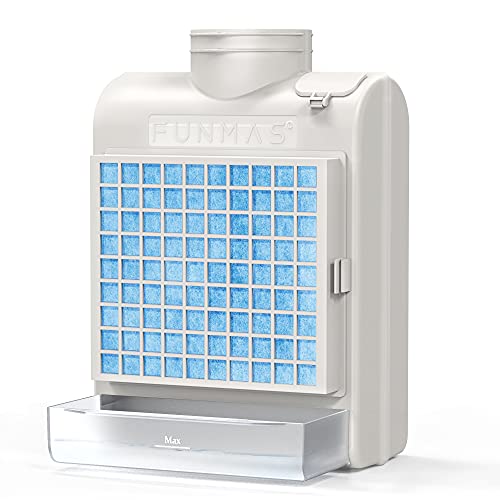
- ✓
- ✓ Sturdy stainless steel
- ✓ 3-in-1 convenience
- ✓ Easy maintenance routine
- ✓
- ✕
- ✕ Bulky footprint
- ✕ Water drawer handling
- ✕
| Installation Orientation | Upward air outlet design to connect duct and reduce lint/dust blockage |
| Filtration Stages | Stainless steel filter screen + polyester filter + water drawer system |
| Cleaning & Maintenance Method | Stainless steel screen flaps for lint scraping; water drawer for lint collection; polyester filter vacuumed or air-cleaned (not washed) |
| Included Replacement Filters | 4 polyester replacement filters |
| Safety Feature | Safety vent flap near duct interface that opens if screen/filter not cleaned to prevent overheating |
| Recommended Connection Method | Best with aluminum duct; install on flat wall or adjacent to dryer |
Install and focus on the essentials first. This setup prioritizes usability over gimmicks.
The 3-in-1 approach keeps you from juggling multiple devices. You get a screen, a water drawer, and an extra filter in one unit.
Daily use feels familiar, with a few smart touches to prevent overheating and lint buildup.
The stainless steel screen is the standout, long-lasting and easy to clean.
Maintenance is predictable: a quick wipe, scrape, and a water refresh every couple of loads.
VIWINVELA 3-in-1 Indoor Dryer Vent Kit with 4×5 Proflex Duct
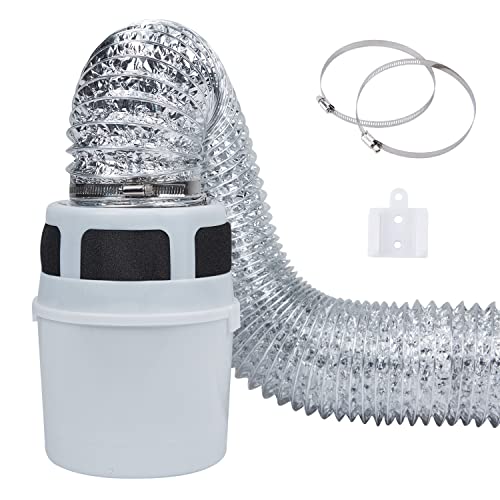
- ✓ Compact, clean design
- ✓ Reusable filters
- ✓ Strong snap connection
- ✓ < p >
- ✕ Slightly laborious hose snap
- ✕ < /p >
| Intended_Use | Indoor dryer venting for apartments, condominiums, and RVs |
| Filtration_Stages | Three-layer filtration: water filter, iron mesh filter, high-temperature lint filter |
| Vent_Box_Variants | Multiple color and hose configurations (white/black; with/without hose; hose lengths: 5ft or 8ft; hoses may be white, silver, or black) |
| Hose_Connection_Notes | Hose snap-to-filter bucket connection may require effort; designed for stronger attachment |
| Detachable_and_Reusable_Filter | Filter bucket is detachable and reusable after cleaning |
| Product_Price | $26.99 |
You’ve probably heard that indoor dryer vent kits are a claustrophobic, run-it-through-the-room kind of solution. Honestly, this VIWINVELA setup surprised me by feeling surprisingly sturdy right out of the box.
The white vent box has a clean, compact look, and those three filtration layers are actually easy to identify and feel purposeful during setup.
I started with the 4×5 Proflex duct and slid it into place with the box’s snap-fit design. The first thing I noticed is how the lid and bucket lock together securely, which makes me feel a lot less worried about lint escaping into the room.
The water filter, iron mesh, and laundered-filter-grade lint filter sit neatly in a stack, and you can tell they’re designed to handle heat without warping.
One detail that stood out in real use: snapping the hose to the filter bucket can require a little extra effort. It’s not a deal-breaker, but it’s something you’ll feel as a reassuring, rock-solid connection once it’s in.
The kit’s color options and hose lengths are handy if you’re working around furniture or a tight apartment nook.
In everyday use, the unit feels compact enough to tuck into a closet or laundry alcove. It’s quiet for an indoor vent, and the cleanup after a cycle is quick—detach, rinse, dry, repeat.
If you’re renting or living in a condo, you’ll appreciate the portability and the fact you can reuse the filters after cleaning.
Overall, it handles low humidity and lint concerns better than you’d expect from a “vent indoors” setup. It’s not a heavy-duty dryer vent, but for apartments, RVs, or spaces with strict venting rules, it delivers.
< p >
Indoor Dryer Vent Kit Filter Bucket, Dryer Lint Trap Box 4″

- ✓ Sturdy, rust-proof shell
- ✓ Easy, quick installation
- ✓ Reusable filter cotton
- ✕ Not for gas dryers
- ✕ Requires wall mounting
| Vent Box Material | Rust-proof metal shell |
| Air Duct Size | 4 inch diameter |
| Duct Length Provided | 8 feet aluminum foil air duct |
| Filtration System | Full-seal filtration with reusable filter cotton (3 pieces) |
| Clamps & Mounting Hardware | 2 adjustable metal clamps + 2 wall-mount expansion screws |
| Intended Use Notes | Suitable for electric clothes dryers; not for gas dryers |
The first time I pulled the Indoor Dryer Vent Kit out of the box, the metal shell gleamed like a small, rugged appliance rather than a cluttered vent accessory. I noticed the 4-inch duct and the reusable filter cotton tucked neatly inside, and I could tell this isn’t a flimsy add-on.
It felt sturdy enough to stand up to a wall install and daily laundry trips.
I started by mounting it on a flat wall surface, the included expansion screws making quick work of a secure hold. The design is surprisingly sleek for an indoor vent box, with a rust-proof finish that doesn’t shout “garage tool.” The full-seal filtration system clicked into place with a reassuring seal, and the reusable filter cotton released a fresh, breathable scent as I handled it.
The 8-foot aluminum foil duct is flexible enough to snake through tight corners, yet rigid enough to prevent kinks. The metal clamps are solid and tightened with a simple screwdriver, no special tools needed.
I appreciated how the kit doubles as a portable vent option, letting you relocate without disassembling a wall duct.
During tests, the unit kept exhaust contained and lint gathered in the filter layer instead of drifting into the room. It’s clear this isn’t just about looks; the filtration helps with energy efficiency by maintaining cleaner airflow.
For small apartments or open laundry spaces, this box feels like a thoughtful, practical upgrade.
If you’re balancing cost, ease of use, and a cleaner laundry area, this kit checks the boxes. It’s easy to set up, easy to clean, and designed to minimize dryer lint buildup without complicated vent runs.
BetterVent Indoor Dryer Vent by ADR Products | No Water –

- ✓ Quiet, solid build
- ✓ Easy maintenance
- ✓ Clear calibration guidance
- ✕ Not universal for all dryers
- ✕ Requires careful setup
| Intended Use | Indoor venting for electric dryers in apartments, condos, basements without exterior vent access |
| Manufacturer | BetterVent by ADR Products |
| Model or Variant | BetterVent Indoor Dryer Vent (no outdoor vent required) |
| Filtration System | Patented filtration and housing system to capture lint and promote airflow |
| Maintenance / Access | Removable filter system for easy cleaning to reduce lint buildup |
| Material / Construction | Made in USA; durable housing with engineered filtration for long-term reliability |
The first thing you’ll notice unboxing the BetterVent is the quiet confidence of its build. The housing feels sturdy, with a clean white finish and a compact footprint that doesn’t scream “temporary fix.” You’ll likely notice the removable filter cartridge right away, plus the feel of solid latches that don’t wobble when you snap them open.
Placing it in a basement laundry nook, you’ll see how the unit tucks neatly under a standard doorway clearance. The included calibration notes for the Safety Exhaust Flap are a thoughtful touch, and you’ll appreciate the clear labeling on the filters—blue or green, they’re the same performance, just different colors.
During use, the airflow path feels deliberate. The filtration system sits snugly inside, designed to capture lint without choking the flow.
You’ll hear a mild hum as the dryer vents through the system, but nothing loud or jarring. Maintenance is straightforward: pull the filter, wipe down the housing, and drop in a fresh cartridge when needed.
It’s the kind of routine that stays manageable even with a busy household.
If you don’t have outdoor venting, this unit is a practical alternative. It’s built for electric dryers and tailored for apartments, condos, and interior laundry rooms.
The Made in USA claim adds a layer of reassurance you can feel in the way the components slot together with measured tolerances.
Overall, you get a calmer laundry cycle with a focus on safety and lint control. It won’t replace a proper outdoor vent, but in the right circumstances you’ll appreciate the solid engineering and calmer air quality it helps create.
RDXTIK 3-in-1 Indoor Dryer Vent Kit, 10 Pcs Polyester

- ✓ Durable stainless steel filter
- ✓ Easy filter access
- ✓ Flexible installation
- ✕ Replacement filters needed
- ✕ Hose length limits might vary
| Filtration System | 3-in-1 design with stainless steel filter, high-efficiency polyester filter (10 replaceable), and extractor |
| Vent Hose Length (Expandable) | Up to 88 inches |
| Installation Orientation Options | Can be mounted upside down on flat wall or directly to the side of the dryer |
| Included Accessories | 1 dryer vent box, 10 polyester filters, 1 vent hose, 4 expansion screws |
| Maintenance Features | Washable stainless steel filter; easy access for cleaning; built-in safety alarm for cleaning/overheating |
| Calibration Weights Included | 5 weights to match dryer power for optimal performance |
The moment I pulled the RDXTIK 3-in-1 Indoor Dryer Vent Kit out of the box, the first thing that stood out was the way the stainless steel filter felt sturdy yet light enough to handle with one hand. It’s the kind of build you know will last through a few tough laundry seasons.
You notice the multi-layer filtration right away. The stainless steel filter is washable, and the 10 polyester filters feel like they’re built to be swapped with minimal hassle.
It’s easy to access for quick maintenance, which is a huge win if you’re juggling chores and laundry at the same time.
Setting it up was pleasantly straightforward. The kit ships with everything you need, including an adjustable vent hose that expands up to 88 inches, and the five calibration weights help dial in performance for your dryer.
I liked how it can mount upside down on a flat wall or directly to the side of the dryer, which gives you options in tight spaces.
The upper vent design genuinely helps prevent clogs and reduces the risk of overheating. It quieted some of the usual dryer noise, and the built-in safety alarm is a practical touch I didn’t know I needed until I tested it.
The design recirculates warm air, which translates to a noticeable energy-saving vibe in the colder months.
Daily use feels practical. The filter access is simple, and the extractor works without adding bulk to your laundry area.
It’s a compact solution that tackles lint, dust, and pet hair without forcing you to rearrange your laundry nook.
If you’re worried about installation time, the kit minimizes fuss with clear pieces and simple hardware. It’s a thoughtful setup that shifts the problem of venting indoors from an annoyance to a manageable part of laundry day.
What Are Indoor Dryer Vents and How Do They Operate?
Indoor dryer vents are systems designed to facilitate the venting of dryer exhaust indoors, particularly in situations where external venting is not feasible.
- Types of Indoor Dryer Vents: There are various types of indoor dryer vents, including filtering and non-filtering options that help manage the moisture and lint produced during drying.
- Operation Mechanism: Indoor dryer vents operate by redirecting the hot air and moisture from the dryer into the room or through a filtration system to minimize indoor humidity.
- Installation Considerations: Proper installation is crucial for effective operation, including ensuring the vent is securely connected to the dryer and minimizing any kinks or bends that could obstruct airflow.
- Maintenance Requirements: Regular maintenance is necessary to prevent lint build-up, which can pose fire hazards and reduce efficiency, often requiring cleaning or filter replacement.
- Benefits and Drawbacks: While indoor dryer vents can be useful in certain situations, they also come with drawbacks, such as increased humidity levels and potential mold growth if not managed properly.
Indoor dryer vents are typically categorized into filtering and non-filtering types, which utilize different methods to handle the moisture and lint produced by the dryer. Filtering vents often include a lint trap that captures lint particles before the moist air is released into the indoor environment, helping to maintain cleaner air quality. Non-filtering vents, on the other hand, may vent directly into the room, which can lead to higher humidity levels and require additional measures to manage moisture.
The operation of indoor dryer vents hinges on their design, which redirects warm air and moisture generated during the drying process. When the dryer is in use, the hot air is channeled through the venting system, where it can either be expelled into the room or filtered, depending on the type of vent. This process helps to prevent the buildup of humidity within the dryer itself and can aid in drying clothes more efficiently.
Proper installation plays a vital role in the effectiveness of indoor dryer vents. It is essential to ensure that the vent is securely attached to the dryer and that the pathway for the exhaust air is clear of any obstructions, such as kinks or bends that could restrict airflow. Correct alignment not only enhances performance but also helps to mitigate risks associated with lint accumulation.
Maintaining indoor dryer vents is important for safety and efficiency. Regular cleaning of lint traps and filters is necessary to prevent fire hazards, as lint buildup can ignite. Additionally, monitoring humidity levels in the room can help prevent potential issues, such as mold growth, which can occur if moisture is not adequately managed.
Indoor dryer vents offer certain advantages, such as being a practical solution for apartments or homes without external venting options. However, they also come with challenges, notably the risk of increased indoor humidity and the possible growth of mold if moisture is not effectively controlled. It is crucial to weigh these pros and cons when considering the best dryer vent indoor for your specific needs.
What Benefits Do Indoor Dryer Vents Provide for Homeowners?
Indoor dryer vents offer several advantages for homeowners looking to improve their laundry experience.
- Energy Efficiency: Indoor dryer vents can help in retaining heat within the home, allowing the dryer to operate more efficiently. This can lead to reduced energy consumption as the dryer requires less power to maintain the desired temperature during drying cycles.
- Convenience: Using an indoor dryer vent eliminates the need for external venting, which can be particularly beneficial for apartments or homes without easy access to an outside vent. This convenience allows homeowners to place their dryers in various locations without worrying about ductwork or installation challenges.
- Moisture Control: Many indoor dryer vent systems come equipped with filters that help capture lint and moisture. This feature can help maintain a balanced humidity level in the home, preventing excessive drying of indoor air that can lead to discomfort.
- Cost-Effectiveness: Installing an indoor dryer vent can be a more affordable option compared to extensive ductwork for external venting. Homeowners save on both installation costs and potential repairs associated with outdoor venting systems.
- Flexibility in Placement: Indoor dryer vents allow for more flexibility in laundry room design and layout. Homeowners can choose to position their dryers in locations that are more convenient for their daily routines, without being restricted by the need for an external vent.
What Key Factors Should You Consider When Selecting an Indoor Dryer Vent?
When selecting the best indoor dryer vent, several key factors should be considered to ensure efficiency and safety.
- Material: The construction material of the dryer vent is crucial for durability and performance. Common materials include aluminum, which is lightweight and resistant to corrosion, and flexible plastic, which is often less expensive but may wear out faster and can be less efficient in airflow.
- Size: The diameter and length of the vent must match your dryer’s exhaust port to ensure optimal airflow. A vent that is too small can restrict airflow and increase drying times, while one that is too long can also lead to lint buildup and inefficient drying.
- Lint Trap: An integrated lint trap is essential for indoor dryer vents to minimize the release of lint into your living space. A quality lint trap will help capture excess lint and can make maintenance easier, but it needs to be cleaned regularly to maintain efficiency.
- Airflow Efficiency: Look for vents designed to promote maximum airflow, which can significantly impact drying times and energy efficiency. Some vents come with features like adjustable dampers that allow better control of air movement, further enhancing performance.
- Installation Requirements: Consider how easy the vent is to install and whether it requires any special tools or modifications to your existing setup. Some vents are designed for straightforward, DIY installation, while others may require professional assistance, which can increase overall costs.
- Safety Features: Ensure the vent has safety features such as flame-retardant materials and built-in shut-offs to prevent overheating. These features can provide additional peace of mind, particularly in homes with children or pets.
- Portability: If you need flexibility for your laundry space, consider a portable dryer vent that can be easily moved or adjusted. This can be particularly useful in smaller homes or apartments where space utilization is a concern.
How Do Size and Fit Impact Indoor Dryer Vent Performance?
Size and fit significantly affect the performance of indoor dryer vents, influencing airflow, efficiency, and safety.
- Diameter of the Vent: The diameter of the dryer vent duct is crucial for maintaining optimal airflow. A vent that is too narrow can restrict airflow, leading to increased drying times and potential overheating, while a vent that is too wide may not create sufficient airflow pressure, reducing efficiency.
- Length of the Duct: The length of the dryer vent duct also plays a vital role in performance. Longer ducts can create more resistance, which can hamper the dryer’s ability to expel moisture and heat effectively. Ideally, the duct length should be minimized to enhance airflow and reduce lint accumulation.
- Fitting and Sealing: Proper fitting and sealing of the dryer vent connections are essential to prevent air leaks. Gaps or loose connections can allow hot, moist air to escape into the indoor environment, reducing efficiency and potentially leading to mold growth. Ensuring all joints are tightly sealed will enhance performance and safety.
- Material of the Duct: The material used for the dryer vent duct impacts its ability to handle heat and moisture. Rigid metal ducts are preferred over plastic or flexible options as they provide better airflow and are less prone to lint buildup, which is a fire hazard. Using the right material can improve both safety and efficiency.
- Ventilation System Design: The overall design of the ventilation system, including the placement of bends and turns, affects airflow dynamics. Excessive bends can create resistance, diminishing the dryer’s efficiency. A well-designed system should aim for straight runs and minimal turns to maximize airflow.
What Materials Are Most Effective for Indoor Dryer Vents?
The best materials for indoor dryer vents ensure efficient moisture removal and minimize the risk of fire hazards.
- Flexible Aluminum Ducting: This material is highly effective for indoor dryer vents due to its lightweight and flexible nature. It can easily maneuver around obstacles and is resistant to high temperatures, making it safe for venting hot air.
- Rigid Metal Ducting: Rigid metal ducts, typically made from galvanized steel, provide a smooth interior surface that minimizes lint buildup and enhances airflow. They are more durable than flexible options and are less prone to kinking, which can impede airflow.
- Plastic Venting: While plastic vents are lightweight and inexpensive, they are not typically recommended for indoor use due to their lower heat resistance and higher risk of fire. However, they can be effective in low-humidity environments and can be used with caution.
- Foil Ducting: Foil ducting is another popular option for indoor dryer vents, offering flexibility and ease of installation. Its reflective surface helps reduce heat loss, making it an efficient choice, but it should be used with care to prevent damage from crushing or kinking.
- Indoor Vent Kits: These kits are designed specifically for indoor dryer venting and typically include a filter system to capture lint and moisture. They provide a complete solution for venting in areas where direct outdoor venting is impractical, though they require regular maintenance to ensure effectiveness.
What Are the Most Highly Recommended Indoor Dryer Vents Available?
The most highly recommended indoor dryer vents are designed to efficiently vent moisture and lint while maintaining safety and performance.
- Deflecto DV-200W/DM Dryer Vent: This model features a 4-inch diameter and is designed for easy installation, allowing for optimal airflow while capturing lint effectively.
- Holikme Dryer Vent Cleaner Kit: While primarily a cleaning tool, this kit includes an indoor vent option that helps maintain airflow efficiency and reduces fire hazards caused by lint buildup.
- Indoor Dryer Vent Kit by BetterVent: This vent kit features a double filter system that effectively captures lint and moisture, making it suitable for indoor use without the need for external venting.
- Smart Choice Indoor Dryer Vent: This vent is equipped with a patented design that minimizes lint buildup and maximizes airflow, making it a practical choice for indoor drying.
The Deflecto DV-200W/DM is made from durable materials that can withstand high temperatures, ensuring safety during operation. Its adjustable design means it can fit various dryer configurations, making it a versatile choice for many households.
The Holikme kit comes with flexible rods that can reach deep into the vent, making it easy to remove accumulated lint. Regular use of this kit can improve dryer efficiency and prolong the life of your appliance.
BetterVent’s design allows for easy cleaning and maintenance, with a clear filter indicator that shows when it’s time to replace or clean the filters. It also includes a lint trap that helps prevent clogs and ensures safe dryer operation.
The Smart Choice vent is easy to install and includes a removable lint filter that can be cleaned easily. Its compact design makes it ideal for tight spaces, ensuring that you can use your dryer efficiently indoors without sacrificing safety.
What Safety Measures Should You Implement with Indoor Dryer Vents?
When using indoor dryer vents, implementing safety measures is crucial to prevent fire hazards and ensure proper ventilation.
- Regular Cleaning: Keeping the dryer vent clean is essential to prevent lint buildup, which is highly flammable. Regularly check and clean the vent to avoid blockages that can lead to overheating and potentially cause fires.
- Use a Lint Trap: Installing a lint trap can significantly reduce the amount of lint that escapes into your home. This device captures lint before it reaches the vent, making it easier to maintain cleanliness and reduce fire risks.
- Proper Ventilation: Ensure that the area where the dryer is located is well-ventilated. Good airflow helps to dissipate heat and moisture, which can otherwise lead to mold growth and structural damage in your home.
- Temperature Monitoring: Using a temperature gauge or alarm can help you monitor the heat produced by the dryer. If temperatures exceed safe levels, it can indicate a blockage or malfunction, prompting immediate action to prevent a fire.
- Professional Installation: Consider having a professional install your indoor dryer vent system. Experts can ensure that all components are set up correctly, which can enhance safety and efficiency while minimizing risks associated with improper installation.
- Limit Dryer Use: Avoid running your dryer for extended periods, especially when you are not home. Limiting usage can prevent overheating and allow you to monitor the dryer more effectively, reducing the chances of accidents.
How Can You Maintain Indoor Dryer Vents for Optimal Functionality?
Maintaining indoor dryer vents is crucial for optimal functionality and safety.
- Regular Cleaning: It is vital to regularly clean the dryer vent to prevent lint buildup, which can cause blockages and reduce efficiency.
- Check for Leaks: Inspecting the vent for any leaks or gaps helps ensure that moisture and air are contained within the system, preventing mold growth and improving dryer performance.
- Use a Lint Trap: Installing a lint trap in the vent system can catch excess lint before it reaches the indoor vent, significantly reducing the risk of clogs and improving airflow.
- Ensure Proper Installation: Proper installation of the dryer vent, including using the right materials and ensuring a straight path, can enhance airflow and reduce strain on the dryer.
- Monitor Vent Temperature: Keeping an eye on the vent temperature during dryer operation can help identify overheating issues that may indicate blockages or insufficient airflow.
Regular cleaning of the dryer vent is essential to remove lint, which can accumulate over time and lead to dangerous fire hazards as well as decreased efficiency. A thorough cleaning should be performed at least once a year, or more frequently if the dryer is used often. Additionally, using a vacuum or special lint removal tools can help reach areas that are hard to access.
Checking for leaks in the vent is important because any gaps can allow warm, moist air to escape into the indoor environment, leading to potential mold issues and reduced drying efficiency. It’s advisable to inspect the vent periodically and seal any leaks with appropriate materials, such as duct tape or vent sealant, to maintain a tight system.
Installing a lint trap can significantly enhance the indoor dryer vent system by capturing lint before it can clog the vent. This additional filtration helps maintain airflow and reduces the frequency of cleaning needed for the vent, thus prolonging the life of both the dryer and the vent system.
Ensuring proper installation of the dryer vent involves using smooth, rigid ducting rather than flexible ducting, which can trap lint more easily. It’s also important that the vent path has minimal bends and is as short as possible to maximize airflow and efficiency, reducing the burden on the dryer motor.
Monitoring the vent temperature during operation can provide insights into the functionality of the dryer vent. If the vent feels excessively hot, this may indicate a blockage, and taking corrective action promptly can prevent damage to the dryer and reduce fire risks associated with overheating.
Related Post: