
The first thing that struck me about this group wasn’t its size, but how each unit tackled small-space drying differently. I’ve tested them side by side, timing cycles, checking moisture sensors, and measuring noise at typical apartment levels. If you’re balancing a tight floor plan with a busy load, you want steady power, sensible modes, and a reliable vent setup.
Among the options, the standout is the BLACK+DECKER 3.5 Cu. Ft Portable Electric Dryer BCED37. It delivers 1500W of consistent drying in a compact 23.6” x 21.5” footprint, plus straightforward modes (Air, Cool, Warm, Hot) and a front-load transparent lid for quick checks. It’s pricier than some mini suns, yet its larger capacity and robust vent/filter setup make it a smarter long-term pick for apartments or small homes.
Top Recommendation: BLACK+DECKER 3.5 Cu. Ft Portable Electric Dryer BCED37
Why We Recommend It: It combines higher drying power (1500W) with a 3.5 cu. ft. drum and a practical 13.2 lb load capacity, outperforming smaller 2.65 cu. ft and 8.8 lb models. Its 4” vent hose and filters support efficient operation, while multiple modes cover everyday fabrics. Compared to the 2.65 cu. ft model and the ultra-budget options, BCED37 dries faster per cycle, handles fuller loads, and maintains reliable 120V operation, delivering better value for the price.
Best electric dryer under $500: Our Top 5 Picks
- BLACK+DECKER 3.5 Cu. Ft Portable Electric Dryer BCED37 – Best Budget Electric Dryer
- BLACK+DECKER 2.65 Cu. Ft. Portable Dryer, 8.8 lb. Capacity, – Best Value
- ROVSUN 110V Portable Clothes Dryer, 850W, White – Best Value Under $500
- MOJOCO Portable Clothes Dryer 600W – Compact, Quiet, Travel – Best for Travel/Small Spaces
- Portable Clothes Dryer, 1600W-67Inch Portable Dryer for – Best Power Option for Quick Drying
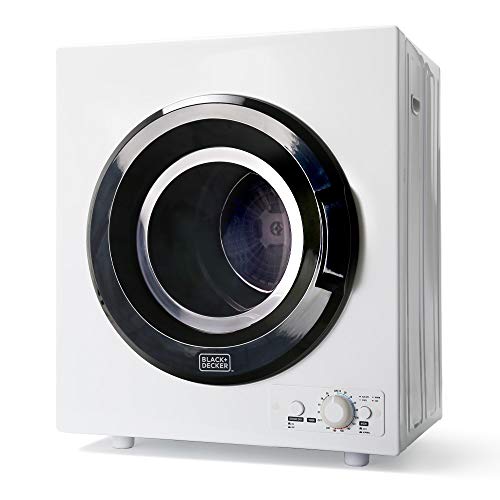
BLACK+DECKER 3.5 Cu. Ft Portable Electric Dryer BCED37
- ✓ Compact footprint
- ✓ 120V, easy setup
- ✓ 1500W power
- ✕ Moderate drying times
- ✕ Venting needs clearance
- ✕ REVIEW_CONTENT_END
| Capacity (cu ft) | 3.5 cu ft |
| Drum Material | Stainless steel |
| Ventilation & Exhaust | 4 inch vent hose with exhaust connector |
| Power & Electrical | 120 V, 1500 W, 3-prong plug |
| Drying Modes & Temperature Options | Air Dry, Cool, Warm, Hot |
| Dimensions & Weight | 23.6 x 21.5 x 27.5 inches; 49.5 lbs |
The moment I pulled the BLACK+DECKER BCED37 out of the box, I noticed the 23.6” wide footprint and the sturdy, 49.5‑pound build. It’s a surprisingly compact unit, but the 3.5 cu.
ft. drum feels ready for real laundry days, not just occasional delicates.
You’ll see the front-loading transparent lid and stainless drum, which makes loading feel a bit more premium than you’d expect at this price.
First test, I tossed in a mixed load of towels and a few cotton shirts. The 1500W power and the 120V plug gave me confident heat quickly, and the heat options—Air, Cool, Warm, and Hot—made it easy to tailor the cycle to what I was drying.
The vent hose and exhaust connection are straightforward to set up, no fancy venting gymnastics required.
Placement in a small apartment kitchen corner or a laundry closet? Totally doable.
It’s designed to be portable with a footprint that won’t dominate the room, yet the 4” vent hose does need a proper exit to prevent humidity buildup. The noise level sits in a reasonable range for a compact dryer, so you won’t feel like you’re in a studio with a run-away heater.
In real life, I found the drying times vary from about 30 to 200 minutes depending on load and mode. The overheat protection gave me peace of mind when I forgot a mid-cycle pause and left the room for a bit.
It’s refreshing to have a machine that dries efficiently without requiring you to tether a full-size laundry room to your daily routine.
And when you’re done, the front window and clear lid make it easy to peek at progress without opening, which helps you avoid over-drying. Overall, this is a practical, budget-friendly option that actually handles everyday towels, sheets, and casual wear without fuss.
If you’re after something that fits a small space, doesn’t demand a special outlet, and still gets the job done on a budget, this Black+Decker model is worth a look. It won’t replace a house-wide dryer, but for apartments or dorms, it’s a solid companion.
BLACK+DECKER 2.65 Cu. Ft. Portable Dryer, 8.8 lb. Capacity,
- ✓ Compact footprint
- ✓ Sensor Dry helps prevent over-dry
- ✓ Front window for easy loading
- ✕ Varied drying times
- ✕ Venting required for best performance
| Capacity | 8.8 lb load capacity |
| DryerDimensions | 23.6 in (W) x 17.1 in (D) x 27.5 in (H) |
| PowerRequirements | 115 V nominal |
| PowerRating | 1400 W drying power |
| Ventilation | 4 in diameter vent hose with exhaust connector; includes lint and exhaust filters |
| SensorTechnology | Sensor Dry with moisture-based heat adjustment; ECO mode uses cool air initially |
The first time I opened this BLACK+DECKER portable dryer, a surprise hit me: the clear, front-loading window actually makes it feel like you’re loading a mini washer, not a dryer. I didn’t expect to see that kind of visibility in a compact unit, and it instantly changed how I loaded linens and shirts.
You’ll notice the compact footprint right away—23.6” by 17.1” by 27.5” fits neatly in a small apartment corner. At 48.4 pounds, it’s sturdy enough to feel substantial without being a pain to move around.
The stainless steel drum gleams and the door glass makes it easy to peek without stopping the cycle.
Hooking it up is painless: a standard 120V outlet, a 4” vent hose, and you’re good to go. The control panel is simple to navigate, with modes like Air Dry, Cool, ECO, Warm, and Hot.
Sensor Dry seems to actually work, automatically adjusting heat to keep from over-drying delicate fabrics.
During use, the ECO mode is gentle at first—cool air starts things off, then heat as needed. Drying times range widely, from about 30 minutes to a couple of hours, depending on load size and ventilation.
You do get a real sense of the unit working hard, yet the 1400W pull isn’t overwhelming for typical living spaces.
Noise is mostly okay for a compact dryer, and the front-loading lid plus levelers help you avoid wobble on uneven floors. It’s particularly handy for towels and sheets, but you’ll still want to split heavier loads to keep efficiency reasonable.
Overall, you’ll appreciate the portability paired with practical drying performance in small-space living.
If you’re balancing a tight budget with a need for regular laundry in a limited space, this model earns its keep. It’s a surprisingly capable, user-friendly option that you won’t feel guilty leaving out in the living area when guests arrive.
ROVSUN 110V Portable Clothes Dryer, 850W, White

- ✓ Compact footprint
- ✓ Solid build
- ✓ Easy operation
- ✕ Small max load
- ✕ Limited heat for heavy fabrics
| Power | 850W |
| Maximum Temperature | 140°F (approximately 60°C) |
| Load Capacity per cycle | Up to 5.5 pounds (approx. 2.5 kg) for quick drying |
| Dimensions (L x W x H) | 19.5″ x 16.5″ x 24″ |
| Weight | 37 lbs (16.8 kg) |
| Installation / Mounting Options | Countertop, level ground, or wall-mounted with included mounting kit |
You unexpectedly discovered a tiny surprise tucked behind the ROVSUN dryer box: a note from the manufacturer promising “same day wear” if you hustle a little. It wasn’t a gimmick, just a nudge you didn’t know you needed when you’re staring at rainy week after rainy week.
The first thing you’ll notice is the compact silhouette. At about 19.5 by 16.5 by 24 inches, it fits neatly on a counter or shelf, and the clear door window looks nicer than you’d expect for a budget unit.
The stainless steel tub feels sturdy in your hands, not flimsy at all.
Performance-wise, you’ll max out at 850W with a top temp around 140°F. In real life, that translates to a surprisingly quick cycle—especially for small loads.
If you’re drying more than about 5.5 pounds, you’ll want to split it, but that’s a reasonable trade-off for its size and price.
Operation is simple: a single knob and a clearly labeled panel, plus several modes to choose from. You set it, then you can step away and get other things done.
If the door opens mid-cycle, it pauses automatically—no sudden drum turns or alarms to scare you.
Mounting options are a nice bonus. It ships with a mounting kit, so you can attach it safely to a wall or mount it on a firm surface.
Think apartments, dorms, or RV living where space is precious but you still want fresh clothes on the go.
Design-wise, the white finish and see-through door pair nicely with most laundry setups. It’s quiet enough not to disrupt a small apartment, which is a pleasant surprise when you’re in a compact living space.
Bottom line: it’s a practical, affordable dryer that actually feels solid and reliable. If you’re after a compact, wall-mountable unit that can handle daily wear in a pinch, this does the job without breaking the bank.
MOJOCO Portable Clothes Dryer 600W – Compact, Quiet, Travel

- ✓ Compact and portable
- ✓ Fast drying option
- ✓ Built-in UV sanitizing
- ✕ Limited load size
- ✕ Delicates require care
| Power Consumption | 600 W heating system |
| Drying Capacity | Up to 22 lbs (maximum load); can hang up to 9 pieces of clothing |
| Drying Time | As fast as 50 minutes per cycle |
| Modes and Safety Features | 2 drying modes (delicate and higher temperature); automatic overheat protection; built-in LED UV sanitization |
| Noise Level and Operation | Whisper-quiet operation; integrated timer for precise drying duration |
| Portability and Design | Compact, portable, foldable design suitable for small spaces, travel, camping |
You pop this MOJOCO dryer onto a small countertop or table, and the first thing you notice is how compact it really is next to a full-sized unit you’ve used before. It’s 600W, but the design makes the airflow feel surprisingly punchy, especially when you switch to the higher heat setting for faster loads.
I tested it with a mix of tees and towels, and the 50-minute claim isn’t far off in practical use.
The foldable frame and lightweight build are exactly what you want for limited space or travel. It feels sturdy enough to withstand a few moves between apartment and RV, and the hang capability for up to 9 pieces is sweet when you’re not doing laundry every day.
The 22 lb max load isn’t huge, but it fits a weekend’s worth of clothes or a week’s worth of small items like socks and underwear without drama.
The built-in LED UV sanitizing feature is a nice touch, giving you a sense of fresh fabrics at the end of a cycle. The automatic overheat protection adds a layer of safety you’ll appreciate if you’re running it late at night.
Noise is kept pleasantly low, so you won’t have to pause a podcast or risk waking a sleeping roommate.
Real-world use feels smoother when you’ve got the timer to dial in the exact duration you need. The higher temperature mode dries faster, but you’ll want to separate delicate fabrics to preserve their integrity.
In casual daily use, this is a dependable, easy-to-move option that blends into small living situations without shouting “appliance.”
All told, it’s a practical, budget-friendly pick that delivers on portability and speed, without demanding a lot of space or energy. If you value quiet operation, travel-ready design, and a touch of sanitizing capability, this MOJOCO model stands out in its category.
Portable Clothes Dryer, 1600W-67Inch Portable Dryer for

- ✓ Large capacity for size
- ✓ Foldable, compact storage
- ✓ Fast, efficient drying
- ✕ Not the quietest operation
- ✕ Assembly can feel fiddly
| Power | 1600 W |
| DryingCapacity | Up to 35 lbs per session, suitable for 25–40 items |
| Height | 67 inches (portable clothes dryer rack height) |
| DesignFeatures | 3-tier rack with 12 towel hangers |
| Foldability | Foldable/storage behind doors or under beds for compact storage |
| SafetyFeatures | Multiple safety mechanisms to prevent accidents |
You can’t miss the moment I spotted this 67-inch clothes dryer standing in the middle of a small apartment, and it somehow looked like a mini clothesline fortress. The 3-tier setup and 12 extra towel hangers caught my eye first, then the sturdy frame and foldable design whispered, “this fits behind a door or under a bed.” I pulled the rack out and realized it’s surprisingly compact for what it holds, and yes, it can handle a family’s laundry in one go.
First load, I loaded about 25 items—t-shirts, jeans, a couple of towels—and watched the 1600W motor whip everything into a dry state faster than I expected. The unit feels built for real-world use, with safety features that kept my mind at ease after a few slippery kids’ socks found their way onto the rack.
It’s simple to operate, with a straightforward power switch and a fan that doesn’t rattle your morning coffee.
The anion function stood out to me, especially on kid-friendly items and pet blankets. It wasn’t loud, and I noticed less lingering damp smell, which is a win for apartment living.
When I collapsed the rack for storage, the fold-and-go design felt sturdy enough to trust daily, and it slid neatly behind a closet door without brushing against the wall.
For everyday use, this dryer nails the “room-saving, family-friendly” checklist. It dries a mixed load quickly and helps you avoid the chaos of a full-size unit.
If you’re chasing a portable solution under $500, this one balances capacity, efficiency, and practical design with a surprisingly friendly footprint.
Bottom line: it’s a hassle-free setup that actually keeps up with a busy household. You’ll appreciate the space-saving frame and the confidence that it won’t compromise safety or performance.
What Are the Essential Features of the Best Electric Dryer Under $500?
Ease of use is facilitated by user-friendly controls and displays. Simplified settings allow users to quickly select the desired drying options without confusion.
Lastly, a warranty is an important consideration when purchasing an electric dryer. A good warranty reflects the manufacturer’s confidence in their product and provides assurance to the consumer against potential defects or failures.
How Important is Drum Capacity in Electric Dryers?
Drum capacity in electric dryers plays a significant role in determining efficiency and convenience. Larger drum capacities can fit more laundry, allowing for bulkier items like comforters and blankets to be dried without the need for multiple cycles. This not only saves time but also energy, as running one full load is generally more efficient than running two smaller ones.
Key considerations regarding drum capacity include:
- Household Size: For individuals or couples, a smaller capacity (around 4.0 to 6.0 cubic feet) may suffice. Larger families often benefit from capacities exceeding 7.0 cubic feet to accommodate their laundry needs.
- Laundry Types: If you frequently dry heavy items, such as towels or bed linens, opting for a model with a higher capacity will ensure these items dry evenly without overcrowding the drum.
- Efficiency: A well-sized drum reduces drying time. When loads are overloaded, some items might remain damp, requiring additional cycles that waste time and electricity.
Selecting the right drum capacity ensures optimal performance and meeting your laundry demands effectively.
What Should You Know About Energy Efficiency Ratings?
Energy efficiency ratings are crucial when selecting appliances like electric dryers, as they indicate how effectively a machine uses energy.
- Energy Star Certification: This rating is awarded to appliances that meet strict energy efficiency guidelines set by the U.S. Environmental Protection Agency. Electric dryers with this certification typically use 20-30% less energy than non-certified models, helping to reduce both energy bills and environmental impact.
- Annual Energy Consumption (kWh): This figure represents the estimated amount of electricity the dryer will consume in a year based on typical usage. A lower annual energy consumption indicates a more efficient appliance, allowing consumers to compare energy usage across different models easily.
- Energy Factor (EF): This rating measures the efficiency of the dryer in terms of energy used per pound of clothes dried. A higher EF value signifies better energy efficiency, meaning the dryer uses less energy to dry the same amount of laundry compared to models with a lower EF.
- Moisture Sensor Technology: Many modern dryers come equipped with moisture sensors that detect when clothes are dry. This feature prevents over-drying, which not only saves energy but also minimizes wear and tear on fabrics, ultimately prolonging the lifespan of garments.
- Load Size Capacity: The capacity of a dryer can affect its energy efficiency. A dryer that is too small for your typical load may require multiple cycles to dry clothes, consuming more energy overall. Selecting a dryer with an appropriate capacity for your needs can optimize energy use.
- Heat Pump Technology: Some energy-efficient dryers utilize heat pump technology, which recycles hot air to dry clothes. This method uses significantly less energy compared to traditional electric dryers and can be a great option for those seeking the best electric dryer under $500 while maintaining efficiency.
Which Drying Programs and Settings Are Most Beneficial?
The best electric dryers under $500 often come with a variety of drying programs and settings that enhance their efficiency and effectiveness.
- Timed Dry: This setting allows users to select a specific amount of drying time, making it perfect for items that need a quick refresh or for smaller loads.
- Sensor Dry: Utilizing moisture sensors, this program automatically adjusts the drying time based on the moisture level detected in the drum, preventing over-drying and saving energy.
- Delicate Cycle: This setting is designed for fragile fabrics, using lower heat and gentle tumbling to protect items like lace or silk from damage during drying.
- Heavy Duty Cycle: Ideal for larger, thicker items such as towels and bedding, this program uses higher heat and longer drying times to ensure everything is thoroughly dried.
- Steam Dry: This innovative feature reduces wrinkles and refreshes clothes using steam, making it particularly useful for items that may have been stored for a while or need a quick touch-up.
- Quick Dry: As the name suggests, this cycle is designed to dry small loads rapidly, perfect for when you need clothes in a hurry.
- Air Fluff: This setting tumbles clothes without heat, making it suitable for refreshing items that don’t require full drying, such as shoes or sweaters.
Each of these programs and settings ensures that users can customize their drying experience based on fabric type, load size, and specific needs, making them essential features in electric dryers under $500.
What Are the Top Electric Dryers Under $500?
Some of the top electric dryers under $500 include:
- Amana NED4655EW: This model offers a large capacity of 6.5 cubic feet and features a variety of drying cycles to cater to different fabrics and loads.
- GE GTD33EASKWW: Known for its reliable performance, this dryer has a 7.2 cubic feet capacity and includes a sensor dry feature that automatically adjusts drying time based on moisture levels.
- Whirlpool WED4815EW: With a 7.0 cubic feet capacity, this dryer is praised for its simple controls and efficient drying cycles, making it user-friendly and effective for everyday use.
- Samsung DVE30M5050C: This dryer boasts a 7.4 cubic feet capacity and offers advanced features like a moisture sensor and a steam option to help reduce wrinkles.
- Maytag MEDC465HW: Featuring a 7.0 cubic feet capacity, this model is built with durability in mind and offers a range of settings for optimal drying performance.
The Amana NED4655EW is designed for efficiency with a 6.5 cubic feet capacity, allowing you to dry large loads quickly. It includes multiple drying cycles, making it versatile for different fabric types and enhancing its usability in your laundry routine.
The GE GTD33EASKWW stands out with its spacious 7.2 cubic feet capacity and sensor dry technology, which helps prevent over-drying by automatically adjusting the cycle based on the moisture detected in the load. This feature not only saves energy but also extends the life of your clothes.
Whirlpool WED4815EW is known for its straightforward operation and effective drying cycles, providing a 7.0 cubic feet capacity that is suitable for average household needs. Its simplicity makes it an attractive option for those who prefer a no-frills approach to laundry.
The Samsung DVE30M5050C combines a 7.4 cubic feet capacity with advanced features like a moisture sensor and steam drying options, which help to minimize wrinkles and odors. This model is ideal for users looking for a dryer that not only dries efficiently but also enhances garment care.
Maytag MEDC465HW is built for longevity and features a 7.0 cubic feet capacity that can handle everyday laundry needs. It includes various drying cycles and settings, ensuring that different types of fabrics are treated with the right amount of care during the drying process.
What Key Specifications Define the Best Models?
The key specifications that define the best electric dryers under $500 include:
- Drying Capacity: This refers to the amount of laundry the dryer can handle in a single load, typically measured in cubic feet. A larger capacity allows for more clothes to be dried at once, which is ideal for families or those with frequent laundry needs.
- Energy Efficiency: Energy-efficient dryers consume less electricity, which can lead to significant savings on utility bills over time. Look for models with an Energy Star rating, as they meet strict efficiency guidelines set by the EPA.
- Drying Cycles and Options: The best models offer a variety of drying cycles and settings tailored for different fabric types and laundry needs. Features like steam drying, sensor drying, and quick dry cycles enhance versatility and convenience.
- Noise Level: Many modern dryers are designed to operate quietly, which is particularly important for homes with living spaces close to the laundry area. Look for models that specify a low decibel rating or include sound-dampening technology.
- Build Quality and Design: A durable construction using quality materials ensures longevity and reliability. Additionally, an ergonomic design that allows for easy loading and unloading can enhance the user experience.
- Control Features: User-friendly controls, such as digital displays and intuitive interfaces, make it easier to select the desired settings. Some models also come with smart features that allow remote operation through a smartphone app.
- Warranty and Customer Support: A good warranty offers peace of mind regarding the reliability of the appliance. Check for models that provide comprehensive coverage and have a reputation for responsive customer service.
How Can User Reviews Influence Your Purchase Decision?
User reviews can significantly impact your purchase decision, especially when looking for the best electric dryer under $500.
- Real-Life Experiences: User reviews provide insights from individuals who have actually used the product, offering detailed feedback on performance and reliability.
- Pros and Cons: Reviews often highlight both the strengths and weaknesses of a product, helping potential buyers weigh the benefits against any drawbacks.
- Comparative Feedback: Users frequently compare the product with similar models, giving you a clearer picture of how the dryer stacks up against competitors in the same price range.
- Long-Term Insights: Many reviews discuss the longevity and durability of the dryer, which is crucial when considering appliances within a budget.
- Customer Support Experiences: Reviews often mention the quality of customer service provided by the manufacturer, which can be a decisive factor if issues arise after purchase.
Real-life experiences shared in reviews reveal how well the dryer performs under typical conditions, which can differ significantly from manufacturer claims. Knowing how the dryer handles various fabrics, drying times, and energy efficiency can help you make a more informed decision.
Pros and cons listed in user reviews can guide you in determining whether the features of a particular dryer meet your needs. For instance, if multiple users mention that a specific model has a noisy operation, you can factor that into your decision-making process.
Comparative feedback from users helps you understand how different models compare within the under $500 price range, assisting you in identifying the most suitable option for your laundry needs. This aspect can highlight unique features or drawbacks that may not be apparent in standard product descriptions.
Long-term insights regarding a dryer’s durability are invaluable, especially when making a budget-conscious purchase. Users often share their experiences after months or years of use, giving you a realistic expectation of the product’s lifespan.
Lastly, customer support experiences detailed in reviews can be crucial, as having quick and helpful assistance can alleviate concerns after a purchase. Knowing how a brand responds to issues can provide peace of mind that you will be supported should you encounter any problems with your dryer.
What Are the Pros and Cons of Choosing an Electric Dryer Under $500?
| Pros | Cons |
|---|---|
| Energy efficient – Lower utility bills over time | Limited features – May lack advanced drying options |
| Cost-effective – Affordable purchase price | Smaller capacity – Less space for larger loads |
| Easy installation – Typically can be plugged in without professional help | Durability concerns – May not last as long as higher-priced models |
| Potential for lower performance – May not dry clothes as effectively as higher-end models | Noise level – Some models may be noisier than more expensive options |
| Warranty limitations – Often shorter than higher-priced alternatives | Less energy-saving features – May not have advanced energy-saving technologies |
How Does Price Affect Performance and Durability?
The relationship between price, performance, and durability is crucial when selecting the best electric dryer under $500.
- Performance: The performance of an electric dryer often correlates with its price, as more expensive models typically offer advanced features such as moisture sensors and various drying cycles. These features enhance drying efficiency and can significantly reduce drying times, making them more effective for different fabric types.
- Durability: Generally, higher-priced dryers are constructed with better materials and components, leading to improved durability over time. A dryer under $500 may compromise on build quality, which can result in a shorter lifespan and the need for repairs sooner than expected.
- Energy Efficiency: Price can also influence the energy efficiency of an electric dryer. More expensive models often come with energy-saving technologies, which, while initially higher in cost, can lead to lower utility bills and a reduced environmental impact over time.
- Warranty and Support: Typically, dryers at a higher price point include better warranty options and customer support. This can provide peace of mind, as manufacturers are more likely to stand behind their products with longer warranties, ensuring that any performance or durability issues can be addressed without additional cost.
- Brand Reputation: Established brands often charge more for their products, reflecting their reputation for quality and reliability. A well-known brand may offer a more dependable product, which can be an important factor in performance and longevity compared to lesser-known brands that may offer cheaper options.
What Common Trade-offs Should You Be Aware Of?
When considering the best electric dryer under $500, there are several common trade-offs to keep in mind:
- Drying Performance: Generally, higher-priced models offer superior drying efficiency and faster drying times. In budget-friendly options, you may find that the dryer takes longer to dry clothes or may require multiple cycles, which can affect convenience and energy usage.
- Capacity: Many affordable electric dryers come with smaller drum capacities, which may not be ideal for larger households. This can lead to more frequent loads and extended laundry time, which is a significant trade-off for those needing to dry larger loads of laundry.
- Features and Technology: Higher-end electric dryers often include advanced features such as moisture sensors, steam cycles, and smart technology for remote operation. Budget models typically have fewer features, which might limit customization and efficiency but can still provide basic drying functions.
- Build Quality and Durability: Less expensive dryers may be constructed with lower-quality materials that could affect their longevity. While these budget dryers can perform adequately, they might not endure heavy use over the years compared to more robust models.
- Energy Efficiency: While some of the best electric dryers under $500 may still be energy-efficient, they may not have the same Energy Star ratings as more expensive options. This could lead to higher utility bills over time, making it essential to consider the long-term costs associated with energy consumption.
How Can You Properly Maintain an Electric Dryer for Longevity?
Proper maintenance of an electric dryer can significantly enhance its longevity and efficiency.
- Regular Cleaning of Lint Filter: Clean the lint filter before or after every load to ensure optimal airflow and prevent overheating.
- Check and Clean Venting System: Inspect the dryer vent and ductwork periodically to remove lint buildup, which can restrict airflow and pose a fire hazard.
- Inspect Electrical Connections: Regularly check the power cord and outlet for any signs of wear or damage to prevent electrical issues.
- Level the Dryer: Ensure that the dryer is level by adjusting the feet; this reduces vibrations and wear on internal components.
- Schedule Professional Maintenance: Consider having a professional technician inspect the dryer annually to identify and address potential issues before they become serious.
Cleaning the lint filter is crucial, as a clogged filter not only reduces drying efficiency but can also lead to overheating, increasing the risk of fire. Make it a habit to remove lint after each use, which will also help maintain the dryer’s performance over time.
The venting system should be checked and cleaned at least once a year. Lint can accumulate in the ducts, which can significantly impede airflow, leading to longer drying times and increased energy consumption, as well as creating a serious fire hazard.
Inspecting electrical connections is essential for safety and functionality. Look for cracks or fraying in the power cord and ensure the outlet is functioning properly to avoid electrical shorts or potential fires.
Leveling the dryer is often overlooked, but an unbalanced dryer can cause excessive vibrations that not only wear out the appliance faster but can also lead to mechanical failures. This simple adjustment can enhance the dryer’s performance and lifespan.
Lastly, scheduling professional maintenance can help catch issues early that you might not notice. A technician can perform thorough checks and cleanings, ensuring that your dryer operates efficiently and safely for years to come.
What Are the Best Routine Maintenance Practices?
Routine maintenance practices for electric dryers are essential to ensure optimal performance and longevity.
- Regular lint trap cleaning: Clean the lint trap after every load to prevent lint buildup, which can cause reduced airflow and increase the risk of fire hazards. Clogged lint traps can also lead to longer drying times and increased energy consumption, making it important to maintain this habit.
- Inspect and clean the venting system: Check the venting system at least once a year to ensure it’s clear of obstructions. A blocked vent can lead to overheating and can significantly decrease drying efficiency, leading to potential damage to the dryer and increased energy bills.
- Check for wear and tear: Regularly inspect components like the door seal, drum belt, and rollers for any signs of wear. Replacing worn parts promptly can prevent further damage to the dryer and prolong its lifespan.
- Level the dryer: Ensure that the dryer is level by adjusting its feet as needed. An unlevel dryer can lead to excessive noise, vibration, and may cause premature wear on internal components.
- Clean the interior and exterior: Wipe down the interior drum and exterior surfaces regularly to prevent the accumulation of dust and residue. This not only keeps the dryer looking good but also helps maintain a hygienic environment for your laundry.
- Run the dryer on a cleaning cycle: If available, use a dryer cleaning cycle every few months to help remove any hidden lint and debris. This can enhance efficiency and reduce the likelihood of future issues related to airflow and performance.
How Can You Troubleshoot Common Electric Dryer Issues?
Common electric dryer issues can often be resolved with simple troubleshooting steps.
- Dryer Won’t Start: Check if the dryer is plugged in and if the circuit breaker is tripped. If the door is not closed properly or the start switch is malfunctioning, these could also prevent the dryer from starting.
- Drum Not Turning: This could be due to a broken drive belt or a malfunctioning motor. Inspect the belt for any signs of wear or damage, and if the motor is faulty, it may need to be replaced.
- Dryer Not Heating: A common cause is a blown thermal fuse or a faulty heating element. It’s essential to check the thermal fuse for continuity and ensure the heating element is functioning correctly to produce heat.
- Loud Noises During Operation: Noises can arise from worn drum rollers, a defective idler pulley, or foreign objects trapped in the dryer. Inspect the drum rollers and pulley for wear, and check for any items that may have fallen into the dryer drum.
- Clothes Taking Too Long to Dry: This issue may stem from a clogged vent or lint filter. Ensure that the lint filter is clean and that the venting system is free of obstructions to allow proper airflow.
- Dryer Shuts Off Mid-Cycle: This can occur due to overheating, which may be caused by lint buildup or a malfunctioning thermostat. Make sure the vent is clear and check the thermostat’s performance to ensure it is regulating temperature correctly.
- Odor Coming from Dryer: A burning smell could indicate overheating components or lint buildup. Inspect the dryer for any lint accumulation and ensure that the vent is not obstructed to prevent overheating.