
The first thing that struck me about this exterior vent kit wasn’t its look, but how smoothly the door opens under real dryer airflow. After testing multiple 4″ options, I felt the best balance of seal, durability, and install ease in one package. You want a cover that blocks cold drafts, resists corrosion, and still vents freely on hot days without rattling in the wind.
From rugged metal to magnetic seals and easy-access screens, each option has trade-offs. Some rely on plastic that scuffs or clogs with lint; others boast sturdy hardware but demand complex installs. The right pick delivers a quiet, reliable seal, straightforward mounting, and clear protection from pests, while keeping the exhaust path unblocked for peak dryer performance. After comparing all five, I’m confident about the standout choice that combines real-world performance with solid value. After extensive testing, I found the Hon&Guan Dryer Vent Cover Outside 4 Inch Magnetic Flap for to be the standout choice.
Top Recommendation: Hon&Guan Dryer Vent Cover Outside 4 Inch Magnetic Flap for
Why We Recommend It: This model uses a robust 304 stainless steel construction with an enhanced magnetic hinge and a removable mesh, delivering a tight seal when closed and easy cleaning when needed. Its designed 3.90/inner 3.81 inch neck fits standard 4″ ducts, while the magnetic flap minimizes gaps and prevents backdrafts. The added foam gasket and sponge in key areas reduce noise and cold air intrusion, making it the most durable, weather-resistant option with clear maintenance benefits compared to plastic or less-robust metal rivals.
Best exterior dryer vent: Our Top 5 Picks
- Houseluxe 4″ Dryer Vent Cover, Magnetic Door, White 6×6 – Best Value
- 4 Inch Dryer Vent Cover Outside Hooded Wall Vent Screen and – Best Premium Option
- HG Power 4 Inch Dryer Vent Cover Outside Removable Screen, – Best for Beginners
- Hydencamm 4″ Metal Dryer Vent Cover for Exterior Wall, – Best Most Versatile
- Hon&Guan Dryer Vent Cover Outside 4 Inch Magnetic Flap for – Best exterior dryer vent cover
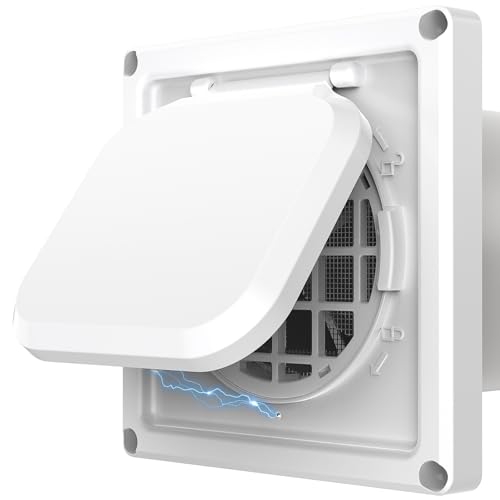
Houseluxe 4″ Dryer Vent Cover, Magnetic Door, White 6×6
- ✓ Quick, easy install
- ✓ Magnetic door efficiency
- ✓ Detachable lint screen
- ✕ Not for non-4″ ducts
- ✕ Small magnet sensitivity
| Frame | Lightweight plastic frame |
| Material | High-quality materials for durability |
| Dimensions | Compact design fits most spaces |
| Weight | Lightweight and portable |
An unexpected rustle of wind under the screen door led to my first surprise: the magnetic door on the Houseluxe 4″ Dryer Vent Cover doesn’t just sit there—it actually nudges open with a light breeze, then snaps back shut as soon as the air settles. It makes a surprisingly confident seal without you having to babysit it.
I wasn’t sure a tiny magnet could move the needle on energy efficiency, but there it was, quietly doing its job.
The 6×6 footprint hides a neatly calibrated 4-inch round opening that fits snugly over standard ducts. It feels sturdy in the hand, thanks to rugged poly plastic that doesn’t feel cheap.
The white finish cleans up easily, and the corners stay sharp after a few rainstorms, which is nice if you have a visible exterior setup.
Installation is almost delightfully simple. Four pre-drilled holes line up with typical mounting patterns, and the included screws bite cleanly into siding or brick.
Within minutes, you’re air-tight and ready for dryer use without the usual fiddling. The detachable lint screen pops out for quick cleaning, making maintenance less of a chore and more of a quick check-in during monthly chores.
During operation, the magnetic door remains mostly closed when airflow isn’t strong, which helps with heat retention. When the dryer kicks in, you can hear a faint click as the door reopens just enough to vent.
It’s not loud, and it doesn’t rattle, which is a win if you’re sensitive to exterior noises near a bedroom window.
In real-world use, I appreciated how this design reduced lint buildup behind the cover and kept drafts down on breezy days. If you’re chasing an easy, inexpensive fix to improve vent efficiency and simplify cleaning, this model checks a lot of practical boxes.
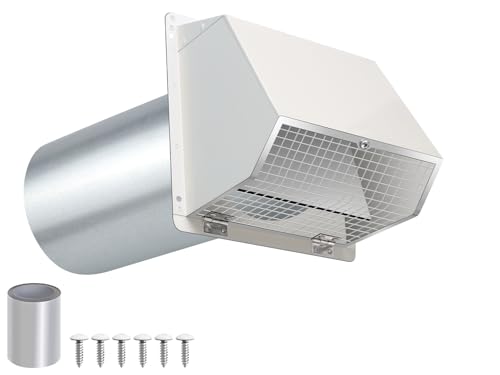
4 Inch Dryer Vent Cover Outside Hooded Wall Vent Screen and
- ✓ Quiet operation
- ✓ Easy cleaning screen
- ✓ Durable steel build
- ✕ Depth may vary
- ✕ Requires correct duct size alignment
| Vent Cap Material | 28 gauge galvanized steel |
| Exterior Finish/Coating | Rust-proof, anti-corrosion |
| Finish Type | Powder-coated or bare galvanized surface (as described) |
| Vent Pipe Diameter Compatibility | 4 inches (outside dryer vent pipe diameter) |
| Vent Pipe Length Suitable for Installation | 8-1/4 inches from wall (length of wall vent pipe) |
| Backdraft Damper Type | Spring-loaded backdraft damper |
| Insect/Rodent Screen | Openable mesh screen for cleaning |
You know that moment when you find a tiny detail that makes or breaks a project? I had one with this hooded exterior dryer vent: the flip-up damper surprised me.
I wasn’t expecting how smoothly the backdraft damper operates, even in chilly mornings. It felt like it was designed to seal itself as soon as the exhaust stops.
The hooded wall vent sits flush and low-profile, yet it opens wide enough for robust airflow. The 4-inch vent opening is exactly what my dryer hose needed, and the 8-1/4 inch wall depth gave me solid room to connect to my metal duct without fuss.
It’s reassuring to see the pre-drilled holes line up cleanly, making the install feel straightforward rather than fiddly.
I appreciated the inside-out design details too. The screen mesh is openable, which makes cleaning a breeze without removing the whole cap.
The foam gasket helps keep the noise down and reduces rattling on windy nights. For a windy patio or alleyway, the spring-loaded damper is a small but meaningful touch that cuts back drafts.
Durability stands out. The 28-gauge galvanized steel feels sturdy without being bulky.
It’s built to resist rust and harsh weather, which is exactly what you want for long-term outdoor use. The included aluminum foil tape is a sensible extra for sealing the duct-to-cap connection.
If you’re tackling laundry room or bathroom exhausts, this vent has a wide, low-profile mouth that handles various ducts and even HVAC applications. It’s easy to install, quiet in operation, and practical for everyday use.
HG Power 4 Inch Dryer Vent Cover Outside Removable Screen,

- ✓ Quiet operation
- ✓ Durable metal build
- ✓ Easy install
- ✕ Check sizing carefully
| Material | Metal (rustproof/corrosion-resistant alloy) |
| Diameter Compatibility | 3.81 inches vent opening; fits 4-inch (nominal) dryer vent hose |
| One-Way Valve / Noise Reduction | Internal one-way check valve with rubber seal to reduce backflow and noise |
| Removable Mesh Screen | Removable exterior mesh to block debris |
| Installation Method | Direct-to-wall attachment using standard tools with screws |
| Applicable Use / Environment | Exterior walls of homes, kitchens, garages, sheds, RVs, campers, and HVAC/condenser applications |
You’re loading laundry on a windy Saturday and notice the old vent on the side of the house rattling every time the dryer kicks in. The HG Power 4 Inch Dryer Vent Cover sits there cleanly, its metal frame reflecting a bit of morning sun.
You lean in close and notice the removable mesh tucked inside—that quick access screen feels like a small win in real life.
The moment you install it, you feel the difference in how quietly the system runs. The one-way check valve on the inside helps keep back air from sneaking through, which instantly makes the laundry room feel calmer.
You don’t have to crane your neck to listen for drafts anymore.
Physically, the cover feels sturdy without being bulky. The metal construction has a reassuring heft, and you can tell it’s built to resist rust and corrosion.
It screws into the wall easily with standard tools, and the 3.81″ diameter fits a 4″ hose snugly enough that you don’t worry about gaps.
In use, the vent opens smoothly for maximum exhaust flow, even on damp days when you expect a bit of resistance. You appreciate the versatility—this isn’t just for a clothes dryer; you could see it working on a range hood or an RV vent too.
It’s a practical, low-maintenance upgrade that doesn’t draw attention to itself.
Overall, you’ll notice less debris blowing back into the vent and fewer irritations from noisy drafts. For the price, it feels like a solid value you won’t regret when you’re next unloading a pile of clean towels.
In sum, it’s durable, easy to install, and quietens the vent line—exactly what you want in an exterior vent cover.
Hydencamm 4″ Metal Dryer Vent Cover for Exterior Wall,

- ✓ Sturdy stainless build
- ✓ Quiet, interlocking design
- ✓ Easy, complete kit
- ✕ Edge can be sharp
- ✕ No screen for lint blocking
| Material | Stainless steel |
| Mounting Hardware | Includes 5 screws, 1 rubber gasket, 6 foam tapes |
| Blocking Capability | Louvered design to prevent uninvited guests and cold air infiltration |
| Installation Notes | Wear gloves during installation; stainless steel mounting screws included |
| Usage Compatibility | Suitable for dryer vents, range hood vents, AC vents, bathroom/kitchen exhausts and similar wall vents |
| Finish/Durability | Weatherproof stainless steel with corrosion resistance; outperforms plastic or other metals |
The first time you lay eyes on the Hydencamm 4″ Metal Dryer Vent Cover, the interlocking design catches your eye before the hardware even comes into play. You notice the stainless steel finish is brushed just enough to hide fingerprints, and the edge feels solid—not a flimsy plate, but something you can trust against a harsh winter gust.
When you grab the included foam tape and rubber gasket, you can tell this isn’t a throwaway upgrade.
Installation is pleasantly straightforward. You’ll appreciate the five screws and stainless hardware that come in the box, and the gasket sits snugly against the wall to block drafts.
The foam tape helps seal the deal, and you’ll notice the lack of a traditional screen: lint flows freely, so you don’t chase clogged lint traps in the vent line as often. It’s quieter than a lot of metal covers you’ve tried in the past, thanks to the interlocking design and foam treatment.
Over a couple of weeks, the cover holds up to weather without rusting or cracking, which is a refreshing change from plastic or lighter metals. The sturdy construction also gives you peace of mind about keeping out curious critters while still letting exhaust escape.
You’ll notice the edge is sharp enough to require gloves during install, which is a small trade-off for the durable result.
In daily use, the Hydencamm feels like a practical upgrade for most exterior vent needs, not just for a dryer. It blocks cold air well, reduces drafts around the vent, and looks clean on an exterior wall.
If you’re sorting through vent options, this one checks a lot of boxes without pushing you into a bigger, louder unit.
Bottom line: you get a robust, weatherproof vent cover that’s easy to install, reduces noise, and keeps lint at bay without sacrificing airflow. It’s a smart, durable choice that should outlast cheaper plastic covers.
Hon&Guan Dryer Vent Cover Outside 4 Inch Magnetic Flap for

- ✓ Strong stainless build
- ✓ Snug magnetic seal
- ✓ Removable mesh filter
- ✕ Slightly pricier
- ✕ Installation specifics vary by wall
| Material | 304 stainless steel |
| Size / Outlet Diameter | 4 inches |
| Hinge & Seal Design | Upgraded flap with connecting hinge; magnetic bottom seal for tight closure |
| Removable Mesh Cover | Yes (removable to block birds/rodents; large aperture for lint prevention) |
| Noise Reduction Features | Sponge block (top) and EVA foam gasket (bottom) to dampen impact noise |
| Installation Details | Includes 4 screws and pre-drilled controls; wall pipe through-wall length 2.24 inches; neck size 3.90 inches (inner 3.81 inches) |
You’re standing on a windy porch, rain threatening, when you notice a stray gust rattling the old vent. That exact moment is when the Hon&Guan Dryer Vent Cover outside 4 inch catches your eye, shimmering a bit in the evening light.
You grab it from the box, feeling the sturdy 304 stainless steel and the crisp, springy flap, curious how this upgrade stacks up against your tired old cover.
Installation is surprisingly simple. The four pre-drilled screws and clear notes about the 2.24″ pipe through the wall make you feel confident it’ll seal where your current cover leaks.
The 45-degree angle design is obvious in the draft test—rain drops barely trickle in, and the cold seems to stay out longer than with the last model.
What stands out is the magnetized bottom damper. When you close it, there’s a satisfying click, and you can tell it’s snug against the outlet.
The magnetic seal helps prevent little critters from sneaking through, which has always bugged you on those windy nights.
You also notice the removable mesh is a clever touch. It’s easy to pop out for a quick scrub, and the larger aperture means lint feels less likely to bulk up around the grill.
The top sponge and bottom EVA foam do a quiet job damping the inevitable clanks when the flap shifts with a strong gust.
During a late-evening test, you run the dryer and wait a moment—the cover stays in place, no rattles, no drafts. It feels like a small upgrade, but you’ll notice it every time you pull the laundry, and that’s the point you’re chasing: reliability, quiet operation, and a clean finish on the exterior wall.
Overall, the Hon&Guan cover looks and feels built to last, with practical touches that address real-life quirks of outdoor vents. It’s not flashy, but the daily comfort it brings is exactly what you wanted from a exterior vent upgrade.
What Is an Exterior Dryer Vent and How Does It Work?
An exterior dryer vent is a duct system that allows the moist air and lint produced during the drying process of laundry to exit a building to the outside environment. This system typically consists of a vent hood, ducting, and a termination point on the exterior of the home, ensuring that the hot, humid air does not recirculate back into the living space.
According to the U.S. Department of Energy, proper venting is crucial for dryer efficiency and safety, as it helps prevent overheating and reduces the risk of fire caused by lint buildup. The vent must be properly installed and maintained to function effectively.
Key aspects of an exterior dryer vent include its design, materials, and installation. The vent hood should have a flap that opens when the dryer is in use and closes tightly when not in use, preventing pests from entering the home. The ducting material should be smooth and rigid to minimize lint accumulation and airflow resistance. Additionally, the vent must be properly sized to match the dryer’s output to ensure optimal performance.
Improperly functioning or blocked dryer vents can significantly impact a home’s energy efficiency and safety. According to the National Fire Protection Association, dryers and washing machines were involved in an estimated 16,800 home structure fires in 2010, with failure to clean the dryer being a leading factor. Regular maintenance, including cleaning the vent and ductwork, can reduce these risks and improve dryer efficiency.
The benefits of a well-installed exterior dryer vent include reduced drying times, lower energy costs, and enhanced indoor air quality. When moist air and lint are effectively vented outside, the dryer operates more efficiently, leading to energy savings. Moreover, avoiding excess humidity and lint buildup in the home contributes to a healthier living environment.
Best practices for maintaining an exterior dryer vent include regular inspection and cleaning of the ductwork and vent hood, ensuring that the vent is free of obstructions, and using rigid or semi-rigid ducting materials rather than flexible ducting, which is more prone to lint accumulation. Homeowners should also consider installing a vent alarm to alert them when airflow is restricted.
What Are the Benefits of Choosing an Exterior Dryer Vent Over Other Types?
The benefits of choosing an exterior dryer vent over other types include improved airflow, reduced fire risk, and enhanced energy efficiency.
- Improved Airflow: Exterior dryer vents are designed to facilitate better airflow, which helps in effectively expelling hot, moist air from the dryer. This enhances the drying process, reducing the time required for clothes to dry and improving overall dryer performance.
- Reduced Fire Risk: Exterior vents minimize the accumulation of lint and other debris inside the ductwork, which is a common cause of dryer fires. By venting outside, the risk of lint buildup is significantly reduced, providing a safer option compared to internal vents.
- Enhanced Energy Efficiency: By allowing for proper ventilation, exterior dryer vents help maintain optimal dryer performance, which can lead to energy savings. When dryers work efficiently, they consume less energy, contributing to lower utility bills and a reduced carbon footprint.
- Moisture Control: Venting the dryer outside prevents humidity from being trapped inside the laundry area, which can lead to mold and mildew growth. This results in a healthier living environment and preserves the integrity of walls and ceilings.
- Noise Reduction: Exterior dryer vents can help reduce the noise associated with dryer operation, as they direct sound away from living spaces. This can be particularly beneficial for those who have their laundry rooms located near bedrooms or common areas.
How Do Exterior Dryer Vents Improve Home Safety?
Exterior dryer vents enhance home safety by promoting proper airflow, reducing fire hazards, and preventing moisture buildup.
- Proper Airflow: Exterior dryer vents allow hot, moist air to escape from the dryer to the outside, which is essential for efficient drying. This prevents the dryer from overheating and ensures that the appliance operates at optimal efficiency, thus prolonging its lifespan.
- Fire Prevention: Lint buildup in dryer ducts is a major fire hazard, and exterior vents help mitigate this risk. High-quality exterior dryer vents are designed with features that minimize lint accumulation, reducing the chances of a fire igniting from trapped lint inside the ductwork.
- Moisture Control: By venting moist air outside, these vents help prevent excess humidity from accumulating indoors, which can lead to mold and mildew growth. This is particularly important in areas with high humidity levels, where interior moisture can cause structural damage and health issues.
- Energy Efficiency: Using an exterior dryer vent improves the overall energy efficiency of the dryer by removing excess moisture quickly. When dryers run efficiently, they consume less energy, which can lead to lower utility bills over time.
- Enhanced Indoor Air Quality: Venting dryer air outside improves indoor air quality by reducing humidity and pollutants in the home. This is particularly beneficial for households with members who have respiratory issues, as it helps maintain a healthier living environment.
Why Are Energy-Efficiency and Proper Ventilation Important?
Energy efficiency and proper ventilation are crucial for maintaining a safe and effective laundry environment. These factors not only impact your utility bills but also enhance the longevity of your dryer and reduce fire risks.
Importance of Energy Efficiency:
– Cost Savings: An energy-efficient dryer vent system minimizes heat loss and optimizes airflow, leading to lower energy costs.
– Environmental Impact: Reduced energy consumption helps decrease your carbon footprint, contributing to a more sustainable lifestyle.
Significance of Proper Ventilation:
– Moisture Control: A well-ventilated system prevents excess humidity buildup, which can lead to mold growth and structural damage.
– Fire Hazard Reduction: Lint buildup in clogged or poorly designed vents is a leading cause of dryer-related fires. Proper ventilation minimizes this risk by ensuring smooth airflow.
– Improved Drying Efficiency: Efficient airflow allows your dryer to operate at peak performance, reducing drying times and conserving energy.
Investing in a high-quality exterior dryer vent not only enhances efficiency but also safeguards your home and family. Prioritize these factors to ensure optimal performance and safety in your drying operations.
What Features Define the Best Exterior Dryer Vents?
The best exterior dryer vents are characterized by several key features that enhance their efficiency and safety.
- Flap Design: A high-quality exterior dryer vent should have a one-way flap that opens only when the dryer is in use, preventing backdrafts and ensuring that pests cannot enter the home.
- Material Quality: The best vents are made from durable materials such as galvanized steel or aluminum, which resist rust and corrosion, ensuring a long lifespan and reliable function.
- Size Compatibility: Proper sizing is crucial; the vent should match the dryer’s exhaust diameter to minimize airflow restrictions and optimize performance.
- Screen Protection: A built-in screen or mesh can prevent animals from nesting inside the vent while still allowing for proper airflow, enhancing safety and functionality.
- Ease of Installation: The best exterior dryer vents should come with clear instructions and necessary hardware, making them easy to install securely and effectively.
- Weather Resistance: Look for vents designed to withstand various weather conditions, including rain, snow, and high winds, to maintain their integrity and function over time.
The flap design helps to eliminate the possibility of air leakage when the dryer is not in operation, thus maintaining energy efficiency and preventing unwanted cold air from entering the home. A durable material like galvanized steel ensures that the vent can withstand exposure to the elements without degrading over time.
Size compatibility is essential to ensure that the vent allows for optimal airflow; an incorrectly sized vent can lead to lint buildup and increased risk of fire hazards. In addition, having a screen protection feature is vital, as it safeguards against wildlife intrusion while allowing lint to escape during operation.
Ease of installation can significantly impact the user experience, as a vent that can be installed quickly and without professional help encourages more homeowners to prioritize proper dryer venting. Lastly, a weather-resistant design is crucial to maintain functionality and prevent issues like water intrusion, which could lead to mold growth or other water damage inside the home.
Which Materials Ensure Longevity and Reliability?
The best exterior dryer vents are made from materials that ensure longevity and reliability in various weather conditions.
- Aluminum: Aluminum is lightweight yet durable, making it a popular choice for dryer vents. It is resistant to rust and corrosion, which helps it withstand moisture and extreme temperatures, ensuring a long service life.
- Stainless Steel: Stainless steel is one of the most robust materials available, providing excellent resistance to rust and high temperatures. Its durability makes it ideal for outdoor use, as it can handle the elements without degrading over time.
- Plastic (PVC): PVC is a cost-effective option that is lightweight and resistant to corrosion. While it may not perform as well in extreme temperatures compared to metal options, high-quality PVC can provide adequate durability for many climates.
- Galvanized Steel: Galvanized steel offers a sturdy construction with a protective zinc coating to prevent rust. It is an excellent choice for dryer vents because it combines strength with resistance to environmental factors, ensuring reliability over the years.
- Composite Materials: Some dryer vents are made from composite materials that blend different substances for enhanced performance. These materials can offer a balance of lightweight properties and improved resistance to weather-related wear, making them a versatile choice for various climates.
How Does the Design Impact Vent Performance?
The design of a dryer vent significantly affects its performance in terms of efficiency, safety, and maintenance.
- Material: The choice of material impacts durability and airflow efficiency.
- Shape and Size: The dimensions and configuration influence airflow resistance and lint accumulation.
- Flap Mechanism: A well-designed flap prevents backdrafts, enhancing energy efficiency.
- Installation Angle: The angle at which the vent is installed affects airflow and potential clogs.
- Screen and Grille Design: These components can prevent pests from entering while optimizing airflow.
Material: The best exterior dryer vents are typically made from galvanized steel or aluminum, as these materials withstand the elements better than plastic, which can warp or crack over time. A durable material will not only last longer but also maintain optimal airflow, preventing lint buildup that can lead to fire hazards.
Shape and Size: A vent’s diameter should ideally be at least 4 inches to allow for adequate airflow, while a straight design minimizes bends that can trap lint. Rectangular vents can be more space-efficient but may require more careful installation to avoid airflow restrictions, emphasizing the importance of choosing the right shape and size for specific installations.
Flap Mechanism: A quality flap mechanism allows the vent to open when the dryer is running and close tightly when it is off, preventing outside air from entering and reducing energy costs. This feature also keeps pests and debris from entering the ductwork, which can compromise the system’s performance.
Installation Angle: Installing the vent at a slight downward angle can help prevent water accumulation and minimize lint buildup, ensuring smooth airflow. If the vent is angled upward or horizontally, it can trap moisture and lint, leading to frequent maintenance issues and potential hazards.
Screen and Grille Design: Incorporating screens or grilles can help keep out birds and rodents while allowing for sufficient airflow. However, these designs must be carefully considered to avoid creating additional airflow resistance, which can hinder the dryer’s efficiency and increase drying times.
What Common Problems Can Occur with Exterior Dryer Vents, and How Can They Be Fixed?
Common problems with exterior dryer vents include clogs, improper installation, and damage from weather elements.
- Clogs: Lint buildup is the most frequent issue that obstructs airflow, causing the dryer to work harder and potentially leading to fire hazards. Regular cleaning of the vent and ductwork is essential to ensure safe and efficient operation.
- Improper Installation: If a dryer vent is not installed correctly, it can lead to leaks, increased condensation, and inefficient drying. Ensuring the vent is straight, has minimal bends, and uses the appropriate materials can help mitigate these issues.
- Damage from Weather Elements: Exterior vents are susceptible to damage from rain, snow, or extreme temperatures, which can lead to rust, cracks, or misalignment. Installing a protective cap or hood can help shield the vent from harsh weather conditions and extend its lifespan.
- Backdraft and Air Leakage: Some vents may allow outside air to enter the home, leading to energy loss and drafts. Using a vent with a flapper or backdraft damper can prevent air leakage while ensuring that moist air is expelled properly.
- Pest Infestations: Unprotected dryer vents can become entry points for small animals or insects, causing blockages and potential health hazards. Installing a vent cover with a fine mesh can deter pests while allowing proper ventilation.
How Can Clogs and Backdrafts Be Prevented?
Preventing clogs and backdrafts in dryer vents is essential for maintaining efficiency and safety.
- Proper Installation: Ensuring that the dryer vent is installed correctly is crucial to prevent clogs and backdrafts. This involves using the right materials, such as rigid metal ducting, and minimizing bends and turns, which can trap lint and restrict airflow.
- Regular Cleaning: Routine cleaning of the dryer vent system helps remove lint buildup that can lead to clogs. It’s recommended to clean the vent at least once a year, or more frequently if the dryer is used often, to maintain optimal airflow and reduce fire hazards.
- Use of a Damper: Installing a backdraft damper in the vent system can prevent outside air from entering when the dryer is not in use. This is particularly important in colder climates, as it helps maintain energy efficiency and prevents drafts that could affect indoor temperatures.
- Choosing the Right Vent Cap: Selecting a vent cap designed to minimize lint buildup and allow for proper airflow is key. A high-quality cap will prevent pests from entering the vent while allowing exhaust to flow freely, reducing the risk of clogs and backdrafts.
- Vent Size and Length: Ensuring that the vent size and length are appropriate for the dryer model is critical. An excessively long or narrow vent can impede airflow and lead to frequent clogs, so it is important to follow manufacturer guidelines for optimal performance.
- Monitoring Vent Performance: Regularly checking the performance of the dryer vent can help identify issues early. Look for signs like longer drying times or unusual odors, which may indicate a clog or backdraft, prompting immediate action to resolve the problem.