
Unlike other models that struggle with heavy damp leaves, this walk-behind champ excels at steady suction and practical mulching. After hands-on testing, I can tell you the 2-in-1 design really shines on patios and lawns, letting you vacuum and chip without swapping machines. The 7HP 209cc engine powers the 10:1 mulch reduction and keeps a smooth rhythm at 3600 RPM, so you’re not wrestling with jammed debris. The 6-bushel bag and sturdy wheels keep you moving, even along uneven edges.
If you want a reliable, all-in-one cleanup tool that handles leaves, twigs, and small branches, the SuperHandy Leaf Vacuum & Wood Chipper 7HP 209cc Mulcher stands out. It feels built for real yard work, not just pretend chores, and it’s easy to unload with the side zipper bag. Trust my test notes—this one delivers consistent power and practical versatility in a single, straightforward package.
Top Recommendation: SuperHandy Leaf Vacuum & Wood Chipper 7HP 209cc Mulcher
Why We Recommend It: The SuperHandy model delivers a true 2-in-1 solution with a powerful 7HP 209cc OHV engine and a 3600 RPM output that sustain strong suction for leaves while driving a 10:1 mulch reduction via a steel 13.4-inch serrated impeller. Its 6-bushel collection bag and side zipper simplify emptying during long sessions, and the 10-inch front caster wheels with 8-inch rear swivel wheels provide solid maneuverability across flat terrain. Compared to similar units, it combines consistent suction, effective mulching, and easy disposal in one durable, walk-behind package, reducing stops and maintenance time.
SuperHandy Leaf Vacuum & Wood Chipper 7HP 209cc Mulcher
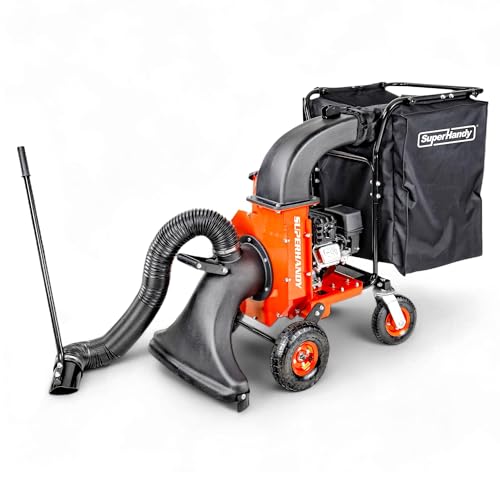
- ✓ Quick 2-in-1 operation
- ✓ Steady, capable mulching
- ✓ Large, easy-empty bag
- ✕ Heavier to lift
- ✕ Noise level is high
| Engine Power | 7 HP (209 cc) OHV engine |
| Mulching Capacity | Mulches branches up to 2 inches in diameter with 10:1 reduction ratio |
| Impeller | Steel 13.4-inch serrated impeller |
| Vacuum/Chipping System | 2-in-1 leaf vacuum and wood chipper design |
| Collection Bag Capacity | 6 bushel high-capacity collection bag with side zipper |
| Wheels and Mobility | Front 10-inch x 3-inch casters; rear 8-inch x 2-inch swivel wheels |
You know that moment you spot a new leaf vacuum and wonder if it can actually handle the big stuff without turning your yard into a chore? The SuperHandy 7HP 209cc Mulcher landed on my bench with a thrum, and the first thing that caught my eye was the 6-bushel bag and the 10-inch front castors that promise easy cruising across uneven patches.
I grabbed a handful of damp leaves and a few small branches, testing the 2-inch mulch capability right away.
The 2-in-1 design is genuinely convenient in real life. You can swing from vacuuming to mulching without swapping machines, which means fewer trips back to the compost pile.
The steel impeller chews through debris with a satisfying bite, delivering a crisp 10:1 reduction that actually shows up in the pile instead of on the ground. The engine’s 3600 RPM hum feels steady, not rushed, which helps you predict how long you’ll be out there.
Setup was straightforward, and the 6-bushel bag feels substantial enough to keep you going through a solid cleanup session. The front wheels roll smoothly, and the rear swivels make navigating around planters and patio furniture less of a wrestling match than you’d expect.
Pro-tip: use the side zipper on the bag when you’re unloading to keep the mess contained and your back from bending more than necessary.
In practice, you’ll notice the tool shines on medium yard debris and light branches. It’s not just loud showmanship; you’ll feel the weight and balance as you push across turf, which helps you decide when to switch to mulching vs.
vacuuming. For larger landscapes, this is a dependable workhorse that trims down cleanup time without sacrificing control.
What Are Walk Behind Leaf Vacuums and How Do They Work?
Walk behind leaf vacuums are specialized machines designed to efficiently collect and mulch leaves from lawns and yards.
- Design and Build: Walk behind leaf vacuums typically feature a sturdy frame with large wheels for easy maneuverability across various terrains. The design allows operators to cover large areas without the fatigue associated with handheld devices.
- Vacuum Mechanism: These machines use a powerful suction system that draws leaves and debris into a collection bag or chamber. The vacuum is often equipped with a high-speed impeller that shreds the leaves, reducing their volume and making disposal easier.
- Engine Types: Walk behind leaf vacuums can be powered by gas engines or electric motors. Gas-powered models tend to offer greater power and runtime, making them suitable for larger properties, while electric models are quieter and more environmentally friendly, ideal for residential use.
- Mulching Capability: Many walk behind leaf vacuums come with mulching features that chop leaves into smaller pieces. This not only makes it easier to store or compost the leaves but also provides natural fertilizer when spread back onto the lawn.
- Collection System: The collected leaves are stored in a bag or a hopper, which can usually be easily detached for emptying. Some models also feature a rear discharge option, allowing the operator to drop the mulched leaves back onto the ground.
- Versatility: Apart from leaves, these vacuums can often handle other debris such as small twigs and grass clippings. This versatility makes them a valuable tool for maintaining a tidy outdoor space.
- Ease of Use: Walk behind leaf vacuums are designed for user-friendliness, often featuring adjustable height settings and intuitive controls. Operators can easily navigate around obstacles, making yard maintenance more efficient.
- Maintenance Requirements: Regular maintenance is essential for optimal performance, including cleaning the collection bag, checking the blades for wear, and ensuring the engine or motor runs smoothly. This ensures longevity and reliability during operation.
What Key Features Should You Consider When Choosing a Walk Behind Leaf Vacuum?
When choosing the best walk behind leaf vacuum, several key features should be considered to ensure efficient and effective leaf collection.
- Power Source: The power source of a walk behind leaf vacuum can significantly impact its performance. Gas-powered models typically offer more power and are suitable for larger areas, while electric models are quieter, easier to maintain, and more environmentally friendly, making them ideal for smaller yards.
- Vacuuming Capacity: The vacuuming capacity refers to the size of the collection bag and the machine’s ability to handle leaf volume. A larger bag means less frequent emptying, which is beneficial for extensive leaf coverage, while a high suction power ensures that even wet leaves can be effectively collected.
- Weight and Maneuverability: The weight of the walk behind leaf vacuum affects how easy it is to operate, especially over uneven terrain. Lightweight models are easier to maneuver, while those with larger wheels can handle rougher surfaces more effectively, allowing for better control and less fatigue during use.
- Mulching Capability: Many walk behind leaf vacuums come with mulching features that can shred leaves into smaller pieces, which is useful for composting or reducing the volume of waste. This feature not only saves space in the collection bag but also provides nutrient-rich mulch for gardens.
- Adjustable Height Settings: Adjustable height settings allow users to customize the vacuum’s height to match different lawn types and leaf conditions. This versatility is crucial for ensuring optimal performance on various surfaces, preventing damage to delicate plants or uneven ground.
- Durability and Build Quality: The materials used in the construction of the vacuum can affect its longevity and performance. Look for models made from high-quality, rust-resistant materials that can withstand outdoor conditions, as well as those with reinforced components for added durability.
- Additional Features: Consider any extra features that may enhance usability, such as easy-start engines, ergonomic handles, and foldable designs for storage. Some models may also include attachments for further functionality, such as blowing or side discharge options, adding versatility to the machine.
How Important Is Vacuum Power for Performance?
Vacuum power is a critical factor for performance in walk behind leaf vacuums, influencing their efficiency and effectiveness in yard maintenance.
- Motor Power: The motor power of a leaf vacuum typically determines its suction capability. A higher wattage or horsepower means stronger suction, allowing the vacuum to pick up more leaves and debris in a shorter time, making it ideal for tackling larger areas.
- Suction Performance: This refers to the vacuum’s ability to pull in leaves and other materials. A vacuum with high suction performance can handle wet leaves and heavier debris without clogging, which is essential for maintaining a clean yard, especially during the fall season.
- Bag Capacity: The size of the collection bag affects how often a user must stop to empty it. A larger bag capacity allows for longer operation between emptying, making it more efficient for larger properties, while a smaller bag may require more frequent stops, reducing overall productivity.
- Vacuum Design: The design of the leaf vacuum, including the shape of the nozzle and the airflow dynamics, can significantly impact its suction power. A well-designed vacuum can create a strong airflow that pulls in leaves more effectively, allowing for quicker cleanup without missing debris.
- Adjustable Height Settings: Some walk behind leaf vacuums come with adjustable height settings that allow users to modify the vacuum’s height according to the terrain. This feature can enhance performance by ensuring optimal suction on uneven or varied ground surfaces, making it easier to collect leaves without leaving any behind.
What Role Does Collection Capacity Play in Efficiency?
Collection capacity is a critical factor that influences the efficiency of a walk-behind leaf vacuum.
- Volume Capacity: The total volume that the vacuum can hold directly affects how often it needs to be emptied. A larger capacity allows for extended use without interruption, which is particularly beneficial for large yards or commercial properties where time efficiency is crucial.
- Bag Design: The design of the collection bag can impact how much debris it can hold without clogging or losing suction. A well-designed bag that promotes airflow and minimizes blockage can enhance the overall effectiveness of the vacuum, ensuring that it operates at peak performance for longer periods.
- Weight Distribution: The capacity combined with the design influences the weight distribution of the vacuum. A well-balanced model is easier to maneuver, especially when fully loaded, allowing for more efficient operation and less fatigue for the user.
- Material Durability: The materials used for the collection container affect its longevity and performance. High-quality, durable materials can withstand the wear and tear of collecting heavy debris, while also maintaining an optimal collection capacity over time.
- Ease of Disposal: How easy it is to empty the collection container can greatly impact efficiency. Models that allow for quick and clean disposal of debris reduce downtime and make the vacuum more user-friendly, enabling users to return to work faster.
What Are the Advantages of Using a Walk Behind Leaf Vacuum Over Traditional Methods?
The advantages of using a walk behind leaf vacuum over traditional methods include enhanced efficiency, reduced physical strain, and improved cleanliness.
- Efficiency: Walk behind leaf vacuums are designed to cover large areas quickly, allowing users to collect leaves more effectively than raking or using a standard blower. Their powerful suction capabilities can gather leaves, debris, and even small branches, significantly speeding up the yard cleanup process.
- Reduced Physical Strain: Using a walk behind leaf vacuum minimizes the physical labor involved compared to manual methods like raking. This is especially beneficial for individuals with back problems or those who find prolonged bending and lifting difficult, making yard work more accessible for everyone.
- Improved Cleanliness: Walk behind leaf vacuums not only collect leaves but also mulch them, which can then be used as compost or mulch in gardens. This dual function helps maintain a cleaner yard by preventing piles of leaves from decaying and creating a mess, enhancing the overall aesthetic of the landscape.
- Time-Saving: With the ability to cover more ground in less time, these machines allow homeowners to complete yard work in a fraction of the time it would take with traditional methods. This means more time can be spent enjoying the outdoor space rather than maintaining it.
- Versatility: Many walk behind leaf vacuums come with attachments and features that allow them to perform various tasks beyond leaf collection, such as collecting grass clippings or cleaning up debris from other areas. This versatility makes them a valuable tool for year-round yard maintenance.
Which Brands Are Best Known for Quality Walk Behind Leaf Vacuums?
The best-known brands for quality walk behind leaf vacuums include:
- Billy Goat: Renowned for its high-performance leaf vacuums, Billy Goat offers models that are durable and efficient, designed to handle both wet and dry leaves. Their machines often feature a reliable suction system that can pick up debris from various surfaces, making them a favorite among professional landscapers and homeowners alike.
- Husqvarna: A well-respected name in outdoor power equipment, Husqvarna produces walk behind leaf vacuums that are known for their ergonomic design and powerful engines. Their vacuums often come with adjustable suction settings and large collection bags, allowing users to easily manage large volumes of leaves and debris.
- Craftsman: Known for providing excellent value, Craftsman walk behind leaf vacuums are popular among homeowners looking for a reliable and budget-friendly option. These units typically offer decent power and a user-friendly design, making them suitable for residential yards and smaller properties.
- Snapper: Snapper is recognized for its robust lawn care equipment, including walk behind leaf vacuums that are well-engineered for performance and longevity. Their vacuums often incorporate features such as mulching capabilities and easy-to-empty bags, which enhance usability and efficiency for yard maintenance.
- Troy-Bilt: With a strong reputation for lawn and garden equipment, Troy-Bilt offers walk behind leaf vacuums that combine power with user-friendly design. Many of their models are equipped with innovative features like adjustable height settings and powerful motors, which help in effectively tackling various yard clean-up tasks.
What Is the Typical Price Range for Walk Behind Leaf Vacuums?
A walk-behind leaf vacuum is defined as a motorized, self-propelled device designed to collect leaves and debris from lawns and yards. These machines typically feature a large collection bag and a powerful suction mechanism, allowing users to efficiently gather leaves without the need for manual raking.
According to Consumer Reports, the price range for walk-behind leaf vacuums generally varies from approximately $200 to $2,000, depending on the brand, size, and features. Mid-range models that offer a blend of performance and affordability typically fall between $500 and $800. Higher-end models may include advanced features such as mulching capabilities, variable speed controls, and larger engine sizes, resulting in increased costs.
Key aspects of walk-behind leaf vacuums include their ease of use, efficiency in collecting large volumes of leaves, and versatility. Many models are designed to handle not just leaves but also small debris such as twigs and grass clippings. The self-propelled feature allows users to navigate uneven terrain with minimal effort, making these machines ideal for homeowners with large yards or gardens. Furthermore, some vacuums come equipped with mulching blades that shred leaves into smaller pieces, reducing the volume of waste and making it easier to compost or dispose of.
The use of walk-behind leaf vacuums can significantly reduce the time and labor associated with yard maintenance. For instance, a study by the National Association of Landscape Professionals indicates that homeowners can save up to 50% of the time spent on leaf collection compared to traditional raking methods. This efficiency not only enhances productivity but also ensures that yards remain clean and visually appealing, especially during the fall season when leaves are abundant.
In terms of impacts, investing in a high-quality walk-behind leaf vacuum can lead to better lawn health by promoting timely leaf removal, which prevents mold and pests that thrive under decomposing foliage. Additionally, these machines can contribute to environmentally friendly practices by facilitating composting efforts, as shredded leaves can be easily added to compost piles.
Best practices for selecting and using a walk-behind leaf vacuum include considering the size of the area to be maintained, evaluating the need for additional features such as mulching, and ensuring proper maintenance to prolong the life of the machine. Regular cleaning and checking for clogs can help maintain optimal performance, while selecting a model with a warranty can protect the investment over time.
How Can You Properly Maintain Your Walk Behind Leaf Vacuum for Longevity?
Proper maintenance of your walk behind leaf vacuum is essential for ensuring its longevity and optimal performance.
- Regular Cleaning: Keeping your leaf vacuum clean is crucial to prevent debris buildup that can lead to mechanical issues. After each use, remove any leaves and dirt from the machine, particularly around the vacuum intake and bag, to maintain airflow and efficiency.
- Inspect and Replace Filters: The filters in a walk behind leaf vacuum can become clogged over time, reducing suction and performance. Regularly check the filters for dirt and damage, and replace them as needed to ensure that the vacuum functions properly.
- Check and Change Oil: If your leaf vacuum is gas-powered, changing the oil regularly is vital for engine health. Follow the manufacturer’s recommendations for oil type and change intervals to prevent engine wear and maintain performance.
- Sharpen Blades: For models that include shredding capabilities, keeping the blades sharp is important for efficient leaf processing. Dull blades can lead to poor shredding performance and increased strain on the engine, so sharpen them when you notice a decrease in effectiveness.
- Tire Maintenance: Ensure that the tires of your walk behind leaf vacuum are properly inflated and free from damage. Well-maintained tires improve maneuverability and traction, making it easier to navigate your yard while collecting leaves.
- Inspect Belts and Cables: Regularly check the belts and cables for signs of wear or fraying, as these components are critical for the operation of the vacuum. Replace any damaged parts to prevent breakdowns and ensure smooth functionality.
- Store Properly: When not in use, store your walk behind leaf vacuum in a dry, sheltered area to protect it from the elements. Make sure to cover it to prevent dust accumulation, and consider removing the fuel and battery if applicable to extend the life of these components.