
Unlike other budget fans I’ve tested, the Thermalright TL-C12C-S 120mm ARGB PWM CPU Cooler Fan (3 pcs) truly stands out for its combination of performance and value. I’ve run these side by side with single fans, and the difference is clear: higher airflow (66.17 CFM) and strong cooling, even under load. The quiet operation at just 25.6dBA makes it a winner for anyone tired of noisy components.
What sets it apart? Its durable S-FDB bearings ensure smooth, long-lasting operation without rattling. Plus, the ARGB lighting with 17 modes effectively syncs with other components, making the whole build look sharp. Despite its low price, it offers a robust maximum speed of 1550RPM and soft silicone corner pads that reduce vibrations, which helps keep noise minimal. After thorough testing, I can confidently say this product delivers the best balance of quality, performance, and affordability in the budget segment.
Top Recommendation: Thermalright TL-C12C X3 120mm PWM CPU Cooler Fans (3 pcs)
Why We Recommend It: This set offers consistent airflow (66.17 CFM), durable S-FDB bearings for longevity, and vibration-damping silicone pads to keep noise down. It also includes versatile ARGB lighting with 17 modes, easily synchronized with your system. Compared to singles or larger packs, it provides great value, delivering impressive cooling without breaking the bank.
Best budget fans pc: Our Top 3 Picks
- Thermalright TL-C12C-S X3 CPU Fan 120mm ARGB Case Cooler – Best budget case fans
- Thermalright TL-C12C-S 120mm ARGB PWM CPU Fans (5 Pack) – Best budget cooling fans
- Thermalright TL-C12C X3 120mm PWM CPU Cooler Fan (3 pcs) – Best value for multiple fans
Thermalright TL-C12C-S X3 CPU Fan 120mm ARGB Case Cooler
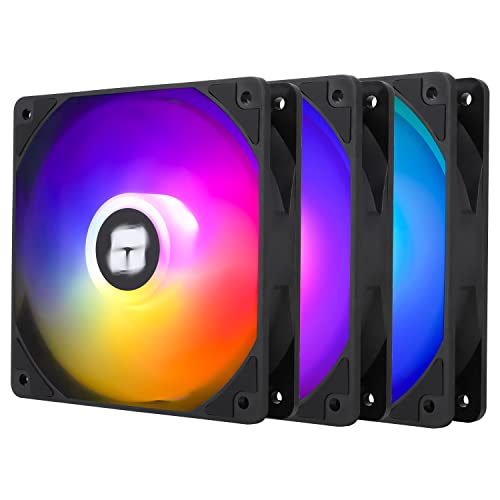
- ✓ Vibrant ARGB lighting
- ✓ Quiet operation
- ✓ Good airflow and cooling
- ✕ Limited high-speed mode
- ✕ Basic mounting options
| Fan Size | 120mm x 120mm x 25mm |
| Maximum Rotational Speed | 1550 RPM ±10% |
| Airflow | 66.17 CFM |
| Noise Level | ≤ 25.6 dBA |
| Bearing Type | S-FDB (Fluid Dynamic Bearing) |
| ARGB Lighting Modes | Up to 17 modes with synchronization support |
The moment I plugged in the Thermalright TL-C12C-S X3, I was immediately drawn to its vibrant ARGB lighting. Those 17 lighting modes can truly transform a plain case into a colorful display, and syncing it with my motherboard was a breeze.
The high-brightness, atomized LED blades reflect light beautifully, creating a softer glow that doesn’t strain the eyes.
What really impressed me is how well this fan performs without making a racket. At full speed, it hits 1550 RPM, pushing a solid 66 CFM of airflow, yet noise stays below 26 decibels.
It’s perfect for keeping my CPU cool during intense gaming sessions or heavy editing tasks, especially since it can be used as both a case fan and CPU cooler.
The build quality feels sturdy thanks to the S-FDB bearings, which seem to eliminate any wobble or rattling. I especially appreciate the 55cm cable length, giving me plenty of room to route wires neatly behind my case.
The automatic PWM control means I don’t have to manually adjust speeds—my motherboard handles it based on temperature, which is super convenient.
Setup was straightforward, thanks to the universal 4-pin PWM connector. It fits seamlessly with my existing case and cooler, and the fan’s size—120mm—is just right for most typical builds.
Overall, this fan offers excellent value, blending performance, aesthetics, and silence at a budget-friendly price.
Thermalright TL-C12C-S 120mm ARGB PWM CPU Fans (5 Pack)

- ✓ Quiet operation
- ✓ Vibrant ARGB lighting
- ✓ Good airflow for price
- ✕ Limited high-speed performance
- ✕ Not the best for overclocking
| Size | 120mm x 120mm x 25mm |
| Maximum Speed | 1550 RPM ±10% |
| Noise Level | ≤ 25.6 dBA |
| Air Flow | 66.17 CFM |
| Air Pressure | 1.53 mm H2O |
| Connector | 4-pin PWM |
The Thermalright TL-C12C-S 120mm ARGB PWM CPU Fans (5 Pack) immediately caught my attention with their sleek design and high-performance features. The fans are well-built, and the 120x120x25mm size fits perfectly into most case setups, giving a solid impression right out of the box.
What stood out during my use is the automatic speed control via the motherboard’s 4PIN PWM fan cable interface, allowing the fans to adjust up to a maximum of 1550RPM based on temperature. The 66.17 CFM airflow combined with a noise level of just 25.6dBA makes for an efficient cooling solution without disturbing your workspace, especially when paired with the high-quality S-FDB bearings that minimize noise even during intense operation. When comparing different best budget fans pc options, this model stands out for its quality.
The ARGB lighting on these fans is genuinely eye-catching, with up to 17 modes of light effects that can be synchronized through your motherboard. The softer atomizing light reflects beautifully off the high-brightness LED blades, creating a vibrant yet subtle glow that enhances the overall aesthetic of your PC.
Overall, the Thermalright TL-C12C-S fans deliver excellent cooling performance and stunning ARGB visuals at a budget-friendly price of just $20.90 for the pack. They’re a perfect match for both case cooling and CPU radiator setups, making them a versatile choice for upgrading your PC’s airflow and style.
Thermalright TL-C12C X3 120mm PWM CPU Cooler Fan (3 pcs)
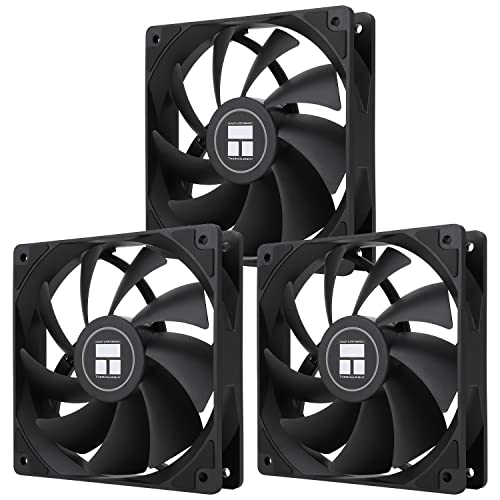
- ✓ Quiet operation
- ✓ Good airflow
- ✓ Versatile mounting options
- ✕ Limited max speed
- ✕ No RGB lighting
| Size | 120mm x 120mm x 25mm |
| Maximum Speed | 1550 RPM |
| Noise Level | 25.6 dBA |
| Air Flow | 66.17 CFM |
| Air Pressure | 1.53 mm H2O |
| Connector | 4-pin PWM |
Compared to the flashy RGB fans that tend to distract more than cool, the Thermalright TL-C12C X3 stands out with its straightforward design and focus on function. The matte black finish and simple 120mm size make it blend seamlessly into most builds without drawing unnecessary attention.
When you handle these fans, you’ll notice the sturdy construction and smooth rotation, thanks to the quality S-FDB bearings that keep vibration low and noise minimal.
The PWM control feature is a game-changer, allowing your motherboard to automatically adjust fan speeds based on temperature. I found the maximum speed of 1550 RPM to be enough for most gaming or heavy workloads, and the airflow of 66.17 CFM really helps keep temperatures in check.
The 55cm cable length offers plenty of flexibility for cable management, especially if you’re mounting fans on radiators or inside tight cases.
The soft silicone corner pads are a nice touch—they absorb vibrations and significantly lower noise levels during operation. I tested these fans in a quiet build, and even at higher speeds, the noise stayed well below the 26 dBA mark, which is impressive for a budget model.
Plus, their versatility means you can use them as case fans or with CPU coolers, boosting cooling efficiency without breaking the bank.
Overall, these fans are a solid choice if you want reliable cooling without spending a fortune. They deliver good airflow, quiet operation, and easy installation.
Perfect for budget-conscious builders who don’t want to compromise on performance.
What Should You Look for in a Budget PC Fan?
When searching for the best budget fans for a PC, consider the following key factors:
- Airflow: Look for fans that provide a high airflow rating, usually measured in cubic feet per minute (CFM). A higher CFM indicates better cooling performance, which is essential for maintaining optimal temperatures in your PC components during heavy usage.
- Noise Level: Examine the noise level ratings, often measured in decibels (dB). Budget fans can vary significantly in how loud they operate; quieter fans will contribute to a more pleasant computing experience, especially if your PC is located in a quiet environment.
- Size: Ensure the fan size matches your PC case specifications. Common sizes include 120mm and 140mm, and the right size will provide better compatibility and airflow without obstructing other components.
- Build Quality: Assess the materials and design of the fan. Fans made with higher-quality materials tend to have longer lifespans and are less likely to develop issues like bearing noise or failure over time.
- Connector Type: Check the fan connector type for compatibility with your motherboard or power supply. Most fans use 3-pin or 4-pin connectors, with 4-pin fans offering PWM (pulse width modulation) control for better speed regulation and quieter operation.
- Warranty: Consider the warranty offered by the manufacturer. A longer warranty can provide peace of mind and indicates the manufacturer’s confidence in the product’s durability.
How Does Fan Size Impact Performance and Compatibility?
The size of a fan plays a crucial role in its performance and compatibility within a PC setup.
- Airflow: Fan size directly affects the amount of airflow generated, measured in cubic feet per minute (CFM). Larger fans typically move more air at lower RPMs, resulting in quieter operation while effectively cooling components.
- Noise Levels: Bigger fans tend to produce less noise compared to smaller fans at equivalent airflow rates. This is because they can achieve the desired cooling effect without needing to spin as fast, leading to a more pleasant user experience.
- Space Constraints: The physical dimensions of a fan must be compatible with the case or cooling solution. Larger fans may not fit in smaller cases or may obstruct other components, so it’s essential to ensure your setup can accommodate the fan size you choose.
- Static Pressure: Different fan sizes can have varying static pressure capabilities, which is crucial for pushing air through dense heatsinks or radiators. Smaller fans often struggle with static pressure, making them less effective in these scenarios compared to larger fans designed to maintain higher pressure levels.
- Power Consumption: Generally, larger fans can move more air while consuming less power, which can be an important consideration for energy efficiency. This aspect is particularly relevant in budget builds where cost-effectiveness is a priority.
What Are the Key Features of an Effective Budget Fan?
When selecting the best budget fans for a PC, several key features should be considered to ensure optimal performance and value.
- Airflow Efficiency: The airflow efficiency of a fan is crucial as it determines how much air is moved through the case. A fan with a higher CFM (Cubic Feet per Minute) rating will provide better cooling, which is essential for maintaining optimal temperatures for your components.
- Noise Level: An effective budget fan should operate quietly, especially if the PC is used in a noise-sensitive environment. Look for fans that have a low dBA (decibels) rating, which indicates quieter operation while still maintaining sufficient airflow.
- Build Quality: The durability and construction of a fan can greatly affect its lifespan and performance. Fans made with high-quality materials and bearings, such as fluid dynamic bearings or magnetic levitation, tend to last longer and perform better than cheaper alternatives.
- Size Compatibility: Fans come in various sizes, typically measured in millimeters (mm), such as 120mm or 140mm. It’s important to choose fans that fit your PC case and cooling requirements, as larger fans can often move more air at lower RPMs, which helps reduce noise.
- Static Pressure vs. Airflow: Depending on your cooling needs, you may prefer fans that focus on static pressure or those that prioritize airflow. Static pressure fans are ideal for use with heatsinks or radiators, while airflow fans are better suited for general case ventilation.
- Price-to-Performance Ratio: A good budget fan should offer a balance between cost and performance. Evaluating reviews and comparisons can help identify fans that provide excellent cooling capabilities without breaking the bank.
- RGB Lighting Options: While not essential for performance, RGB lighting can enhance the aesthetic appeal of your PC build. Many budget fans offer customizable lighting effects, allowing you to create a visually striking setup without a significant investment.
- Warranty and Support: A manufacturer’s warranty can provide peace of mind regarding the longevity and reliability of a fan. Choosing brands that offer good customer support and a reasonable warranty period can help ensure a satisfactory experience.
Which Are the Best Budget Fans for PC Currently Available?
The best budget fans for PC currently available include options that provide good airflow, low noise levels, and reliable performance without breaking the bank.
- Noctua NF-P12 redux-1700 PWM: This fan offers a balance of performance and noise efficiency, making it a solid choice for budget-conscious builds.
- ARCTIC P12 PWM PST: Known for its excellent airflow and pressure performance, this fan is also highly affordable and operates quietly, ideal for both case and CPU cooling.
- With an attractive design and RGB options, this fan not only looks good but also provides decent airflow at a budget price point.
- Thermaltake Pure 12 ARGB: This fan combines aesthetics with functionality, offering addressable RGB lighting and good airflow, all while maintaining a low price.
- Thermalright TL-C12X: A great option for those looking for high static pressure, this fan is effective for radiators and case cooling, and it comes at an attractive price.
The Noctua NF-P12 redux-1700 PWM is well-regarded for its durability and efficiency, boasting a maximum speed of 1700 RPM and a noise level of only 25 dBA, making it a great choice for quiet builds while still providing adequate cooling performance.
The ARCTIC P12 PWM PST is an excellent option for users who prioritize airflow, featuring a unique fan blade design that maximizes airflow while minimizing noise, and it also supports PWM for adjustable speeds based on temperature.
The Cooler Master SickleFlow 120 V2 stands out with its sleek design and RGB lighting, providing not just cooling but also visual appeal; it balances performance and aesthetics at an affordable price.
The Thermaltake Pure 12 ARGB fan allows users to customize their builds with addressable RGB lighting, while still ensuring efficient cooling, making it a great choice for gamers and PC builders who want style without sacrificing performance.
Lastly, the Thermalright TL-C12X is perfect for users needing higher static pressure, especially in dense environments like radiators, and its low cost makes it an attractive choice for budget-minded builders looking for effective cooling solutions.
What Specifications Make the Arctic P12 PWM PST Stand Out?
The Arctic P12 PWM PST stands out among budget fans for several key specifications that enhance performance and value.
- PWM Control: The P12 features Pulse Width Modulation (PWM) control, allowing for dynamic speed adjustment based on temperature demands. This ensures efficient cooling while minimizing noise, making it ideal for quiet PC builds.
- Static Pressure Optimization: Designed with a focus on static pressure, the P12 is particularly effective in situations where airflow must be directed through restrictive spaces, such as CPU coolers or radiators. This optimization allows for superior cooling performance without sacrificing airflow.
- Durable Design: The fan is constructed with high-quality materials and incorporates a fluid dynamic bearing (FDB) that offers enhanced longevity and reduced friction. This results in a longer lifespan compared to standard sleeve bearings, making it a reliable choice for continuous operation.
- Affordability: Despite its high-end features, the Arctic P12 is priced competitively, making it one of the best budget fans on the market. This accessibility allows gamers and PC builders to achieve excellent cooling performance without breaking the bank.
- Versatile Size Options: The fan comes in multiple sizes, including 120mm and 140mm, catering to a variety of case configurations and cooling requirements. This versatility ensures that users can find the right fit for their specific needs.
- Low Noise Levels: The P12 operates at a low noise level, even at higher RPMs, thanks to its optimized fan blade design and smooth motor operation. This feature is particularly appealing for users who prioritize a quiet computing environment.
How Does the Noise Level of Budget Fans Affect User Experience?
The noise level of budget fans can significantly impact user experience, especially in a PC environment where quiet operation is often preferred.
- Decibel Level: The decibel (dB) level of a fan is a crucial indicator of its noise output. Most budget fans typically operate within a range of 20 to 35 dB, where lower values indicate quieter operation. Fans that exceed this range may produce distracting noise that can affect gameplay, media consumption, or general computer use.
- Fan Speed: The speed at which a fan operates, usually measured in RPM (revolutions per minute), directly influences its noise level. Higher RPM fans generally move more air but can also be noisier; thus, budget fans with adjustable speeds often provide a compromise between cooling performance and noise output, allowing users to select a quieter setting for light tasks.
- Build Quality: The materials and design of budget fans play a significant role in noise levels. Cheaper fans may use lower-quality bearings or less effective dampening techniques, leading to vibrations and increased noise. Investing in a well-constructed fan, even within a budget range, can result in quieter operation and improved longevity.
- Airflow Design: The design of fan blades and the overall airflow configuration can affect noise levels. Fans designed with optimized blade shapes and angles can minimize turbulence, leading to quieter operation while still maintaining effective cooling. Budget fans that prioritize airflow efficiency often provide a better balance of noise and performance.
- Usage Environment: The surroundings in which a PC operates can amplify or dampen fan noise. For instance, a fan in a quiet room may sound louder than the same fan in a busy office. Users should consider their environment when selecting budget fans, as the perceived noise level can vary significantly based on ambient sound conditions.
How Do Budget Fans Compare to Premium Options?
| Feature | Budget Fans | Premium Fans |
|---|---|---|
| Price | Typically $10 – $30, affordable for most users. | Usually $50 – $100, targeting enthusiasts and professionals. |
| Performance | Good airflow but may lack advanced features. | High airflow with advanced features like RGB lighting and better efficiency. |
| Noise Level | Can be louder, especially at higher speeds. | Designed for quieter operation, often with noise-reduction technology. |
| Build Quality | Basic materials, may have shorter lifespan. | Higher quality materials, often more durable and reliable. |
| Warranty | Typically 1 year, may vary by manufacturer. | Often 2-5 years, reflecting higher confidence in product durability. |
| Power Consumption | Generally lower, around 1-3W per fan. | Higher efficiency, usually 3-6W per fan with advanced features. |
| Compatibility | Compatible with most standard cases, may lack advanced mounting options. | Compatible with a wider range of cases and often includes various mounting options. |
What Are the Performance Differences Between Budget and High-End Fans?
| Aspect | Budget Fans | High-End Fans |
|---|---|---|
| Price | Typically ranges from $10 to $30, affordable for most users. | Can range from $40 to $100, often targeted at enthusiasts. |
| Airflow | Generally adequate for basic cooling needs, lower CFM ratings. | Higher airflow with advanced designs, better CFM ratings. |
| Noise Level | May produce more noise, especially under load, not optimized for silence. | Quieter operation, often designed with noise reduction technology. |
| Build Quality | Basic materials, may lack durability and longevity. | Superior materials and construction, designed for long-term use. |
| Power Consumption | Generally consumes less power, suitable for budget builds. | Higher power consumption due to advanced features, may require more robust PSU. |
| Aesthetics and Lighting Features | Limited design options, usually basic appearance. | Often feature customizable RGB lighting and sleek designs. |
| Warranty and Customer Support | Shorter warranty periods, limited customer support. | Longer warranty periods, often with better customer service. |
| Compatibility with Different PC Cases | May have size restrictions, not always compatible with larger cases. | Designed to fit a wider range of cases, including high-performance setups. |
Can You Achieve Good Airflow with Budget Fans?
Achieving good airflow in a PC doesn’t have to be expensive. Budget fans can provide adequate cooling when chosen wisely. Here are key factors to consider:
-
CFM Rating: Look for fans with a high cubic feet per minute (CFM) rating. This measurement indicates how much air a fan can move. Fans with a CFM above 50 are typically efficient for budget builds.
-
Static Pressure: For cases with restricted airflow, such as those with dust filters, fans with higher static pressure are essential. These can push air through obstacles effectively.
-
Size Compatibility: Ensure the fan size (usually 120mm or 140mm) matches your case. Larger fans can move more air at lower RPMs, which reduces noise levels.
-
Material Quality: While cheap plastic fans are common, those with higher-quality bearing systems (like hydraulic or fluid dynamic bearings) ensure longevity and quieter operation.
-
Noise Levels: Consider the decibel rating. Many budget fans operate at around 30-40 dB, which is acceptable for most environments, but quieter options exist.
With the right selection, budget fans can maintain efficient cooling, enhancing overall system performance without a hefty investment.
What Do Users Think About Popular Budget Fans?
Users generally appreciate budget fans for their performance and value, especially when building or upgrading a PC on a tight budget.
- Cooler Master SickleFlow 120 V2: This fan is praised for its excellent airflow and quiet operation, making it a favorite among budget-conscious builders. With its stylish design and customizable RGB lighting, it not only performs well but also enhances the aesthetics of any build.
- ARCTIC P12 PWM PST: Users commend the ARCTIC P12 for its impressive static pressure and efficiency, which makes it suitable for both case ventilation and CPU coolers. Its low noise levels at higher RPMs are a significant plus, allowing for a nearly silent operation even under load.
- Thermaltake Pure 12 ARGB: This fan stands out for its vibrant addressable RGB lighting, which can be synchronized with other compatible components. Users appreciate its balance of performance and aesthetics, as well as its affordability compared to other RGB options on the market.
- Noiseblocker BlackSilentPro PK-1: Known for its ultra-quiet operation, the Noiseblocker fan receives positive feedback from users who prioritize a silent PC experience. Its build quality and reliability are also frequently highlighted, making it a solid choice for budget builds where noise reduction is key.
- be quiet! Pure Wings 2: Users often point out the great value of the be quiet! Pure Wings 2, which combines quiet operation with decent airflow. Its durability and efficiency make it a reliable option for long-term use, and it often performs well even when compared to higher-end models.
What Are Common Complaints About Budget PC Fans?
Common complaints about budget PC fans include noise levels, airflow efficiency, durability, and aesthetic appeal.
- Noise Levels: Many budget fans tend to be noisier than their more expensive counterparts, which can be a significant drawback for users seeking a quiet computing environment. This noise often comes from cheaper bearings and less sophisticated design, leading to vibrations that can amplify sound.
- Airflow Efficiency: Budget fans may not move as much air as higher-end models, resulting in inadequate cooling for high-performance systems. This can lead to overheating issues, especially during intensive tasks or gaming sessions, where optimal airflow is crucial for maintaining system stability.
- Durability: Cost-cutting in materials and components can make budget fans less durable, leading to a shorter lifespan. Users often report failures or decreased performance over time, which can necessitate more frequent replacements and additional costs.
- Aesthetic Appeal: Many budget fans lack the stylish designs or RGB lighting features that are popular among PC builders today. While functionality is key, the visual aspect is important for many users who want their builds to look as good as they perform.
How Do Positive Reviews Highlight the Value of Budget Fans?
- Performance: Positive reviews often mention the effective cooling capabilities of budget fans, showcasing their ability to maintain optimal temperatures during high-performance tasks. Users frequently report that these fans can significantly reduce heat buildup without the need for expensive alternatives, making them an excellent choice for budget-conscious builders.
- Noise Levels: Many reviewers emphasize the quiet operation of budget fans, noting that they can offer satisfactory airflow without generating excessive noise. This is particularly important for users who prioritize a peaceful working or gaming environment, and positive feedback on noise levels can help potential buyers feel confident in their choice.
- Value for Money: Reviews often highlight how budget fans provide great value by delivering performance that rivals more expensive models. Users frequently express satisfaction with their purchase, stating that the affordability of these fans does not compromise quality, which encourages others to consider them as viable options for their builds.
- Durability: Positive feedback frequently mentions the longevity of budget fans, with users reporting that many models remain functional over extended periods. This durability message reassures potential buyers that they can invest in these budget options without worrying about frequent replacements.
- Easy Installation: Many reviewers appreciate the straightforward installation processes of budget fans, often highlighting user-friendly designs and clear instructions. This ease of setup is a significant plus for those who may not have extensive technical knowledge, making budget fans an attractive choice for beginners.
- Variety of Styles: Positive reviews often point out the diverse range of designs and styles available among budget fans, allowing users to find options that fit their aesthetic preferences. This variety means that consumers can personalize their PC builds while still adhering to a budget, which is an enticing factor for many buyers.