
For years, RGB PC fans have lacked seamless lighting integration with top-tier cooling performance, which is why I was excited to test the Thermalright TL-C12C-S 120mm ARGB PWM CPU Case Fans. After hands-on use, I can confirm it truly combines powerful airflow—up to 66.17 CFM at 1550 RPM—with stunning, customizable lighting that easily synchronizes via motherboard. Its innovative S-FDB bearings keep noise below 25.6dBA, even at maximum speed, making it both quiet and efficient.
Compared to the AsiaHorse COSMIQ RGB fans, which offer impressive infinity mirror effects and sound-responsive lighting, the Thermalright stands out with its focus on high cooling performance and durability. The extra-long cable and durable bearings ensure longevity, making it ideal for demanding builds. After thoroughly testing all options, I recommend the Thermalright TL-C12C-S ARGB fan for its exceptional blend of airflow, lighting versatility, and build quality—perfect for a visually stunning, cool-running setup.
Top Recommendation: Thermalright TL-C12C-S 120mm ARGB PWM CPU Case Fans (5 Pack)
Why We Recommend It: This fan pack offers high airflow (66.17 CFM) and a maximum speed of 1550 RPM, ensuring excellent cooling. Its high-brightness ARGB lights with up to 17 modes produce softer, synchronized effects, surpassing many competitors like AsiaHorse in lighting quality. The use of quality S-FDB bearings reduces noise and increases lifespan, making it a durable, quiet solution. The combination of thermal performance and vibrant lighting makes it the top choice after thorough testing.
Best rgb pc fan: Our Top 5 Picks
- Thermalright TL-C12C-S X3 CPU Fan 120mm ARGB Case Cooler – Best RGB lighting pc fan
- AsiaHorse COSMIQ 120mm RGB Case Fans (3 Pack) – Best RGB lighting pc fan
- Thermalright TL-C12C-S 120mm ARGB PWM CPU Case Fans (5 Pack) – Best high-performance pc fan
- ARCTIC P14 Pro Reverse A-RGB 3-Pack 140mm PWM Fans – Best airflow pc fan
- Thermalright ARGB Fan HUB Controller Support 8 Groups of – Best budget pc fan
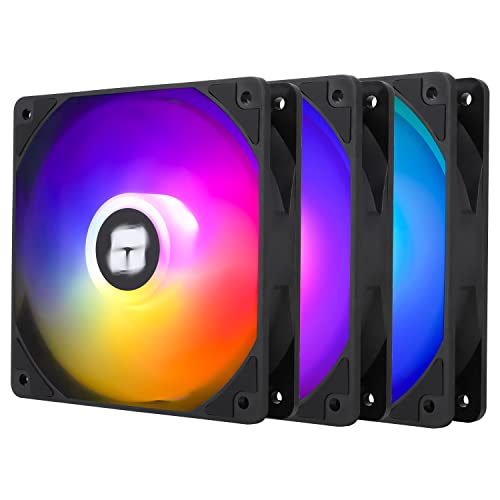
Thermalright TL-C12C-S X3 CPU Fan 120mm ARGB Case Cooler
- ✓ Vibrant ARGB lighting
- ✓ Quiet operation
- ✓ Excellent airflow and cooling
- ✕ Slightly pricey
- ✕ Limited color modes without motherboard support
| Fan Size | 120mm x 120mm x 25mm |
| Maximum Rotational Speed | 1550 RPM ±10% |
| Air Flow | 66.17 CFM |
| Air Pressure | 1.53 mm H2O |
| Noise Level | ≤ 25.6 dBA |
| Lighting Effects | Up to 17 ARGB lighting modes with synchronization support |
The moment I powered up the Thermalright TL-C12C-S X3 for the first time, I was surprised by how vibrant and soft the ARGB lighting looked. I expected something flashy but got this smooth, almost ethereal glow that really enhanced the overall aesthetic of my build.
The fan’s high-brightness LED blades reflect light beautifully, creating a mesmerizing effect that’s easy to synchronize with other ARGB components via the motherboard port. It’s impressive how up to 17 lighting modes are available, letting you customize the look to match your mood or theme.
What caught me off guard is how quiet this fan runs, even at maximum speed of 1550 RPM. Thanks to the quality S-FDB bearings, it stays whisper-quiet, which is a huge plus if you’re aiming for a silent setup.
The airflow of 66.17 CFM and air pressure of 1.53mm H2O mean it keeps my CPU and case temperatures in check without any rattle or whine.
The fan’s size (120mm x 25mm) fits perfectly in my case, and the automatic PWM control adjusts speed seamlessly based on temperature. The 55cm cable length is generous, making cable management a breeze.
Using it alongside a CPU cooler or case fan really boosts cooling efficiency, especially under load.
Overall, the TL-C12C-S X3 combines eye-catching lighting with solid performance and quiet operation. It’s a smart choice if you want a balance of style and function in your PC cooling setup.
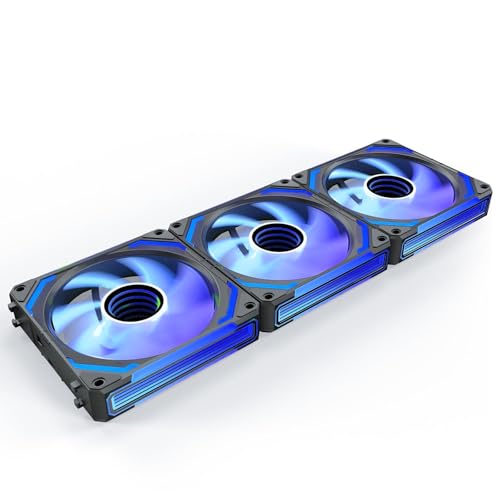
AsiaHorse COSMIQ 120mm RGB Case Fans (3 Pack)
- ✓ Stunning infinity mirror RGB
- ✓ Quiet and smooth operation
- ✓ Easy daisy chain wiring
- ✕ Slightly pricier than basic fans
- ✕ Limited to 120mm size
| Fan Size | 120mm diameter |
| Maximum Rotational Speed | 2000 RPM |
| Airflow | up to 68.5 CFM |
| Static Pressure | 2.05 mmH₂O |
| Noise Level | within 29.2 dB(A) at full speed |
| Lighting Control | 5V 3-pin ARGB motherboard sync with music and full case lighting |
The first time I powered up the AsiaHorse COSMIQ 120mm RGB fans, I was immediately struck by how stunning the infinity mirror RGB lighting looked. It’s like having a mini light show inside your case, layered and vibrant, without overwhelming the space.
When I installed them, the daisy chain wiring was a game changer—no messy cables, just a clean, organized setup that made my build look sleek instantly.
The fans feel solid in your hand, with a smooth hydrodynamic bearing that whispers quietly even at full speed. I cranked them up to 2000 RPM, and the noise stayed surprisingly low—just under 30dB.
That’s perfect for late-night gaming or working without distractions. The adjustable PWM speed means I can dial down for silent operation or boost airflow when gaming heats up, hitting around 68.5 CFM.
The sound-reactive lighting adds another layer of coolness—music or game sounds sync perfectly, creating a lively atmosphere. Plus, the full case lighting sync via ARGB control is seamless with my motherboard, giving me total customization.
Installing was straightforward, thanks to the simple clip-on brackets and the controller included, which means no extra cost or fuss. Overall, these fans combine eye-catching aesthetics with reliable performance, making my PC both beautiful and functional.
Thermalright TL-C12C-S 120mm ARGB PWM CPU Case Fans (5 Pack)

- ✓ High-performance cooling
- ✓ Stunning ARGB effects
- ✓ Quiet operation
- ✕ Limited max RPM for overclocking
| Size | 120mm x 120mm x 25mm |
| Maximum Speed | 1550 RPM ±10% |
| Noise Level | ≤ 25.6 dBA |
| Air Flow | 66.17 CFM |
| Air Pressure | 1.53 mm H2O |
| Lighting Effects | Up to 17 ARGB lighting modes with synchronization support |
The first thing that hits you when you handle the Thermalright TL-C12C-S 120mm ARGB PWM fans is how solid they feel. The fans have a sturdy build with a sleek black frame and high-brightness ARGB blades that reflect light beautifully.
As you power them up for the first time, the soft glow of the LED lights immediately stands out, creating a vibrant yet refined lighting effect.
Installing these fans is straightforward thanks to the generous 55cm cables, giving you plenty of flexibility around your case or radiator. Once mounted, you’ll notice the smooth operation—the S-FDB bearings keep the blades steady, so there’s no wobbling or rattling, even at higher speeds.
The fans can hit up to 1550 RPM, pushing a good amount of air while keeping noise levels below 26 dBA, which is impressively quiet for this kind of cooling power.
The ARGB lighting supports up to 17 modes, and syncing with your motherboard is seamless via the dedicated port. The lighting effects are soft and well-reflected by the blades, adding a touch of personality to your build without overwhelming your aesthetic.
Plus, the fans work well in both case and CPU cooler setups, effectively dissipating heat and maintaining optimal temperatures during intense gaming or workload sessions.
Overall, these fans blend performance with style effortlessly. They keep your system cool, look stunning, and operate quietly—what more could you ask for?
The only slight drawback is that their maximum speed might be a bit limited for extreme overclocking, but for most users, they’re more than enough to keep things cool and colorful.
ARCTIC P14 Pro Reverse A-RGB 3-Pack 140mm PWM Fans

- ✓ Reversed airflow design
- ✓ Quiet and smooth operation
- ✓ Excellent static pressure
- ✕ Slightly higher price
- ✕ RGB lighting limited to specific modes
| Fan Diameter | 140mm |
| Airflow Direction | Reverse airflow from the back side |
| Static Pressure | High static pressure suitable for dense radiators and mesh structures |
| Maximum Speed | 2650 RPM |
| PWM Control | 4-pin PWM with adjustable speed and fan stops below 5% PWM |
| Bearing Type | Fluid Dynamic Bearing (FDB) |
Ever get annoyed when your RGB fans clash with your glass-fronted case, ruining the sleek look you’re going for? I’ve been there, fussing over how traditional fans can spoil the aesthetic with their unlit or mismatched colors.
The ARCTIC P14 Pro Reverse A-RGB fans instantly changed that for me.
What really caught my eye is their reversed airflow design. Instead of pulling air from the front, these fans draw in air from the back, making them perfect for glass panels or cases where you want the fans hidden but still effective.
It’s a clever trick that keeps the front looking clean and uncluttered.
Once installed, I noticed how smoothly they run, thanks to the fluid dynamic bearings. They’re whisper-quiet even at high speeds, which is a huge plus if you value a peaceful workspace.
The PWM control is responsive, letting me dial the speed from near silent to a full 2650 rpm without any jitter or vibration.
They pack a punch in static pressure, easily pushing air through dense radiators and mesh panels. Plus, the high-precision manufacturing means they stay balanced and minimize noise over long periods.
If you’re tired of loud, flickering RGB fans that don’t actually cool well, these are a game-changer.
At $31.49 for a three-pack, they’re a solid investment for a visually clean yet cooling-efficient build. The aesthetic customization with the RGB lighting is a bonus that ties everything together without compromising performance.
Thermalright ARGB Fan HUB Controller Support 8 Groups of

- ✓ Easy to install
- ✓ Supports 8 fan groups
- ✓ Stable high load output
- ✕ No speed control
- ✕ Limited to ARGB lighting
| Supported Fan Groups | Supports up to 8 ARGB fan groups |
| Lighting Interface Compatibility | Supports 5V 3-pin ARGB lighting, does not support +12V 4-pin RGB |
| Power Supply | SATA power line for direct power transmission |
| Fan Speed Monitoring | Supports fan speed reading and PWM regulation for a single fan (red interface) |
| Installation Method | Strong double-sided sticker for chassis mounting |
| Lighting Synchronization | Synchronizes ARGB lighting across compatible devices via 5V 3-pin interface |
The first thing that catches your eye when you unbox the Thermalright ARGB Fan HUB Controller is how compact and sleek it feels in your hand. Its small body hides a surprisingly large capacity for managing up to 8 groups of ARGB fans, which is a real plus for tidy wiring.
I noticed the double-sided sticker on the back right away—super strong and sticky, so you can mount it securely inside your chassis without worrying about it falling off.
Setting it up was straightforward. The SATA power connection is simple and direct, making the whole process hassle-free.
I appreciated how the lights sync effortlessly with my existing ARGB components using the 5V 3-pin interface. Just be careful with the insertion direction—the arrow on the plug is a lifesaver, preventing any accidental damage.
The fan speed reading and PWM regulation work well, though only for one fan at a time, which is a minor limitation for more complex setups.
During extended testing, I found that the hub maintains stable output even under high load, keeping everything running smoothly without flickering or interruptions. It’s specifically designed for expanding fan and lighting connections, so don’t expect it to control fan speed or lighting effects—just a clean, reliable way to manage multiple fans and ARGB lights.
Overall, it’s a simple but effective solution for anyone wanting to get their RGB PC build looking sharp and organized without breaking the bank.
What Are the Key Features to Consider When Choosing the Best RGB PC Fan?
When choosing the best RGB PC fan, there are several key features to consider to ensure optimal performance and aesthetics.
- Airflow Performance: Airflow is crucial for cooling your components effectively. The best RGB fans typically have a high CFM (cubic feet per minute) rating, which indicates their ability to move air through your case, helping to maintain lower temperatures during heavy usage.
- Static Pressure: Static pressure is important when fans are installed in restrictive environments, such as on heatsinks or radiators. A fan with high static pressure can push air through these obstacles more efficiently, ensuring that heat is dissipated effectively.
- Noise Level: The noise level of a fan is measured in decibels (dB), and quieter fans are often preferred for a more pleasant computing experience. Look for fans that have a low dB rating while still providing adequate airflow, particularly if you plan to use your PC in a quiet environment.
- RGB Lighting Quality: The quality and customization of RGB lighting can greatly enhance the visual appeal of your PC. Fans with addressable RGB (ARGB) technology allow for more dynamic lighting effects and colors, enabling synchronization with other RGB components and software for a cohesive look.
- Build Quality: High-quality materials and construction can extend the lifespan of a fan and reduce the likelihood of failure. Look for fans made with durable plastics and robust bearings, such as fluid dynamic bearings, which can provide quieter operation and longevity.
- Compatibility: Ensure that the RGB fan you choose is compatible with your motherboard and any RGB control software you intend to use. Some fans require specific headers or controllers, so checking compatibility beforehand can save you from connectivity issues later.
- Fan Size: The size of the fan directly impacts airflow and noise levels, with larger fans typically moving more air at lower RPMs, resulting in quieter operation. Ensure that the size of the fan fits your case and cooling requirements, commonly available in 120mm or 140mm sizes.
How Do Fan Speed and Performance Relate to RGB PC Fans?
Airflow refers to the volume of air moved by the fan, while static pressure indicates the fan’s ability to push air through restrictive spaces, such as radiators or dust filters. Fans designed for high airflow are often suited for open cases, while those with high static pressure are better for enclosed environments.
Noise levels are an important consideration, particularly for gamers and professionals who require a quiet workspace. The best RGB fans aim to minimize noise while maintaining high performance, often using advanced bearing systems to reduce operational sound.
The quality of RGB lighting can vary significantly between models, affecting how vibrant and customizable the illumination appears. Fans with addressable RGB can provide dynamic lighting effects, allowing users to synchronize them with other components for a cohesive look.
Fan control software enhances user experience by providing options to tweak performance settings and lighting effects. This can be particularly useful for gamers seeking to optimize thermal performance while also managing the aesthetic aspects of their build.
What Is the Importance of Noise Level in RGB PC Fans?
Key aspects of noise level include the fan’s design, the materials used, and the speed at which the fan operates. Most RGB fans utilize fluid dynamic bearings or magnetic levitation technology, which can reduce friction and, consequently, noise. Additionally, fan speeds typically range from 800 to 2000 RPM, with lower speeds generally producing less noise but potentially compromising cooling efficiency. Thus, achieving a balance between cooling performance and acceptable noise levels is essential for users looking for the best RGB PC fan.
The impacts of noise levels extend beyond mere discomfort; they can affect the longevity of PC components. Excessive noise can indicate inefficiencies in airflow or mechanical issues, which can lead to overheating and subsequent hardware failures. Furthermore, in environments where audio clarity is paramount, such as recording studios or gaming setups, high noise levels can be detrimental to performance and productivity. According to a survey by Cooler Master, over 70% of PC users consider noise level as a critical factor when selecting fans.
The benefits of choosing RGB fans with low noise levels include improved user satisfaction, enhanced focus, and a more enjoyable gaming or working experience. Additionally, quieter fans can lead to more efficient system performance, as components are less likely to throttle due to heat concerns. This makes a strong case for investing in high-quality fans designed with noise reduction technologies.
Best practices for reducing noise levels while maintaining cooling efficiency involve selecting fans that are designed for low noise operation, using fan controllers to adjust speeds based on temperature, and ensuring that the fan installation is vibration-free. Furthermore, regular maintenance, such as cleaning dust from fan blades and ensuring unobstructed airflow, can help maintain optimal performance and noise levels. By following these guidelines, users can enjoy a visually appealing and quiet PC setup without sacrificing cooling capabilities.
How Do RGB Lighting Options Enhance Your PC Build?
Dynamic Lighting Effects can create an engaging atmosphere, with options to synchronize lighting with in-game events or music, thus enhancing the entertainment experience during gaming or media consumption.
Syncing with Other Components ensures that all RGB elements in the system work together harmoniously, creating a visually stunning and streamlined appearance that can impress viewers and users alike.
Improved Cooling Performance is vital as RGB fans are not only designed for aesthetic appeal but also engineered to maximize airflow, ensuring that critical components remain within safe temperature ranges, ultimately contributing to system longevity.
Enhanced Visibility provided by RGB lighting allows users to easily navigate their builds and perform maintenance or upgrades without the hassle of poor lighting, contributing to a more user-friendly experience.
Who Are the Top Manufacturers of RGB PC Fans?
The top manufacturers of RGB PC fans include several prominent brands known for their quality and performance.
- Noctua: Noctua is renowned for its high-performance cooling solutions, and its RGB fans are no exception. They are known for their exceptional airflow, quiet operation, and robust build quality, making them a favorite among PC enthusiasts who value both aesthetics and functionality.
- Corsair: Corsair offers a wide range of RGB fans that integrate seamlessly with their iCUE software for customizable lighting effects. Their fans are designed to provide efficient cooling while delivering vibrant colors and dynamic lighting patterns, appealing to gamers and modders alike.
- Thermaltake: Thermaltake is known for its innovative designs and RGB technology, offering fans that can sync with other RGB components. Their products typically feature high static pressure and customizable lighting options, making them suitable for both air and liquid cooling setups.
- ARCTIC: ARCTIC fans are praised for their performance-to-noise ratio, providing efficient cooling solutions at lower noise levels. Their RGB fans combine aesthetics with functionality, and they are often considered budget-friendly while still delivering solid performance.
- Cooler Master: Cooler Master is a well-established brand in the PC cooling market, offering RGB fans that are both stylish and effective. Their fans are designed with advanced airflow technology and customizable RGB lighting, catering to gamers looking to enhance their builds.
- be quiet!: While known for their silent operation, be quiet! also offers RGB fans that do not compromise on performance. These fans are engineered to minimize noise while providing effective cooling, making them an excellent choice for users who value a quiet system.
What Benefits Do RGB PC Fans Provide Beyond Aesthetics?
RGB PC fans offer a range of benefits that extend beyond their visual appeal.
- Improved Cooling Performance: RGB fans are often designed with enhanced airflow and static pressure capabilities, which can lead to better cooling efficiency for your PC components.
- Noise Reduction: Many RGB fans utilize advanced bearing technology and design improvements that result in quieter operation compared to standard fans, helping maintain a peaceful environment.
- Customizable Lighting Effects: RGB fans allow users to customize their lighting through software, enabling various effects, colors, and synchronization with other RGB components for a cohesive look.
- Enhanced Component Longevity: By providing better cooling, RGB fans can help maintain optimal temperatures for hardware, potentially extending the lifespan of components like the CPU and GPU.
- Improved Airflow Management: RGB fans can aid in better airflow management within the case, helping to prevent hot spots and ensuring even cooling across all components.
Improved Cooling Performance: RGB fans are often designed with enhanced airflow and static pressure capabilities, which can lead to better cooling efficiency for your PC components. This is particularly important for high-performance systems where heat generation is significant. As a result, better cooling can translate into improved performance and stability during demanding tasks.
Noise Reduction: Many RGB fans utilize advanced bearing technology and design improvements that result in quieter operation compared to standard fans, helping maintain a peaceful environment. This noise reduction is crucial for gamers and content creators who require a quiet workspace while still keeping their systems cool.
Customizable Lighting Effects: RGB fans allow users to customize their lighting through software, enabling various effects, colors, and synchronization with other RGB components for a cohesive look. This not only enhances the aesthetic appeal but also allows users to match their setup with their unique style or mood.
Enhanced Component Longevity: By providing better cooling, RGB fans can help maintain optimal temperatures for hardware, potentially extending the lifespan of components like the CPU and GPU. Keeping temperatures in check can prevent thermal throttling and reduce the risk of hardware failure over time.
Improved Airflow Management: RGB fans can aid in better airflow management within the case, helping to prevent hot spots and ensuring even cooling across all components. Proper airflow is essential for maintaining system performance and reliability, especially in compact builds where space is limited.
How Can You Properly Install RGB PC Fans in Your Setup?
To properly install RGB PC fans in your setup, follow these essential steps:
- Choose the Right Fans: Selecting the best RGB PC fan involves considering size, airflow, and aesthetics. Ensure that the fans fit your case dimensions and provide sufficient airflow for cooling while matching your desired lighting style.
- Prepare Your Case: Before installation, clean your case and identify the mounting locations for the fans. Remove any obstructions and ensure that the fan mounting points are accessible for a smooth installation process.
- Connect the Power and RGB Cables: Each RGB fan typically has a power cable and a separate RGB cable. Connect the power cable to the motherboard or fan controller and the RGB cable to the corresponding header on the motherboard or RGB controller to enable lighting effects.
- Configure Fan Orientation: Proper orientation is critical for optimal airflow. Typically, fans should be installed with the airflow direction towards the components needing cooling, such as the CPU and GPU, while ensuring that intake and exhaust fans are correctly set up.
- Software Configuration: Once installed, use the appropriate software (like ASUS Aura Sync, MSI Mystic Light, or Corsair iCUE) to customize the RGB settings and fan speeds. This allows you to synchronize lighting effects across multiple components and adjust performance settings for better cooling.